

Top Reasons Educators Lose Their TEA License and How to Avoid Them
Educators hold a critical role in shaping the future through their work with students, schools, and the broader education system. Unfortunately, issues can arise that jeopardize their ability to continue in this role, including losing their Texas Education Agency (TEA) license. This article explores the top reasons educators lose their TEA licenses and offers practical advice on avoiding these pitfalls.
Understanding the TEA License
What is a TEA License?
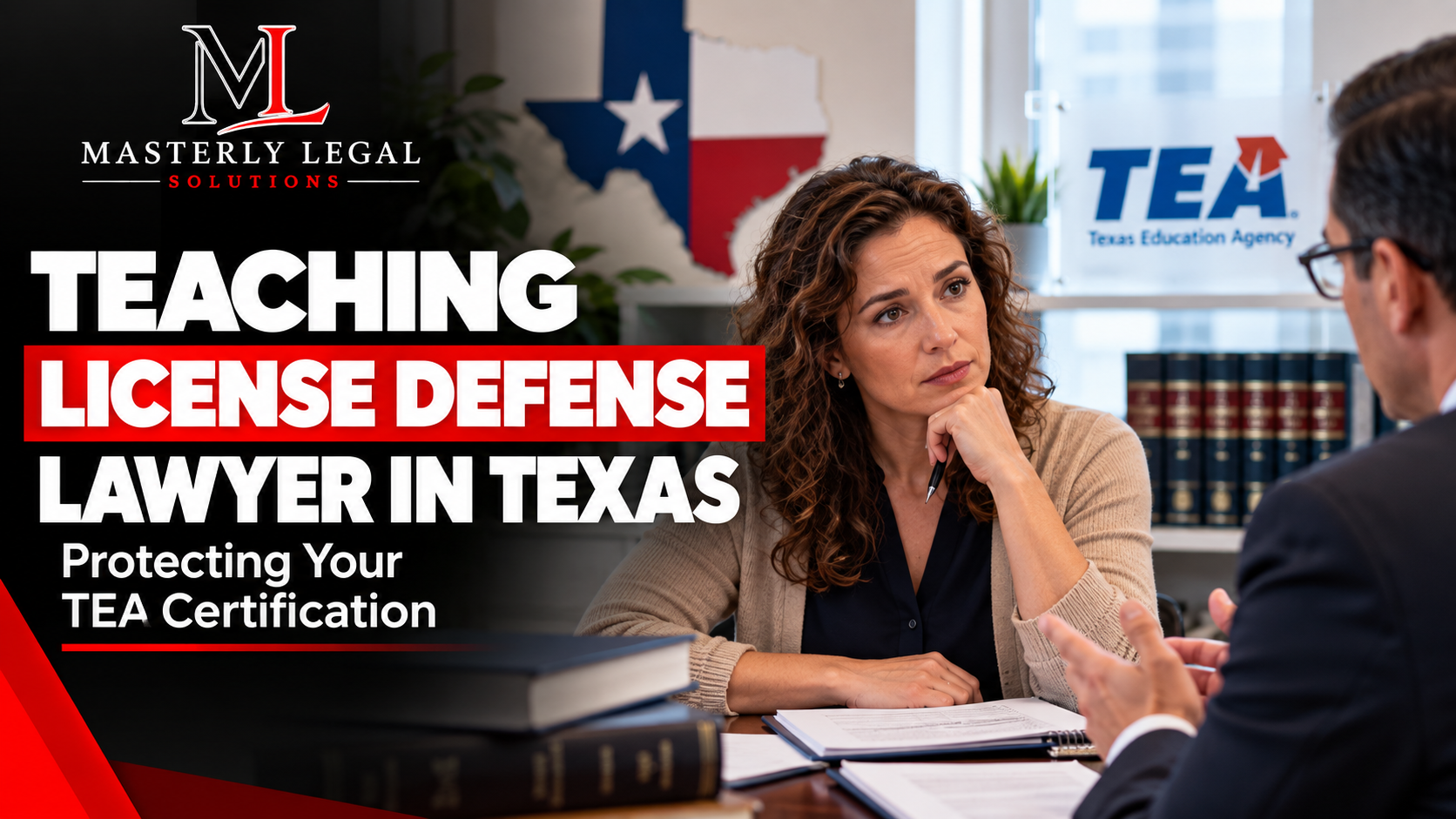
A TEA license is a credential issued by the Texas Education Agency, required for educators in public schools, charter schools, and other educational institutions throughout Texas. This certification ensures that teachers meet state law standards for teaching and have the qualifications needed to contribute to the education system.
Top Reasons Educators Lose Their TEA License
1. Violation of Professional Ethics
Teachers are expected to uphold high ethical standards. Violations such as falsifying documents, misusing school funds, or engaging in fraudulent activities can result in license revocation.
- Common violations:
- Altering student grades.
- Misreporting attendance.
- Financial misconduct within the school system.
How to Avoid:
- Maintain transparency in all professional dealings.
- Document actions and decisions to protect against potential misunderstandings.
2. Misconduct with Students or School Employees
Misconduct, including inappropriate relationships, harassment, or bullying of students or other school employees, can lead to disciplinary action and the loss of licensure.
- This includes violations under Title IX and allegations of sexual harassment.
- Such actions undermine the trust foundational to public education.
How to Avoid:
- Adhere to professional boundaries.
- Report any allegations to school administrators or education attorneys immediately.
3. Failure to Adhere to State and Federal Laws
Educators must comply with laws such as the Texas Open Meetings Act and federal regulations like Title IX. Failing to follow these can lead to administrative proceedings, disciplinary hearings, or even criminal charges.
How to Avoid:
- Stay informed on state law and federal regulations affecting educational institutions.
- Consult education lawyers when unclear about specific requirements.
4. Neglecting Mandatory Reporting Obligations
Educators are mandatory reporters of suspected child abuse or neglect. Failing to report or improperly reporting can result in severe legal consequences, including the loss of a TEA license.
How to Avoid:
- Understand the process for reporting in your school district.
- Ensure all reports are timely and accurate.
5. Academic Fraud or Negligence
Cases of academic fraud, such as assisting students in cheating, or negligence, such as failing to follow Individualized Education Programs (IEPs) for special education students, can lead to grievance hearings and administrative proceedings.
How to Avoid:
- Follow all academic and ethical protocols.
- Maintain thorough documentation, especially in special education cases.
6. Misuse of Social Media
Social media misuse, including sharing inappropriate content or engaging in online disputes with students, parents, or other educators, has increasingly become a reason for disciplinary action.
How to Avoid:
- Maintain a professional presence online.
- Avoid posting anything that could harm your reputation or that of your school.
7. Mismanagement of Classroom Behavior
A failure to effectively manage classroom behavior, leading to unsafe or disruptive environments, can result in complaints from parents or students, potentially escalating into administrative hearings.
How to Avoid:
- Regularly update your classroom management strategies.
- Attend training sessions offered by the education office or school administrators.
8. Substance Abuse or Criminal Convictions
Substance abuse or criminal activities, even outside the school environment, can disqualify an educator from holding a TEA license.
How to Avoid:
- Seek help if struggling with addiction.
- Avoid situations that could lead to criminal charges.
9. Retaliation Against Whistleblowers or Complainants
Educators who retaliate against students, other school employees, or administrators for reporting issues may face disciplinary hearings and loss of licensure.
How to Avoid:
- Foster a collaborative and open school environment.
- Address concerns through proper channels.

How Education Attorneys Can Help
When facing accusations or disciplinary actions, educators need experienced legal representation to navigate administrative hearings and protect their licenses.
Education attorneys provide the following:
- Defense in disciplinary hearings and due process hearings.
- Representation in cases involving civil rights or special education.
- Guidance through administrative matters involving the state board or the Texas Education Agency.
Steps to Protect Your Career
- Stay Informed
- Regularly update your knowledge of education laws and policies.
- Attend training sessions provided by your district or charter schools.
2. Document Everything
- Keep records of decisions, meetings, and interactions with students and school employees.
3. Seek Legal Advice
- Consult education lawyers when facing legal matters.
- Partner with a law firm experienced in handling educational legal issues.
4. Adhere to Policies
- Follow the guidelines set by your school district, public school, or charter school.
Collaboration with School Attorneys and Protecting Your License
When facing allegations or legal challenges, educators often collaborate with school attorneys who specialize in handling cases related to teaching licensure and education law. Whether it involves representing students in disciplinary matters or addressing complaints from school boards, these legal professionals play a critical role in ensuring fair outcomes. For educators working in diverse settings, such as community colleges or K-12 institutions, it is essential to stay in good standing with both local and state regulations.
How to Avoid Issues:
- Understand the scope of your responsibilities within the school system.
- Seek legal counsel to address potential violations in practice areas such as special education, Title IX compliance, or cases involving the child left behind by policy failures.
- Proactively communicate with administrators and school boards to resolve conflicts before they escalate.
By leveraging the expertise of school attorneys and staying informed, educators can protect their licenses and maintain professional integrity.
Contact Masterly Legal Solutions
If you’re an educator facing legal challenges or seeking to protect your TEA license, Masterly Legal Solutions can help. Our education law attorneys have extensive experience representing educators in Texas. We understand the complexities of administrative matters, grievance hearings, and legal issues affecting teachers, administrators, and other school employees.
Call us at (972) 236-5051 for a free consultation. Let our team provide the guidance you need to navigate these challenging situations.
Disclaimer: This article is for educational purposes only and does not constitute legal advice. For specific legal guidance, contact an education attorney.


Looking for Legal & Business Solutions? Contact Us Now
Fill in the form or call us to set up a meeting





