

How CPS Handles Substance Abuse Allegations and What Parents Should Do
The Fear That Comes With a CPS Investigation
Few things are more frightening for a parent than learning that Child Protective Services is investigating allegations involving substance abuse. Many parents immediately worry that they could lose custody of their children, face criminal charges, or become trapped in a complicated legal process they do not fully understand. The uncertainty alone can create enormous stress for an entire family.
Substance abuse allegations are among the most common reasons Child Protective Services CPS opens an investigation. These allegations may involve claims of drug use, alcohol abuse, impaired supervision, unsafe living conditions, or concerns about a child's safety. Sometimes the allegations are based on credible evidence. In other situations, they may stem from misunderstandings, family disputes, custody conflicts, or inaccurate reports.
Regardless of whether the allegations are true, every parent should understand how the CPS investigation process works. Knowing what to expect can help reduce confusion and allow parents to make informed decisions that protect both their children and their parental rights.
A CPS investigation involving substance abuse should never be ignored. The actions taken during the early stages of a case can significantly affect the outcome. Parents who understand the process are often in a stronger position to protect their family and address concerns effectively.
Understanding Child Protective Services
Child Protective Services is a division of the Texas Department responsible for investigating reports involving suspected child abuse or neglect. The agency's mission is to protect children while also attempting to support families whenever possible.
Child Protective Services CPS receives thousands of reports each year involving allegations that children may be living in unsafe conditions. When a report suggests a child could be at risk due to substance abuse, investigators may be assigned to review the situation.
The agency has authority to conduct interviews, review records, gather evidence, and evaluate whether intervention is necessary. Depending on the circumstances, the investigation may remain administrative or may overlap with criminal investigations.
While CPS has broad authority, parents still retain important legal rights throughout the process.
Why Substance Abuse Allegations Trigger CPS Involvement
Substance abuse concerns often attract attention because they may affect a parent's ability to provide safe and consistent care.
Investigators may become concerned when allegations suggest:
- Impaired supervision
- Exposure to illegal substances
- Unsafe living conditions
- Neglect of basic needs
- Physical danger to a child
- Drug-related criminal activity
- Domestic instability
The central issue is not always whether a parent uses alcohol or drugs. Instead, CPS focuses on whether the alleged conduct creates risks that could affect the child's safety.
Every investigation centers on evaluating those potential risks.
How CPS Receives Reports
A CPS case usually begins when CPS receives a report from someone who believes a child may be at risk.
Reports may come from:
- Teachers
- Doctors
- Nurses
- Family members
- Neighbors
- School personnel
- Social services workers
- Law enforcement officers
In Texas, certain professionals are required by law to report suspected child abuse or neglect.
Once CPS receives a report, agency personnel evaluate the information to determine whether an investigation is warranted.
What Happens After a Report Is Made
After reviewing the initial information, CPS investigates reports that appear to involve potential safety concerns.
The agency assigns a CPS caseworker to gather relevant information and assess whether immediate action is necessary. Depending on the allegations, the investigator may contact parents quickly after the report is received.
For many families, this first contact is overwhelming. Parents often feel shocked, angry, embarrassed, or confused about why the agency became involved.
Remaining calm and informed can help prevent unnecessary complications during the investigation.
Understanding the CPS Investigation Process
The CPS investigation process is designed to determine whether abuse or neglect may have occurred and whether children remain safe.
The investigation typically involves multiple steps, including interviews, home visits, evidence collection, and risk assessments. Investigators may also communicate with schools, healthcare providers, family members, and other individuals who have relevant information.
The process may feel intrusive, but understanding its purpose can help parents respond appropriately.
Cooperation combined with informed decision-making is often important during this stage.
What a CPS Caseworker Is Looking For
A CPS caseworker is trained to evaluate child safety concerns objectively.
When substance abuse allegations arise, investigators often focus on:
- The child's physical safety
- Parenting ability
- Household stability
- Supervision practices
- Evidence of drug or alcohol use
- Living conditions
- Family support systems
The goal is not necessarily to punish parents. Instead, investigators seek to determine whether children face risks that require intervention.
The findings often depend on the totality of circumstances rather than a single issue.
Child's Safety Remains the Primary Concern
Every CPS investigation revolves around protecting the child's safety.
Investigators assess whether substance abuse may impair judgment, create unsafe conditions, or increase the likelihood of harm. They examine how alleged substance use affects daily parenting responsibilities.
The agency's primary responsibility is to protect children from potential danger.
Understanding this focus can help parents better understand why certain questions are asked and why particular information is requested.
Substance Abuse Does Not Automatically Mean Child Abuse
One common misconception is that substance abuse allegations automatically result in findings of child abuse.
In reality, CPS must evaluate whether a child's safety has actually been compromised. The mere existence of substance use does not necessarily establish abuse or neglect.
Investigators typically look for evidence showing that the conduct affected parenting, supervision, or the child's well-being.
This distinction is important because every case is evaluated based on specific facts.
Child Abuse or Neglect Allegations and Substance Abuse
Substance abuse allegations often overlap with claims involving child abuse or neglect.
Investigators may examine whether a parent's behavior resulted in:
- Inadequate supervision
- Failure to provide basic needs
- Unsafe living conditions
- Exposure to dangerous individuals
- Physical harm
- Emotional harm
The agency seeks to determine whether neglect occurred and whether future risks exist.
Evidence becomes a critical component of this evaluation.
How Evidence Influences CPS Cases
Evidence plays a major role in determining outcomes.
A CPS investigation may involve:
- Medical records
- School records
- Drug test results
- Witness statements
- Police reports
- Photographs
- Home inspections
The strength and reliability of evidence often affect CPS findings.
Parents should understand that statements, documents, and actions taken during the investigation may become part of the official record.
The Importance of Providing Relevant Information
Providing relevant information can help investigators understand the complete situation.
Parents often assume investigators only want evidence supporting allegations. In reality, information that explains circumstances, demonstrates stability, or clarifies misunderstandings may also be important.
Relevant information may include treatment records, employment records, housing information, and documentation showing active parenting involvement.
The goal is to present an accurate picture of the family's circumstances.
When School Personnel Become Involved
School personnel are frequently contacted during CPS investigations.
Teachers, counselors, administrators, and school staff may provide information regarding attendance, behavior, academic performance, and interactions with parents.
Because children spend significant time at school, educators may possess information investigators consider valuable.
School records sometimes become important pieces of evidence during a CPS investigation.
Parents should understand that schools may be required to cooperate with lawful requests.
Home Visits and Safety Assessments
Home visits are a common part of the investigation process.
Investigators often evaluate living conditions to determine whether children have access to a safe environment. They may observe sleeping arrangements, cleanliness, food availability, and overall household conditions.
The purpose is not to inspect for perfection. Rather, CPS seeks to determine whether basic safety standards are being met.
A home visit can significantly influence an investigator's assessment.
Physical Conditions Within the Home
The physical environment of the home may receive considerable attention.
Investigators often examine whether hazards exist that could place children at risk. Concerns may include exposed drugs, dangerous materials, unsanitary conditions, or inadequate supervision.
Physical evidence observed during a home visit may become part of the investigative record.
Addressing obvious safety concerns promptly can be beneficial.
Family Members May Be Interviewed
Family members frequently participate in the investigation process.
Relatives may provide insight regarding parenting practices, household dynamics, and support systems available to the family.
These interviews help investigators better understand the overall situation and evaluate claims being made.
Strong family support can sometimes positively influence the agency's assessment.
The information provided by family members often becomes an important part of the case file.
Why Parents Should Take Every Allegation Seriously
Even when allegations appear exaggerated or completely false, parents should take them seriously.
Dismissing concerns or refusing to participate may create additional complications. Investigators are required to evaluate allegations regardless of whether parents believe the report lacks merit.
Responding thoughtfully and professionally often places families in a stronger position.
The goal should be addressing concerns while protecting parental rights and family interests.
Understanding CPS Findings
At the conclusion of the investigation, CPS findings are typically issued.
The agency evaluates evidence gathered during the investigation and determines whether allegations are supported, unsupported, or require additional action.
These findings may influence future decisions involving services, monitoring, custody matters, and court proceedings.
Parents should understand the significance of these findings and how they may affect future interactions with the agency.
The outcome of the investigation can have long-term consequences.
What Happens When CPS Believes Services Are Needed
In some cases, CPS may determine that children can remain safely with their parents if additional support services are provided.
Recommendations may include:
- Substance abuse treatment
- Counseling
- Parenting education
- Family support programs
- Community services
The objective is often to address concerns while keeping families together whenever possible.
Participation may influence how the agency views future risk factors.
Service Plans and What They Mean for Parents
When CPS determines that concerns exist but removal is not immediately necessary, a service plan may be offered. A service plan outlines specific actions parents are expected to complete in order to address safety concerns and demonstrate progress. These plans are often tailored to the circumstances of the case and may focus heavily on substance abuse treatment, parenting education, or counseling.
Parents should carefully review any service plan before agreeing to its terms. Understanding expectations, deadlines, and potential consequences can help avoid misunderstandings later. In many cases, successful completion of a service plan can improve the family's position and demonstrate a commitment to positive change.
While service plans may feel overwhelming, they often provide a pathway toward resolving concerns and moving the case toward closure.
Substance Abuse Evaluations and Assessments
One of the most common recommendations in substance abuse cases is a professional evaluation. CPS may request that a parent participate in an assessment designed to determine whether substance use is affecting parenting ability or household safety.
The evaluation process often involves interviews, questionnaires, and reviews of personal history. Evaluators may examine treatment history, family relationships, employment status, and overall functioning.
Parents should understand that these assessments can significantly influence recommendations made during the case. Being honest and cooperative during the evaluation process is often important.
The results may affect service recommendations, monitoring requirements, and future court decisions.
Drug Testing During a CPS Investigation
Drug testing is frequently used when substance abuse allegations are involved.
CPS may request testing when there are concerns regarding current drug use or impairment. Testing methods may include urine, hair follicle, blood, or saliva screenings depending on the circumstances.
Parents often have questions regarding whether testing is voluntary, how results are interpreted, and what impact the results may have on the case.
Understanding the purpose and potential consequences of testing can help families make informed decisions.
When Positive Drug Tests Affect the Case
A positive drug test does not automatically mean children will be removed from the home. However, positive results often trigger additional scrutiny and may lead investigators to examine other risk factors more closely.
The agency may evaluate the type of substance involved, frequency of use, parenting responsibilities, and any evidence suggesting the child was exposed to danger.
Context matters significantly in these situations. Investigators generally focus on whether the substance use creates a risk to the child rather than relying solely on test results.
Parents should understand that positive tests often become only one part of a much larger investigation.
Child Custody Concerns During a CPS Investigation
Many parents become concerned about how a CPS investigation may affect child custody arrangements.
Substance abuse allegations can influence custody disputes, especially when courts are evaluating the best interests of the child. Existing custody orders may come under review if significant safety concerns are identified.
The court system often considers CPS findings, witness testimony, and evidence when making custody decisions.
Parents involved in custody disputes should understand that CPS investigations may affect both current and future custody arrangements, making it especially important to have essential legal documents for families in place.
The Best Interests Standard
Throughout the CPS process, decision-makers focus heavily on what they believe serves the best interests of the child.
This standard influences recommendations, court orders, placement decisions, and service requirements. Investigators and judges evaluate numerous factors when determining what arrangements best support a child's safety and well-being.
The best interests analysis often includes consideration of family stability, emotional support, educational needs, and physical safety.
Understanding this guiding principle can help parents better understand why certain decisions are made.
Child Support and CPS Cases
Although child support issues are generally separate from CPS investigations, the two may occasionally overlap.
If custody arrangements change temporarily or permanently, child support obligations may be affected. Court proceedings involving CPS sometimes create situations where financial responsibilities require review.
Parents should understand that child support questions may arise when placement decisions or custody arrangements change.
Addressing these issues proactively can help reduce confusion and future disputes.
Foster Care as a Temporary Solution
When CPS believes children cannot safely remain in their current environment, foster care may become a temporary placement option.
Foster care is generally intended to provide safety while families work toward resolving identified concerns. The goal in many cases is eventual reunification whenever appropriate.
The experience can be emotionally difficult for both parents and children. However, understanding the purpose of foster care can help families focus on the steps necessary for reunification.
Many parents successfully complete services and regain custody of their children.
Court Hearings and Judicial Review
Court hearings often become necessary when significant interventions are requested.
Judges review evidence, hear testimony, and evaluate recommendations from Child Protective Services. Court hearings provide an opportunity for concerns, objections, and supporting information to be presented.
The court hearing process can feel intimidating, especially for parents who have never participated in legal proceedings before.
Preparation and understanding of the issues involved can help reduce anxiety and improve outcomes.
Administrative Hearings and Appeals
Certain CPS findings may be subject to administrative hearings or review processes.
Administrative hearings provide individuals with an opportunity to challenge findings, present evidence, and address concerns regarding the investigation. These proceedings often involve detailed reviews of records and testimony.
Understanding available appeal options can be important when findings may affect employment, licensing, or reputation.
Timely action is often necessary because deadlines may apply.
Understanding the Court System
The court system can appear complicated, particularly for families already dealing with emotional stress.
Different hearings may address different issues, including temporary orders, service plans, placement arrangements, and final resolutions. Each stage serves a specific purpose within the overall legal process.
Learning about the structure of the court system can help families prepare for what lies ahead.
Knowledge often reduces uncertainty and helps parents make informed decisions.
Court Orders Must Be Taken Seriously
When a judge issues a court order, compliance becomes extremely important.
Court orders may require participation in treatment programs, counseling, drug testing, parenting classes, or other services. Failure to comply can negatively affect the case and may result in additional legal consequences.
Parents should carefully review any court order and seek clarification when questions arise.
Understanding expectations is essential for successful compliance.
When Criminal Charges Are Possible
In certain situations, substance abuse allegations may lead to criminal charges.
This is more likely when allegations involve illegal drugs, child endangerment, domestic violence, or other criminal conduct. A criminal case may proceed separately from the CPS investigation.
When criminal charges are possible, the stakes increase significantly. Decisions made during one proceeding may affect the other.
Understanding the relationship between civil and criminal matters is important for protecting legal interests.
Abuse Allegations and Criminal Investigations
Allegations of abuse sometimes trigger criminal investigations alongside CPS involvement.
Law enforcement agencies may gather evidence, interview witnesses, and review information related to the allegations. Criminal investigations focus on whether criminal laws were violated, while CPS focuses on child safety concerns.
Although these investigations serve different purposes, they often involve overlapping evidence and testimony.
Families should understand that cooperation decisions may carry significant implications.
Protecting Parental Rights Throughout the Process
Parental rights remain important throughout a CPS investigation.
Parents have the right to be informed about allegations, participate in proceedings, and seek legal guidance. Understanding these rights helps families make informed decisions during a stressful period.
The exercise of parental rights should be balanced with cooperation and compliance where appropriate.
Families who understand their rights are often better positioned to protect their interests.
Why Legal Assistance Can Be Valuable
Substance abuse allegations often involve complicated legal processes.
Legal assistance can help parents understand procedures, evaluate options, and respond appropriately to requests made by investigators or courts. An attorney may also help identify potential risks and develop strategies for addressing them.
Every case presents unique circumstances. Having access to reliable information can make a significant difference.
Early guidance often helps families avoid common mistakes.
The Role of a CPS Attorney
A CPS attorney focuses on matters involving Child Protective Services investigations and related court proceedings.
The attorney may review evidence, explain legal obligations, prepare clients for hearings, and address concerns involving parental rights. Their role often includes helping parents understand how decisions made during the case may affect future outcomes.
Having a CPS attorney does not mean a parent has done something wrong. It simply means they want to understand and protect their rights.
Preparation and knowledge are often powerful tools during a CPS investigation.
Why CPS Defense Attorneys Are Often Consulted
Many families choose to consult CPS defense attorneys when allegations involve substance abuse.
These cases can affect child custody, parental rights, employment opportunities, and personal reputation. CPS defense attorneys help explain the legal processes involved and identify strategies for addressing concerns.
Because every case is unique, individualized guidance can be valuable. Understanding available options often helps reduce anxiety and uncertainty.
Seeking information early may improve a family's ability to respond effectively.
Working With a Lawyer During a CPS Investigation
A lawyer can help explain complicated legal issues in a way that is easier to understand.
Parents often have questions regarding interviews, evidence, hearings, service plans, and court orders. A lawyer may help explain these matters and ensure that clients remain informed throughout the process.
The goal is often to help parents make sound decisions while protecting their family interests.
Clear communication and preparation can make a significant difference during an investigation.
Keeping Communication Professional During the Investigation
One of the most important things parents can do during a CPS investigation is maintain professional communication. It is natural to feel frustrated, angry, or defensive when allegations involve your children. However, emotional reactions can sometimes complicate an already difficult situation.
Parents should communicate respectfully with CPS caseworkers, attorneys, school personnel, and others involved in the process. Professional communication does not mean agreeing with every allegation. It means responding thoughtfully and avoiding actions that could be interpreted negatively.
Remaining calm often helps parents focus on the facts rather than emotions. This approach can contribute to more productive interactions throughout the investigation.
Avoiding Common Mistakes During a CPS Investigation
Many parents unintentionally make mistakes that can create additional challenges.
Common errors include:
- Ignoring requests for information
- Missing scheduled meetings
- Failing to complete services
- Arguing with investigators
- Posting about the case on social media
- Withholding important evidence
- Missing court dates
These actions may create the appearance of noncooperation even when that was not the parent's intention.
Being informed and organized can help families avoid unnecessary complications.
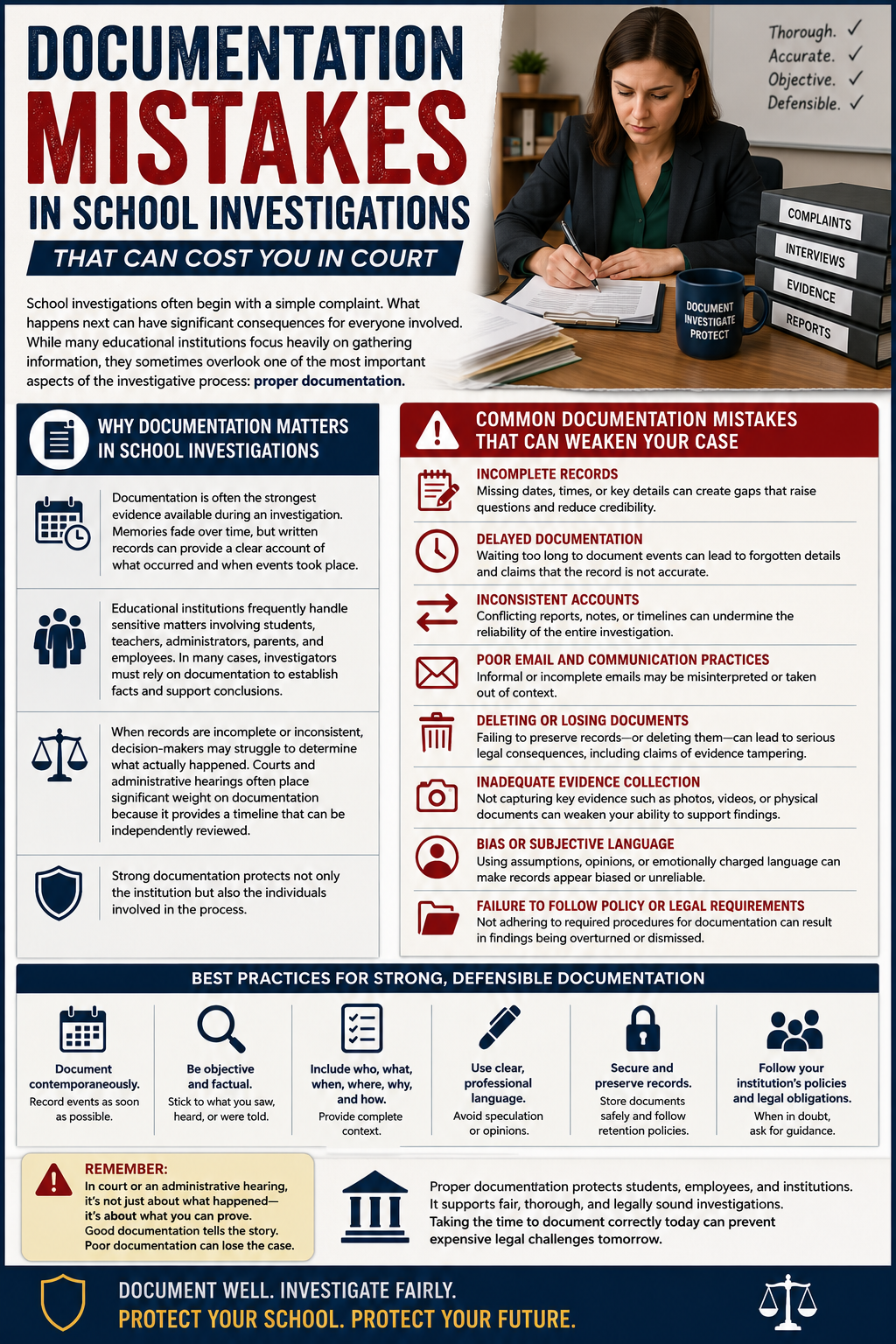
Why Documentation Matters
Documentation can become one of a parent's most valuable tools during a CPS case.
Keeping records of communications, appointments, evaluations, recommendations, and court documents helps ensure important information is not lost. Documentation can also help clarify misunderstandings and support factual explanations.
Parents should consider maintaining a file that includes:
- Written communications
- Service records
- Treatment records
- School records
- Court documents
- Notices received
Good recordkeeping often helps families stay informed and prepared.
The Importance of Staying Informed
The CPS process can feel confusing, especially for parents who have never experienced it before.
Remaining informed allows parents to better understand what is happening and why certain decisions are being made. Asking questions, reviewing documents carefully, and seeking clarification when necessary can help reduce confusion.
Parents who stay informed are often better positioned to make decisions that support their family's goals.
Knowledge frequently becomes one of the most effective ways to reduce uncertainty.
How Social Services May Support Families
Many social services programs are designed to help families address challenges before they become larger problems.
Substance abuse treatment programs, counseling services, parenting education, and community support programs may all be available depending on the circumstances. These services often focus on strengthening families and improving child safety.
Participation in appropriate programs can demonstrate a willingness to address concerns proactively.
In many cases, social services become part of a larger strategy for maintaining family stability.
Support Systems Can Make a Difference
Strong support systems often play a significant role during difficult times.
Family members, trusted friends, counselors, mentors, and community organizations may provide practical and emotional assistance. Having reliable support can help parents manage stress while focusing on the needs of their children.
Investigators frequently consider whether parents have access to positive support networks.
A strong support system can help demonstrate stability and commitment to family well-being.
Dealing With False Allegations
Not every CPS investigation involves valid concerns.
Sometimes allegations arise because of misunderstandings, custody disputes, family conflicts, or inaccurate information. Even when allegations are false, they must typically be investigated before the agency can reach a conclusion, and consulting a false accusation attorney for legal defense can help parents protect their rights and reputations.
Parents facing false allegations should focus on providing accurate information and supporting documentation.
Remaining patient throughout the process can be difficult, but factual evidence often plays an important role in resolving misunderstandings.
When Family Members Disagree About the Investigation
Family members do not always agree about how to handle a CPS investigation.
Some relatives may encourage cooperation, while others may suggest resisting involvement entirely. Differing opinions can create tension during an already stressful period.
Parents should focus on obtaining accurate information and making decisions based on the specific facts of their case.
Thoughtful decision-making is often more effective than reacting emotionally to outside opinions.
Understanding How CPS Cases Are Closed
Not every CPS investigation results in ongoing intervention.
Many CPS cases are closed after investigators determine that allegations are unsupported or that concerns have been adequately addressed. Closure decisions are generally based on evidence gathered throughout the investigation, and organizations sometimes rely on outside legal counsel for internal investigations when related workplace or institutional issues arise.
Parents should carefully review any findings issued by the agency and maintain copies of relevant records.
Understanding the outcome can help families prepare for the future and address any remaining concerns.
Most Cases Do Not End With Removal
Many parents assume that CPS involvement automatically leads to removal of children from the home.
In reality, most cases focus on evaluating concerns, gathering information, and identifying ways to support families safely. Removal generally occurs only when investigators believe significant risks exist and less restrictive alternatives are not sufficient.
Understanding this reality can help reduce some of the fear associated with the investigation.
The agency's goal is often to protect children while preserving family relationships whenever safely possible.
Protecting Your Kids During the Process
Children often experience stress during CPS investigations as well.
Parents should focus on maintaining routines, providing emotional support, and avoiding unnecessary discussions that may increase anxiety. Children benefit from stability, reassurance, and age-appropriate explanations.
Protecting kids emotionally is just as important as addressing the legal and procedural aspects of the case.
Families that prioritize children's well-being often navigate the process more effectively.
Why Early Action Is Important
Waiting too long to address concerns can sometimes make situations more difficult.
When substance abuse allegations arise, early action may help demonstrate responsibility and commitment to improvement. Seeking evaluations, participating in recommended services, and gathering documentation can help parents respond proactively.
Every situation is unique, but taking appropriate action early often provides more options than waiting until problems escalate.
Preparation frequently improves outcomes.
The Importance of Consulting Professionals
Parents facing CPS involvement should not feel they must navigate the process alone.
Consulting professionals who understand CPS investigations can provide valuable insight into legal processes, service requirements, and potential outcomes. Reliable information often helps families make more informed decisions.
Whether concerns involve substance abuse allegations, child custody issues, court proceedings, or related workplace or organizational questions, using outside counsel for internal probes and other legal matters can help clarify options.
Seeking assistance is often a sign of responsibility rather than weakness.
What Parents Should Expect Moving Forward
Every CPS investigation follows its own path.
Some cases resolve quickly with little intervention, while others involve services, hearings, and ongoing monitoring. Parents should expect the process to require patience, cooperation, and attention to detail.
Remaining focused on the child's safety and family stability often helps guide decision-making throughout the investigation.
Preparation and understanding can make a significant difference.
Protecting Your Family and Your Future
A CPS investigation involving substance abuse allegations can feel overwhelming, especially when children, parental rights, and family stability are at stake. The uncertainty surrounding the process often creates fear, frustration, and countless questions about what comes next.
While every case is different, understanding how Child Protective Services handles allegations can help parents approach the situation with greater confidence. From interviews and home visits to service plans and court hearings, every stage of the process presents opportunities to demonstrate responsibility, cooperation, and commitment to a child's well-being.
The decisions made during a CPS investigation may affect not only current circumstances but also future custody arrangements, professional opportunities, and family relationships. Staying informed, preserving documentation, seeking appropriate support, and addressing concerns proactively can help protect both your family and your future.
How a Law Firm Can Help During a CPS Investigation
A CPS investigation can create significant uncertainty for parents who are trying to protect both their children and their future. A law firm that handles CPS matters can help families understand the investigation process, review evidence, and identify potential legal concerns before they become larger problems. Many parents feel overwhelmed when dealing with allegations involving substance abuse, neglect, or child safety issues. Having experienced professionals available to explain procedures and answer questions can provide valuable peace of mind during a difficult time. Early guidance often helps families make more informed decisions throughout the case, and some families also look to estate planning services in Houston to protect assets and long-term security.
When Family Law and CPS Cases Overlap
Many CPS investigations eventually involve issues that fall under family law. Questions regarding child custody, visitation, parental rights, and family responsibilities often arise when Child Protective Services becomes involved. While CPS focuses on protecting children, family law proceedings may determine long-term arrangements affecting the family. Decisions made during a CPS investigation can sometimes influence future custody disputes or parenting plans. Understanding the connection between these legal matters helps parents better prepare for potential outcomes, including coordinating with Dallas estate planning attorneys to safeguard family interests.
Responding to Alleged Abuse Allegations
When allegations of alleged abuse are made, parents often experience fear, frustration, and confusion. It is important to remember that allegations alone do not establish wrongdoing. CPS investigators are responsible for gathering evidence and evaluating the facts before reaching conclusions. Parents should focus on providing accurate information, maintaining documentation, and cooperating appropriately throughout the investigation. A calm and informed response often places families in a stronger position while the agency reviews the circumstances.
Why Many Families Contact Law Offices Early
Many families choose to contact law offices shortly after learning that a CPS investigation has been opened. Early action often allows parents to better understand their rights, obligations, and potential risks before important decisions are made. Law offices familiar with CPS matters can help explain procedures, review documents, and prepare families for interviews or hearings. Seeking information early does not mean a parent is admitting fault. It simply means they are taking steps to understand the process and protect their interests.
Understanding How Texas Law Applies to CPS Cases
Texas law establishes the rules and procedures that govern CPS investigations throughout the state. These laws define how allegations are investigated, when children may be removed from a home, and what legal protections are available to parents. Investigators, courts, and Child Protective Services personnel must follow Texas law when making decisions that affect families. Understanding the legal framework behind a CPS investigation can help reduce confusion and provide greater clarity about the process. Knowledge of these laws often helps parents navigate the situation more effectively and may influence related planning, such as working with Texas estate planning lawyers on wills and trusts.
Meeting CPS Requirements During an Investigation
Families involved in a CPS investigation may be asked to comply with various CPS requirements. These requirements can include participating in interviews, attending evaluations, completing service plans, or providing requested documentation. Understanding what is being requested and why it matters is important for avoiding misunderstandings. Failure to meet CPS requirements can sometimes affect how the agency views a case. Staying organized and responding appropriately can help parents demonstrate cooperation while protecting their rights, while parallel steps like using mobile estate planning services across Texas can support broader family stability.
The Importance of a Written Request
In some situations, parents may choose to submit a written request for records, documentation, or clarification regarding certain aspects of their case. A written request can create a clear record of communication and help ensure important information is documented properly. Maintaining written records often reduces confusion and provides greater transparency throughout the investigation process. Families should keep copies of any correspondence submitted to Child Protective Services or other agencies. Good documentation practices can be beneficial if questions arise later, and similar organization is helpful when working with Frisco estate planning attorneys on tailored wills and directives.
What Happens During an Office Meeting With CPS
Many parents are asked to attend an office meeting as part of the CPS investigation process. These meetings may involve discussions regarding allegations, safety concerns, service recommendations, or next steps in the investigation. While attending an office meeting can feel intimidating, preparation often helps reduce anxiety. Parents should listen carefully, ask questions when necessary, and take notes regarding important information discussed. Understanding the purpose of the meeting can help families participate more confidently and coordinate these steps with broader planning, such as engaging Dallas–Fort Worth trust and estate planning services.
Why Professional Representation Can Be Valuable
Professional representation can be beneficial when a CPS investigation becomes complex or when serious allegations are involved. Representation may help parents better understand legal procedures, evaluate evidence, and prepare for hearings or agency meetings. Every case is different, and the level of assistance needed may vary depending on the circumstances. Having someone explain the process and identify potential concerns can often reduce uncertainty. In many situations, representation provides an additional layer of support during a stressful time.
Knowing When It Is Time to Fight for Your Rights
There are moments during a CPS investigation when parents may need to fight for their rights and protect their family's future. Fighting for your rights does not mean becoming confrontational or uncooperative. Instead, it means understanding the process, staying informed, preserving evidence, and taking appropriate steps to ensure your voice is heard. Parents who are prepared and knowledgeable are often better equipped to address challenges that arise. A thoughtful and informed approach can make a meaningful difference when important family interests are at stake.
Contact Masterly Legal Solutions for a Free Consultation
If you are dealing with substance abuse allegations, a CPS investigation, concerns involving child protective services, child custody disputes, or questions regarding parental rights, obtaining reliable information early can make an important difference.
At Masterly Legal Solutions, we understand how stressful CPS cases can be for parents and families. Allegations involving abuse or neglect, court hearings, service plans, and child safety concerns often create uncertainty that affects every aspect of family life. Our team is committed to helping clients better understand the CPS process, available options, and the steps they can take to protect their interests.
Whether you are considering speaking with CPS defense attorneys, seeking legal assistance, evaluating evidence, responding to a complaint, or preparing for hearings, we encourage you to reach out. Every family deserves access to information that helps them make informed decisions during difficult times.
Contact Masterly Legal Solutions today at (972) 236-5051 to book a free consultation. We are available to answer your questions, explain the process, and help you better understand the options available to you and your family.
Disclaimer: This article is provided for educational and informational purposes only. It does not constitute legal advice and should not be relied upon as legal guidance. Every CPS investigation is unique, and outcomes depend on the specific facts and circumstances involved. If you are facing allegations involving child abuse, neglect, child custody disputes, court proceedings, or other legal matters, you should consult with a qualified attorney regarding your specific situation.








Looking for Legal & Business Solutions? Contact Us Now
Fill in the form or call us to set up a meeting





