NIL Law for Schools: Improve the Existing Legal Risk Guide
A student-athlete signs an endorsement agreement without notifying the school. A coach is accused of helping arrange a sponsorship. A superintendent receives a complaint about possible athletic eligibility violations. These situations can raise serious questions about NIL law and a school's legal responsibilities.
For teachers, coaches, administrators, and superintendents, name, image, and likeness disputes can affect more than athletic participation. They may lead to school investigations, employment concerns, parent complaints, and damage to an institution's reputation.
The challenge is knowing which rules apply, whether a violation occurred, and how to respond without creating additional legal risks.
Masterly Legal Solutions provides education-law and sports-law counsel for educators, school districts, and institutions facing complex legal matters. When NIL concerns threaten athletic eligibility, school operations, or a professional career, qualified legal guidance can support an informed and defensible response.
What NIL Law Means in an Education Setting
NIL refers to a person's name, image, and likeness. In athletics, it commonly involves the commercial use of an athlete's identity in endorsements, promotional appearances, advertising, and other business arrangements.
NIL law addresses the legal rights and restrictions connected to these activities. In an education setting, it also raises questions about student eligibility, school involvement, and institutional responsibility.
The rules are not identical across all schools. College athletics and high school athletics may operate under different legal and regulatory systems.
For high schools, applicable rules may limit commercial activities, restrict the use of school resources, or prohibit arrangements that interfere with amateur athletic status.
For example, a student may receive an offer to promote a local business. Whether the arrangement is permitted depends on the relevant state law, athletic association rules, and specific terms of the proposed agreement.
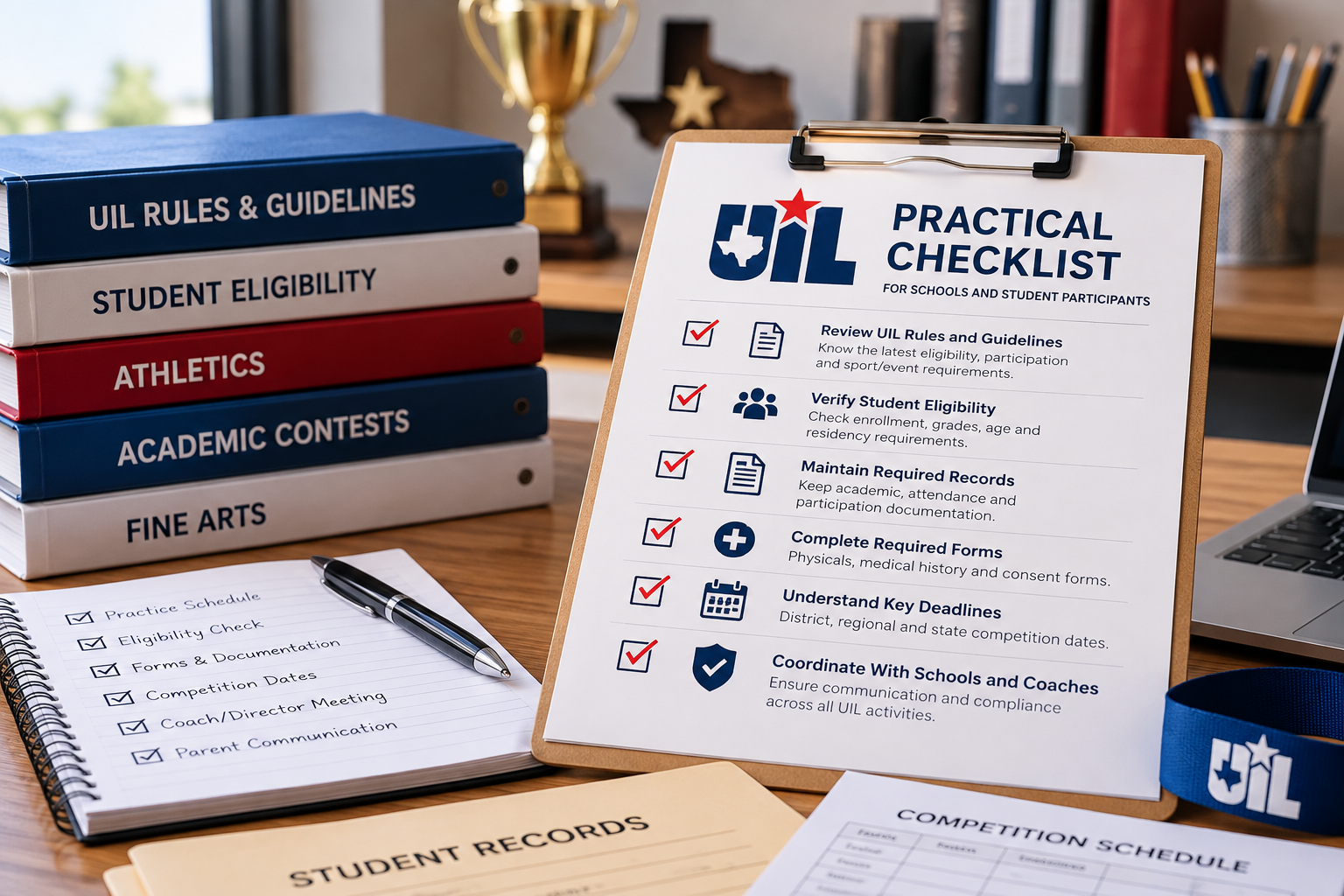
In Texas, the University Interscholastic League (UIL) maintains amateur athletic status requirements and NIL guidance for participating schools. Its guidance distinguishes certain prospective college-related agreements from other arrangements that may affect UIL eligibility.
These distinctions matter because a misunderstanding about name image and likeness law can result in eligibility concerns or allegations that school personnel failed to follow established requirements.
For educators and administrators, the issue is not simply whether a student can receive compensation. It is also whether school employees acted appropriately, whether institutional resources were involved, and whether required procedures were followed.
Masterly Legal Solutions helps clients evaluate these overlapping legal and professional concerns before they lead to more serious disputes.
Which Governing Sources May Apply to NIL Law?
Schools may be subject to several sources of legal and administrative authority when an NIL issue arises.
The relevant requirements depend on the student's location, school classification, athletic participation, and the activity involved.
State laws and athletic association rules. High school athletic associations establish participation standards that may include restrictions on endorsements, recruiting, and compensation. State legislation can also affect what schools and athletes are permitted to do.
School district policies. Local school boards and administrators may adopt policies addressing student activities, employee conduct, outside financial relationships, and the use of school property or branding.
UIL regulations. Texas schools participating in UIL athletics must consider applicable amateur athletic status requirements and published UIL guidance.
College athletic regulations. In matters involving prospective collegiate athletes, NCAA requirements and college-related agreements may also become relevant.
Contract and privacy laws. Agreements involving minors, promotional materials, student information, and institutional trademarks can raise additional legal questions.
These governing sources do not always address the same concerns.
A contract may appear acceptable from a commercial perspective while creating separate questions under athletic association rules. Likewise, an arrangement that is permitted in one state may be restricted in another.
The student athlete NIL law applicable to a particular situation requires a careful review of the relevant rules and facts.
For school administrators, incorrectly applying a college standard to a high school situation can create unnecessary exposure.
An education law attorney can identify the governing authorities, explain how they interact, and help the institution evaluate the legal consequences of a proposed or disputed arrangement.
Common Institutional Compliance Risks
NIL concerns can arise even when school personnel believe they are acting in a student's best interests.
A coach may share information about a sponsorship opportunity without realizing that the communication raises a compliance question. An administrator may approve promotional activity without understanding the restrictions on using school trademarks.
A parent may also assume that a commercial agreement is permitted because similar arrangements are common in college athletics.
These situations can create risks for both the student and the institution.
Common areas of concern include:
- Improper recruiting or inducements. Compensation or promised benefits connected to enrollment, transfer decisions, or athletic participation may violate applicable rules.
- Unauthorized school involvement. Coaches or administrators may face questions about helping arrange or promote outside agreements.
- Eligibility disputes. Certain NIL arrangements may affect a student's amateur athletic status or ability to compete.
- Conflicts of interest. Outside financial relationships may raise concerns about employee duties, impartiality, or the use of school resources.
- Branding and promotional disputes. Commercial use of school names, logos, uniforms, or facilities may create separate legal issues.
- Inconsistent policy enforcement. Different treatment of similar situations can lead to complaints and questions about fairness.
A school NIL compliance concern may also become an employment matter.
For example, a coach accused of arranging an improper endorsement could face an internal investigation. Depending on district policies and the facts, the matter might involve reassignment, disciplinary proceedings, or administrative leave.
A teacher or coach placed on administrative leave may face separate questions about employment rights, contractual obligations, and professional reputation.
Not every allegation establishes wrongdoing. However, an unclear response can create confusion about what happened and whether the school followed appropriate procedures.
Masterly Legal Solutions assists educators and institutions facing legal disputes, employment concerns, and internal investigations. The firm's legal counsel can help clients assess allegations, examine institutional responsibilities, and address the professional consequences of a disputed NIL matter.
Contracts, Disclosures, and Conflicts
NIL arrangements can involve several parties, including student-athletes, families, businesses, representatives, and educational institutions.
Each relationship may create different legal questions.
An endorsement agreement might involve compensation, promotional appearances, social media content, or the use of a student's likeness. It may also include conditions that conflict with athletic participation standards.
When minors are involved, questions about contractual authority and parental participation can become especially important.
Disclosure duties also vary depending on the governing rules. Some jurisdictions require athletes or families to report certain agreements to a school or athletic association. Other rules may impose different restrictions or procedures.
A school should not assume that a disclosure requirement applicable in another state automatically governs its own students.
Conflicts may arise when school employees have financial relationships with sponsors, help promote private businesses, or use institutional resources in connection with commercial activities.
For instance, an athletic director may discover that a coach has been communicating with a business offering benefits to student-athletes. The school may need to determine whether the communications were authorized and whether they created a conflict with the coach's professional responsibilities.
The matter becomes more serious when disputed contracts or communications lead to allegations of improper conduct.
Legal counsel can review the contractual language, applicable disclosure obligations, and institutional policies while helping the client assess potential exposure.
For educators, an independent legal evaluation may also help distinguish an alleged athletic rule violation from a separate personnel issue.
Document Review and Reporting Controls
Schools facing NIL questions often rely on records created before anyone anticipated a dispute.
Emails, promotional materials, student participation documents, and internal communications may become important evidence when an allegation is reviewed.
Relevant materials may include:
- Proposed and executed NIL agreements
- Student eligibility certifications and athletic participation records
- Communications involving coaches, sponsors, students, and families
- School policies governing endorsements and outside activities
- Applicable athletic association guidance
- Notices, disclosures, and reporting records
- Internal investigation documents and written findings
- Employment policies and correspondence involving affected staff
A professional school policy review can help identify whether existing procedures address the institution's actual legal responsibilities.
For superintendents and administrators, reporting controls can also affect how consistently the district handles allegations and documents decisions.
Careful records may help clarify whether an employee authorized an arrangement, whether the school was involved, or whether an agreement created an eligibility problem.
However, records involving students and employees must be handled appropriately. Confidentiality, student privacy, personnel protections, and applicable record-retention obligations may limit how information is collected or disclosed.
A legal review may be important when school officials receive competing accounts or must respond to an outside investigation.
Masterly Legal Solutions provides counsel for complex education-law matters, including internal investigations and professional disputes. Its services can help institutions evaluate relevant documents, address procedural concerns, and prepare for decisions that may affect students or employees.
When Schools Should Consult Qualified NIL Law Counsel
An NIL concern does not always require formal litigation. However, legal representation may become important when the consequences extend beyond a routine policy question.
A superintendent may need legal guidance after receiving a formal athletic association complaint. A school administrator may be concerned that an endorsement agreement violated student eligibility standards.
A teacher or coach may need independent representation when accused of misconduct connected to an outside sponsorship.
Consulting qualified counsel may be appropriate when:
- A student-athlete faces possible suspension or loss of eligibility.
- A school receives notice of an alleged NIL violation.
- A coach or educator is under an internal investigation.
- An employee faces administrative leave or potential discipline.
- A disputed agreement involves school resources, logos, or personnel.
- Conflicting state and association rules create uncertainty.
- A district needs legal review of its policies or reporting practices.
- Formal hearings, appeals, or employment proceedings may follow.
For educators, a NIL allegation may raise questions about due process, employment protections, and professional certification, depending on the circumstances.
For school leaders, the concern may involve institutional accountability, consistent rule enforcement, and public confidence.
These interests require careful legal evaluation rather than assumptions about what NIL arrangements are generally permitted.
Masterly Legal Solutions serves teachers, administrators, school districts, and other educational institutions in matters involving education law, sports law, and internal investigations.
The firm can help clients examine the facts, identify the governing legal requirements, assess professional risks, and determine an appropriate legal response.
When a matter affects both an institution and an employee, the parties may have different interests and may need separate legal representation.
Obtaining qualified counsel early can help clarify those interests and reduce the risk of decisions based on incomplete information.
Protecting student opportunities and professional reputations starts with understanding the legal issues involved in the specific dispute.
How NCAA NIL Rules Affect School Compliance and Student Eligibility
NIL stands for name, image, and likeness, allowing individual athletes to earn money through NIL deals involving endorsements, athlete marketing, social media posts, and other commercial or promotional purposes. Unlike professional athletes, college student-athletes must follow the National Collegiate Athletic Association (NCAA) rules, applicable state NIL laws, and school and conference requirements.
NCAA member schools may also have their own NIL rules and institutional policies.
Since the NCAA's interim NIL policy began in 2021, new NCAA rules have introduced additional oversight of NIL contracts, third-party NIL deals, and NIL compensation. Under applicable NCAA Division I requirements, current student-athletes and prospective student-athletes may need to report NIL activities, including certain agreements involving a NIL collective or another NIL entity.
These agreements may be reviewed for a valid business purpose and compensation within a reasonable range. Payments tied solely to enrollment, athletic performance, or participation can raise prohibited pay-for-play concerns.
Although NIL opportunities allow athletes to earn NIL money and develop a personal brand, arrangements that violate applicable amateurism rules or NIL regulations may result in investigations or loss of eligibility. NIL income is also generally taxable. State legislatures have passed NIL laws with different requirements, while federal law, Supreme Court decisions involving antitrust law, and evolving college sports regulations continue to shape the legal environment.
High school associations maintain separate rules that can affect the amateur status of athletes preparing to play college sports. For administrators, superintendents, and educators, these NIL-related issues may require legal review of recruiting practices, disclosure duties, athletics participation, and institutional policies. Masterly Legal Solutions provides education-law counsel to help schools address NIL compliance concerns, evaluate disputed agreements, and respond to investigations that threaten student eligibility or professional reputations. Call (972) 236-5051 to request a confidential consultation with a
Frequently Asked Questions About NIL Law
Can high school NIL rules differ by state?
Yes. High school NIL rules vary across states and athletic associations. Some permit certain endorsement arrangements, while others impose significant restrictions. Schools must consider their applicable state laws and association requirements.
When does NIL activity become a legal or eligibility issue?
NIL activity may create legal or eligibility concerns when an agreement conflicts with governing rules, involves prohibited benefits, creates an improper recruiting incentive, or violates school policies.
What is NIL law for schools?
NIL law addresses the legal rights and restrictions involving an athlete's name, image, and likeness. For schools, it may affect athletic eligibility, employee conduct, contracts, disclosures, and institutional compliance.
Can a coach face disciplinary action over an NIL agreement?
Yes. A coach may face an investigation or disciplinary action if alleged conduct violates applicable rules, employment obligations, or district policies. The outcome depends on the facts and governing requirements.
Do Texas high school athletes have the same NIL rights as college athletes?
No. Texas high school athletes participating in UIL sports are subject to UIL amateur athletic status requirements. The rules for prospective college-related agreements are different from those governing general commercial endorsements.
Can NIL law affect a teacher placed on administrative leave?
Yes. If administrative leave arises from allegations involving NIL activity, the employee may have separate rights and obligations under
Can high school NIL rules differ by state?
Yes, high school NIL rules can differ by state, creating legal and eligibility concerns for student-athletes, coaches, and school administrators. When conflicting regulations, disputed NIL agreements, or compliance investigations threaten your school's reputation or an educator's professional standing, qualified legal guidance is essential. Masterly Legal Solutions provides education-law counsel to help schools and educators address NIL compliance risks, review applicable regulations, and protect their legal interests. Call (972) 236-5051 today to schedule a confidential consultation and discuss your NIL law concerns with an education law attorney.

Teacher Rights When Assaulted by a Special Needs Student: Safety, Reporting and Investigation Issues
Looking for Legal & Business Solutions? Contact Us Now
Fill in the form or call us to set up a meeting