

Does CPS Contact Your Employer During an Investigation in Texas?
A CPS investigation can create an immediate concern that goes beyond your home and family. If you are employed, you may be asking, does CPS contact your employer, and could your workplace learn that you are involved in a child protective investigation?
The answer depends on the circumstances of the investigation. Texas Child Protective Investigations may speak with people who have information about the allegations or a child's situation. DFPS also conducts certain criminal and child abuse background checks as part of CPS investigations.
That does not mean every CPS investigation automatically results in your employer being contacted.
For parents, caregivers, and professionals, the important issue is understanding what information CPS may seek, who may be contacted, and how to protect your rights and professional reputation while an investigation is underway.
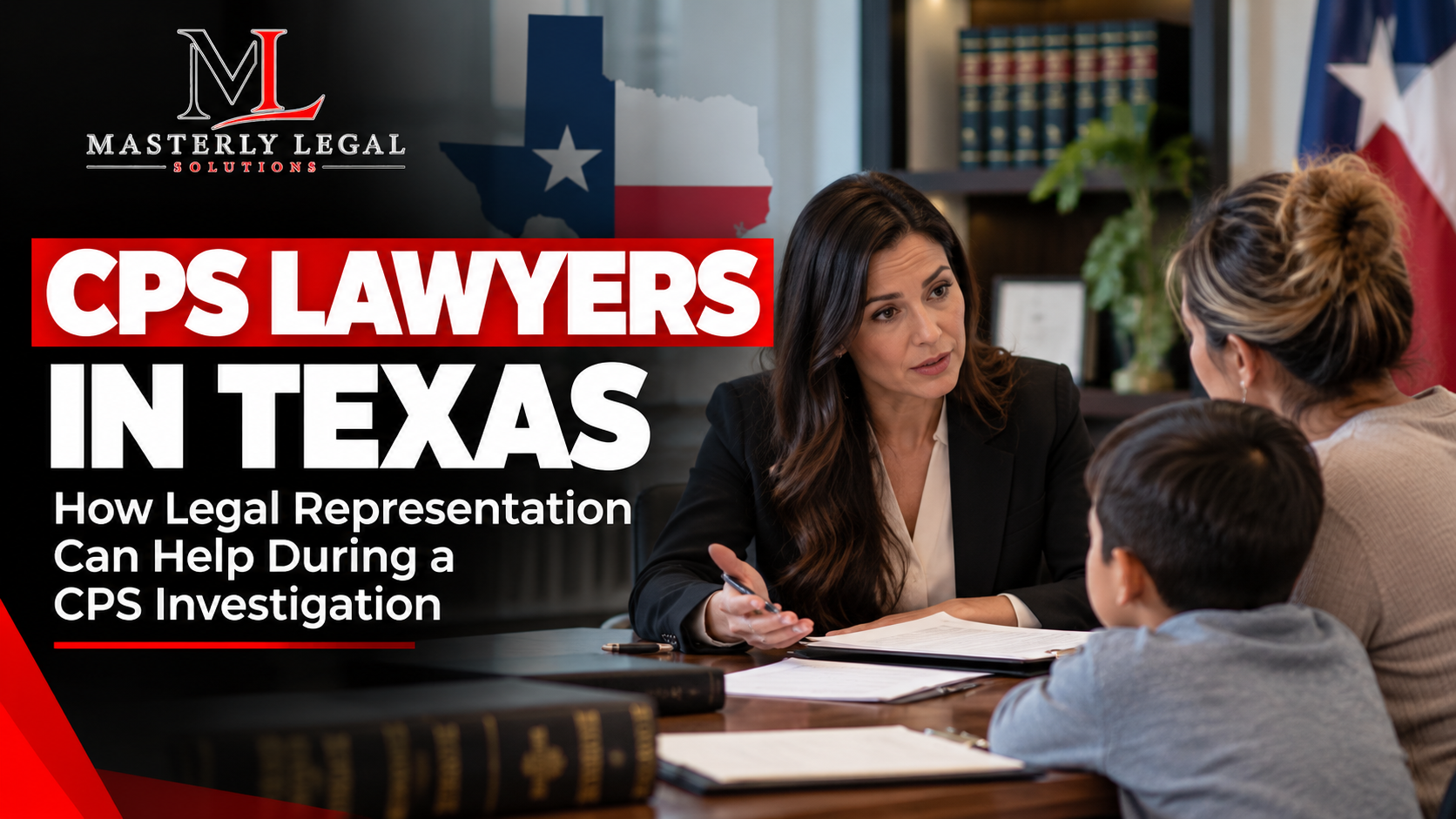
If you are dealing with an active Texas CPS investigation, Masterly Legal Solutions provides strategic CPS investigation defense and administrative representation designed to help you respond with preparation and clarity.
Does Child Protective Services (CPS) Contact Your Employer During an Investigation?
Does CPS contact your employer? Sometimes CPS may seek information from people outside the immediate household when that information is relevant to an investigation.
Texas DFPS explains that a CPS caseworker may talk to anyone who may have information about the situation, including people who can help verify explanations concerning a child's injuries or circumstances.
Whether an employer is contacted depends on the facts of the particular case. Employment itself does not mean that CPS will automatically call your workplace.
There is also an important distinction between contacting an employer and conducting CPS background checks.
A background check may involve information maintained by government systems or other records. It is not the same thing as CPS calling your supervisor or human resources department.
DFPS materials confirm that CPS investigations can include criminal background checks on people suspected of abuse or neglect and other people in the home.
Why Employment Information May Matter in a CPS Child Abuse Investigation
A person's employment can sometimes be relevant to an investigation depending on the allegations, the person's job, and the work setting involved.
For example, CPS may need to understand:
- Where a child spends time
- Who has regular access to the child
- Whether another person can provide information about the situation
- Whether an allegation involves conduct connected to a particular setting, including schools where children spend time
- Whether employment information helps establish someone's identity or circumstances
CPS may also evaluate whether work-related information is relevant to children's safety, health, or risk in the specific case.
These questions are highly dependent on the individual investigation.
The fact that CPS is investigating does not by itself establish that an allegation is true. An investigation is a process used by DFPS to assess reported concerns and determine what action may be appropriate.
CPS Background Checks Are Not the Same as Calling Your Workplace
One of the biggest sources of confusion for people facing an investigation is the difference between CPS background checks and direct contact with an employer.
Texas DFPS operates a Background Checks program, and its materials describe several types of checks that may be conducted for particular purposes, including certain checks through the Central Registry Portal.
In CPS investigations, DFPS states that caseworkers may run criminal background checks on people who may have abused or neglected a child, as well as others in the home. CPS also maintains a database of child abuse and neglect investigations.
This is different from assuming that CPS will notify your employer about the investigation.
If you are concerned about your professional reputation, the specific facts of your case matter. A parent, caregiver, licensed professional, healthcare worker, educator, or other employee may face different concerns depending on the nature of the allegations and the person's role. A background check may involve information maintained by government systems or other records and documents.
That is one reason a careful response is important before an investigation develops further.
Could CPS Contact Someone at Your Workplace?
In some investigations, CPS may need to conduct interviews with a person who has relevant information. DFPS guidance states that investigators may talk to people who can provide information about the circumstances under investigation.
That does not create a universal rule that CPS contacts employers.
If your employer has no relevant connection to the allegations, there may be no reason for CPS to contact the workplace. If a particular coworker, supervisor, outside organization, or other agency has information or details that investigators believe is relevant, the situation may be different.
The important question is not simply whether CPS can contact someone outside your home. The important question is how the investigation is being conducted, what information is being requested, and what rights, protections, and procedures apply to you.
How a CPS Investigation Can Affect Your Professional Reputation
For many working parents and professionals, the concern is not only the CPS investigation itself. It is what could happen if people at work learn about it.
An accusation involving child abuse or neglect can feel especially serious when your career depends on trust, licensing, professional relationships, or public reputation. These allegations can carry consequences for years in a family’s life and in the wider community.
This can create practical concerns about:
- Your relationship with your employer
- Professional licensing or credentialing
- Workplace confidentiality
- Your ability to explain an investigation accurately
- Records, investigator note-taking, or reporting information requested by investigators
- How an allegation could affect your professional responsibilities
These concerns should be handled carefully. Neglect findings can also create administrative problems for parents even apart from any immediate workplace issue.
A CPS investigation is not the same as a finding that abuse or neglect occurred. Texas DFPS describes its investigation process as an assessment of reported concerns and may interview the child, parents, household members, and other people who may have relevant information.
That distinction matters when protecting your reputation and responding to questions about the case.
What Should You Do If You Are Worried CPS May Contact Your Employer?
If you are already involved in a Texas CPS investigation, the situation should be handled based on the facts of your case rather than assumptions about what CPS might do next, because these cases can start moving quickly from the beginning once a report is received.
The safest approach is to understand the scope of the investigation and obtain professional guidance before making decisions that could affect your family, employment, or professional standing. CPS must begin an investigation within required timeframes, so it is important to prepare early.
Masterly Legal Solutions focuses on Texas CPS Investigation Defense & Administrative Appeals. Our approach is administrative, proactive, and investigation-focused.
We help parents, caregivers, and professionals understand the CPS process, respond appropriately to allegations, and protect their legal interests while an investigation is pending.
Rather than treating every CPS case as a courtroom fight, we focus on the investigation itself, the information being requested, the administrative process, and the decisions that may affect your future, including why a complete response plan matters before the investigation develops further.
How Masterly Legal Solutions Helps With Texas CPS Investigations
When CPS involvement threatens your peace of mind or professional reputation, having experienced legal representation can help you approach the situation with greater clarity.
Masterly Legal Solutions can assist with:
- Strategic CPS investigation defense
- Administrative representation
- Responses to CPS allegations
- Guidance concerning information requested during an investigation, including documents and additional documentation when needed
- Protection of legal rights during CPS involvement
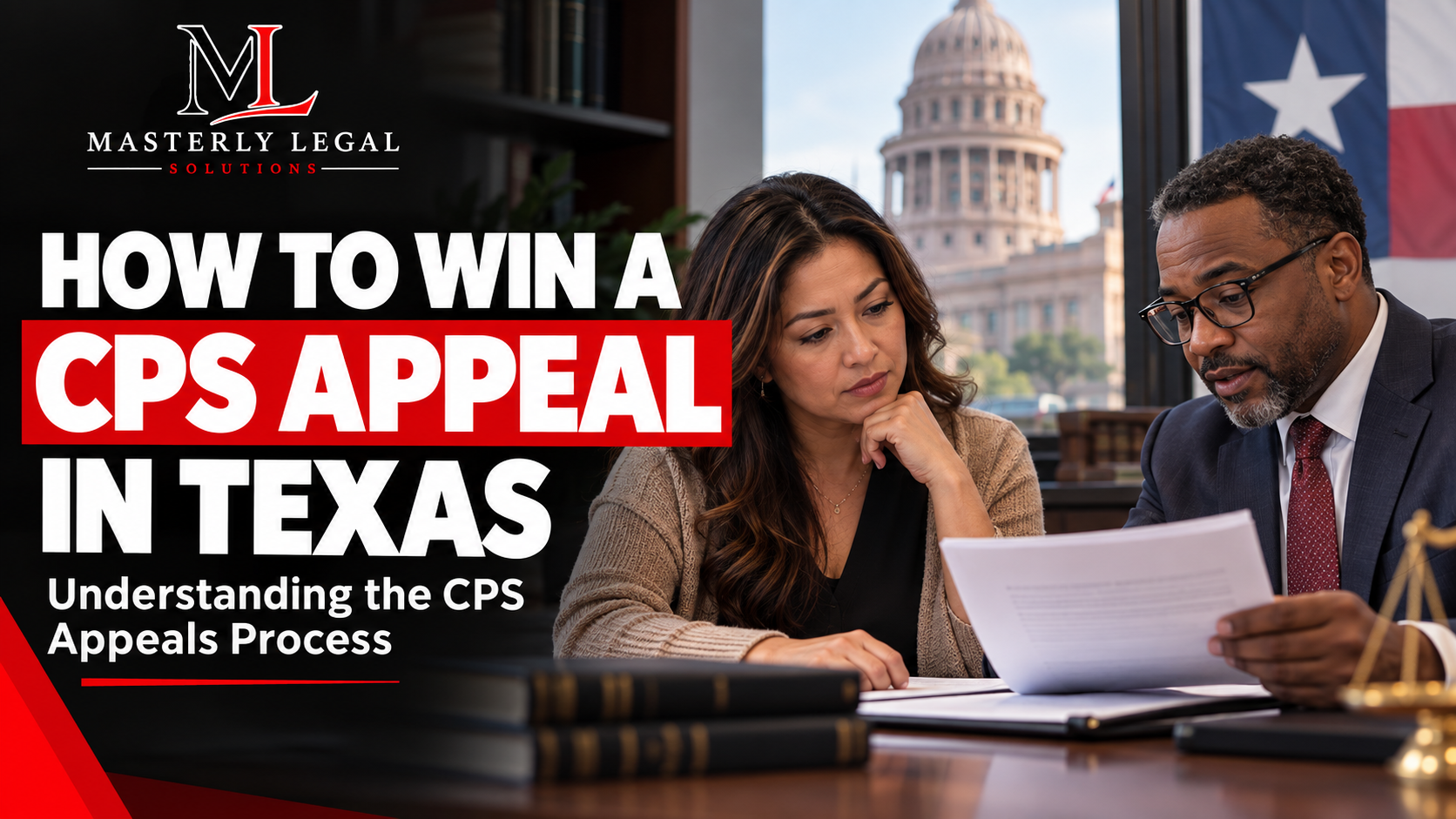
- Administrative appeals, service planning, and related proceedings
- Investigation-focused case strategy
Our team also helps clients understand instructions, consent issues, and related court or court order concerns when those arise.
Our goal is to help clients understand what is happening and respond appropriately rather than reacting out of fear.
For professionals, this can be especially important when CPS involvement could have consequences beyond the immediate family situation, including effects on relatives and interactions with social services or human services systems.
Employment, Background Checks, and Information CPS May Review
A CPS investigation may involve questions about a person's employment, job description, skills, training, knowledge, past employment history, or other information relevant to the investigation. Depending on the circumstances, investigators may also consider criminal history and background check results when evaluating information connected to a case. This is different from an employer conducting a routine background check for job opportunities, where applicants or candidates may be asked to provide information before being hired. If you are concerned about what information CPS may request or how employment-related information could be handled, legal guidance can help you understand the process before you respond.
Employment Records and Professional Information
For working parents and professionals, CPS involvement can raise questions about communication with an employer, workplace records, schedules, and other employment details. In some situations, information about a person's schedule, responsibilities, or ability to organize childcare may become relevant to the circumstances being investigated. However, the fact that someone has a job does not automatically mean CPS will contact the person's employer, coworkers, or recruiters. The relevance of employment information depends on the specific facts of the investigation.
Why Timing and Documentation Matter
CPS investigations can involve deadlines, requested records, interviews, and other time-sensitive communications. Understanding the requested date, response period, or applicable business days can help prevent confusion. Keeping relevant documents organized by page, date, and subject may also make it easier for your attorney to review what has happened and determine how to respond. If you are unsure what a CPS request means or what information you should provide, professional representation can help you evaluate the request before taking action.
Terms I would not add just to satisfy the keyword list: Chicago Public Schools, job opportunities, recruiters, and discover. They are not naturally relevant to a Texas CPS defense page and could make the content look keyword-stuffed or geographically inconsistent.

FAQ: Does CPS Contact Your Employer?
Does CPS contact your employer automatically?
No. A CPS investigation does not automatically mean that CPS will contact your employer. Whether someone at your workplace is contacted depends on the circumstances and relevance of the information. Employer contact is limited to situations where the workplace has relevant information.
Can CPS run background checks?
Yes. Texas DFPS states that CPS caseworkers may run criminal background checks on people who may have abused or neglected a child and others in the home.
Are CPS background checks the same as contacting my employer?
No. A background check and direct contact with an employer are different investigative actions. The specific circumstances determine what information CPS may seek.
Can CPS talk to people outside my family?
Yes. DFPS states that investigators may talk to people who have information about the situation, including people in the community or others outside the household who may help verify explanations concerning a child's circumstances.
Will my employer automatically find out about a CPS investigation?
Not necessarily. There is no automatic rule that every employer must be notified simply because an employee is involved in a CPS investigation. The facts of the investigation determine whether workplace information or individuals become relevant.
What should I do if I am worried CPS may contact my workplace?
If you are concerned about employment or professional consequences, consider obtaining legal representation before responding to significant investigative requests. An attorney can review the circumstances and help you understand how to respond appropriately.
Can a CPS investigation affect a professional license?
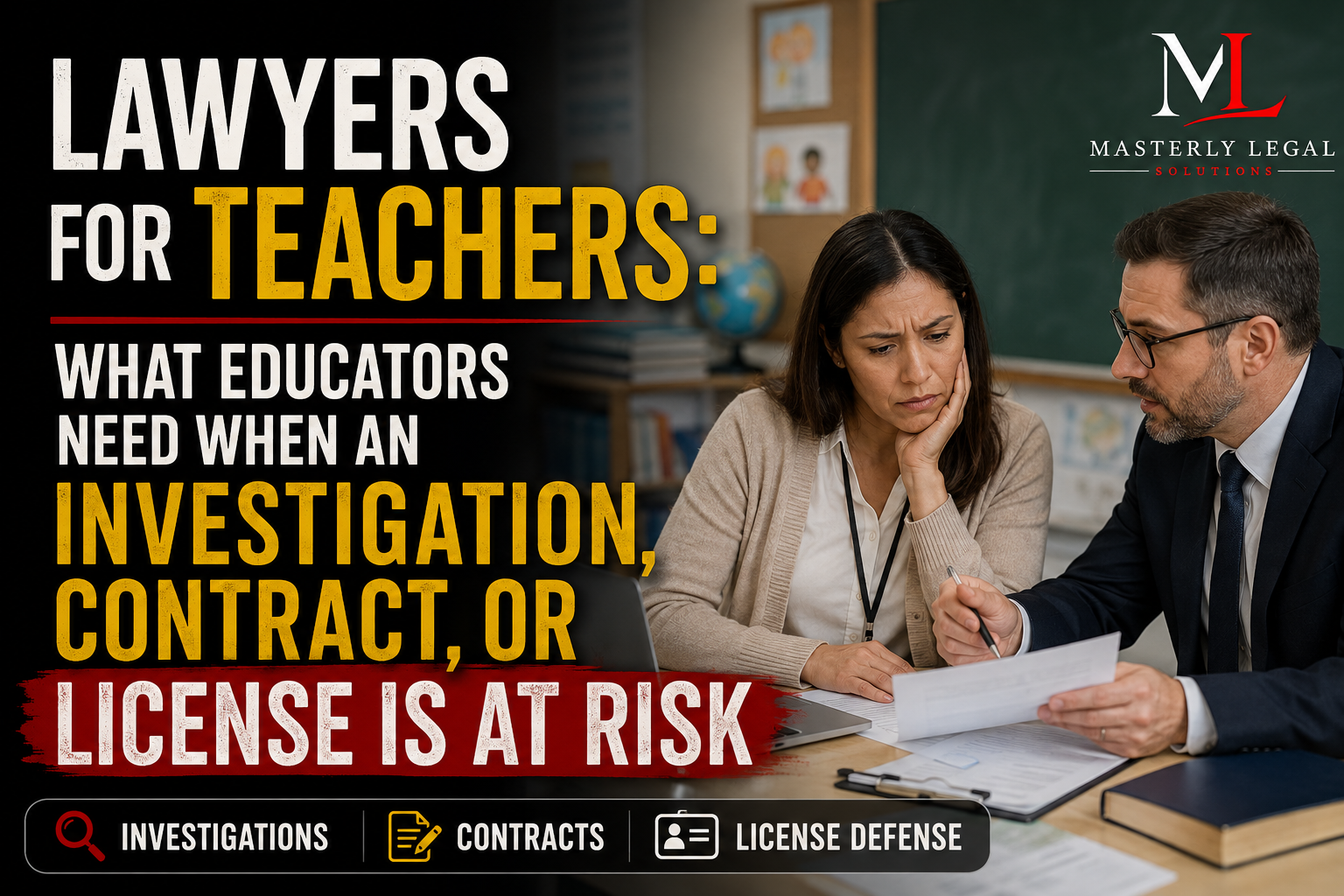
It can depend on the person's profession, the allegations, applicable licensing rules, and the outcome or findings associated with the matter. Professionals should consider both the CPS investigation and any separate administrative requirements that may apply to their profession. Licensing issues may be especially important for people working in education settings.
Can Masterly Legal Solutions represent me in a Texas CPS investigation?
Masterly Legal Solutions provides strategic Texas CPS Investigation Defense & Administrative Appeals for parents, caregivers, and professionals. Representation is focused on protecting legal rights and navigating the administrative investigation process.
Facing a CPS investigation in Texas?
Masterly Legal Solutions can help you understand what CPS may request, how employment information may be handled, and how to respond appropriately.
Contact Masterly Legal Solutions for strategic CPS investigation defense and administrative representation.
Call (972) 236-5051 or visit Masterly Legal Solutions to discuss your situation, or use the contact form to get started.
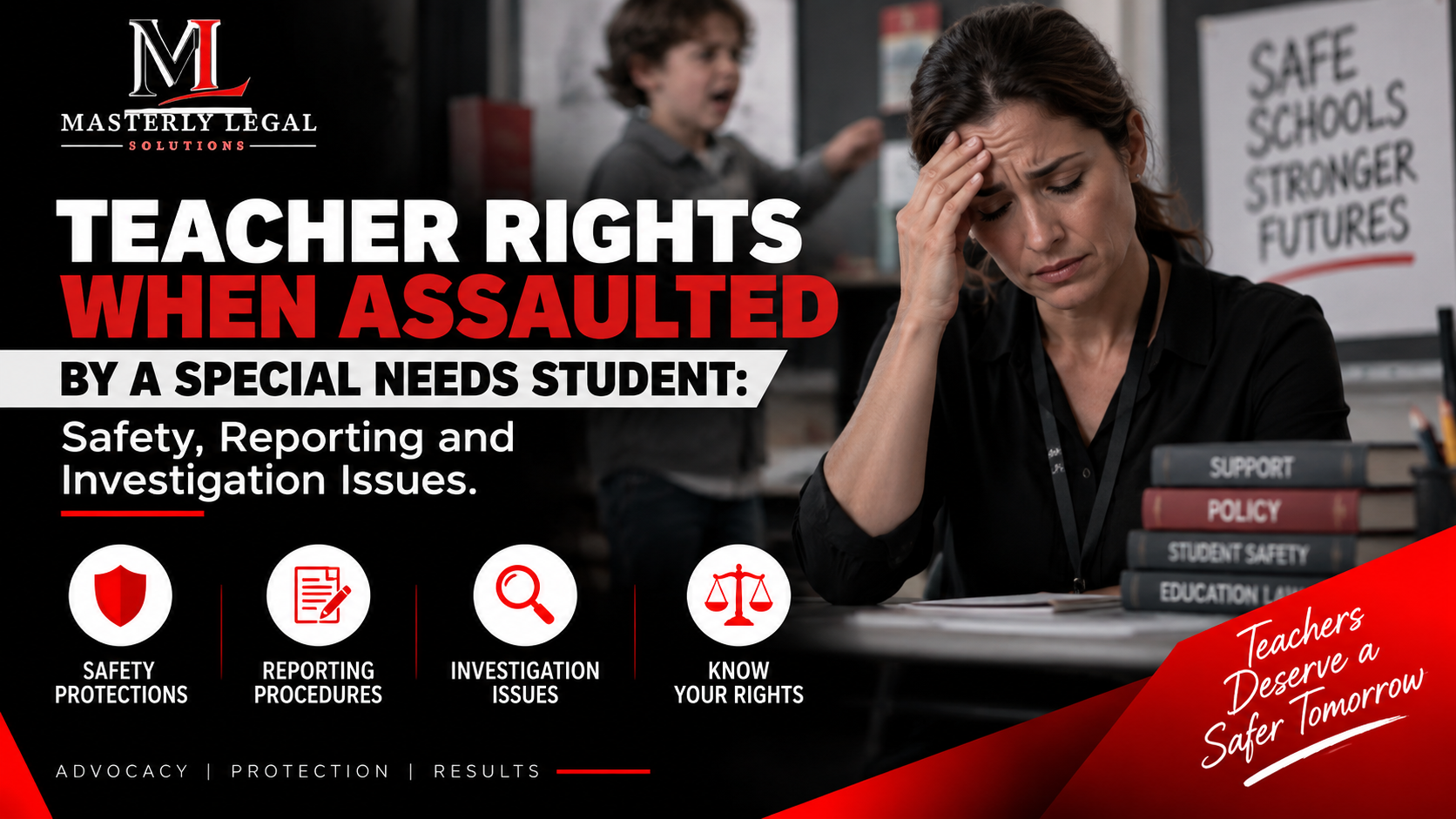
Teacher Rights When Assaulted by a Special Needs Student: Safety, Reporting and Investigation Issues




Looking for Legal & Business Solutions? Contact Us Now
Fill in the form or call us to set up a meeting