
Lady Bird Deed in Texas: How an Enhanced Life Estate Deed Works
A Lady Bird deed is one of the estate planning tools Texas homeowners hear about most often, usually from a friend, a title company or a relative who used one for the family home. The idea is simple: you keep the house while you are alive, and it passes to the person you name when you die, without going through probate. The details are less simple. A Lady Bird deed in Texas is a creature of common law rather than a statute, it interacts with Medicaid rules in specific ways, and it is easy to confuse with a transfer on death deed or a traditional life estate deed.
This guide explains what an enhanced life estate deed is, how it differs from those other deeds, how it relates to Medicaid estate recovery in Texas and what a property owner should think through before signing one. It is general information for Texas homeowners and their families, not advice about a specific property. The sources are the Texas State Law Library, the Texas Estates Code, Texas Health and Human Services (HHS) and the Texas Administrative Code, and each is linked at the end so you can read the original language.

What Is a Lady Bird Deed in Texas?
The Texas State Law Library describes a Lady Bird deed as a type of real estate deed that says who will inherit the property when the owner dies. It is known as an "enhanced" life estate deed, because the owner keeps full ownership and control of the property during their lifetime. According to the library, the owner can live on the property, sell it, and change or revoke the deed at any time.
Texas HHS uses the same concept in its Medicaid handbook. Its glossary defines enhanced life estate deeds, which it notes are sometimes known as Lady Bird deeds, as a legal document in which a person transfers property to heirs while retaining a life estate with powers, including the right to sell the property during their lifetime.
Put simply, the grantor retains control. The beneficiary named in the deed has no present right to use or sell the home. The beneficiary's interest only matters at the grantor's death, when the property passes to them under the terms of the deed.
Where the Name Comes From
Many people assume the deed is named for a transfer President Lyndon Johnson made to his wife, Lady Bird Johnson. According to a primer by Texas Tech University School of Law professor Gerry W. Beyer and Kerri G. Nipp, that is not what happened. They write that the first Lady Bird deed was drafted by Florida attorney Jerome Ira Solkoff around 1982, nearly ten years after President Johnson's death, and that Solkoff's teaching examples used a fictional cast with the names Linton, Lady Bird, Lucie and Lynda. The names stuck. In Texas government materials, you will usually see the formal name, enhanced life estate deed.
Why Texas Homeowners Consider a Lady Bird Deed
People use a Lady Bird deed for a few recurring reasons:
- Avoiding probate for the home. The Texas State Law Library explains that Lady Bird deeds and transfer on death deeds can transfer real property outside of the probate process, while property passing under a will requires court approval through probate. The library adds that probate can be lengthy and expensive, and that these deeds can make real estate transfers quicker and more efficient, though they may not be the right choice in every situation.
- Keeping full control. Unlike giving the house away outright, the owner keeps the right to live there, lease it, mortgage it or sell it, and can revoke or change the deed.
- Medicaid planning. The library notes that Lady Bird deeds may sometimes be used to protect real property from Medicaid estate recovery claims. That word "sometimes" matters, and it is covered in its own section below.
For many families, the home is the most valuable asset in the estate. A deed that moves that one asset outside of probate, while leaving the owner in full control, is attractive. But it is one tool among several, and it only covers the real property described in the deed.
Lady Bird Deed vs. Traditional Life Estate Deed
The word "enhanced" separates a Lady Bird deed from a traditional life estate deed. The Texas State Law Library explains that with a standard life estate deed, the beneficiary receives an interest in the property right away. That usually means:
- the beneficiary must approve important decisions about the property;
- the owner cannot sell the property or take out a mortgage without the beneficiary's consent;
- if the property is sold, the proceeds are shared between the owner and the beneficiary;
- if the beneficiary dies, the owner has no control over who inherits the beneficiary's interest;
- if the beneficiary divorces, a court may award part or all of the beneficiary's interest to an ex-spouse; and
- if the beneficiary does not pay their debts, creditors may place a lien on the property.
The library also notes that while enhanced life estate deeds can generally be changed or revoked at any time, standard life estate deeds are mostly permanent. That is the core trade off: a traditional life estate deed gives the beneficiary real rights now, while an enhanced life estate deed keeps those rights with the owner for the owner's life.
Lady Bird Deed vs. Transfer on Death Deed in Texas
Texas also has a statutory option, the transfer on death deed (TODD). Chapter 114 of the Texas Estates Code, the Texas Real Property Transfer on Death Act, governs it. Under Section 114.051, an individual may transfer an interest in real property to one or more beneficiaries effective at the transferor's death. Section 114.052 makes a TODD revocable even if the deed says otherwise, and Section 114.053 makes it a nontestamentary instrument, meaning it does not pass under the will.
Both deeds name someone to inherit the property, and with both the owner keeps control during life. The Texas State Law Library compares them this way:
| Point of comparison | Lady Bird deed | Transfer on death deed |
|---|---|---|
| Source of law | Common law | Chapter 114, Texas Estates Code |
| Alternate beneficiary | Cannot include alternate beneficiaries | May name alternate beneficiaries |
| Mortgage "due on sale" clause | May sometimes trigger it when the owner dies | Does not trigger it (Section 114.101) |
| Agent under a power of attorney | May be created by an agent if the power of attorney authorizes the transfer | Cannot be created through a power of attorney (Section 114.054) |
| Warranty of title | May be drafted as a general warranty, special warranty or no warranty deed | Cannot carry a warranty of title (Section 114.103) |
A few statutory points about the TODD are worth knowing when you compare the two:
- Formal requirements. Section 114.055 says a TODD must contain the essential elements and formalities of a recordable deed, state that the transfer is to occur at the transferor's death, and be recorded in the deed records of the county clerk's office where the property is located before the transferor's death.
- Capacity. Section 114.054 sets the capacity to make or revoke a TODD at the same level as the capacity to make a contract.
- No effect during life. Section 114.101 says that during the transferor's life, a TODD does not affect the owner's right to transfer or encumber the property, homestead rights or ad valorem tax exemptions such as the residence homestead exemption.
- A will cannot override it. Section 114.057(b) provides that a will may not revoke or supersede a transfer on death deed.
- Liens carry over. Under Section 114.104, the beneficiary takes the property subject to the mortgages, liens and other interests attached to it at the transferor's death.
Which deed fits depends on the family. For example, the ability of an agent to sign a Lady Bird deed can matter when an aging parent already relies on a durable power of attorney, while the ability to name an alternate beneficiary in a TODD can matter for a parent who wants a backup plan. Our article comparing a transfer on death deed and a revocable living trust covers another side of that decision.
Lady Bird Deeds and Medicaid Estate Recovery in Texas
The Medicaid question is where most of the interest in Lady Bird deeds comes from, and it is also where the most careful reading is needed.
What Medicaid Estate Recovery Is
Texas HHS explains that every state must have a Medicaid Estate Recovery Program (MERP). If a person received Medicaid long-term services and supports, Texas has the right to ask for money back from that person's estate after death. HHS says the program affects only long-term care services and supports received after age 55, and only if the person began receiving those services after March 1, 2005. Covered services include nursing facility care and a list of Medicaid waiver programs.
HHS also lists situations where the state will not ask for money back, including when there is a surviving spouse, a child under 21, a child of any age who is blind or permanently and totally disabled under Social Security requirements, an estate valued at $15,000 or less, Medicaid costs of $5,000 or less, or an unmarried adult child who lived full-time in the home for at least one year before the person died. The state may also decline to seek recovery when it would cause an undue hardship for the heirs.
Why the Probate Estate Matters
The Texas rules for MERP define "estate" by reference to the probate estate. Under Title 1, Section 373.105 of the Texas Administrative Code, the estate for recovery purposes is the decedent's real and personal property included in the definition of the probate estate. HHS gives examples of property the state will not collect on, including life insurance policies that name a person to receive the payment and bank accounts that are paid on death to another person.
That is the link to Lady Bird deeds. Because the deed passes the home at the owner's death outside of probate, the Texas State Law Library notes that it may sometimes be used to protect real property from Medicaid estate recovery claims. Notice the careful wording. The library does not say a Lady Bird deed always protects the home, and families should not assume it does.
How Medicaid Eligibility Treats the Deed
Eligibility is a separate question from recovery. The HHS Medicaid handbook glossary states that because the life estate holder keeps the power to sell, the value of property under an enhanced life estate deed as a resource is its full equity value. It goes on to say the full value is treated as a countable resource unless it is otherwise excluded, such as a home to which the individual intends to return, and that all enhanced life estate deeds must be reviewed by the HHS regional attorney.
HHS separately warns that giving away resources before moving into a nursing home can lead to a penalty or ineligibility for certain services, and that the state may look back up to 60 months before an application to see when resources were transferred. A Lady Bird deed is different from an outright gift because the owner keeps control, but the eligibility analysis turns on the facts. Anyone considering a Lady Bird deed as part of Medicaid planning should talk with a Texas lawyer who handles long term care and estate planning questions before signing.
How a Lady Bird Deed Is Created
There is no official state form. The Texas State Law Library says there is no official form for a Lady Bird deed, points to sample language in legal publications, and strongly recommends talking to a lawyer before creating or signing a new deed because errors can have significant consequences.
In general terms, preparing an enhanced life estate deed involves:
- Reviewing the current deed. The exact legal description, the names on title and any existing liens come from the recorded deed. A street address alone is not a legal description.
- Confirming who owns the property. Questions about community property, a spouse's interest or co-owners affect who must sign. Under Texas Family Code Section 3.002, community property is property, other than separate property, acquired by either spouse during marriage, and Section 3.003 presumes property possessed by either spouse during marriage is community property. That is why a married owner's deed planning often involves both spouses.
- Naming the beneficiary or beneficiaries. Families who want to name minor children should ask a lawyer how a child would hold and manage title to real property.
- Signing and acknowledging the deed. Under Texas Property Code Section 12.001, an instrument conveying real property may not be recorded unless it is signed and acknowledged or sworn to before an officer authorized to take acknowledgments, such as a notary, or before two or more credible subscribing witnesses.
- Recording the deed. The deed is filed in the county deed records with the county clerk where the property sits, which makes it a public record.
It also helps to look at the rest of the estate plan. A Lady Bird deed only controls the property it describes. Bank accounts, vehicles and other assets still pass by their own beneficiary designations, by will or by intestate succession if there is no will.
What Happens After the Owner Dies
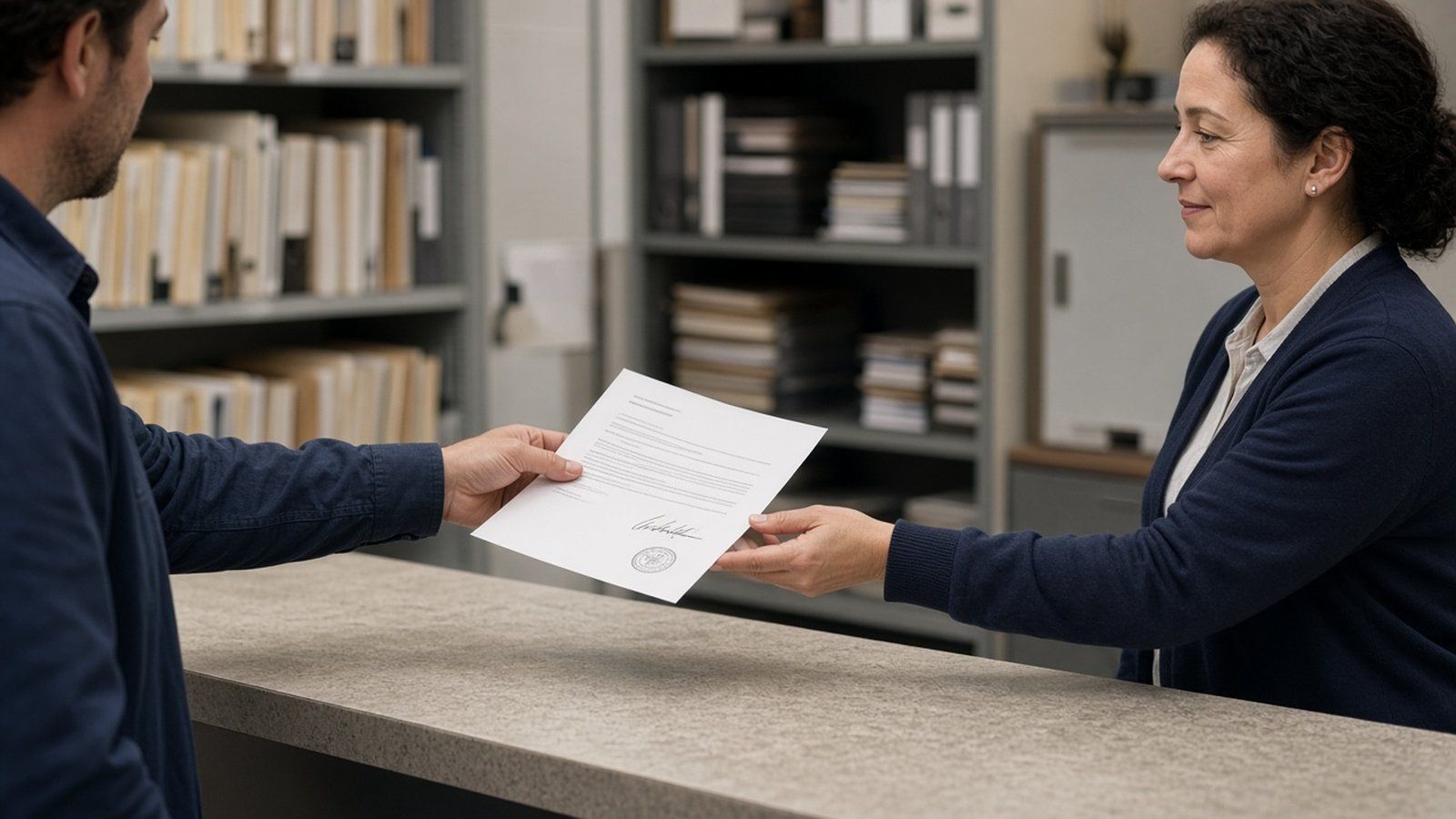
When the owner dies, the property passes to the named beneficiary under the deed instead of under the will. In practice, the beneficiary usually works with a title company or lawyer to document the transfer in the county records, often using the death certificate and the recorded deed.
Several issues can come up at this stage:
- Mortgages and liens. The property does not become free of existing debt because it passed outside probate. The Texas State Law Library notes that a Lady Bird deed may sometimes trigger a mortgage due on sale clause when the owner dies.
- The homestead. Texas homestead rules and a surviving spouse's rights can affect how the decedent's homestead is treated. Our guide to what a homestead is in Texas covers that background.
- A beneficiary who died first. Because the Texas State Law Library says a Lady Bird deed cannot include alternate beneficiaries, a beneficiary who dies before the owner can leave the plan incomplete. Reviewing the deed after deaths, marriages and divorces in the family is a sensible habit.
- Property taxes. Ask the county appraisal district how a change in ownership affects any exemption on the account before and after the transfer.
If the home ends up in the probate estate after all, because the deed was never recorded or was drafted incorrectly, the family may face probate, an affidavit of heirship or, in limited cases without a will, a small estate affidavit.
Pros and Cons of a Lady Bird Deed
Every estate planning tool comes with trade offs. Based on the sources above, here is a balanced summary.
Potential advantages
- The owner keeps full control and can sell, mortgage or revoke.
- The home can pass to the beneficiary outside of probate.
- It may sometimes help with Medicaid estate recovery, given that Texas recovery rules look to the probate estate.
- An agent under a properly drafted power of attorney may be able to sign one, which a TODD does not allow.
Potential drawbacks
- It is governed by common law, not a statute, and there is no official form.
- It cannot name an alternate beneficiary, according to the Texas State Law Library.
- It may sometimes trigger a mortgage due on sale clause at the owner's death.
- Medicaid eligibility still counts the property's full equity value unless an exclusion applies, and HHS requires regional attorney review.
- Title companies and lenders can have their own requirements, so a poorly drafted deed can create problems for the family later.
For some families, a TODD, a revocable living trust or a will is the better fit. Our broader guide on how to avoid probate in Texas compares several of those options.
Frequently Asked Questions
What are the benefits of a Lady Bird deed in Texas?
The owner keeps full ownership and control during life, the property can pass outside of probate at death, and the Texas State Law Library notes the deed may sometimes be used to protect real property from Medicaid estate recovery claims.
Does a Lady Bird deed protect a home from Medicaid?
Sometimes, but not automatically. Texas MERP rules define the estate by reference to the probate estate, and property that passes outside probate is treated differently. For eligibility, HHS counts the full equity value of property under an enhanced life estate deed unless an exclusion applies, such as a home the person intends to return to, and requires regional attorney review of every such deed.
Can you sell your house if you have a Lady Bird deed?
Yes. The Texas State Law Library says the owner can sell the property and can change or revoke the deed at any time, which is the main difference from a traditional life estate deed.
What is the difference between a life estate and an enhanced life estate?
With a traditional life estate, the beneficiary gets an interest right away and usually must consent to a sale or mortgage. With an enhanced life estate, the owner keeps those powers for life.
Is a Lady Bird deed the same as a transfer on death deed?
No. A transfer on death deed is created under Chapter 114 of the Texas Estates Code, can name alternate beneficiaries and cannot be signed through a power of attorney. A Lady Bird deed is based on common law and works differently on several points listed in the comparison table above.
Is a life estate deed the same as a trust?
No. A deed transfers a specific piece of real property. A trust is a separate arrangement that can hold many kinds of assets and is managed by a trustee under the trust's terms.
Talk With a Texas Lawyer Before Signing a Lady Bird Deed
A Lady Bird deed can be a practical way to pass a Texas home to the next generation, but it depends on accurate drafting, a correct legal description, the right signatures and a clear understanding of how it fits with Medicaid, mortgages and the rest of the estate plan. If you are weighing an enhanced life estate deed against a transfer on death deed, a trust or a will, Masterly Legal Solutions offers consultations for Texas families. To schedule a confidential consultation, visit the Masterly Legal Solutions contact page or call (972) 236-5051.
Sources: Texas State Law Library, "What is a Lady Bird deed?"; Texas Estates Code Chapter 114; Texas HHS, Your Guide to the Medicaid Estate Recovery Program; Texas HHS, MEPD Glossary; Texas Family Code Chapter 3; Texas Property Code Section 12.001; 1 Texas Administrative Code Section 373.105; Beyer and Nipp, "Updated Primer on Lady Bird Deeds," Texas Tech University School of Law.
Disclaimer: Attorney advertising. This page is educational content only and is general information, not legal advice. Reading it does not create an attorney-client relationship with Masterly Legal Solutions. The law changes, each situation is different, and past matters do not predict future results. Speak with a qualified Texas attorney about your situation.






Looking for Legal & Business Solutions? Contact Us Now
Fill in the form or call us to set up a meeting