

CPS Investigation Compliance Reports Explained for Texas Families
When a CPS Investigation Suddenly Enters Your Life
Few situations create more stress for a family than learning they are being investigated by CPS. Parents often describe the experience as confusing, emotional, and overwhelming from the very first phone call or home visit. One report can quickly change the atmosphere inside a household, leaving families unsure about what comes next or what rights they still have during the process.
Many Texas parents are unfamiliar with how child protective services handles investigations or what information investigators include in official reports. Families may hear terms like compliance reporting, risk assessment, safety plan, or administrative closure without fully understanding what those terms actually mean. This uncertainty often creates fear, especially when parents worry about losing custody of a child or facing long-term damage to their reputation.
At Masterly Legal Solutions, we understand how deeply a cps investigation can affect a family’s emotional well being and stability. These situations are not just legal matters. They involve children, relationships, reputations, and futures. Understanding how compliance reports work can help families make informed decisions and avoid mistakes during one of the most difficult experiences they may ever face.
What a CPS Compliance Report Actually Means
A compliance reporting document is one of the most important records created during a cps case. These reports are designed to track what occurred during the investigation, what concerns were identified, what evidence was reviewed, and what recommendations the department believes are necessary moving forward.
The report may include information about:
- Allegations of abuse or neglect
- Home conditions
- Interviews with family members
- Statements from the alleged victim
- Safety concerns identified by investigators
- Medical or school records
- Criminal history checks
- Recommendations for services or intervention
Families are often surprised by how much information becomes part of the official documentation. Even casual statements made during conversations with a cps investigator may later appear in written findings.
Why Child Protective Services Creates Compliance Reports
Child protective services uses compliance reports to organize information gathered during the investigation stage and help determine whether a child may face risk or immediate danger. These reports also help the department document whether parents followed requests, completed services, or cooperated with investigators during the process.
The Texas Department of Family and Protective Services relies heavily on these records because they may later influence court decisions, service plans, foster care placements, or administrative findings. In many situations, compliance reports become central pieces of evidence if the case moves further into the court system.
Families sometimes assume the report only contains final conclusions. In reality, the document often includes observations, notes, interviews, background information, and professional opinions formed throughout the entire investigation.
How a CPS Investigation Usually Begins
Most cps investigations begin after someone files a report involving suspected abuse or neglect. Reports may come from teachers, doctors, neighbors, counselors, relatives, or other professionals who believe a child could be in danger.
Texas law requires certain individuals to report concerns involving child abuse or neglect when they suspect a child may face harm, and educators sometimes need legal support when school investigations arise. Once the report is received, child protective services cps reviews the allegations and determines whether an investigation should begin.
The department then evaluates the seriousness of the allegations and whether the child may face immediate risk. In some cases, investigators respond quickly if they believe the child’s safety could be threatened.
The Different Stages of a CPS Investigation
Many families do not realize that a cps case often moves through different stages before reaching a final outcome. Each stage involves separate evaluations, interviews, and decisions regarding the child’s safety and well being.
The different stages may include:
- Intake and screening
- Initial investigation
- Risk assessment
- Home visits
- Safety planning
- Service recommendations
- Administrative review
- Administrative closure
Understanding these stages helps families better prepare for what may happen throughout the process.
The Role of the CPS Investigator
The cps investigator plays a major role during the investigation process. This individual gathers information, interviews family members, reviews evidence, and evaluates whether abuse or neglect may have occurred.
A cps investigator may speak with:
- Parents
- The child
- Teachers
- Doctors
- Counselors
- Other family members
- Neighbors or witnesses
Investigators are responsible for documenting observations carefully and determining whether additional intervention or protective services may be necessary.
What Happens During a Home Visit
One of the most stressful moments for many families is the home visit. Parents often feel nervous about every detail inside the child’s home because they fear normal imperfections could be misinterpreted during the investigation.
During a home visit, the cps investigator may evaluate:
- Sleeping arrangements
- Food availability
- General cleanliness
- Safety hazards
- Interactions between family members
- Signs of possible harm or neglect
The investigator may also assess whether the environment appears emotionally and physically safe for the child.
Understanding Risk Assessment in CPS Cases
A risk assessment is a major part of most child protective investigations. The department uses this process to determine whether a child may face future danger, abuse, or neglect within the home environment.
Risk factors may include:
- Previous cps history
- Criminal history
- Substance abuse concerns
- Domestic violence allegations
- Unsafe living conditions
- Prior reports involving abuse or neglect
The department evaluates the above factors to determine the overall risk level associated with the case.
Why Safety Plans Matter So Much
A safety plan is often created when investigators believe concerns exist but removal from the home may not yet be necessary. The purpose of the plan is to help keep the child safe while the investigation continues.
A safety plan may include requirements such as:
- Supervised contact
- Temporary caregiver arrangements
- Counseling participation
- Restrictions involving certain individuals
- Cooperation with family based safety services
Families should understand that agreeing to a safety plan can carry important legal consequences. Parents sometimes sign documents quickly without fully understanding what they are agreeing to.
How CPS Determines Whether Abuse or Neglect Occurred
One of the biggest questions families ask is how cps actually determines whether abuse or neglect occurred. Investigators review evidence, interview witnesses, examine records, and evaluate the overall circumstances surrounding the allegations.
The department may consider:
- Statements from the alleged victim
- Medical records
- School records
- Witness interviews
- Prior cps findings
- Physical evidence
- Behavioral observations
Not every report results in findings against parents or caregivers. Some investigations end because investigators cannot confirm that abuse or neglect actually occurred.
What Evidence Matters During a CPS Investigation
Evidence can significantly affect the outcome of a cps investigation. Families should understand that investigators may rely on both physical evidence and verbal statements when preparing compliance reports.
Examples of evidence may include:
- Medical evaluations
- Photographs
- Text messages
- Emails
- Counseling notes
- Police reports
- School documentation
Strong evidence can support either the department’s concerns or the family’s defense depending on the circumstances involved.
Why Documentation Becomes Extremely Important
Good documentation often becomes one of the strongest tools available to families during a cps case. Organized records may help clarify misunderstandings or challenge inaccurate statements within the investigation findings.
Helpful documentation may include:
- Medical appointments
- School attendance records
- Counseling participation
- Housing records
- Communication history
- Parenting class completion certificates
Families who maintain clear records are often better prepared if disputes arise later during the process.
How Criminal History Can Affect CPS Findings
A criminal background check is frequently part of the investigation process. Investigators may review whether parents, caregivers, or other individuals living in the home have criminal records connected to violence, abuse, or substance-related offenses.
A criminal history does not automatically mean a parent is dangerous or incapable of caring for children. However, investigators may still consider past incidents when evaluating current risk factors.
Families should remember that the department looks at the totality of the circumstances rather than one isolated issue alone.
The Emotional Impact CPS Cases Have on Families
Even when allegations are ultimately unfounded, the emotional toll of a cps investigation can be significant. Parents often describe feelings of embarrassment, fear, anger, and helplessness throughout the process.
Children may also become anxious or confused when investigators begin asking questions about their home life. Some children fear separation from parents or worry they caused trouble for the family.
The stress often affects relationships, work performance, school routines, and overall family stability.
How Protective Services Evaluates Immediate Risk
When a report first enters the system, protective services evaluates whether the child may face immediate risk of serious harm. Cases involving allegations of severe abuse, sexual abuse, unsafe living conditions, or violent behavior may receive higher priority.
The department may act quickly if investigators believe the child’s safety is in immediate danger. In certain situations, the agency may seek a court order allowing intervention or temporary removal from the home.
These early decisions can shape the direction of the entire cps case moving forward, and some parents also consider establishing a power of attorney for their children as part of broader safety and planning efforts.
What Happens if CPS Believes a Child Is Unsafe
If investigators believe the child may not be safe within the home, the department may take additional action to protect the child while the investigation continues. This can involve temporary placement with relatives, foster care arrangements, or supervised contact requirements.
Parents often feel shocked when the department moves quickly, especially if they believed the allegations were exaggerated or false. However, investigators are trained to focus heavily on child safety during the early stages of the process.
This is one reason why families should take all cps contact seriously from the beginning.
Understanding Family Based Safety Services
Family based safety services are programs designed to help families address concerns identified during the investigation while allowing children to remain safely within the home whenever possible.
These services may involve:
- Parenting education
- Counseling
- Substance abuse treatment
- Mental health support
- Supervision assistance
- Community resources
The goal is often to reduce risk while strengthening the family’s ability to provide a stable environment for the child.
Why Community Resources Matter During CPS Cases
Many families involved in cps investigations are dealing with difficult circumstances rather than intentional abuse. Financial hardship, housing instability, mental health struggles, or lack of support systems can contribute to stressful family environments.
Community resources may help families access:
- Counseling services
- Food assistance
- Housing programs
- Child care support
- Parenting education
- Medical care
These resources often help improve family stability and reduce future concerns involving neglect or safety issues.
How Foster Care Decisions Are Made
In certain situations, the department may determine that temporary foster care placement is necessary to protect the child from possible harm. These decisions are emotionally devastating for most parents and children.
Investigators consider factors such as:
- Immediate danger
- Severity of alleged abuse
- Home conditions
- Availability of safe relatives
- Compliance with safety plans
Not every cps investigation leads to foster care placement, but families should understand how seriously the department treats child safety concerns.
What Parents Should Know About Court Orders
A court order may become necessary if cps believes additional legal authority is required during the investigation. Court involvement can affect custody arrangements, visitation rights, service requirements, and placement decisions.
Judges review evidence presented by the department and may determine whether temporary intervention is appropriate. Families should understand that statements made during the investigation may later appear in court proceedings.
Preparing early and understanding the process may help reduce confusion once court hearings begin.
Why Parents Should Cooperate Carefully
Many parents struggle with deciding how much information to provide during a cps investigation. While cooperation is often important, families should also understand their rights before signing documents or making detailed statements.
Parents should avoid:
- Providing false information
- Destroying evidence
- Coaching the child on responses
- Ignoring department communication
- Becoming hostile during meetings
At the same time, parents should not assume investigators automatically understand the full context surrounding the allegations.
The Importance of a Thorough Investigation
A thorough investigation protects both children and families. Rushed decisions, incomplete interviews, or inaccurate assumptions can create lasting consequences for innocent parents and caregivers.
A proper investigation should carefully review evidence, evaluate witness credibility, and consider the full circumstances surrounding the report. The goal should always be to determine the truth while protecting the child’s safety and legal rights.
Families often become frustrated when they feel investigators formed conclusions before reviewing all available information.
How Alleged Abuse Is Evaluated
Investigators must evaluate whether alleged abuse actually occurred and whether evidence supports the claims being made. Allegations involving physical harm, emotional abuse, sexual abuse, or neglect require careful review because the consequences can be life changing.
The department often considers:
- Consistency of statements
- Medical evidence
- Witness observations
- Behavioral indicators
- Prior reports
No single factor automatically determines the outcome of the investigation.
Why the Child’s Family Matters in CPS Cases
The child’s family structure often becomes an important part of the investigation process. Investigators may evaluate relationships between parents, caregivers, siblings, and other individuals involved in the child’s life.
In some situations, extended family members become important resources for placement, supervision, or emotional support during the investigation. Relatives may also provide valuable information about the child’s well being and daily environment.
Strong family support systems sometimes help reduce the likelihood of foster care placement.
How Child Protective Services CPS Reviews Findings
Once the investigation is complete, child protective services cps reviews the information gathered and determines what findings will appear within the official report. These findings may affect future cps involvement, employment opportunities, and custody disputes.
The department may conclude:
- Abuse occurred
- Neglect occurred
- Insufficient evidence existed
- Administrative closure is appropriate
Families should understand that findings are not always final and may sometimes be challenged through review or appeal processes.
What Administrative Closure Means
Administrative closure occurs when the department decides the investigation no longer requires additional action or monitoring. This may happen because evidence did not support the allegations or because concerns were resolved during the investigation stage.
While administrative closure often provides relief for families, the records connected to the cps investigation may still exist within agency files. Parents should understand what information remains documented and whether additional steps are necessary to protect their interests.
Reviewing the findings carefully is extremely important even after the case closes.
The Role of Family and Community Resources
Family and community resources often play a major role in helping families stabilize during difficult situations. The Texas Department of Family and Protective Services frequently works alongside schools, counseling providers, medical professionals, and local organizations when evaluating child welfare concerns.
Support programs may help address issues involving:
- Parenting stress
- Housing instability
- Mental health challenges
- Financial hardship
- Child supervision concerns
These services are intended to improve long-term safety and reduce future involvement with cps.
How Human Services Agencies Work Together
Many cps investigations involve cooperation between multiple human services agencies. Schools, hospitals, counseling providers, law enforcement, and protective services professionals may all share information relevant to the child’s safety.
This coordinated approach helps investigators evaluate whether children may face abuse or neglect across different environments. However, families are sometimes surprised by how many agencies become involved once a report is filed.
Understanding how these systems interact can help parents better prepare for the investigation process.
Why Child Safety Is Always the Primary Focus
Throughout every stage of a cps investigation, the department focuses heavily on child safety. Investigators are trained to evaluate whether children may face current or future risk of harm within the home environment.
Even when parents feel unfairly accused, understanding the department’s perspective can help families navigate the process more effectively. The agency’s primary responsibility is protecting children from serious harm while determining whether intervention is necessary.
Balancing cooperation with protecting parental rights often becomes one of the biggest challenges families face during these cases.
What Families Should Avoid During CPS Cases
Stress can cause parents to make decisions that unintentionally complicate the investigation. Families should remain careful about how they respond throughout the process.
Common mistakes include:
- Ignoring requests from investigators
- Discussing the case publicly online
- Becoming confrontational during interviews
- Failing to maintain records
- Missing required meetings or services
Careful communication and organization often help families avoid unnecessary complications.
Why Legal Counsel Can Make a Difference
Many families wait too long before seeking legal counsel because they assume the situation will resolve quickly on its own. Unfortunately, delays can make it harder to challenge inaccurate findings or misunderstandings later in the process.
An experienced legal professional can help families:
- Understand investigation findings
- Review compliance reports
- Organize evidence
- Protect parental rights
- Prepare for court proceedings
- Respond to service recommendations
Strong legal guidance often helps families feel more informed and less overwhelmed during stressful cps cases, and families can review office locations and contact options for Masterly Legal Solutions when deciding how to move forward.
How Compliance Reporting Impacts the Future
A compliance reporting document may affect a family long after the cps investigation ends. These records may influence future reports, custody disputes, employment background checks, or additional court proceedings.
Families should carefully review all findings, documentation, and recommendations connected to the case. Correcting inaccuracies early may help avoid future complications involving cps or other legal matters.
The way a family responds during the investigation can significantly shape the long-term outcome.
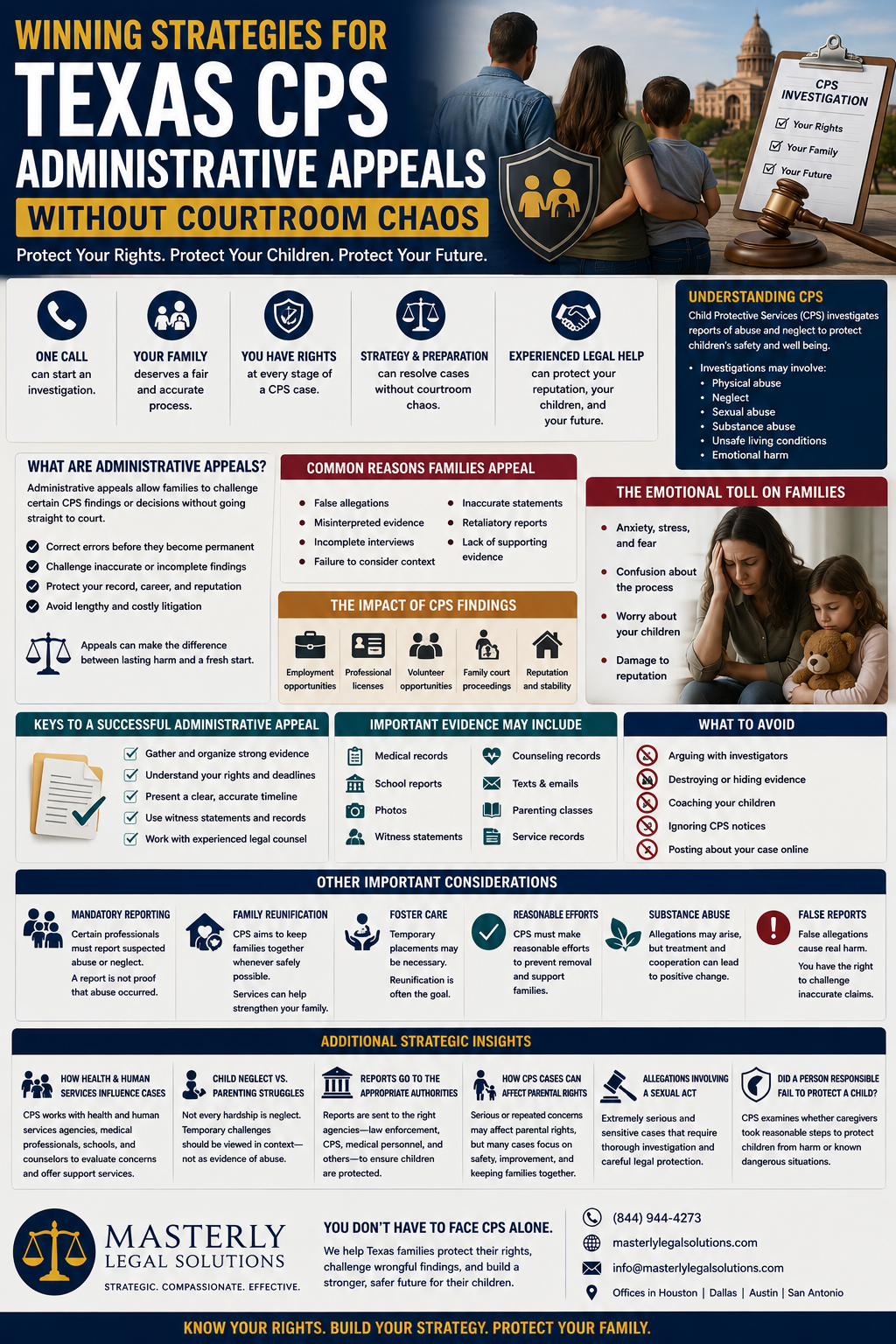
Why Communication With the Child's Parents Is So Important
During every cps investigation, communication between investigators and the child's parents often becomes one of the most important parts of the entire process. Parents are usually expected to answer questions, provide records, discuss concerns involving the child’s safety, and cooperate with requests from the department, which can be especially important for educators who may also need education law guidance for investigations and compliance. Unfortunately, many families feel overwhelmed and confused during these conversations because they are unsure how their statements may later appear in official reports or investigation findings. Clear communication and early legal guidance can help parents better understand their rights while still responding appropriately to the concerns raised during the investigation.
How CPS Evaluates the Alleged Perpetrator During an Investigation
One of the primary goals of child protective services is determining whether the alleged perpetrator poses a risk to the child or other children involved in the case. Investigators may review criminal history, prior cps records, witness statements, medical reports, and other evidence while evaluating the allegations, much like how the TEA conducts teacher license investigations and disciplinary reviews in education cases. In some situations, the accused individual may feel unfairly judged before all of the facts are fully reviewed, especially when emotions are already high within the family. Because these accusations can affect employment, custody rights, and long-term reputation, families should take the investigation process seriously from the very beginning.
The Challenges Involved in Investigating Allegations of Abuse or Neglect
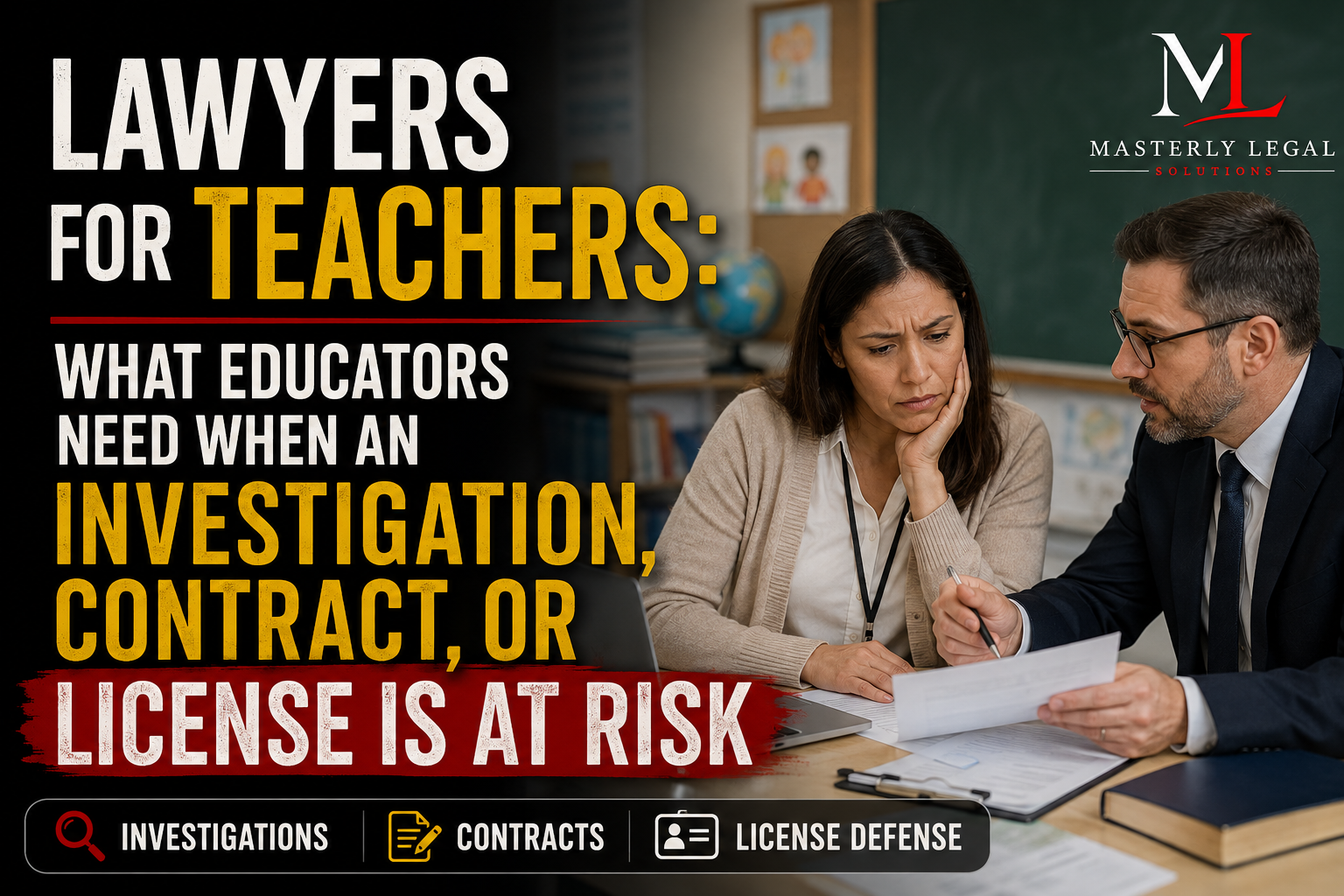
Investigating allegations involving abuse or neglect is rarely simple because every family situation is different and many cases involve emotional or conflicting information. CPS investigators must review interviews, examine evidence, evaluate safety concerns, and determine whether the child may face current or future risk of harm. In some cases, the department receives incomplete or inaccurate information that later creates confusion during the investigation process. Families often become frustrated when they believe investigators formed opinions too quickly without fully understanding the circumstances surrounding the report, and educators in similar situations may need legal protection to defend their rights and careers.
Understanding What Investigation Results Can Mean for Families
The investigation results issued by cps can have long-lasting consequences for parents, caregivers, and children even after the case is officially closed. Depending on the findings, families may face court proceedings, service recommendations, foster care involvement, or future scrutiny from child protective services. Some parents are surprised to learn that investigation findings may also affect employment opportunities or future custody disputes involving the child, just as a TEA complaint can trigger disciplinary proceedings and legal consequences for Texas educators. Reviewing these results carefully and understanding whether errors exist in the report can be extremely important for protecting a family’s future stability and reputation.
The Role of a Social Worker During CPS Cases
A social worker may become involved during a cps investigation to help evaluate the family’s situation, assess the child’s well being, and identify whether additional support services may be needed. Social workers often communicate with schools, counselors, medical providers, and family members while gathering information about the child’s environment and safety concerns. In some situations, they may also help connect families with counseling, parenting resources, or family based safety services designed to reduce future risks. Although many social workers genuinely want to support families, parents should still understand how statements and observations may become part of official cps documentation.
Why Investigator Conduct Matters During CPS Investigations
The conduct of investigators during a cps case can significantly affect how families experience the process and how reliable the final findings may be. Parents often expect investigators to remain professional, objective, and respectful while gathering evidence and reviewing allegations involving abuse or neglect. Problems may arise when families believe an investigator ignored evidence, relied on assumptions, or treated the family unfairly during interviews or home visits. Maintaining proper professional conduct throughout the investigation helps protect both the integrity of the process and the rights of everyone involved.
Why the Date of Important Events Can Affect a CPS Case
The date connected to specific events, injuries, reports, or interviews can become extremely important during a cps investigation because timelines often help investigators determine whether allegations are consistent with the available evidence. Families should carefully document when certain incidents occurred, when cps made contact, and when meetings or interviews took place throughout the process. Small differences involving dates may sometimes reveal misunderstandings or inconsistencies within witness statements or official reports. Organized timelines and accurate records often help families present a clearer picture of the events surrounding the investigation.
How CPS Uses Data During Investigations
Modern cps investigations often rely heavily on data collected from interviews, prior reports, school records, medical records, and law enforcement databases. Investigators may review historical information connected to the family, previous allegations, criminal background checks, or prior contact with protective services while evaluating current concerns. While data can help identify patterns involving safety risks, inaccurate or incomplete information may also create unfair assumptions about a family’s situation, similar to how educators rely on education lawyers to navigate TEA data and disciplinary processes. Parents should understand that much of the information gathered during the investigation may later appear in compliance reports, court proceedings, or administrative findings.
How One Person’s Statement Can Change a CPS Investigation
Sometimes a cps investigation changes direction because of statements made by a single person involved in the case. This could include a teacher, neighbor, relative, counselor, medical provider, or another witness who reports suspected abuse or neglect to the department. Even when the allegations later prove inaccurate, one statement may still trigger interviews, home visits, and extensive investigation procedures involving the family. Because these cases can escalate quickly, families should avoid assuming the situation will simply disappear on its own and should instead take proactive steps to understand the process and protect their rights.
Speak With Masterly Legal Solutions About CPS Compliance Reporting
When families become involved in a cps investigation, the confusion and stress can feel overwhelming. Questions about compliance reports, investigation findings, court orders, safety plans, and child protective services procedures often leave parents uncertain about what steps they should take next.
At Masterly Legal Solutions, we understand how emotionally difficult these cases can become for families and children. Our team works closely with parents, caregivers, and individuals facing cps concerns throughout Texas. Whether your situation involves allegations of abuse or neglect, disputes over investigation findings, foster care concerns, or questions about compliance reporting documentation, we are prepared to help you understand your rights and options.
Every cps case is unique, and early action can make a meaningful difference. If you have concerns about a cps investigation, compliance reporting records, or court proceedings involving your child and family, contact Masterly Legal Solutions at (972) 236-5051 for a free consultation. Speaking with experienced professionals early may help protect your family, your future, and your peace of mind during this difficult time.
Disclaimer: This article is provided for informational and educational purposes only and should not be considered legal advice. Reading this article does not create an attorney-client relationship with Masterly Legal Solutions. Every cps investigation, court proceeding, and compliance reporting matter depends on the specific facts and circumstances involved. Families should consult directly with a qualified legal professional regarding their own situation and rights under Texas law.







Looking for Legal & Business Solutions? Contact Us Now
Fill in the form or call us to set up a meeting