
How Mishandled School Investigations Lead to Lawsuits and How Legal Counsel Prevents I
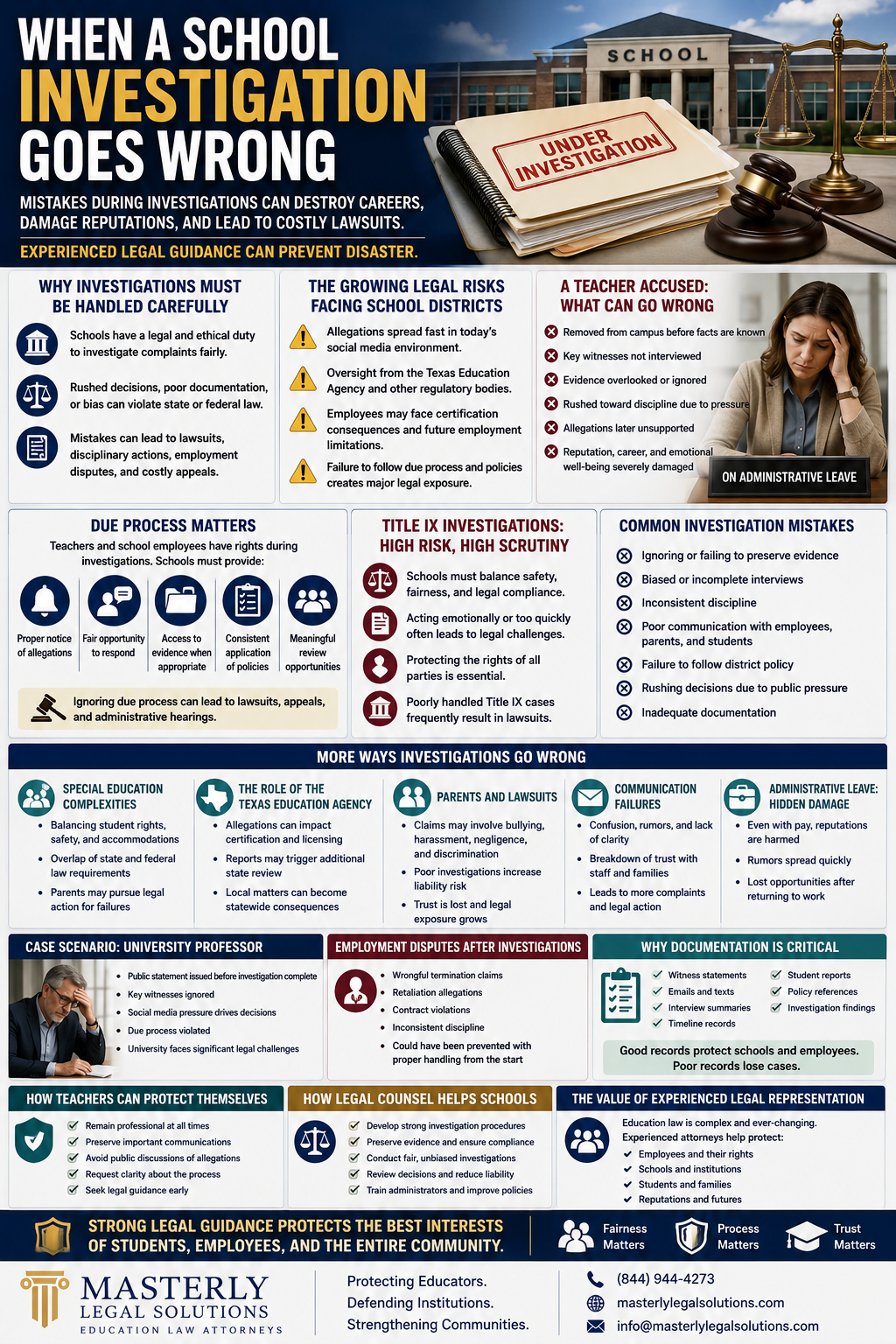
When a School Investigation Goes Wrong
Most people assume that when schools open an investigation, the process will be fair, organized, and focused on finding the truth. Unfortunately, that is not always what happens behind closed doors. In many situations, school administrators are forced to make quick decisions while dealing with pressure from parents, staff members, media attention, and concerns about liability. When emotions rise and communication breaks down, even a small mistake during an investigation can lead to serious legal issues.
For teachers and other school employees, the emotional impact of a poorly handled investigation can be devastating. A simple allegation may suddenly place a career, professional reputation, and teaching certificate at risk. Some educators are placed on administrative leave without a full explanation, while others are pressured into meetings without understanding their rights or the possible consequences of their statements.
At Masterly Legal Solutions, we have seen how mishandled investigations create long-term problems for schools, administrators, educators, and families. What begins as an internal concern can quickly turn into lawsuits, disciplinary proceedings, employment disputes, and costly appeals. In many cases, these situations could have been prevented if experienced education lawyers had been involved early in the process.
Why School Investigations Require Careful Handling
Schools have a legal and ethical responsibility to investigate complaints involving students, teachers, faculty members, and administrators. Whether the allegation involves misconduct, discrimination, bullying, sexual harassment, Title IX concerns, or policy violations, educational institutions are expected to respond appropriately and protect everyone involved.
The problem is that many schools underestimate how quickly legal challenges can develop. A rushed investigation, poor documentation, inconsistent discipline, or failure to follow due process may create major legal issues for the district and the employees involved. Even well-meaning administrators can make decisions that unintentionally violate state law or federal law.
In Texas education settings, investigations often involve multiple layers of rules and procedures. Public school systems, private schools, charter schools, colleges, and universities may all operate under different standards. Without proper legal guidance, administrators may accidentally mishandle evidence, violate employee rights, or expose the district to lawsuits.
The Growing Legal Risks Facing School Districts
Modern school investigations are more complicated than they were years ago. Schools now face growing scrutiny from parents, community members, state agencies, and social media. Even a minor allegation can spread quickly throughout the community and damage reputations before the investigation is complete.
School districts also face pressure from the Texas Education Agency and other regulatory bodies. Investigations involving educators may affect educator certification, employment contracts, or future employment opportunities. In some cases, allegations trigger reports to the state board or additional review by outside agencies.
Legal challenges often arise when schools fail to follow a fair process. Employees may claim the investigation was biased, retaliatory, or inconsistent with district policy. Students and parents may argue that administrators ignored safety concerns or failed to protect children from harm. Once lawsuits begin, the financial and reputational consequences can become severe.
A Teacher Accused Without Proper Investigation Procedures
Imagine a public school teacher who is suddenly accused of inappropriate classroom behavior by a student. The school immediately removes the teacher from campus and places the educator on administrative leave before gathering all the facts. Rumors spread throughout the school community within hours, and parents begin demanding termination.
During the investigation process, administrators fail to interview key witnesses who could have supported the teacher’s version of events. Surveillance footage is overlooked, and inconsistent student statements are never fully reviewed. Instead of carefully examining the evidence, administrators rush toward disciplinary actions because they fear public backlash.
Months later, the allegations are found to be unsupported. However, the teacher’s reputation has already been severely damaged. The educator struggles emotionally, loses professional opportunities, and faces long-term harm to career advancement. Situations like this often lead to employment disputes and legal matters that could have been avoided with proper legal representation from the beginning.
How Due Process Protects Teachers and Schools
Due process is one of the most important parts of education law. Teachers, administrators, and school employees have rights that must be respected during investigations and disciplinary proceedings. Schools that ignore those protections may face lawsuits, appeals, and administrative hearings.
Due process often includes:
- Proper notice of allegations
- Fair opportunities to respond
- Access to evidence when appropriate
- Consistent application of policies
- Neutral decision-making procedures
- Meaningful review opportunities
When schools fail to provide due process, employees frequently feel targeted or unfairly treated. Legal support from an experienced attorney may help protect educators navigating these stressful situations while also helping schools avoid costly mistakes.
Mishandled Title IX Investigations Create Serious Problems
Title IX investigations have become one of the most sensitive areas in modern education law matters. Schools are expected to investigate allegations involving harassment, discrimination, and sexual misconduct carefully while protecting the rights of all parties involved.
Unfortunately, some schools respond emotionally rather than legally. Administrators may feel pressure to act immediately without fully understanding the legal requirements tied to Title IX investigations. This can create problems for accused employees, complaining parties, and the school itself.
For example, a university may suspend a faculty member before reviewing evidence or interviewing witnesses. Another school may fail to protect a student who reported harassment, leading to additional claims involving retaliation or negligence. Mishandled Title IX investigations frequently result in lawsuits because schools fail to balance fairness, safety, and legal compliance properly.
Why Teachers Often Feel Alone During Investigations
Many teachers enter the education profession because they care deeply about students and their community. When accusations arise, educators are often shocked by how quickly relationships within the workplace can change. Coworkers may stop communicating, parents may become suspicious, and administrators may focus more on protecting the district than supporting the employee.
A teacher who has spent years building trust within a school can suddenly feel isolated overnight. Some educators describe the investigation process as one of the most stressful experiences of their lives. Fear about losing employment, damaging professional reputations, or facing public embarrassment can become overwhelming.
An education attorney for teachers can help educators better understand their rights and responsibilities during these investigations. Early legal guidance often helps prevent mistakes that could negatively affect future legal matters or disciplinary hearings.
When Schools Ignore Evidence
One of the most common mistakes in school investigations involves failing to review all available evidence fairly. In some cases, administrators become focused on confirming assumptions instead of discovering the truth. Once this happens, investigations may become biased and unreliable.
For example, a school may rely heavily on one complaint while ignoring emails, witness statements, or records that contradict the allegations. Another school may fail to preserve evidence properly, making it difficult to defend later decisions during administrative hearings or appeals.
These mistakes often create legal challenges because courts and hearing officers expect schools to conduct thorough and objective investigations. Legal counsel can help schools establish fair procedures that reduce the likelihood of these errors occurring.
Problems Caused by Poor Communication
Communication failures create many legal issues during school investigations. Employees are sometimes left confused about allegations, timelines, or expectations during the process. Parents may feel ignored, while students may feel unsupported or unsafe.
In one example, a charter school failed to explain investigation procedures clearly to both parents and employees. As rumors spread throughout the school community, tensions escalated and trust disappeared. Eventually, both employees and parents hired lawyers because they believed the school was withholding important information.
Clear communication does not mean sharing confidential details publicly. Instead, schools should ensure that individuals involved understand the process, available protections, and expected timelines. Proper legal services often help administrators create better communication practices during sensitive situations.
Investigations Involving Special Education Concerns
Investigations involving special education students can become especially complicated. Schools must balance student safety, educational rights, disability accommodations, and compliance with state law and federal law requirements.
Parents of children with disabilities may believe schools failed to provide appropriate support or protections during incidents involving bullying, discipline, or classroom accommodations. Teachers and administrators may also face scrutiny regarding how they handled student behavior connected to disabilities.
In these situations, education law issues often involve multiple agencies and overlapping legal standards. Schools that mishandle investigations involving special needs students may face lawsuits, complaints, or administrative reviews. Skilled lawyers familiar with education law can help schools and employees navigate these complex legal issues more effectively.
The Role of the Texas Education Agency
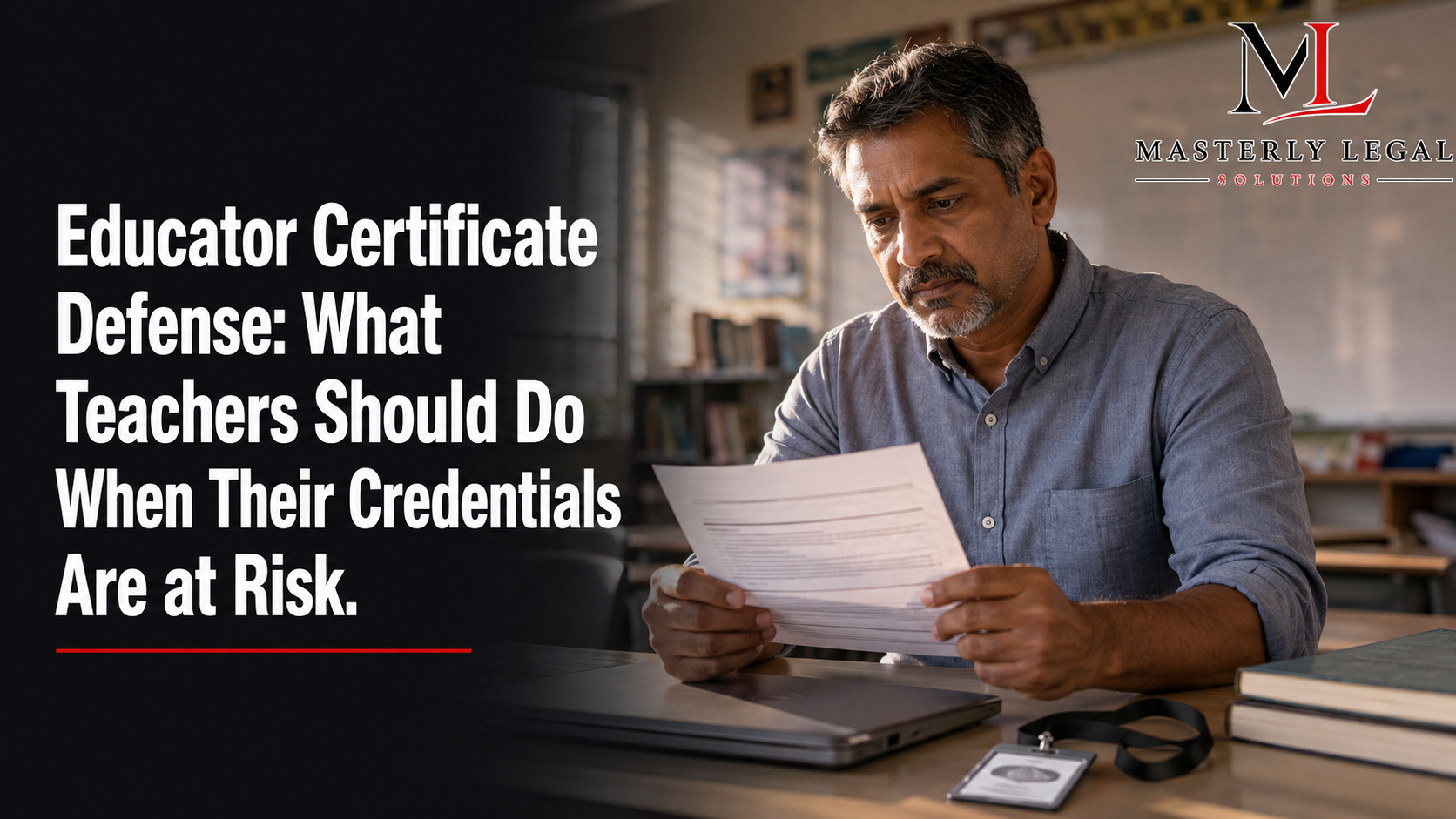
The Texas Education Agency plays an important role in overseeing certain education matters throughout Texas. In some cases, investigations involving teachers or administrators may eventually affect educator certification or professional licensing status.
A complaint involving misconduct, ethics violations, or criminal allegations can trigger additional review beyond the local district level. Educators may face disciplinary proceedings connected to their teaching certificate even after district investigations conclude.
Texas educators often underestimate how serious these situations can become. A local employment matter may eventually affect statewide certification status, future employment opportunities, and professional standing within Texas education systems.
When Parents File Lawsuits Against Schools
Parents often pursue legal action when they believe schools failed to protect students properly. These lawsuits may involve allegations connected to bullying, harassment, discrimination, negligence, or improper supervision.
For example, a family may claim school administrators ignored repeated complaints about student threats or violence. Another situation may involve allegations that schools failed to respond appropriately to harassment involving children with disabilities.
Schools that fail to investigate complaints properly often face stronger legal challenges because documentation gaps and inconsistent procedures weaken the district’s defense. Early involvement from an education law firm may help schools reduce liability exposure and improve investigation practices before problems escalate.
Administrative Leave and the Damage It Can Cause
Administrative leave is commonly used during school investigations, but the decision can still create long-term harm even when the employee continues receiving pay. Teachers placed on leave often experience embarrassment, stress, and damage to their professional reputation.
In smaller communities, rumors spread quickly. Students, parents, and coworkers may assume the employee engaged in serious misconduct even before the investigation ends. Some teachers report losing coaching positions, leadership opportunities, or future promotions after returning to work.
An attorney may help educators better understand how administrative leave decisions affect employment rights and future disciplinary proceedings. Legal representation also helps ensure that schools follow fair procedures during investigations.
Case Scenario Involving a University Faculty Member
Consider a university professor accused of inappropriate conduct during a classroom discussion. The university immediately removes the faculty member from teaching duties and issues a public statement before completing its review.
During the investigation, administrators fail to interview students who attended the class and supported the professor’s explanation. Instead, they rely primarily on online complaints and public pressure from social media campaigns. The faculty member eventually files appeals after discovering major inconsistencies in the investigation process.
The university later faces significant legal challenges because it failed to provide due process protections and acted prematurely. Situations like this show how colleges and universities can expose themselves to lawsuits when investigations are poorly managed.
How Legal Counsel Helps Schools Avoid Mistakes
Many lawsuits involving schools could have been avoided with early legal support. Education lawyers help administrators understand how to conduct investigations fairly while complying with education law requirements.
An experienced lawyer may help schools:
- Develop investigation procedures
- Preserve evidence properly
- Conduct fair interviews
- Review disciplinary recommendations
- Protect student and employee rights
- Reduce liability risks
- Maintain compliance with state law and federal law
Legal counsel also helps administrators remain objective during emotionally charged situations. This often reduces the likelihood of rushed decisions or inconsistent treatment.
Challenges Facing Charter Schools
Charter schools often face unique legal challenges because they operate differently from traditional public school systems. Administrators may have fewer internal resources and less experience handling complicated investigations involving employees or students.
In some cases, charter schools fail to establish consistent policies for handling complaints, disciplinary actions, or Title IX concerns. Without clear procedures, investigations may appear disorganized or unfair.
Parents, teachers, and administrators within charter schools frequently benefit from legal guidance during sensitive investigations. Strong policies and legal oversight help reduce confusion and improve fairness throughout the process.
Employment Disputes Following Investigations
Employment disputes frequently develop after investigations conclude. A teacher may claim wrongful termination, retaliation, or unfair treatment during disciplinary hearings. Administrators may argue that the district violated contractual rights tied to a term contract.
In many cases, the dispute could have been prevented if the school handled the investigation more carefully from the beginning. Poor communication, inconsistent discipline, and lack of documentation often create problems that later become lawsuits.
Education law attorneys regularly assist educators and schools with resolving these employment disputes before they escalate further.
Why Documentation Matters in Every Investigation
Good documentation is one of the strongest protections schools have during investigations. Courts, hearing officers, and agencies often review records carefully when evaluating legal matters connected to schools.
Important documentation may include:
- Witness statements
- Emails and text messages
- Interview summaries
- Timeline records
- Student reports
- Policy references
- Investigation findings
When documentation is incomplete or inconsistent, schools may struggle to defend their decisions during appeals or administrative hearings.
Investigations Involving School Administrators
School administrators often face difficult decisions during investigations. They must balance student safety, employee rights, community expectations, and district policies simultaneously.
Unfortunately, some administrators make decisions based on pressure rather than evidence. Fear of media attention or public criticism sometimes causes schools to act too quickly without completing a full review.
Administrators also face personal legal challenges when accusations involve discrimination, retaliation, or due process violations. Legal guidance helps administrators make better decisions while protecting both the school and the individuals involved.
How Public and Private Schools Face Similar Risks
Although public and private schools operate under different legal frameworks, both types of institutions face risks when investigations are mishandled. Private schools may have more flexibility in employment decisions, but they can still face lawsuits involving negligence, discrimination, or breach of contract.
Public school systems often face additional procedural requirements tied to state law, due process protections, and government oversight. However, both environments require fair investigations and proper documentation.
Regardless of the type of school involved, early legal representation often helps reduce mistakes and improve outcomes.
The Emotional Toll on Educators
Many educators describe investigations as emotionally exhausting experiences. Teachers often spend years building relationships with students, parents, and coworkers. An allegation can suddenly make them feel isolated within their own workplace.
Some educators experience anxiety, depression, sleep problems, or fear about their future during investigations. The stress becomes even worse when administrators fail to communicate clearly or treat the employee unfairly.
Educators navigating these difficult situations often benefit from speaking with an education lawyer early in the process. Legal guidance may help reduce uncertainty and protect long-term career interests.
How Mishandled Investigations Affect Students
Poorly handled investigations do not only affect employees. Students may also suffer when schools fail to manage situations properly. Delayed responses, inconsistent discipline, or poor communication can create confusion and distrust among students and parents.
For example, students may feel unsafe if they believe schools ignored complaints involving harassment or threats. Other students may feel confused when a teacher suddenly disappears from campus without explanation.
Schools that prioritize fairness, transparency, and proper procedures often maintain stronger trust within the school community.
The Importance of Independent Reviews
In certain situations, schools benefit from involving outside professionals or an independent hearing examiner during investigations. Independent reviews may help reduce claims of bias or unfair treatment.
An independent hearing examiner can review evidence, assess witness credibility, and provide recommendations based on the facts rather than political pressure. This approach is especially valuable in high-profile investigations involving serious allegations.
Outside legal counsel also helps schools identify weaknesses in procedures before they become larger legal problems.
Legal Challenges Connected to Social Media
Social media has dramatically changed how school investigations unfold. Allegations involving teachers or students can spread online within minutes, placing enormous pressure on schools to respond quickly.
Unfortunately, rushed public responses often create additional legal issues. Schools may accidentally release confidential information or make statements that damage an employee’s reputation before the investigation is complete.
Teachers and school employees should also be cautious about discussing investigations online. A single post can complicate disciplinary proceedings, employment disputes, or future appeals.
How Universities and Colleges Handle Faculty Investigations
Universities and colleges frequently handle investigations involving faculty disputes, Title IX allegations, student complaints, or academic misconduct concerns. These investigations are often highly complex because they involve employment rights, academic freedom, and institutional policies.
Faculty members may argue that investigations violated free speech protections or failed to provide due process. Students may claim universities ignored complaints or failed to protect their interests properly.
Higher education institutions often rely heavily on legal counsel because of the complexity of these cases and the significant reputational risks involved.
The Connection Between Education Law and Employee Rights
Education law covers far more than classroom instruction. It also affects employment rights, student protections, disciplinary proceedings, and institutional responsibilities.
Teachers, faculty members, administrators, and other school employees often face legal issues connected to:
- Employment contracts
- Certification requirements
- Investigations
- Student safety concerns
- Discrimination allegations
- Special education compliance
- Workplace disputes
Because education law issues are so broad, schools and educators frequently require legal support from attorneys familiar with these unique challenges.
Proposed Termination and the Need for Legal Guidance
A proposed termination can become one of the most stressful moments in an educator’s career. Some teachers receive termination notices after investigations that were incomplete, biased, or poorly documented.
In Texas, employees working under a term contract often have specific rights involving hearings, appeals, and review procedures. Educators facing termination should understand that deadlines may apply quickly.
An attorney with extensive experience in Texas education matters may help protect employee rights during disciplinary hearings and proposed termination proceedings.
Appeals Following School Investigations
Many educators and employees pursue appeals after disciplinary decisions are made. Appeals may involve school boards, administrative hearings, or review through the state office or state board systems.
Successful appeals often focus on procedural errors, inconsistent discipline, lack of evidence, or due process violations. Poorly handled investigations create significant problems for schools when cases reach appeal stages.
Appeals also become more difficult when employees wait too long to seek legal representation.
The Importance of Protecting Reputations
A school investigation can permanently affect an educator’s reputation even if no wrongdoing is found. Parents, students, coworkers, and future employers may remember the allegation long after the investigation ends.
Teachers often spend years building professional credibility within their schools and community. Mishandled investigations can destroy that trust within days.
Legal counsel helps protect not only employment rights but also long-term professional interests and reputations.
Why Schools Need Strong Internal Policies
Strong internal policies help schools respond more consistently during investigations. Without clear procedures, administrators may improvise decisions under pressure, increasing the likelihood of mistakes.
Schools should regularly review policies involving:
- Employee investigations
- Student complaints
- Title IX procedures
- Evidence preservation
- Administrative leave
- Documentation standards
- Reporting obligations
Legal professionals often assist schools with updating policies to ensure compliance with current education law standards.
How Teachers Can Protect Themselves During Investigations
Teachers should take investigations seriously from the beginning. Even informal complaints may eventually affect employment, educator certification, or future opportunities.
Educators can help protect themselves by:
- Remaining professional during meetings
- Preserving important communications
- Avoiding public discussion of allegations
- Requesting clarification about procedures
- Seeking legal guidance early
A lawyer familiar with education law matters may help teachers better understand their rights and obligations throughout the process.
The Value of Experienced Legal Representation
Not every attorney understands the unique challenges connected to schools, universities, and education systems. Education law involves specialized procedures, agency rules, and employment standards that differ from many other legal fields.
An education law firm with extensive experience handling school investigations can provide valuable legal support for both employees and institutions. Skilled lawyers understand how investigations affect educators, administrators, students, and educational institutions at every level.
Whether representing students, teachers, faculty, administrators, or parents, legal counsel often helps reduce mistakes, resolve disputes, and protect long-term interests.
How Legal Counsel Protects the Best Interests of Everyone Involved
Strong legal guidance does more than defend against lawsuits. Proper legal support helps schools create fair systems that protect students, employees, and the broader community.
Schools that work proactively with education lawyers are often better prepared to:
- Handle complaints fairly
- Protect due process rights
- Respond to parent concerns
- Reduce legal risks
- Preserve trust within the community
This proactive approach helps protect the best interests of everyone involved while reducing long-term legal challenges.
How Grievance Hearings Can Prevent Larger Legal Disputes
Many schools and educational institutions use grievance hearings as part of their internal process for resolving workplace disputes and employee concerns before they escalate into larger legal matters. These hearings often allow teachers, administrators, and other employees to formally present concerns involving disciplinary actions, contract disputes, unfair treatment, or investigation procedures. When handled fairly, grievance hearings can help schools resolve problems early while protecting due process rights and maintaining trust within the workplace. However, if administrators ignore evidence, apply policies inconsistently, or fail to follow proper procedures during these hearings, the situation may quickly lead to lawsuits, appeals, or additional legal challenges for both the employee and the school district.
Why Proper Documentation and Every Form Matters During Investigations
One of the most overlooked parts of school investigations involves the paperwork and records created throughout the process. Every form connected to witness interviews, disciplinary notices, complaints, investigation findings, or employee responses may later become important evidence during legal proceedings or appeals. Missing documents, incomplete records, or inaccurate information can create major problems for schools trying to defend their decisions. Teachers and other educators should also carefully review every form they are asked to sign during an investigation because certain statements or acknowledgments could affect employment rights, disciplinary proceedings, or future educator certification matters.
Speak With Masterly Legal Solutions About School Investigation Concerns
When school investigations are mishandled, the consequences can follow educators, administrators, and institutions for years. Careers may be damaged, reputations may suffer, and schools may face expensive lawsuits that could have been avoided with proper legal guidance from the start.
At Masterly Legal Solutions, our law firm understands the real-world challenges facing Texas educators, school employees, administrators, colleges, universities, charter schools, and private schools. We know how quickly investigations can escalate into serious legal matters involving employment, educator certification, due process, disciplinary proceedings, and appeals.
Whether you are a teacher facing allegations, an administrator trying to handle a sensitive investigation properly, or a school seeking proactive legal services, our team is prepared to help. Our attorney team provides legal representation and legal support tailored to the unique needs of clients involved in Texas education matters.
If you need guidance regarding school investigations, disciplinary hearings, Title IX concerns, employment disputes, or other complex legal issues connected to education, contact Masterly Legal Solutions at (972) 236-5051 for a free consultation. Speaking with an experienced education lawyer early may help protect your career, your reputation, and your future.
Disclaimer: This article is provided for informational and educational purposes only and should not be considered legal advice. Reading this article does not create an attorney-client relationship with Masterly Legal Solutions. Every case involving schools, teachers, educators, administrators, students, colleges, universities, or education law issues depends on the specific facts and circumstances involved. Individuals should consult directly with a qualified attorney regarding their own legal matters and legal rights.





Looking for Legal & Business Solutions? Contact Us Now
Fill in the form or call us to set up a meeting