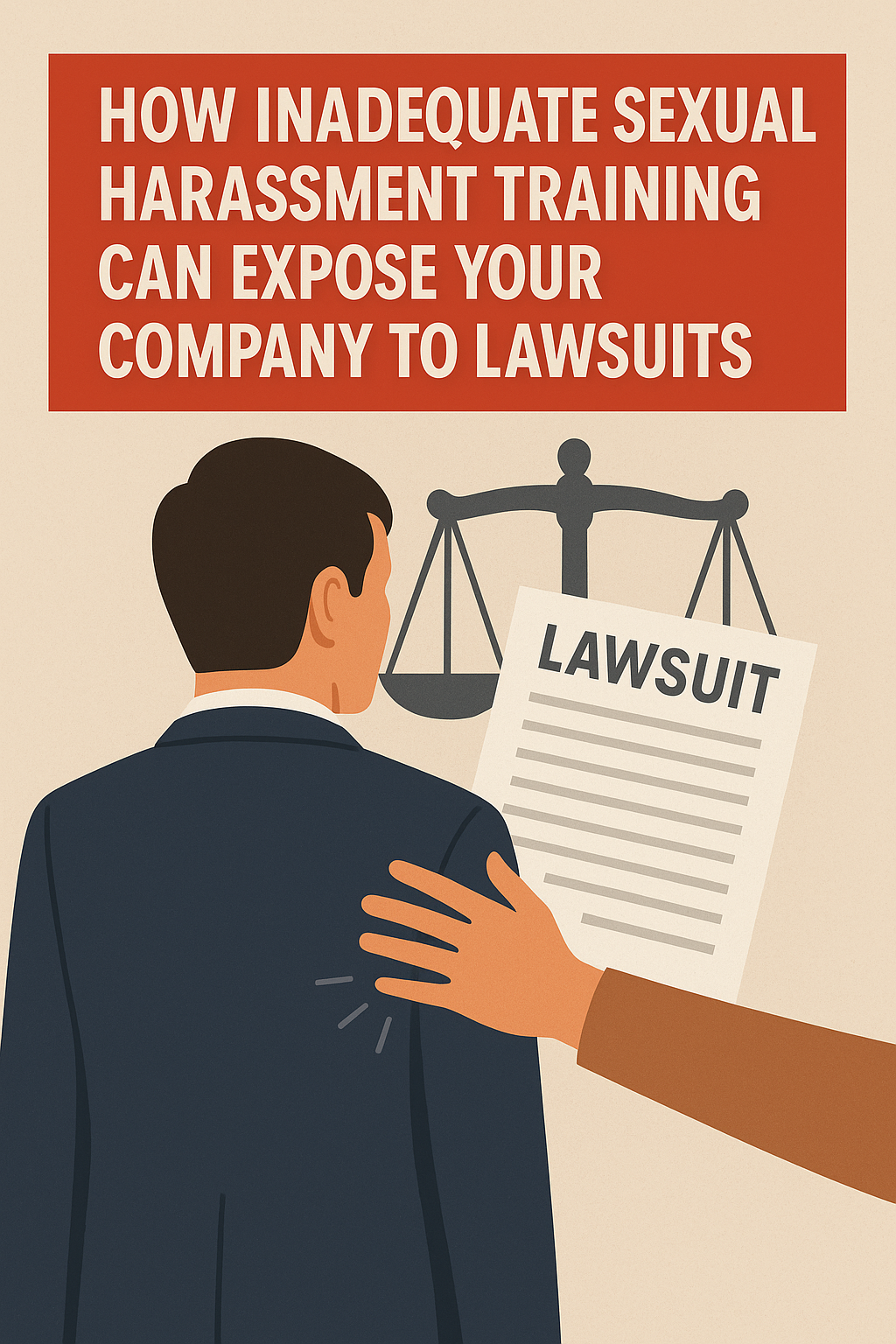
How Inadequate Sexual Harassment Training Can Expose Your Company to Lawsuits
Failing to implement proper sexual harassment training can cost your company far more than you think. This article explores the legal and financial risks of neglecting harassment prevention programs and explains how a well-structured training program can help protect your organization, your employees, and your reputation. Whether you’re a small business or a large corporation, understanding the connection between compliance and liability is essential to maintaining a respectful, lawful, and safe work environment.
Understanding the Importance of Sexual Harassment Training
Sexual harassment training is not just a formality — it’s a legal safeguard. Federal and state laws require employers to take active steps to prevent and address workplace harassment, including sexual harassment. The Equal Employment Opportunity Commission (EEOC) regularly investigates complaints against companies that fail to provide sufficient training or follow proper prevention protocols.
A comprehensive training program helps educate employees and supervisors about what constitutes harassment, acceptable behaviors, and how to respond if inappropriate behavior occurs. Without this, employers risk violating Title VII of the Civil Rights Act of 1964, exposing themselves to lawsuits, fines, and lasting damage to their workplace culture.
What Happens When Training Fails?
When an employer neglects sexual harassment training, the consequences can be severe. Employees who experience harassment may feel unsafe, unsupported, or retaliated against — leading to claims of unlawful harassment and hostile work environment.
Inadequate training may also result in:
- Legal action under federal and state laws
- Financial penalties and EEOC settlements
- Loss of reputation and decreased employee morale
- Difficulty in recruiting and retaining qualified staff
Proper training helps reduce the risk of lawsuits by ensuring that managers and employees understand how to recognize and address harassment in the workplace before it escalates.
Legal Requirements for Sexual Harassment Prevention Training
Each state has its own training requirements for employers. For instance, Connecticut mandates that companies with 15 or more employees complete a 2-hour sexual harassment prevention training session. Similar laws exist in California, New York, and Illinois, with industry-specific adjustments.
Failure to meet these harassment prevention training requirements can result in penalties, government audits, and possible court sanctions. Employers should ensure their training content aligns with both federal and state laws, addressing types of workplace harassment, inappropriate behavior, and workplace violence prevention.
How Inadequate Training Increases Legal Liability
If a company cannot prove that it provided compliant sexual harassment training for employees, it loses one of its strongest defenses in court. The EEOC and other regulatory agencies view training as a sign of good faith compliance. Without it, your company may be seen as negligent or complicit.
Courts have held employers liable for the actions of their managers and supervisors when sexual harassment prevention training requirements were ignored. A single complaint can trigger a company-wide investigation, leading to significant legal fees and public exposure.
Financial Consequences of Ignoring Harassment Training
The financial costs of noncompliance can be staggering. EEOC settlements for sexual harassment in the workplace have exceeded millions of dollars annually. Beyond direct payouts, there are indirect costs such as:
- Legal fees and settlement expenses
- Higher insurance premiums
- Turnover and retraining costs
- Loss of productivity and brand trust
Proper training compliance is a cost-effective investment that protects both your business and your workforce.
Why Online Sexual Harassment Training is Effective
In today’s digital landscape, online sexual harassment training has become a practical and affordable option for businesses. These online training programs ensure accessibility and flexibility, allowing employees to complete their sessions on their own schedules while maintaining compliance.
High-quality online sexual harassment training courses cover key concepts, including:
- Recognizing and addressing inappropriate conduct
- Preventing sexual misconduct and workplace violence
- Understanding sexual harassment prevention policy obligations
When designed well, online training can provide industry-specific examples, video training, and interactive quizzes to reinforce understanding and compliance.
How to Build an Effective Sexual Harassment Training Program
An effective training program should do more than meet minimum state laws — it should create a safe and respectful work environment for everyone. Here are key elements of a compliant program:
- Define what constitutes harassment, including workplace harassment and discrimination
- Explain complaint procedures clearly
- Address both employees and supervisors separately
- Promote inclusivity and respectful and inclusive behaviors
- Include periodic workplace violence training and updates
By making training for employees and managers a recurring part of company culture, employers can foster a respectful work environment and prevent and address issues before they escalate.
Common Mistakes Employers Make in Harassment Prevention
Even well-meaning employers can make costly mistakes when it comes to workplace training. Some of the most common errors include:
- Using outdated or generic training content that doesn’t meet current laws and regulations
- Treating the process as a formality rather than a prevention tool
- Failing to provide refresher courses for managers and employees
- Not documenting participation or completion records
A best practice is to provide training annually and maintain proof of completion. This documentation can serve as critical evidence in demonstrating training compliance.
Supervisor Training: The Front Line of Prevention
Supervisors are often the first to hear about workplace issues. Proper sexual harassment training for supervisors ensures they know how to handle complaints correctly and protect both the complainant and the company.
Supervisors who lack workplace harassment training may inadvertently dismiss or mishandle complaints, worsening the problem and increasing liability. A well-structured training course helps them understand their responsibilities and reinforces accountability.
Compliance and the Role of the EEOC
The EEOC enforces federal and state anti-harassment laws. Employers are expected to comply with all harassment prevention training requirements to minimize workplace risk. In many cases, when an investigation begins, one of the first questions the EEOC asks is whether the company has provided sexual harassment training to its employees.
Failure to provide such training or to maintain training compliance can be interpreted as negligence, leading to increased damages and stricter oversight.
Why Prevention Training for All Employees Matters
Prevention training for all employees — from new hires to upper management — is essential in maintaining a respectful and inclusive workplace. Every employee should understand what behaviors are considered harassment, how to report them, and how to support a safe and inclusive work environment.
Proper sexual harassment prevention training helps reduce the risk of misconduct and supports the company’s goal to create a safe, inclusive, and lawful workplace.
The Link Between Workplace Culture and Harassment
A toxic workplace culture often begins with poor communication and lack of accountability. Without consistent anti-harassment and workplace training, employees may become unsure about acceptable behaviors or fear retaliation for reporting misconduct.
Employers can reduce these risks by:
- Reinforcing sexual harassment prevention policy awareness
- Encouraging open communication
- Conducting annual workplace harassment training
Strong leadership and consistent messaging build a respectful work environment that prioritizes dignity and safety.
The Best Approach to Sexual Harassment Prevention
The best approach to prevention is proactive education. Implementing effective workplace training ensures that every employee understands how to identify, report, and prevent harassment.
Training is not just about meeting state mandates; it’s about building trust and integrity within the workforce. Companies that treat training as crucial develop stronger employee relations and maintain compliance with federal and state laws.
How to Ensure Compliance in All 50 States
Each of the 50 states has varying requirements, making training compliance complex for multi-state employers. Reviewing your company’s practices and consulting legal professionals can ensure compliance with both federal and state laws.
A legal expert can guide you in updating your training course, ensuring that your company meets every state requirement while maintaining a culture of inclusivity and compliance.
Why Every Employer Should Invest in Comprehensive Training
Whether you operate in a small town or across the U.S., investing in a robust sexual harassment training program is vital. Employers who fail to meet training requirements risk lawsuits that can cost millions and irreparable damage to their reputation.
A compliant sexual harassment prevention training initiative demonstrates your commitment to ethics, compliance, and employee well-being — values that benefit both your team and your bottom line.
Key Points to Remember
- Sexual harassment training is legally required in many states and vital for compliance.
- Failing to provide workplace training can result in lawsuits, fines, and brand damage.
- Online sexual harassment training offers flexibility and affordability for all industries.
- Supervisors and managers must receive separate, detailed training courses.
- Maintaining a respectful and inclusive work environment reduces liability and promotes trust.
Contact Masterly Legal Solutions Today
If you’re unsure whether your company’s sexual harassment training for employees meets legal standards, it’s time to take action. At Masterly Legal Solutions, we help businesses across Texas and beyond establish legally sound, comprehensive training programs that protect both employers and employees.
Our experienced attorneys can review your current workplace harassment training program, ensure compliance with federal and state laws, and provide tailored advice to reduce the risk of legal exposure.
Contact us today at (972) 236-5051 for a free consultation. Let’s work together to help your organization provide inclusive, effective, and compliant training that protects your workforce and strengthens your company culture.


Teacher Rights When Assaulted by a Special Needs Student: Safety, Reporting and Investigation Issues

Looking for Legal & Business Solutions? Contact Us Now
Fill in the form or call us to set up a meeting