

Protecting Parental Rights During a CPS Investigation in Dallas
When Your Family Is Suddenly Under Investigation
Few situations feel as overwhelming as learning that child protective services dallas has opened a case involving your family. What may begin as a simple report can quickly turn into a serious legal issue that affects your home, your reputation, and most importantly, your relationship with your children. Parents often feel confused and uncertain about what to do next, especially when a cps investigation begins without warning.
The reality is that once child protective services becomes involved, the process can move quickly. Every conversation, every home visit, and every decision can influence the direction of the case. Understanding your rights early is one of the most important steps you can take to protect your family.
Understanding the Role of Child Protective Services
The role of protective services is to investigate allegations of child abuse or neglect and ensure the child's safety. The Texas Department of Family and Protective Services operates through its family and protective services division to review reports and assess whether intervention is necessary.
When a case is opened, a cps caseworker is assigned to gather facts. This may include interviewing children, speaking with parents, and reviewing information from outside sources such as schools or medical providers. While the stated goal is protection, the process can feel invasive and overwhelming for families.
Why CPS Investigations Feel So Intrusive
A cps investigation often requires access to your home, your routines, and your personal life, especially when allegations arise in sensitive settings such as schools and educational environments. The assigned caseworker may ask detailed questions about your parenting, your schedule, and your household environment. For many families, this level of involvement can feel like a violation of privacy.
However, from CPS’s perspective, these steps are necessary to determine whether the children are safe. The challenge is that decisions are often made based on limited information gathered in a short period of time.
What Triggers a CPS Investigation
Most CPS cases begin with reports from individuals who believe a child may be at risk. These reports can come from teachers, medical professionals, neighbors, or even family members. Once a report is received, CPS is required to review it and decide whether an investigation is necessary.
Common triggers include:
- Allegations of child abuse
- Concerns about neglect
- Unsafe living conditions
- Lack of supervision
Even if the report is incorrect, the investigation process will still move forward until CPS can determine the facts.
The First Contact With a CPS Caseworker
The first interaction with a caseworker is often unexpected. They may arrive unannounced for a home visit and request to speak with you and your children. This moment can set the tone for the entire case.
Parents often feel pressured to cooperate fully, but it is important to understand your rights. You may have the ability to request clarification, ask questions, and seek legal guidance before providing detailed information.
What Happens During a Home Visit
During a home visit, the caseworker will evaluate your living conditions and observe interactions between family members. They may look for signs of neglect, abuse, or any factors that could impact the child’s safety.
This evaluation is not always as straightforward as it seems. Small details can be interpreted differently depending on the situation. That is why it is critical to be prepared and aware of how these visits can influence the case.
How CPS Determines Risk and Safety
CPS uses specific criteria to assess whether a child is at risk. These criteria are based on guidelines from the Texas Department of Family and Protective Services and internal procedures within the division.
The goal is to evaluate whether the children are in danger or whether additional services are needed. However, these decisions are often made quickly and may not fully reflect the reality of the situation.
When CPS Believes Intervention Is Necessary
If CPS believes that a child is at risk, they may take further action, which can sometimes include discussing proactive tools like establishing a power of attorney for your children. This can include offering services, requiring participation in certain programs, or seeking a court order for removal.
In some cases, children may be placed in foster care or state care while the case is reviewed. These decisions can have a significant impact on the family and create long-term challenges.
The Emotional Impact on Parents and Children
CPS involvement can disrupt every aspect of daily life. Parents may feel anxious, frustrated, and uncertain about the future. Children may struggle to understand what is happening and why they are being questioned or separated from their home.
The emotional toll can affect relationships, routines, and overall well-being. This is why it is important to address both the legal and personal aspects of the situation.
Understanding Your Parental Rights
Your parental rights are protected under Texas law, but they can be challenged during a CPS case, making it wise to consider essential legal documents for families that reinforce your wishes and protect your children. Understanding these rights is essential for protecting your relationship with your children.
These rights include:
- The right to legal counsel
- The right to understand the allegations
- The right to respond to claims
- The right to participate in decisions affecting your children
Knowing your rights can help you make informed decisions throughout the process.
The Risk of Losing Custody
One of the most serious risks in a CPS case is the possibility of losing custody of your children. If CPS determines that removal is necessary, they may seek a court order to place the child in state care.
This can happen quickly, sometimes before parents fully understand the situation. Acting early is critical to reducing this risk and protecting your family.
The Role of the Court in CPS Cases
When a case reaches court, the situation becomes more formal. A judge will review the evidence and make decisions about custody, visitation, and required services.
In some situations, a jury may become involved if disputes continue. This stage of the process requires careful preparation and strong legal representation.
Why Hiring an Attorney Matters
Working with an attorney can make a significant difference in how your case is handled. An experienced legal team can help you understand the process, respond to allegations, and represent your interests effectively.
A knowledgeable law office can also guide you through complex legal requirements and ensure that your rights are protected.
How Legal Counsel Protects Your Rights
Legal counsel plays a critical role in CPS cases. They can help you prepare for interviews, respond to requests from the caseworker, and navigate the legal system.
An attorney can also identify potential issues and develop a strategy to defend your case. This support can be invaluable during a stressful and uncertain time.
Common Mistakes Parents Should Avoid
Many parents unintentionally harm their case by making avoidable mistakes. These often occur because of fear or lack of information about the process.
Examples include:
- Speaking without legal guidance
- Failing to document interactions
- Not following recommended steps
- Ignoring the seriousness of the situation
Avoiding these mistakes can improve your chances of a favorable outcome.
The Importance of Documentation
Keeping detailed records is one of the best ways to protect yourself during a CPS case. This includes documenting conversations, visits, and any actions taken by CPS.
These records can provide valuable evidence and help support your position if the case moves to court.
How CPS Evaluates Family Environments
CPS evaluates multiple aspects of your home and family environment. This includes safety, supervision, and access to basic needs.
Even minor issues can be interpreted as signs of neglect, so it is important to address any concerns proactively.
When Disabilities or Special Needs Are Involved
Cases involving children with disabilities can be more complex. CPS may assess whether appropriate care and support are being provided.
Families should be prepared to explain their approach and demonstrate their ability to meet the child’s needs.
The Role of Services and Programs
CPS may recommend or require participation in certain services or programs, similar to how organizations often engage in legal services and customized training to understand and comply with complex requirements. These may include parenting classes, counseling, or other support resources.
While these programs are intended to help, they can also influence how the case is evaluated.
Protecting Your Family’s Future
Taking proactive steps can help protect your family’s future, including developing a personalized estate plan for your family. This includes seeking legal guidance, understanding your rights, and responding carefully to CPS actions.
The goal is to ensure that your voice is heard and your rights are respected throughout the process.
How Masterly Legal Solutions Can Help
At Masterly Legal Solutions, our Texas-based full-service law firm has built a reputation for helping families navigate CPS cases with confidence. With decades of combined knowledge and expertise, we understand how these cases unfold and how to respond effectively.
We collaborate closely with our clients to develop a plan that upholds their rights and advances the objectives of their family. Our approach is both professional and compassionate, ensuring that you feel supported every step of the way.
Guidance Through Complex CPS Cases
CPS cases can be incredibly complex, involving multiple agencies, procedures, and legal considerations that may overlap with other areas where our multi-practice Texas law firm offers support. Our team provides clear guidance and strong advocacy at every stage.
We help families discuss their options, understand their rights, and take action to protect their future.

How CPS Decisions Are Made Around Children and Families
In every CPS case, decisions are guided by what the agency believes are the best interests of the child. This standard is used to evaluate the needs of youth, their safety, and their long-term well-being. However, what CPS defines as appropriate may not always align with the perspective of parents or other adults involved in the child’s life. In some situations, CPS may recommend placement changes, including adoption, especially if they believe reunification is not possible. These decisions can feel sudden and overwhelming, particularly when families are trying to understand how and why certain conclusions were reached.
What Families Should Expect During the CPS Process
As a case progresses, families are often required to submit documentation, participate in programs, and comply with specific requirements set by CPS. A guardian or court-appointed representative may also become involved to advocate for the child’s needs. During this time, families may experience a difficult transition as they adjust to new expectations and limitations, and some may also begin considering trust-based estate planning to safeguard their children’s long-term stability. CPS may also review whether there are any concerns involving exploitation or unsafe conditions within the home. It is important for families to understand what to expect at each stage so they can respond appropriately and protect their rights.
Why Legal Support Can Make a Difference
Navigating a CPS case can feel overwhelming, but you do not have to face it alone. An experienced legal team can assist you in understanding the process, preparing your case, and protecting your family’s future. Every parent and caregiver deserves the opportunity to be heard and to defend their role in their child’s life. With the right guidance, families can take meaningful steps toward stability and resolution, because your family and your children truly deserve a fair and informed process, whether you are seeking focused CPS representation or broader legal services from Masterly Legal Solutions.
Speak With a Child Protective Services Dallas Attorney Today
If your family is involved with child protective services, now is the time to take action. These cases can move quickly, and early decisions often shape the direction of the case.
At Masterly Legal Solutions, we are committed to helping families in Dallas and across Texas protect their rights and their children through our wide range of legal and business services. We understand what is at stake and are ready to stand by your side.
Call (972) 236-5051 today to schedule a free consultation. You can also visit our website to learn more about how we can help. We will take the time to review your situation, answer your questions, and help you move forward with confidence.
Disclaimer: This article is for educational purposes only and does not constitute legal advice. You should consult with an attorney to discuss your specific situation.
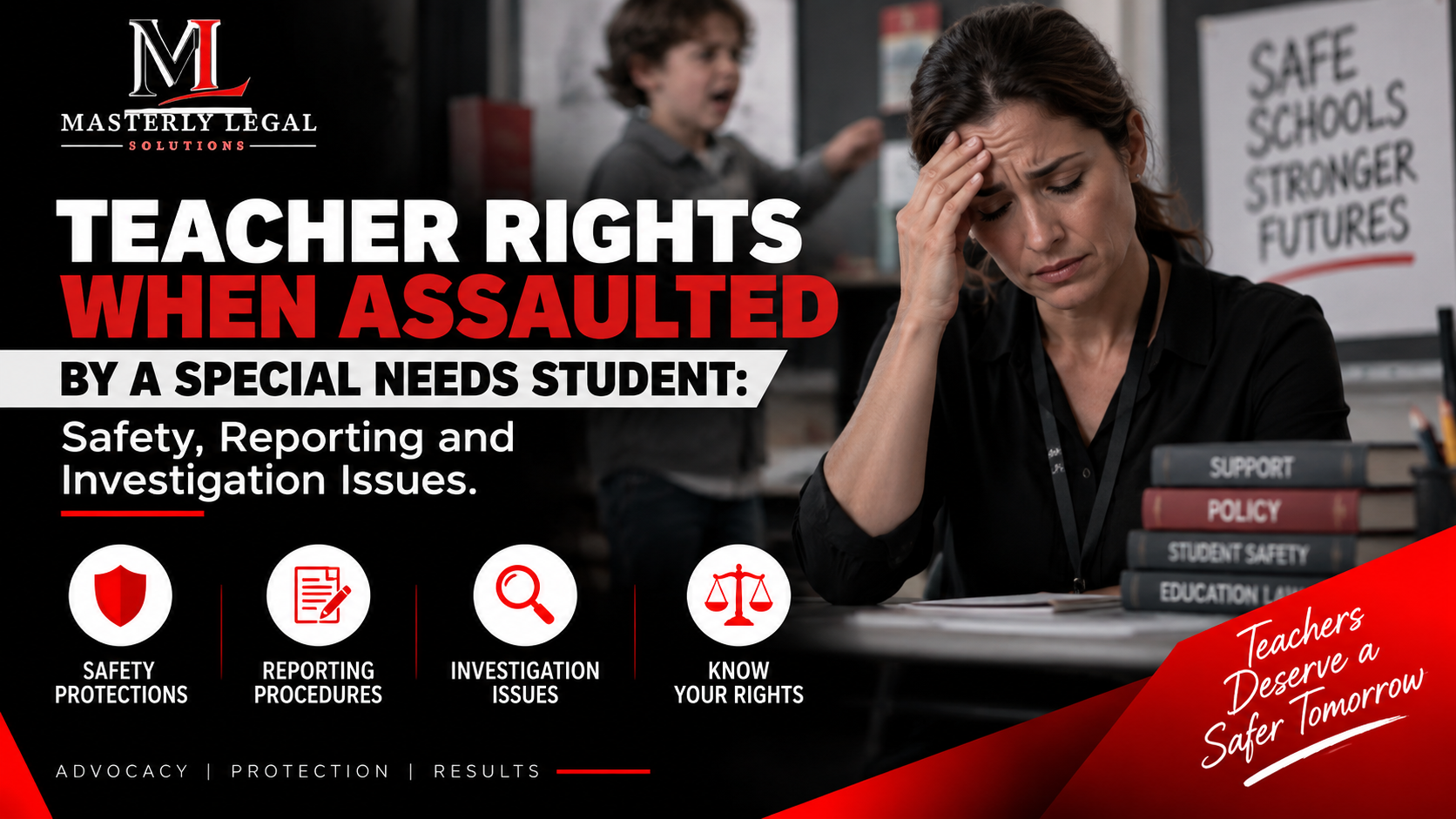
Teacher Rights When Assaulted by a Special Needs Student: Safety, Reporting and Investigation Issues





Looking for Legal & Business Solutions? Contact Us Now
Fill in the form or call us to set up a meeting