

Voluntary Cooperation With CPS in Dallas and the Risks Parents Miss
When parents first hear from Child Protective Services, many instinctively want to cooperate. They want to show they have nothing to hide, that their children are safe, and that the situation will resolve quickly. In Dallas, voluntary cooperation with CPS often feels like the right thing to do, especially when caseworkers emphasize that they are simply gathering information.
What many families do not realize is that voluntary cooperation can carry hidden risks. Statements, documents, and access granted early in a CPS investigation can later be used to justify serious actions. Parents who act without understanding the process may unknowingly weaken their own position.
At Masterly Legal Solutions, we speak with clients who believed cooperation would protect their family, only to find that it accelerated CPS involvement. This article explains what voluntary cooperation really means, how child protective services dallas operates, and what risks parents often miss.
Understanding the Role of Child Protective Services
Child Protective Services exists to investigate reports of child abuse and neglect and to protect children from harm. In Texas, these investigations are handled through the Texas Department of Family and Protective Services, often referred to as family and protective services.
The stated goal of child protective services is child’s safety, not punishment. However, once CPS becomes involved, the agency has significant authority to assess, document, and act. Parents should understand that CPS decisions can affect the entire family.
How CPS Investigations Begin in Dallas
Most CPS cases begin with reports made to the Texas abuse hotline. These reports may come from teachers, medical professionals, neighbors, or even family members. Once a report is accepted, a cps investigation is opened.
At this stage, parents may feel the matter is minor or based on a misunderstanding. However, even unproven allegations become part of CPS records and guide future decisions.
What Voluntary Cooperation Means in Practice
Voluntary cooperation often includes allowing caseworkers into the home, answering questions, and providing documents. CPS may present this cooperation as informal and non-adversarial.
In reality, everything shared becomes relevant information in the investigation. Cooperation does not mean protection from consequences, and it does not limit CPS authority.
Why Parents Often Agree Too Quickly
Parents want to protect children and show they are responsible. Many believe refusing cooperation will make them look guilty.
CPS caseworkers are trained to build rapport and encourage openness. Without legal guidance, parents may share details that are later misinterpreted or taken out of context.
Home Access and Its Long-Term Impact
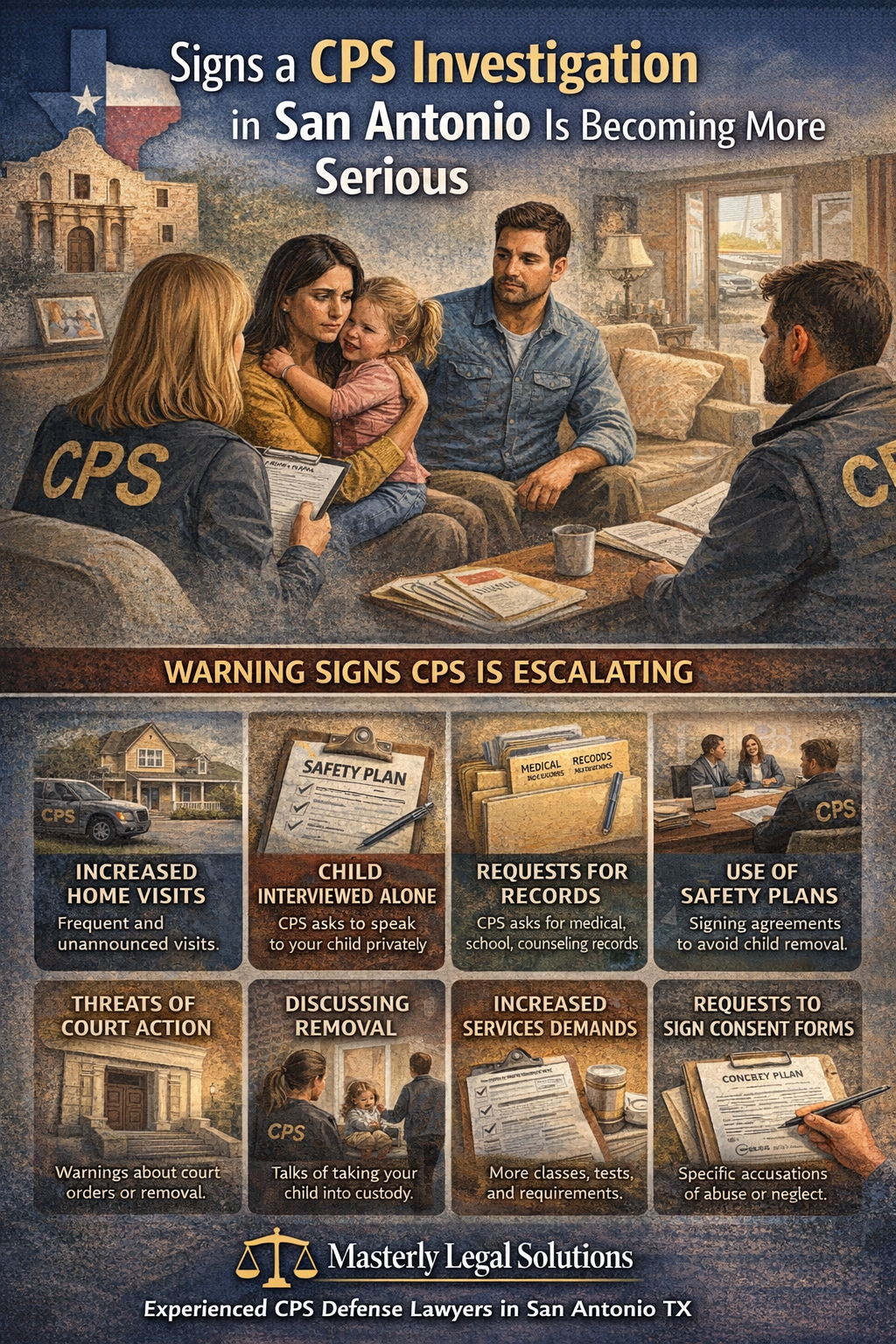
Allowing CPS access to the home is one of the most significant steps parents take. Once inside, caseworkers assess safety, cleanliness, sleeping arrangements, and interactions.
Observations may be recorded as findings even if no immediate danger exists. These findings can influence future decisions, including foster care placement.
Interviews With Children and Family Members
CPS often requests to speak with children alone. They may also interview other family members who live in or visit the home.
Children’s statements carry significant weight in CPS cases. Parents should understand that these interviews shape the investigation outcome.
The Use of Support Services
CPS frequently recommends or requires support services such as parenting classes, counseling, or evaluations. These services are framed as helpful resources.
However, providing services also documents CPS concerns. Participation may later be cited as evidence that abuse or neglect existed.
How Allegations Expand Over Time
Initial allegations may be limited, but CPS investigations can expand. New concerns may arise based on interviews, reports, or observations.
What began as one issue can turn into multiple allegations involving abuse, neglect, or supervision. Expansion increases risk for the family.
Understanding Abuse and Neglect Under Texas Law
Texas law defines abuse and neglect broadly. Child abuse includes physical, emotional, and sexual harm, while neglect can include failure to supervise or provide care.
Many parents are surprised to learn how common parenting decisions can be interpreted as neglect. Understanding these definitions is critical.
The Role of the Texas Department
The Texas Department of Family and Protective Services oversees CPS operations statewide. This department establishes policies, procedures, and reporting requirements.
Caseworkers follow department guidelines, but they also exercise discretion. That discretion can dramatically affect families.
How Findings Are Determined
CPS findings are based on evidence gathered during the investigation. This includes interviews, reports, photographs, and professional assessments.
Findings may be “reason to believe” or “unable to determine.” Even inconclusive findings can remain on record.
Risk of Foster Care Placement
One of the most serious risks parents miss is the possibility of foster care placement. If CPS believes a child’s safety is at risk, removal may occur.
Foster placements can be temporary or long-term. Removal is traumatic for children and families alike.
Emergency Situations and Immediate Action
In emergency situations, CPS may act quickly to protect children. This can include removal without prior notice.
Voluntary cooperation does not prevent emergency action. Parents must be prepared for rapid developments.
How Caseworkers Evaluate Risk
Caseworkers assess risk based on safety, environment, behavior, and history. Their role is to determine whether harm is likely to occur.
These assessments are subjective and influenced by documentation. Early statements can shape the entire narrative.
Why Parents Should Be Informed Before Cooperating
Being informed means understanding rights, limits, and consequences. Parents are not required to answer every question or grant unlimited access.
Legal guidance helps parents cooperate strategically rather than blindly.
The Impact on Parental Rights
CPS involvement can restrict parental rights temporarily or permanently. Court orders may limit custody, visitation, or decision-making.
Protecting parental rights requires early and informed action.
CPS and the Court Process
If CPS seeks court involvement, a hearing may be scheduled. A judge will review evidence and determine next steps.
Court proceedings escalate the seriousness of the case and require legal representation.
The Importance of Legal Representation
A family law attorney experienced in CPS cases helps parents navigate the process. Legal representation ensures rights are protected and communication is managed.
An attorney can challenge allegations, review findings, and advocate on behalf of families.
Criminal Law Overlap in CPS Cases
Some CPS investigations overlap with criminal law. Allegations of serious abuse may be referred to law enforcement.
Statements made voluntarily can be used in criminal proceedings. This overlap increases risk.
Teachers and Mandated Reporting
Teachers are mandated reporters and often initiate CPS reports. These reports may be based on limited information.
Understanding how reports arise helps parents respond appropriately.
How CPS Uses Reports and Reviews
CPS relies heavily on reports and internal reviews. Each report contributes to the agency’s understanding of the family.
Repeated reports increase scrutiny, even if prior allegations were unproven.
Why Families Feel Overwhelmed
The CPS process is complex and emotionally draining. Families often feel confused, frightened, and pressured.
Support and legal guidance help families stay grounded during difficult moments.
Common Mistakes During Voluntary Cooperation
Some common mistakes include oversharing, signing documents without review, and assuming cooperation ends the case.
These mistakes are often unintentional but costly.
Protecting Children While Protecting the Family
Protecting children and preserving families are not opposing goals. Proper defense ensures safety without unnecessary separation.
Balanced advocacy benefits everyone involved.
The Role of CPS Attorneys and Lawyers
CPS lawyers understand agency procedures and court expectations. They know how to defend families effectively.
Experience in CPS defense matters greatly.
Being Prepared Changes Outcomes
Prepared families make informed decisions. Preparation includes understanding rights, risks, and options.
Early preparation often leads to better outcomes.
Why Acting Early Matters
Once CPS findings are made, reversing them is difficult. Acting early preserves options and reduces risk.
Delay allows CPS narratives to solidify.
Contact Masterly Legal Solutions for a Free Consultation
If you are dealing with child protective services dallas and have been told that voluntary cooperation is the best path forward, it is important to understand the full picture before moving ahead. Cooperation without guidance can unintentionally place your family at greater risk.
At Masterly Legal Solutions, we help parents understand their rights, evaluate CPS requests, and respond in ways that protect both their children and their family’s future. Our team offers a consultation to answer your questions and help you make informed decisions during a CPS investigation.
Call (972) 236-5051 today to schedule a free consultation and speak with a professional who understands how CPS operates in Dallas.
Legal Disclaimer: This article is for informational purposes only and does not constitute legal advice. Reading this content does not create an attorney-client relationship. CPS cases depend on specific facts and circumstances, and you should consult a qualified attorney regarding your situation.
Teacher Rights When Assaulted by a Special Needs Student: Safety, Reporting and Investigation Issues







Looking for Legal & Business Solutions? Contact Us Now
Fill in the form or call us to set up a meeting