Employee Misconduct Investigations: How an Internal Investigations Attorney Protects Your Business and Reputation
When Internal Problems Become Serious Legal Threats
Most business owners never expect a trusted employee, executive, or manager to become the center of a major workplace issue. Companies spend years building relationships, creating professional cultures, and protecting the reputation of the organization in the community. Then suddenly, one complaint, one suspicious transaction, or one employee accusation changes everything. What begins as a minor concern inside the workplace can quickly become a damaging legal and public relations crisis if the company fails to respond appropriately.
Many organizations underestimate how dangerous internal employee misconduct allegations can become. Business owners often assume they can quietly handle problems themselves through informal conversations or quick disciplinary decisions. Unfortunately, poorly managed responses may create even greater legal exposure for the company. A failed response can lead to lawsuits, damaged employee morale, government scrutiny, financial losses, and lasting harm to the company's reputation.
At Masterly Legal Solutions, our attorneys help businesses navigate sensitive internal investigations involving employee misconduct, workplace complaints, financial concerns, regulatory violations, and organizational disputes, offering independent investigative services to address issues like harassment, fraud, and discrimination in a legally compliant manner at Masterly Legal Solutions’ internal investigation services. We understand that every investigation affects more than just the immediate allegation. These matters can threaten leadership stability, employee trust, customer confidence, and the long-term future of the entire organization. That is why experienced legal guidance is often critical from the earliest stages of the investigation.
Why Businesses Must Take Internal Complaints Seriously
Many workplace issues begin quietly. A manager may receive anonymous complaints, an employee may report suspicious behavior, or unusual financial activity may appear during routine audits. In other situations, workers raise concerns involving harassment, discrimination, fraud, policy violations, or inappropriate workplace conduct.
Some businesses delay action because leadership hopes the issue will resolve itself. Others hesitate because they fear creating disruption inside the company. Unfortunately, ignoring potential misconduct often increases the legal and financial risk facing the organization.
An effective investigation helps companies determine whether wrongdoing occurred, identify the individuals involved, and evaluate whether corrective action is necessary. Failing to respond properly may expose the business to significant liability later.
What Internal Investigations Actually Involve
Many people assume internal investigations only occur after major scandals or criminal accusations. In reality, businesses of every size conduct investigations involving a wide variety of workplace concerns.
An investigation may involve:
- Employee harassment complaints
- Financial irregularities
- Theft allegations
- Workplace discrimination
- Policy violations
- Retaliation claims
- Data breaches
- Ethical concerns
- Safety violations
- Misuse of company property
These investigations often require reviewing records, interviewing witnesses, evaluating policies, and analyzing whether employees violated company standards or legal obligations.
The Goal of a Workplace Investigation
The purpose of a workplace investigation is not simply to punish employees. A well-structured investigation allows the company to gather facts, evaluate allegations fairly, and protect the business from unnecessary legal exposure.
Businesses must determine whether allegations are credible, whether policies were violated, and whether additional action is necessary. Leadership also needs to assess how the situation may affect employees, clients, vendors, regulators, and the overall organization.
At Masterly Legal Solutions, our attorneys help businesses conduct investigations in a professional and legally defensible manner while protecting the company’s long-term interests.
Why Companies Should Avoid Informal Investigations
One of the biggest mistakes businesses make is trying to handle serious misconduct allegations informally. Managers sometimes conduct quick interviews without documentation, fail to preserve evidence, or make disciplinary decisions before reviewing all the facts.
This approach often creates additional problems later. Employees may claim unfair treatment, retaliation, discrimination, or improper procedures during the investigation process. Important evidence may disappear, witness memories may fade, and inconsistent handling may expose the company to civil claims.
A properly managed investigation helps reduce confusion and demonstrates that the organization responded responsibly to the allegations.
Internal Procedures Matter More Than Many Businesses Realize
Every company should have clear internal procedures for responding to workplace complaints and misconduct allegations. Without consistent procedures, businesses risk making decisions that appear unfair, inconsistent, or legally problematic.
An effective investigation often begins with a clear written plan outlining the scope of the investigation, the individuals involved, the evidence to be reviewed, and the steps necessary to complete the process properly.
Strong internal procedures also help businesses show regulators, employees, and courts that the organization handled the situation professionally and responsibly.
How an Investigation Team Protects the Organization
Complex investigations often require a dedicated investigation team capable of managing sensitive legal, financial, and personnel issues. Depending on the allegations, the team may include attorneys, HR professionals, compliance officers, forensic specialists, or outside consultants.
The team’s role is to gather relevant information, review evidence, interview witnesses, and determine what occurred. An organized approach helps reduce confusion while protecting the integrity of the investigation.
At Masterly Legal Solutions, our attorneys help businesses coordinate investigations carefully while minimizing unnecessary disruption to operations.
Why Preserving Evidence Is Critical
One of the first priorities during any serious investigation is to preserve evidence. Emails, financial records, surveillance footage, personnel files, and electronic communications may all become important later.
Companies should act quickly to secure:
- Electronic records
- Security logs
- Employee communications
- Financial transactions
- Personnel files
- Computer activity
- Cell phone records
- Text messages
- Internal complaints
Failing to preserve evidence may create legal complications, damage credibility, or expose the company to claims of improper conduct.
Witness Interviews Often Shape the Entire Case
Witness interviews are one of the most important parts of any investigation. Employees often provide information that helps investigators determine what happened, when it occurred, and who may have been involved.
However, poorly conducted interviews can create confusion or expose the company to additional claims. Witnesses may feel intimidated, fearful of retaliation, or uncertain about the process.
Experienced attorneys help structure interviews carefully while protecting both the organization and the integrity of the investigation.
Why Witness Statements Must Be Handled Carefully
Written and verbal witness statements frequently become key evidence during workplace disputes and litigation. A poorly documented statement may later create inconsistencies or credibility problems for the company.
Investigators must carefully evaluate witness reliability, conflicting accounts, and possible motives. In some cases, employees may exaggerate concerns, omit important facts, or provide inaccurate information.
Strong investigative procedures help ensure the company gathers reliable factual information before making major decisions.
Human Resources Alone May Not Be Enough
Many businesses initially rely solely on human resources departments to handle workplace complaints. While HR professionals play an important role, serious allegations often require broader legal analysis, dedicated HR consulting and investigation support, and independent oversight.
Issues involving fraud, discrimination, executive misconduct, financial wrongdoing, or possible criminal activity may expose the organization to substantial liability if handled improperly.
An experienced attorney can help ensure the company responds strategically while protecting legal rights and minimizing unnecessary risk.
Attorney Client Privilege Can Protect Sensitive Communications
One major advantage of involving outside legal counsel early is the ability to protect sensitive communications through attorney client privilege. This legal protection may help keep certain investigative discussions confidential during litigation or regulatory reviews.
Businesses often underestimate how important confidentiality becomes during serious investigations. Without legal oversight, sensitive communications may later become discoverable during lawsuits or government inquiries.
Our attorneys help businesses structure investigations in such a way that protects sensitive information whenever legally possible.
Internal Investigators and Legal Oversight
Some companies use internal investigators or compliance personnel to review employee complaints. While internal investigators may understand company operations well, they may also face concerns regarding independence or bias.
Employees sometimes question whether investigations are truly impartial when management controls the process internally. Independent legal oversight may improve credibility while reducing allegations of favoritism or retaliation.
At Masterly Legal Solutions, we help organizations balance internal knowledge with objective legal guidance throughout the investigation process.
Conducting Investigations Without Creating More Problems
Poorly managed investigations sometimes create bigger legal issues than the original complaint itself. Employees may later claim retaliation, unfair treatment, discrimination, or improper discipline during the investigation.
An organization must carefully manage communications, confidentiality, documentation, and disciplinary decisions while the matter remains under review. Mistakes during the process may significantly increase legal exposure later.
This is why experienced counsel is so important when handling sensitive workplace matters.
Government Agencies May Become Involved
Some investigations eventually attract attention from government agencies or regulatory authorities. Allegations involving financial misconduct, discrimination, harassment, environmental violations, or fraud may trigger outside scrutiny.
Depending on the allegations, businesses may encounter:
- Labor agencies
- Regulatory boards
- Law enforcement
- Licensing authorities
- Federal investigators
- The exchange commission
- Other governmental agencies
An internal investigation conducted properly from the beginning may help reduce confusion and strengthen the company’s position if outside agencies become involved later.
Criminal Investigations and Criminal Liability Concerns
Some workplace misconduct allegations may eventually lead to criminal investigations or allegations involving possible criminal liability. Financial fraud, embezzlement, document destruction, bribery, and theft may expose both employees and businesses to serious legal consequences.
In these situations, businesses must respond carefully to avoid worsening their legal exposure. Mishandling records, interfering with witnesses, or failing to preserve evidence may create additional problems.
Our attorneys help businesses navigate investigations involving potential criminal concerns while protecting organizational interests.
Criminal Prosecution Risks for Businesses
Certain investigations may eventually expose individuals or organizations to possible criminal prosecution. Allegations involving financial crimes, regulatory violations, or intentional misconduct may attract federal or state prosecutors.
In some cases, businesses receive subpoenas, records requests, or inquiries connected to ongoing investigations. Matters involving grand jury subpoenas or law enforcement requests require immediate legal attention.
An experienced attorney helps businesses respond strategically while protecting the company’s legal rights.
Why Company Policies Matter During Investigations
Clear company policies are essential during misconduct investigations. Policies help establish workplace expectations, define prohibited conduct, and guide disciplinary decisions.
However, businesses must also apply policies consistently. Inconsistent enforcement may expose the company to claims involving discrimination, retaliation, or unfair treatment.
Strong policies combined with careful investigations help organizations reduce legal exposure and improve workplace accountability.
Determining the Scope of the Investigation
One of the first steps during any investigation is determining the scope of the review. Businesses must decide what issues are being examined, what records should be reviewed, and which employees may be involved.
Expanding the scope too broadly may waste resources and create unnecessary disruption. Limiting the scope too narrowly may prevent investigators from identifying important evidence or additional wrongdoing.
An experienced investigator helps businesses balance efficiency with thoroughness throughout the process.
Reviewing Relevant Documents and Reports
Document review is often one of the most time consuming parts of an investigation. Businesses may need to examine contracts, emails, personnel files, accounting records, compliance logs, and other documents connected to the allegations.
Investigators often review:
- Financial reports
- Personnel records
- Security logs
- Internal complaints
- Vendor agreements
- Audit materials
- Employee communications
- Regulatory filings
Careful review of relevant documents helps investigators evaluate the accuracy of allegations and determine what corrective actions may be necessary.
The Role of the Legal Department During Investigations
A company’s legal department often plays a critical role during internal investigations. Attorneys help guide strategy, protect confidentiality, evaluate liability risks, and ensure the organization complies with applicable laws, and many organizations benefit from outside general counsel services to manage these obligations effectively.
In some cases, businesses also work with in house counsel alongside outside attorneys handling the investigation. Coordination between departments is essential for maintaining consistency and protecting sensitive information.
At Masterly Legal Solutions, we work closely with corporate leadership and legal teams during complex investigations.
How Corrective Actions Protect the Company
Once the investigation is complete, businesses must determine whether corrective actions are necessary. Depending on the findings, the organization may need to revise policies, discipline employees, improve training, or strengthen oversight procedures.
Corrective actions help demonstrate that the company responded responsibly to misconduct concerns. They may also reduce future legal exposure and improve workplace accountability.
An effective response focuses not only on addressing the immediate issue but also preventing future problems.
Investigation Findings and Final Reports
At the end of the investigation, businesses often prepare an investigation report or other written report summarizing the findings. This document may outline the allegations, evidence reviewed, witness interviews conducted, and conclusions reached.
The final report often becomes an important business record. In some situations, regulators, courts, or outside investigators may later review these materials.
A carefully prepared report helps demonstrate that the organization conducted a fair and professional investigation.
Why Many Organizations Fail During Internal Investigations
Unfortunately, many organizations make avoidable mistakes during workplace investigations. Some companies react emotionally, delay action, or attempt to conceal problems rather than address them properly.
Others fail to document interviews, protect evidence, or maintain confidentiality. These mistakes often increase liability and damage credibility during later litigation or regulatory reviews.
Experienced legal guidance helps businesses avoid these costly errors while protecting the organization’s reputation.
Civil Litigation and Employee Misconduct Claims
Poorly handled investigations often lead to civil litigation involving former employees, vendors, shareholders, or other parties. Claims may involve wrongful termination, retaliation, discrimination, harassment, or breach of contract allegations.
In some cases, businesses also face civil suits connected to financial misconduct, regulatory violations, or failures in oversight. The quality of the internal investigation may significantly affect how courts view the company’s response later.
A thorough investigation may help reduce liability while improving the organization’s legal position.
Negative Publicity Can Damage the Company’s Reputation
One major concern during workplace investigations is the possibility of negative publicity. News of misconduct allegations can spread quickly among employees, clients, customers, and the public.
Even unproven allegations may damage trust and affect the company’s reputation for years. Mishandling investigations often increases media attention and public criticism.
At Masterly Legal Solutions, our attorneys help businesses respond strategically while protecting the company’s reputation and long-term stability.
Employee Disputes and Organizational Stability
Investigations involving employee disputes often create tension throughout the workplace. Employees may become anxious, distracted, or uncertain about leadership decisions during the investigation process.
Poor communication may damage morale and create additional workplace conflict. Businesses must carefully manage communications while maintaining professionalism and confidentiality.
Strong leadership and experienced legal guidance help organizations maintain stability during difficult situations.
How Businesses Determine Appropriate Disciplinary Action
At some point, the company decides whether disciplinary action is necessary based on the investigation findings. Discipline may range from warnings and retraining to suspension or termination depending on the circumstances.
However, disciplinary decisions should never be rushed or based on assumptions alone. Businesses must carefully evaluate the evidence, witness statements, and legal risks before acting.
Fair and consistent discipline helps protect the organization from future claims while reinforcing accountability.
Formal Investigations Require Professional Oversight
A formal investigation involving serious allegations should never be handled casually. Businesses facing possible regulatory violations, executive misconduct, or financial wrongdoing need experienced legal oversight from the beginning.
Professional investigators help structure the process, gather factual information, interview witnesses, and protect the organization’s legal interests. Strong investigative procedures may also improve credibility with regulators, courts, and employees.
At Masterly Legal Solutions, our attorneys provide strategic guidance throughout every stage of the investigation process.
Remedial Measures Help Prevent Future Problems
In some situations, businesses must implement remedial measures to address weaknesses identified during the investigation. This may involve policy changes, additional supervision, ethics training, or restructuring leadership responsibilities.
Remedial measures show regulators, employees, and courts that the organization took the allegations seriously and acted responsibly afterward.
An organization that ignores warning signs or fails to address misconduct may face even greater legal exposure later.
Experienced Counsel Protects Businesses During Crisis
Investigations involving workplace misconduct often move quickly and create enormous pressure for business leaders. Executives may struggle to balance employee concerns, public perception, operational stability, and legal exposure all at once.
This is why businesses benefit from experienced counsel during sensitive investigations, including outside counsel for internal probes that can provide impartiality and protect privilege. Skilled attorneys help organizations manage risk, protect evidence, coordinate interviews, and navigate difficult legal decisions under pressure.
At Masterly Legal Solutions, our attorneys help companies respond strategically while protecting both the organization and its leadership.
Why Thorough Investigations Matter
A thorough investigation allows businesses to gather accurate information, evaluate risks carefully, and make informed decisions regarding employee conduct and organizational compliance.
Superficial reviews often miss important evidence or create credibility concerns later. A professional investigation demonstrates that the company acted responsibly and took allegations seriously.
Strong investigations help protect employees, clients, shareholders, and the long-term future of the organization.
Protecting Businesses Through Strategic Legal Guidance
At Masterly Legal Solutions, we understand that workplace investigations affect more than policies and procedures. These situations affect people, reputations, careers, and the stability of the entire organization, which is why engaging a law firm that focuses on facilitating corporate internal investigations can be essential for maintaining compliance and organizational integrity.
Our attorneys work closely with businesses to investigate allegations, evaluate evidence, manage risk, and protect organizational interests during difficult situations. Whether the matter involves harassment claims, financial misconduct, employee disputes, or regulatory concerns, we provide strategic legal guidance tailored to the unique needs of each company.
Every investigation deserves careful planning, experienced legal oversight, and a commitment to protecting the future of the business, supported by a client-centric law firm offering broad legal and business services.
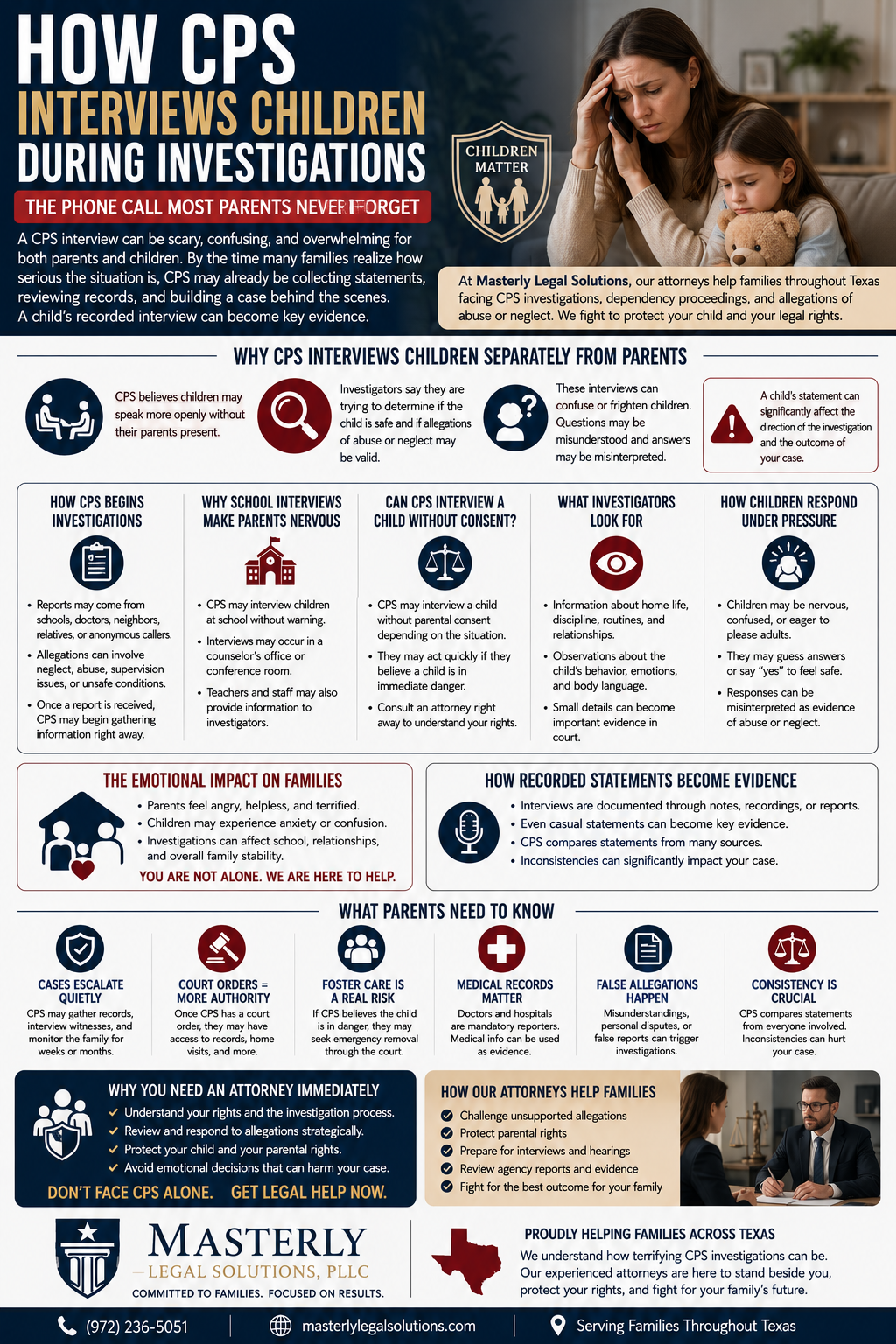
Why Businesses Must Conduct Internal Investigations Carefully
When serious workplace allegations surface, companies often need to conduct internal investigations quickly to determine what happened and how much legal exposure the organization may face. However, businesses should never assume such an investigation is simple or risk-free. Poor investigative procedures, rushed conclusions, or incomplete evidence reviews may expose the company to lawsuits, regulatory scrutiny, or additional liability later. A business must carefully evaluate the extent of the alleged misconduct while protecting both the organization and the rights of the employees involved.
Many workplace investigations become the subject of outside scrutiny from regulators, shareholders, or law enforcement agencies. In some situations, allegations involving fraud, discrimination, financial misconduct, or harassment may eventually trigger government investigations or enforcement actions. Businesses that fail to respond appropriately may face significant legal consequences, including fines, reputational harm, and possible criminal penalties depending on the circumstances. These situations become even more serious when the company is accused of violating federal and state laws connected to workplace compliance, financial reporting, or employee protections.
At Masterly Legal Solutions, our attorneys help businesses evaluate allegations, gather evidence, and structure investigations in a professional and legally defensible manner, including matters involving misappropriation of funds and related financial misconduct. In complex matters, leadership may create a special committee to oversee the investigation and ensure decisions remain objective and independent. Our legal team works closely with executives, compliance personnel, and organizational leadership to review evidence, interview witnesses, and protect the company’s long-term interests throughout the process.
An experienced attorney can also offer legal advice regarding confidentiality concerns, regulatory exposure, disciplinary actions, and communication strategies during sensitive investigations. In many cases, the employee accused of wrongdoing becomes the primary subject of the investigation, but businesses must also evaluate whether larger organizational problems contributed to the issue, sometimes requiring broader business consulting and operational risk review. Careful legal oversight helps companies protect their operations, reduce liability, and respond strategically before workplace allegations escalate into larger legal or regulatory crises.
Speak With Masterly Legal Solutions About Internal Investigations
If your business is facing employee misconduct concerns, workplace complaints, regulatory scrutiny, or potential wrongdoing inside the organization, do not wait for the situation to escalate further. Internal investigations often become far more serious when businesses delay action, mishandle evidence, or fail to follow proper procedures.
Masterly Legal Solutions helps businesses navigate internal investigations with experienced legal guidance, strategic planning, and professional representation, supported by a broad range of legal services and customized training for organizations. Whether your company is dealing with employee misconduct, witness interviews, government inquiries, or allegations involving financial wrongdoing, our attorneys are prepared to help protect your business and reputation.
Our firm understands how sensitive these situations become for organizations, leadership teams, and employees alike, and our Texas-based full-service law firm is structured to address both immediate investigations and wider legal needs. Contact Masterly Legal Solutions today at (972) 236-5051 for a free consultation and learn how experienced legal counsel can help protect your company, your employees, and your future during internal investigations.
Disclaimer: This article is for informational and educational purposes only and does not constitute legal advice. Reading this article does not create an attorney-client relationship with Masterly Legal Solutions. Every investigation and legal matter is different, and businesses should consult qualified legal counsel regarding their specific circumstances.


Looking for Legal & Business Solutions? Contact Us Now
Fill in the form or call us to set up a meeting