

How CPS Cases Escalate From Hotline Call to Formal Investigation
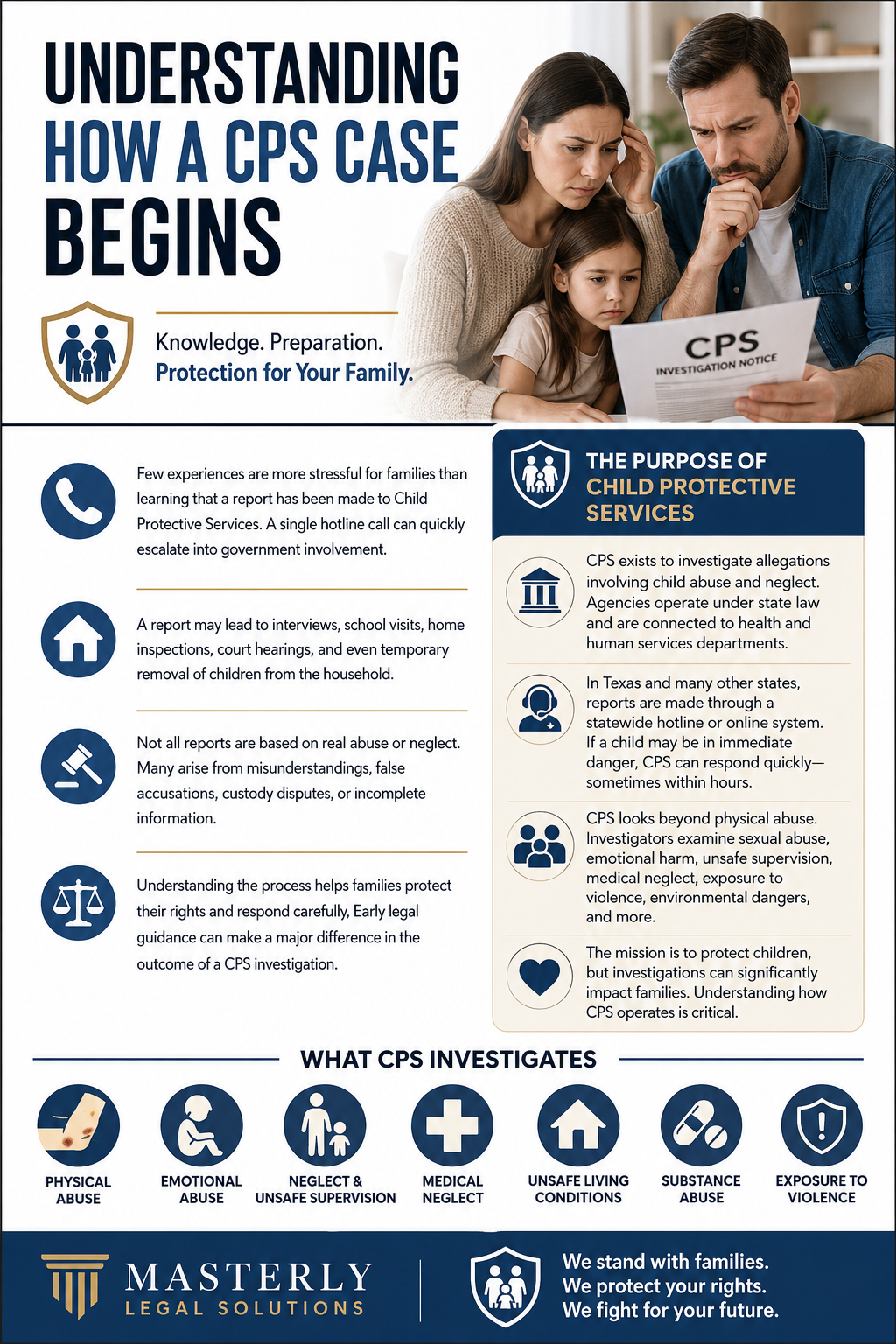
Understanding How a CPS Case Begins
Few experiences are more stressful for families than learning that a report has been made to Child Protective Services. Many parents are shocked when they receive a phone call, an unexpected home visit, or notice that a formal investigation has started. In many situations, families do not fully understand how the process began or how quickly a hotline complaint can escalate into government involvement. Because of this, it is important for parents to understand how the system works and when they should contact a child protection law firm for help.
The child welfare system is designed to protect children from serious danger, but the process can also place enormous pressure on parents and caregivers. A single report may lead to interviews, school visits, inspections of the home, court hearings, and even temporary removal of children from the household. While some reports involve genuine concerns, others are based on misunderstandings, false accusations, custody disputes, or incomplete information. Knowing what happens during each stage of the process can help families protect their rights and respond carefully.
Many people believe that CPS only becomes involved in extreme cases involving severe abuse or dangerous neglect. In reality, child protective services cps investigates a wide range of complaints. Allegations can involve child abuse, child neglect, educational concerns, unsafe living conditions, substance abuse, emotional harm, or claims that a child’s health and safety are at risk. Once a report is accepted, the investigation process can move very quickly.
At Masterly Legal Solutions, we understand how frightening these situations can become. Parents are often unsure whether to speak to investigators, allow entry into their home, or answer questions without legal counsel. The earlier families understand the process, the better prepared they can be to protect themselves and their children. A strong legal strategy can make a major difference in the outcome of a CPS investigation.
The Purpose of Child Protective Services
Child protective services exists to investigate allegations involving child abuse and neglect. These agencies operate under state law and are generally connected to health and human services departments. Their primary role is to evaluate whether children are safe and whether intervention is necessary to protect their well being.
In Texas and many other states, CPS workers receive reports through a statewide hotline or online reporting system. Once the agency receives a report, investigators determine whether the allegations meet the legal definition for intervention. If the claims suggest that a child may face an immediate threat, the department may respond quickly, sometimes within hours.
The agency does not only focus on physical abuse. Investigators may also examine allegations involving sexual abuse, emotional abuse, unsafe supervision, medical neglect, exposure to violence, or environmental dangers inside the home. Reports involving child sexual abuse, sex trafficking, or sexually explicit visual material often receive emergency attention due to the seriousness of the allegations.
Although the agency’s mission is to protect children, many families feel overwhelmed once CPS becomes involved. Parents often discover that the investigation process can affect employment, custody rights, family relationships, and their reputation within the community. Understanding how protective services operates is critical for any family facing these allegations.
Who Can Make a CPS Report
Almost anyone can make a report to child protective services cps. Reports can come from neighbors, teachers, relatives, coaches, doctors, therapists, daycare employees, or complete strangers. In many cases, certain professionals are legally required to report suspected child abuse when they observe signs of possible abuse or neglect.
Mandatory reporters often include:
- Teachers and school employees
- Doctors and nurses
- Mental health professionals
- Social workers
- Law enforcement officers
- Childcare providers
- Counselors and youth program staff
These professionals may contact CPS if they believe there is suspected abuse or if they notice signs of child abuse or neglect, and educators in particular should understand how
education law and TEA license defense and
TEA investigations, common causes, and teacher protections can protect their careers when a report triggers a school-related investigation. The person making the report does not need proof that abuse occurred. Instead, the individual only needs a reasonable suspicion that a child may be in danger.
Sometimes people notice bruises, behavioral changes, poor hygiene, excessive absences from school, or statements made by children that raise concern. In other situations, reports may stem from family disputes, divorce proceedings, angry neighbors, or misunderstandings. Unfortunately, false allegations can still trigger a formal investigation even when no abuse actually occurred.
The Hotline Screening Process
Not every hotline complaint becomes a formal investigation. After receiving a report, the department evaluates whether the allegations meet the threshold required under the law. Intake specialists review the information and determine whether the claims describe conduct that could place children at risk.
During this stage, the agency may evaluate:
- The child's age
- The seriousness of the allegations
- Whether prior reports exist
- Whether injuries were described
- The identity of the alleged person responsible
- Whether the child currently faces danger
- Whether the allegations involve abuse or neglect
If the allegations do not meet legal standards, the report may be screened out. However, if the claims suggest that the child’s safety may be threatened, CPS may open a formal investigation. This is often the point where families first learn that a complaint was filed against them.
Some parents assume that a screened-in report means they are guilty. That is not true. Screening simply means the agency believes the allegations justify additional review. Unfortunately, many parents underestimate the seriousness of this stage and speak freely without understanding how their statements may later be used in court.
Emergency Reports and Immediate Intervention
Certain allegations trigger an emergency response from protective services. Reports involving severe physical injuries, child sexual abuse, drug exposure, violent threats, or abandonment may receive immediate attention from investigators. In some situations, CPS workers may coordinate with law enforcement before contacting the family.
When the agency believes children face an immediate threat, investigators may attempt to locate the child quickly. This can involve:
- Home visits
- School interviews
- Hospital visits
- Interviews with relatives
- Contact with medical professionals
- Communication with law enforcement
Emergency investigations often move rapidly because the department believes the child’s safety may be at risk. Families are frequently caught off guard when investigators arrive unannounced or request interviews without much warning.
These cases can escalate very quickly into court proceedings. Parents who delay seeking legal advice may unintentionally damage their case by making statements that are misunderstood or taken out of context. Working with a child protection law firm early in the process can help families understand their options before the situation becomes more serious.
The Initial Home Visit
One of the first steps in many CPS investigations is a home visit. CPS workers typically want to observe the living environment and speak with the parent or caregiver. They may ask questions regarding discipline methods, medical care, supervision, school attendance, or the allegations described in the report.
Many parents feel pressured to cooperate immediately because they fear refusal will make them appear guilty. While cooperation can sometimes help resolve concerns, families also have important constitutional rights. Investigators cannot always enter a home without permission or a court order unless emergency circumstances exist.
During the visit, investigators may observe:
- Sleeping arrangements
- Food availability
- General cleanliness
- Safety hazards
- Medication storage
- Interactions between family members
- Signs of harm or neglect
Parents should remain calm and respectful during these interactions. Angry confrontations, threats, or attempts to interfere with the investigation may worsen the situation. However, families should also understand that they have the right to consult legal counsel before answering detailed questions.
Interviews With Children
CPS investigators often want to interview children separately from their parents. These interviews may occur at the home, school, daycare, or another location. In some situations, social workers speak with children before parents even know an investigation exists.
The goal of these interviews is to determine whether children describe unsafe conditions, violence, neglect, or other concerns. Investigators may ask about discipline, arguments inside the home, medical care, supervision, or interactions with adults. Younger children are sometimes asked questions using drawings or age-appropriate language.
School interviews are particularly common because investigators can speak with children privately without parental interference. Teachers, counselors, and school administrators may also provide additional information to the department regarding attendance, injuries, or behavioral changes.
Parents are often frustrated to learn their children were questioned without permission. However, state law frequently allows these interviews during active investigations. This is one reason why families should act quickly after learning CPS is involved.
Medical Evaluations and Evidence Collection
In many investigations, CPS gathers records and physical evidence to support or disprove allegations. The agency may request medical records, counseling records, school information, photographs, or witness statements. In severe cases, children may undergo forensic interviews or medical examinations.
Cases involving suspected child abuse frequently rely heavily on medical evidence. Bruises, fractures, burns, malnutrition, or developmental concerns may be reviewed by healthcare professionals. Investigators may also examine allegations involving physical injuries connected to physical abuse.
Some investigations involve allegations of sexual abuse or indecent exposure. In these situations, forensic specialists and trained interviewers may participate in the investigation. Cases involving allegations of sexually explicit visual material or online exploitation often involve multiple agencies working together.
Families should understand that statements made to doctors, therapists, teachers, or investigators may later appear in court testimony. Even casual comments can become important evidence in a CPS case.
Reviewing Prior CPS History
CPS often reviews whether the family has prior involvement with protective services. Previous reports, prior removals, criminal history, domestic violence concerns, or unresolved family services cases may affect how investigators evaluate current allegations.
Even if earlier reports were closed without findings, investigators may still consider the history when assessing risk. Multiple reports involving abuse or neglect can increase the likelihood of formal intervention. The department may also examine whether parents previously completed education programs, counseling, or other recommended services.
Families sometimes assume older cases no longer matter. Unfortunately, prior investigations can influence how current allegations are viewed. This is especially true if earlier complaints involved similar concerns.
A strong legal defense often requires carefully reviewing the family’s history and challenging inaccurate or misleading information contained in prior records.
How CPS Determines Risk
The agency’s central goal is evaluating whether children are safe. Investigators assess the overall risk level inside the home and determine whether intervention is necessary. This evaluation often goes beyond the original allegation contained in the report.
Factors commonly reviewed include:
- Drug or alcohol concerns
- Domestic violence
- Unsafe living conditions
- Mental health issues
- Prior criminal history
- Supervision concerns
- Access to food and medical care
- Emotional stability within the household
Allegations involving substance abuse frequently receive heightened scrutiny because investigators may believe children face ongoing danger. The department may request drug testing or treatment services if investigators suspect drug or alcohol misuse.
Risk assessments are highly subjective. Different cps workers may interpret the same facts differently. This creates situations where parents feel unfairly judged despite providing proper care for their children, and some families choose to work with a full-service Texas law firm that can address both CPS issues and other legal needs that arise, similar to how schools and educators rely on education law attorneys protecting rights for students and teachers when professional complaints threaten their careers.
Safety Plans and Voluntary Agreements
Sometimes CPS attempts to avoid immediate court involvement by asking parents to agree to a safety plan. These agreements may include temporary restrictions or conditions intended to reduce perceived danger to children.
A safety plan may require:
- Supervised contact with children
- Temporary placement with relatives
- Counseling participation
- Drug testing
- Parenting classes
- Mental health evaluations
- Restrictions on household members
Although these agreements are often described as voluntary, many parents feel pressured into signing them. Families may fear that refusing cooperation will lead to removal of the children or emergency court action.
Parents should carefully review any proposed plan before signing. Some agreements may affect parental rights or create obligations that later become part of the case. Legal guidance is extremely important before entering into these arrangements, especially from
a firm experienced in internal investigations and compliance that understands how agency requirements can impact families, much like the support offered in
Texas TEA investigations and teacher certification help for educators facing administrative scrutiny.
When CPS Removes Children From the Home
In severe cases, CPS may seek removal of children from the home. This typically occurs when investigators believe children face serious danger or when the agency believes no less restrictive alternative can protect the child’s safety.
Removal may happen through:
- Emergency removal orders
- Court authorized removal
- Voluntary placement agreements
- Law enforcement intervention
Children removed from the home may be placed with relatives, foster parents, or licensed foster care providers. In some situations, the agency prioritizes placement with family members or close family friends before using traditional foster care placements.
Removal cases are emotionally devastating for families. Parents may suddenly lose daily contact with their children while attempting to navigate court proceedings, required services, and agency demands. Immediate legal representation can be critical during this stage of the process.
Temporary Hearings and Emergency Court Orders
After removal, CPS typically seeks a court order authorizing continued intervention. Courts review whether sufficient evidence exists to justify the removal and determine what should happen next.
These hearings often occur quickly after removal. Judges may review:
- Investigator testimony
- Medical records
- Witness statements
- Police reports
- Photographs
- Prior CPS history
Parents have important legal rights during these hearings, including the right to challenge evidence and present their own testimony. Unfortunately, some parents appear in court without understanding the seriousness of the proceedings.
Court involvement can dramatically affect the future of the family. Decisions made during early hearings often shape the direction of the entire case.
Family Service Plans
If the investigation continues, the department often creates a service plan for the family. The plan outlines actions parents must complete before reunification may occur. Family services are designed to address the concerns identified during the investigation.
Required services may include:
- Counseling
- Drug treatment
- Parenting courses
- Psychological evaluations
- Anger management
- Domestic violence counseling
- Supervised visitation
The agency may argue these services are necessary to strengthen families and improve the child’s well being. Parents who fail to comply with the service plan may face prolonged separation from their children or additional legal action.
Some parents become frustrated because they feel forced to complete unnecessary programs despite denying the allegations. However, failing to participate can negatively affect the case outcome, much like educators who face TEA investigations and must rely on experienced education law attorneys to navigate mandatory service or training requirements.
The Role of Social Workers During Investigations
Social workers play a major role in the investigation process. They gather information, conduct interviews, document evidence, and communicate with the court regarding the family’s progress.
These professionals often work closely with:
- Medical providers
- Law enforcement
- Teachers
- Counselors
- Foster families
- Attorneys
- Community programs
Although many social workers genuinely want to protect children, disagreements frequently arise regarding parenting decisions, discipline methods, or household conditions. Parents may feel misunderstood or unfairly judged during these interactions.
Families should remain respectful but cautious during all communications. Statements made during informal conversations may later appear in official records or court testimony, similar to how businesses rely on HR consulting and internal investigations services to ensure sensitive interviews and documentation are handled properly.
How Schools Become Involved
Schools frequently play a significant role in CPS investigations. Teachers and counselors are mandatory reporters, meaning they must report suspected abuse or neglect when concerns arise.
School employees may contact CPS if they observe:
- Unexplained injuries
- Extreme hunger
- Poor hygiene
- Fearful behavior
- Sexualized conduct
- Chronic absences
- Signs of emotional distress
Investigators may also visit the school to interview children or gather records. In some cases, school officials unknowingly become witnesses in later court proceedings, which is why many districts and teachers consult education lawyers who support teachers and schools when CPS or administrative investigations arise.
Families often feel embarrassed when a CPS case becomes known within the school environment. Unfortunately, these investigations can affect children emotionally and socially even before any findings are made.
Criminal Investigations and CPS Cases
Some CPS investigations occur alongside criminal investigations. Cases involving serious injuries, sexual abuse, sex trafficking, or severe neglect may involve police detectives and prosecutors.
When criminal allegations exist, families face enormous legal risk. Statements made to CPS investigators can sometimes be shared with law enforcement. Parents who speak freely without legal advice may unintentionally create criminal exposure.
Cases involving child abuse often require coordination between criminal defense attorneys and CPS defense lawyers. The strategies used in one case can significantly affect the other.
Parents should never assume that cooperation alone will protect them. Professional legal guidance is essential whenever criminal allegations are possible.
The Impact on Families and Children
A CPS investigation can deeply affect every member of the household. Even when allegations are eventually dismissed, the process itself can create emotional stress, financial strain, and family conflict.
Children may experience:
- Anxiety
- Confusion
- Fear
- Academic struggles
- Behavioral changes
- Emotional withdrawal
Parents often struggle with embarrassment, frustration, and uncertainty about the future. Some lose employment opportunities or face restrictions on where they can live or work while the investigation remains active.
The emotional toll can become overwhelming without proper support. Families should seek experienced legal counsel and emotional support systems as early as possible, often turning to a Texas-based firm that serves individuals, families, and businesses for coordinated guidance across related legal issues.
Placement With Relatives Instead of Foster Care
When removal becomes necessary, the department may first look for relatives who can temporarily care for the children. Grandparents, aunts, uncles, or close family friends are often considered before traditional foster placements.
Relative placement can help preserve family connections and reduce emotional trauma for children. In some situations, relatives later become long-term caregivers or pursue adoption if reunification efforts fail, making it important for caregivers to consider estate planning and trust services that protect the child’s long-term financial and legal security.
The increasing adoptions act and related policies encourage placement options that maintain stability for children whenever possible. Courts often prefer arrangements that preserve relationships with siblings and extended families.
Families should act quickly if they want relatives considered for placement. Delays may increase the likelihood of placement with foster parents instead.
Foster Care and Long-Term Placement Concerns
When relatives are unavailable or unsuitable, children may enter foster care. Foster families provide temporary housing while the case proceeds through court.
Some children remain in foster care for extended periods if parents do not complete required services or if the court believes returning home would place the child at risk. These situations can become extremely complex emotionally and legally.
In certain cases, children may eventually become eligible for adoption. This is often the most feared outcome for parents involved in serious CPS cases. Early legal intervention may help prevent cases from escalating to permanent termination proceedings.
The Importance of Documentation
Parents involved in a CPS investigation should carefully document all interactions related to the case. Organized records can become valuable evidence later.
Helpful documentation may include:
- Names of investigators
- Dates of visits
- Copies of paperwork
- Medical records
- Counseling records
- School communication
- Drug test results
- Service completion certificates
Families should also keep records of attempts to comply with requested services. Detailed documentation can help challenge inaccurate allegations or incorrect statements made during the investigation.
Strong evidence often plays a major role in protecting parental rights and defending against false claims, just as detailed documentation supports education law, estate planning, and business consulting matters when families and professionals address broader legal challenges.
Court Proceedings and Ongoing Hearings
CPS cases often involve multiple hearings over several months. Courts monitor whether parents comply with services and whether children remain safe.
Judges may review:
- Progress reports
- Counseling updates
- Drug testing results
- Visitation reports
- Recommendations from social workers
- Educational information
- Medical updates
Parents who actively participate and demonstrate stability may improve their chances of reunification. However, every case is unique, and outcomes depend heavily on the specific facts involved.
Families should take every hearing seriously. Missing court dates or ignoring requirements can severely damage the case.
The Legal Rights Parents Often Overlook
Many parents do not realize they still have rights during a CPS investigation. Fear and confusion often cause families to cooperate without understanding the consequences.
Depending on the situation, parents may have rights involving:
- Legal representation
- Court hearings
- Challenging evidence
- Reviewing records
- Presenting witnesses
- Cross examining investigators
- Contesting removal decisions
Understanding these rights is extremely important. Families who wait too long to seek legal help may lose opportunities to challenge harmful decisions early in the process.
False Allegations and Misunderstandings
Not every CPS case involves actual abuse. False allegations occur more often than many people realize. Divorce disputes, neighborhood conflicts, school misunderstandings, or exaggerated statements can trigger investigations.
Parents may also face scrutiny due to poverty, cultural misunderstandings, or differences in parenting styles. Investigators sometimes interpret temporary hardships as neglect even when parents are doing their best to provide for their children.
Families should avoid assuming the truth will automatically protect them. Even unfounded allegations can escalate if parents mishandle the investigation or fail to obtain legal guidance.
When Cases Escalate Toward Termination of Rights
The most serious CPS cases involve attempts to terminate parental rights permanently. The department may seek termination if the court believes reunification is not possible or if children face ongoing danger.
Termination cases often involve allegations such as:
- Severe physical abuse
- Chronic neglect
- Repeated substance abuse
- Abandonment
- Failure to complete services
- Serious criminal conduct
These proceedings are life changing. Once parental rights are terminated, parents may permanently lose legal rights involving their children.
Immediate legal representation is critical in these situations. Families should never attempt to handle termination proceedings alone.
The Importance of Early Legal Representation
Many families wait too long before contacting an attorney. Some assume the investigation will disappear if they cooperate fully. Others believe hiring a lawyer makes them appear guilty. Unfortunately, delaying legal help can place families at a serious disadvantage.
An experienced attorney can help families:
- Understand their rights
- Respond to investigators appropriately
- Review service plans
- Prepare for hearings
- Challenge improper evidence
- Protect parental rights
- Pursue reunification goals
The earlier legal counsel becomes involved, the more opportunities exist to shape the direction of the case.
How CPS Cases Affect Adoptive Families
Adoptive families can also become involved in CPS investigations when allegations of abuse or neglect are reported. In some situations, these cases arise because children entering adoptive homes may already have emotional trauma, behavioral struggles, or mental health concerns connected to their past experiences. Unfortunately, misunderstandings regarding discipline, emotional reactions, or family conflict can sometimes lead to reports being made to protective services. CPS investigators may examine whether the home environment remains safe and whether the child’s emotional and physical needs are being properly addressed. Families facing these situations should understand that adoptive parents have legal rights and should seek experienced legal guidance if an investigation begins.
Protecting Neglected Children During CPS Investigations
One of the primary goals of the child welfare system is protecting neglected children from dangerous living conditions or situations that may threaten their safety and well being. Investigators review whether children have access to proper food, medical care, supervision, education, and emotional support. In some cases, families are struggling financially or facing temporary hardships rather than intentionally placing children in danger. Unfortunately, CPS investigations can sometimes escalate quickly even when parents are trying their best to provide stability for their family. Legal representation can help families explain their circumstances and challenge inaccurate assumptions made during the investigation process.
The Role of Social Services in Child Protection Cases
Many CPS cases involve cooperation between protective services and social services agencies that provide support programs for families. These services may include counseling, parenting classes, housing assistance, substance abuse treatment, mental health care, and educational resources. The goal is often to help stabilize the household and reduce concerns involving child abuse and neglect before the situation becomes more serious. Families are sometimes encouraged or required to participate in these programs as part of a CPS safety plan or court ordered service plan. While these programs can provide important assistance, parents should still understand their legal rights before agreeing to long-term conditions or requirements.
How Development Commits and Agency Findings Influence CPS Cases
In certain CPS matters, the department may review whether developmental concerns, behavioral conditions, or agency findings impact the overall safety assessment involving children. In some reports, investigators examine whether delayed development commits the family to additional evaluations or specialized services designed to address emotional, educational, or behavioral concerns. These assessments may involve counselors, doctors, teachers, or other professionals who provide recommendations regarding the child’s care and environment. Families should understand that these evaluations can influence court decisions, visitation arrangements, and long-term service plans during an active investigation. Experienced legal counsel can help parents understand how these findings may affect the direction of the case.
Understanding the Best Interest Standard in CPS Cases
Courts handling CPS matters often make decisions based on what they believe serves the best interest of the children involved. Judges may examine the emotional needs of the child, the stability of the home, the relationship between the parent and child, educational concerns, medical care, and overall family conditions. The court also considers whether returning home would place the child at risk of harm or whether additional services are needed before reunification can occur. Because this standard is highly subjective, different judges or investigators may interpret the same facts differently. Parents facing CPS proceedings should work with an experienced attorney who can present evidence showing that maintaining the family relationship supports the child’s safety and long-term well being, and many also benefit from planning ahead with essential legal documents for families to protect their children’s future beyond the immediate case.
Using the CPS Website and Online Reporting Systems
Most states now operate an online website that allows individuals to report suspected abuse or neglect directly to child protective services. These systems are designed to help the department receive complaints quickly and begin investigations when necessary. In addition to online reporting, many agencies also provide educational materials, hotline information, and updates regarding family services through their official website platforms. Unfortunately, some individuals misuse these systems by submitting exaggerated or false allegations during custody disputes or personal conflicts. Families who discover that an online report triggered a CPS investigation should seek legal guidance immediately to protect their rights and respond appropriately.
When Parents Are Committed to Reunifying With Their Children
Many parents involved in CPS cases are fully committed to reunifying with their children and restoring stability within the family. Courts often look favorably upon parents who actively participate in counseling, complete required services, attend court hearings, and demonstrate a willingness to improve conditions inside the home. Even when allegations are serious, parents who remain cooperative and proactive may improve their chances of achieving reunification. However, navigating the legal system alone can be extremely difficult, especially when facing aggressive investigators or complex court proceedings. Working with an experienced CPS defense attorney can help families stay focused on protecting their parental rights and rebuilding a safe future for their children.
How Masterly Legal Solutions Helps Families Facing CPS Cases
At Masterly Legal Solutions, we understand how stressful CPS investigations can become for families. Our team represents parents facing allegations involving child abuse and neglect, emergency removals, court hearings, and ongoing investigations.
We know that many parents are frightened, confused, and unsure how to protect their children and their future. Every case deserves careful attention, strategic planning, and aggressive legal advocacy. We work closely with families to evaluate evidence, challenge inaccurate claims, and pursue the best possible outcome.
Our legal team understands the serious consequences CPS cases can create. Allegations alone can affect reputations, employment opportunities, custody arrangements, and family stability. We help clients navigate the investigation process while protecting their rights every step of the way.
Whether your case involves emergency removal, allegations of abuse, disputes involving protective services, or court proceedings related to family services, experienced legal guidance can make a major difference.
Speak With a Child Protection Attorney About Your CPS Case
When CPS becomes involved with your family, every decision matters. What you say during interviews, how you respond to investigators, and whether you understand your legal rights can significantly affect the outcome of your case. Families often feel overwhelmed once the department starts requesting interviews, home visits, or court appearances.
Masterly Legal Solutions helps parents and caregivers facing investigations involving child abuse, neglect, emergency removals, foster placements, and disputes with child protective services. Our team understands how quickly these cases can escalate from a hotline report into formal court proceedings that threaten parental rights and family stability.
If you are under investigation or believe CPS may become involved soon, do not wait until the situation becomes more serious. Contact Masterly Legal Solutions at (972) 236-5051 for a free consultation. We can answer your questions, explain your legal options, and help you understand the next steps for protecting your family and your future.
Disclaimer: This article is provided for educational and informational purposes only and should not be considered legal advice. Reading this article does not create an attorney client relationship with Masterly Legal Solutions. Every CPS case involves unique facts and legal issues, and outcomes may vary depending on the circumstances. Individuals facing investigations involving child protective services or allegations of abuse or neglect should contact a qualified attorney for legal guidance regarding their specific situation.


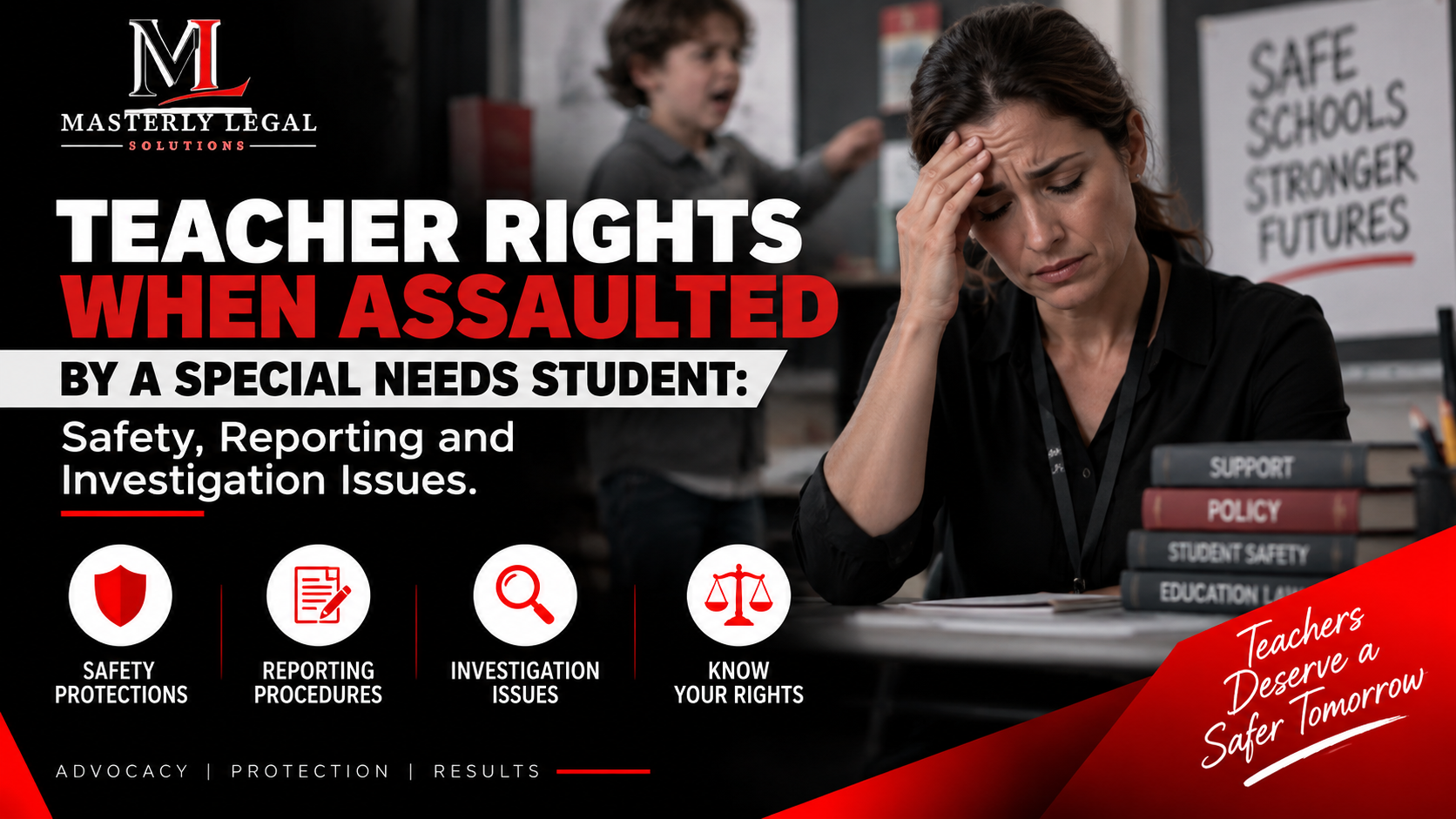
Teacher Rights When Assaulted by a Special Needs Student: Safety, Reporting and Investigation Issues


Looking for Legal & Business Solutions? Contact Us Now
Fill in the form or call us to set up a meeting





