Internal Investigations Attorney Guide: Protecting Your Organization from Harassment, Discrimination, and Retaliation Claims
Why Internal Investigations Matter More Than Ever
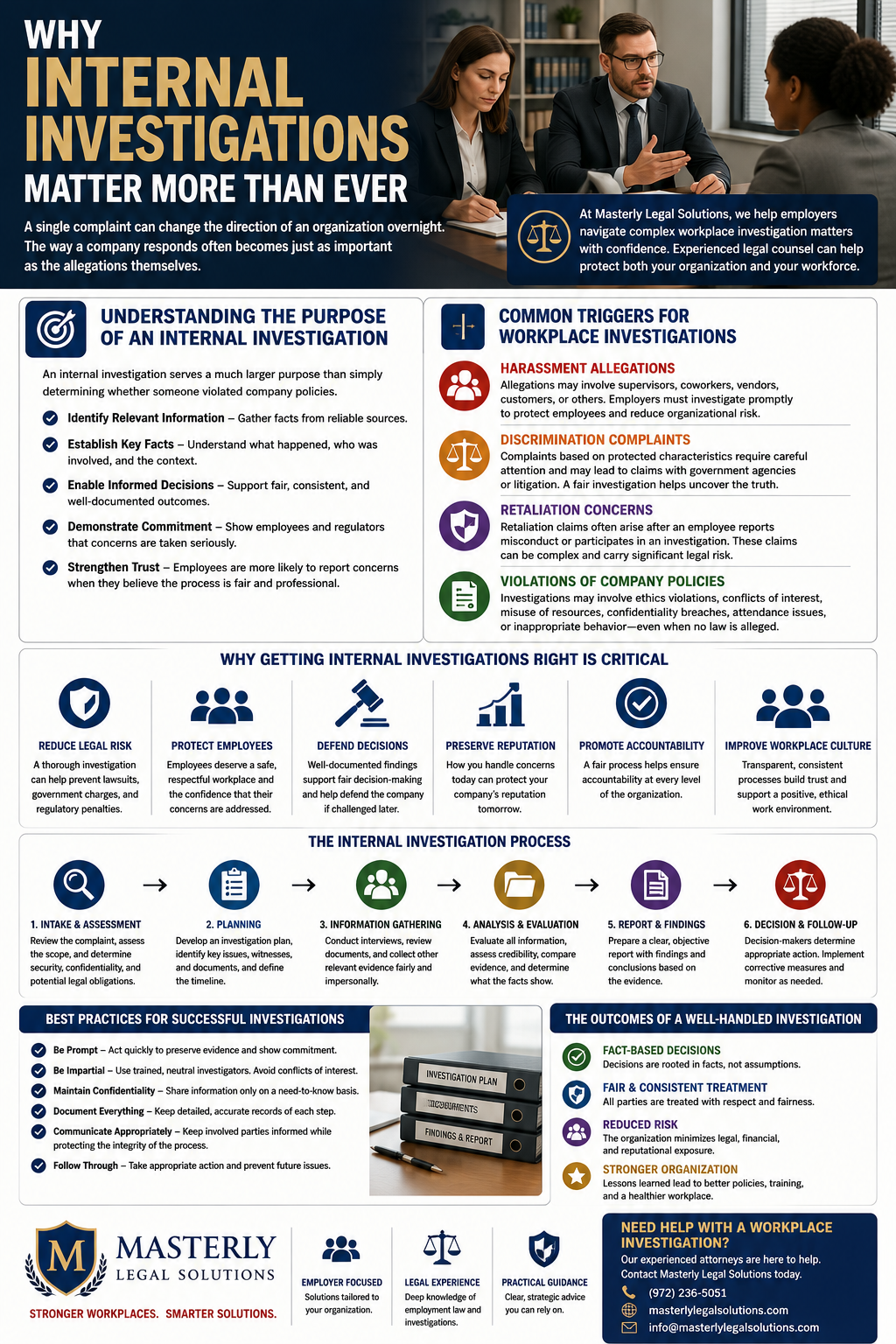
A single complaint can change the direction of an organization overnight. An employee may report harassment, discrimination, retaliation, or another form of workplace misconduct, creating concerns that extend far beyond the individuals directly involved. What initially appears to be a routine issue can quickly grow into a legal dispute, damage employee morale, and expose the company to significant liability.
Many organizations understand the importance of responding quickly, but not all understand how critical the investigation process truly is. A poorly handled investigation can create additional risks, while a fair investigation can help employers address concerns before they become larger problems. The way a company responds often becomes just as important as the allegations themselves.
At Masterly Legal Solutions, we help employers navigate complex workplace investigation matters with confidence. Whether concerns involve policy violations, employee complaints, or potential regulatory compliance issues, having experienced legal counsel involved can help protect both the organization and its workforce.
Understanding the Purpose of an Internal Investigation
An internal investigation serves a much larger purpose than simply determining whether someone violated company policies. The ultimate goal is to identify relevant information, establish key facts, and allow decision-makers to make informed choices based on evidence rather than assumptions.
A proper internal investigation helps employers understand what happened, who was involved, and whether corrective action is necessary. It also demonstrates that the company takes workplace concerns seriously and is committed to treating employees fairly.
When conducted correctly, such an investigation can strengthen trust within the organization. Employees are often more willing to report concerns when they believe complaints will be reviewed fairly and professionally.
Common Triggers for Workplace Investigations
Not every workplace concern requires a formal review. However, certain situations frequently lead employers to initiate an internal investigation.
Harassment Allegations
Harassment complaints remain one of the most common triggers for workplace investigations. Allegations may involve supervisors, coworkers, vendors, customers, or other individuals connected to the workplace.
Employers have a responsibility to investigate complaints promptly and appropriately. Delayed responses can increase organizational risk and create concerns regarding employee well-being.
Discrimination Complaints
Employees may report discrimination based on protected characteristics covered by federal, state, or local laws. These complaints require careful attention because they may lead to claims involving government agencies or future litigation.
A fair investigation can help determine whether discriminatory conduct occurred and what next steps should be considered. Employers that respond appropriately often place themselves in a stronger position if disputes later arise.
Retaliation Concerns
Retaliation allegations often develop after an employee reports misconduct or participates in a prior investigation. In many cases, retaliation claims become more complicated than the original complaint.
Organizations should take these allegations seriously and ensure employees understand their workplace rights. Failure to investigate retaliation concerns may significantly increase legal exposure.
Violations of Company Policies
Not every investigation involves unlawful conduct. Many investigations focus on potential violations of internal rules, ethical standards, or workplace expectations.
Examples may include conflicts of interest, misuse of company resources, confidentiality breaches, attendance issues, or inappropriate behavior. Even when legal violations are not alleged, employers still benefit from a structured review process.
The Importance of Acting Quickly
Time matters when allegations arise. Waiting too long to respond may result in lost evidence, faded memories, or escalating workplace tensions.
Prompt action allows the investigation team to preserve relevant documents, secure computer files, and collect text messages that may help establish what occurred. It also demonstrates that leadership takes complaints seriously.
Acting quickly does not mean rushing to judgment. Instead, it means taking reasonable steps to gather evidence while maintaining fairness throughout the process.
Building a Proper Investigation Strategy
Every workplace investigation should begin with a clear strategy. The circumstances vary based on the nature of the allegations, the individuals involved, and the potential risks facing the organization.
Creating a Written Plan
A written plan helps establish structure before conducting investigations. The plan should outline objectives, identify potential witnesses, and determine what information must be collected.
Without a roadmap, investigations can become disorganized and inefficient. A structured approach helps ensure important issues are not overlooked.
A written plan also promotes consistency, especially when multiple individuals are participating in the review process.
Defining the Scope
One of the most important early decisions involves defining the scope of the investigation. Employers must determine exactly what issues need to be reviewed and what questions require answers.
An investigation that is too narrow may miss important facts. Conversely, an investigation that becomes overly broad can waste resources and create unnecessary disruption.
Defining the scope early helps maintain focus while allowing flexibility if new information emerges.
The Role of Legal Counsel During Internal Investigations
Legal counsel often plays a critical role during sensitive workplace investigations. An attorney can provide guidance regarding legal obligations, potential liabilities, and investigative procedures.
Organizations frequently seek assistance from in house counsel or outside legal professionals depending on the complexity of the matter. In either situation, experienced legal guidance can help employers avoid common mistakes.
Preserving Legal Protections
An attorney can help organizations understand when certain communications may be protected and how to manage sensitive information appropriately.
Preserving these protections becomes especially important when allegations involve harassment, discrimination, retaliation, or potential wrongdoing that could result in a lawsuit.
Early involvement from legal counsel may also help ensure investigative efforts align with applicable laws and regulations.
Providing Objective Oversight
One challenge many employers face is maintaining objectivity during an investigation. Internal leaders may have relationships with employees involved in the matter.
An attorney can provide an independent perspective and help ensure the investigation remains focused on facts rather than assumptions or workplace politics.
Objectivity is often essential when credibility determinations must be made.
Selecting the Right Investigator
The investigator plays a significant role in the overall success of the process. Employees are more likely to trust findings when they believe the investigator approached the matter fairly.
Characteristics of an Effective Investigator
An effective investigator should be impartial, detail-oriented, and capable of managing difficult conversations. The person conducting interviews must be able to gather information without appearing biased.
Strong communication skills are equally important. Witnesses and subjects often feel nervous or defensive during interviews, making professionalism critical.
The investigator must also understand company policies and the organization's expectations regarding workplace conduct.
Internal Versus External Investigators
Some employers rely on internal personnel, while others retain outside professionals. The decision often depends on the nature of the allegations and the individuals involved.
External investigators may offer increased independence, particularly when senior leadership is involved, and outside counsel can provide impartial oversight for internal probes. Internal investigators may provide familiarity with organizational culture and operational practices.
The appropriate choice will vary based on the specific circumstances.
Gathering Relevant Information
A successful investigation depends on collecting accurate and reliable information. Fact finding should be thorough without becoming unnecessarily intrusive.
Investigators should focus on gathering evidence that helps establish key facts. The objective is not to prove a predetermined outcome but to determine what actually occurred.
Reviewing Relevant Documents
Documents often provide valuable insight into workplace events. Investigators may review policies, personnel records, performance evaluations, emails, schedules, and other business records.
Relevant documents frequently help confirm timelines, identify inconsistencies, and clarify disputed events. Proper document review can significantly strengthen investigation findings.
Careful organization of documents also improves efficiency throughout the review process.
Examining Digital Evidence
Modern investigations often involve electronic evidence. Computer files, electronic communications, text messages, and other digital records may provide critical information.
Digital evidence can reveal timelines, communications, and actions that may not otherwise be documented, including potential misappropriation of funds and other financial misconduct. However, employers must balance investigative needs with privacy interests and legal obligations.
Organizations should establish procedures for preserving electronic evidence as soon as concerns arise.
Conducting Witness Interviews Effectively
Witness interviews represent one of the most important components of any workplace investigation. These conversations often provide details unavailable through documents alone.
The quality of witness interviews can significantly influence the outcome of the investigation. Poor interviewing techniques may result in incomplete information or unreliable conclusions.
Preparing for Interviews
Preparation helps investigators conduct more effective interviews. Reviewing available evidence beforehand allows the investigator to ask focused questions and identify gaps in information.
Preparation also helps establish a logical order for interviews. In many situations, speaking with witnesses before interviewing the primary subject may provide valuable context.
The goal is to maximize the reliability of the information collected.
Encouraging Honest Responses
Employees should feel comfortable providing truthful information. Investigators should explain the purpose of the interview and answer questions regarding the process whenever appropriate.
Creating a respectful environment encourages cooperation and improves the quality of information received. Individuals are generally more willing to share relevant details when they feel treated fairly.
Trust and professionalism remain essential throughout every interview.
Managing Confidentiality During Investigations
Confidentiality is a major concern during workplace investigations. Employees often worry about who will have access to their statements and whether information will be shared with coworkers.
Employers should communicate confidentiality expectations clearly while avoiding promises that cannot be guaranteed. In many situations, information must be shared with certain individuals to complete the investigation effectively.
Balancing transparency and confidentiality requires careful judgment. Protecting sensitive information helps preserve trust while supporting the integrity of the process.
Balancing Employee Rights and Organizational Responsibilities
Employers must consider both employee rights and organizational obligations throughout the investigation. The process should respect workplace rights while ensuring allegations receive appropriate attention.
Individuals accused of misconduct should have an opportunity to respond to concerns. Likewise, those reporting issues should feel their complaints are taken seriously.
Maintaining fairness helps support the credibility of the investigation. Employees are more likely to accept outcomes when they believe the process was impartial and respectful.
Why Fairness Is Essential to Every Investigation
Fairness is not simply a desirable quality; it is a critical component of effective investigations. A fair investigation allows decision-makers to evaluate evidence objectively and reach defensible conclusions.
When employees believe investigations are biased, confidence in leadership often declines. This can create additional workplace challenges long after the investigation ends.
Organizations that prioritize fairness demonstrate a commitment to integrity, accountability, and respect. These values help strengthen workplace culture while reducing the risk of future disputes.
Evaluating the Evidence Before Reaching Conclusions
One of the most common mistakes during an internal investigation is reaching conclusions too early. Assumptions can influence decision-making and cause investigators to overlook important details.
Investigation findings should be based on evidence rather than speculation. Investigators must review documents, witness statements, electronic communications, and other available information before making recommendations.
A careful review helps establish credibility and supports a more reliable outcome. Employers benefit when decisions are supported by facts that can withstand scrutiny.
Identifying Key Facts That Matter Most
Not every detail uncovered during an investigation will be equally important. One of the primary responsibilities of the investigator is to identify the key facts that directly relate to the allegations.
In some situations, employees may provide information that is interesting but unrelated to the complaint. Investigators must separate relevant information from distractions.
Focusing on the facts that matter most helps maintain efficiency and supports a more accurate determination. This approach also helps decision-makers understand the core issues involved.
Addressing Harassment Allegations With Care
Harassment complaints require thoughtful and professional handling. Employees who report harassment often feel vulnerable and uncertain about what will happen next.
Employers should respond promptly while avoiding assumptions regarding the validity of the allegations. Every complaint deserves a fair review regardless of the position held by the individuals involved.
A proper internal investigation can help determine whether misconduct occurred and whether corrective action is necessary. It also demonstrates the organization's commitment to maintaining a respectful workplace.
Understanding Different Forms of Harassment
Harassment can take many forms and may involve verbal comments, physical behavior, written communications, or electronic interactions.
Workplace concerns sometimes develop gradually over time, while others arise from a single serious incident. Investigators should examine the full context surrounding the allegations.
Looking at the totality of the circumstances often provides a more complete understanding of what occurred.
Handling Discrimination Complaints Professionally
Discrimination allegations can create significant legal and operational challenges for employers. These matters often involve sensitive issues that require careful review.
Employees expect their concerns to be treated fairly and without bias. A rushed or incomplete investigation may undermine confidence in the process and increase organizational risk.
Conducting investigations professionally helps employers establish that concerns were taken seriously and reviewed objectively.
Reviewing Policies and Practices
When discrimination concerns arise, investigators often examine company policies, workplace practices, and prior reports involving similar issues.
This broader review may reveal patterns or concerns that are not immediately obvious. It can also help determine whether additional training or policy updates may be beneficial.
The objective is not only to address the immediate complaint but also to identify opportunities for improvement.
Investigating Retaliation Claims
Retaliation allegations frequently emerge after an employee reports misconduct, participates in an investigation, or exercises workplace rights.
These claims can be particularly challenging because the underlying complaint and the alleged retaliation may involve different facts and individuals.
Employers should evaluate retaliation concerns independently rather than assuming they are simply extensions of an earlier complaint.
Looking Beyond Surface-Level Explanations
Sometimes workplace decisions have legitimate business justifications. Other times, evidence may suggest retaliatory motives.
Investigators should carefully review timelines, communications, and decision-making processes to determine whether concerns are supported by available evidence.
Objective analysis is essential when evaluating these claims.
The Importance of the Human Resources Team
The HR team often plays a central role in workplace investigations. Human resources professionals frequently receive complaints, coordinate responses, and assist with communication throughout the process, often partnering with HR consulting and training services to manage investigations and disputes.
Their involvement helps ensure consistency with company policies and established procedures. They may also help preserve documents and coordinate interviews.
While the HR team provides valuable support, some situations may require additional guidance from legal counsel or outside professionals.
Supporting Employees During Difficult Situations
Investigations can create stress for everyone involved. Human resources personnel often serve as a resource for employees who have questions about the process.
Providing clear information helps reduce confusion and encourages cooperation. Employees who understand the process are generally more likely to participate constructively.
Effective communication can significantly improve the overall experience.
Maintaining Regulatory Compliance
Many employers face obligations that extend beyond internal policies. Certain allegations may trigger concerns involving regulatory compliance or reporting requirements.
Failure to address workplace concerns appropriately may attract attention from government agencies or regulatory bodies. This can increase legal exposure and create operational challenges.
A well-managed investigation helps demonstrate that the organization takes compliance responsibilities seriously.
Understanding Industry-Specific Requirements
Regulatory expectations vary based on industry, organizational structure, and applicable laws. For example, higher education institutions face unique compliance and Title IX requirements. What is required for one employer may differ significantly from another.
Organizations should ensure investigators are aware of any special obligations that may affect the review process.
Understanding these requirements early can help avoid costly mistakes later.
Creating a Comprehensive Written Report
A written report is often one of the most important deliverables generated during an internal investigation. It serves as a record of the process and the findings reached and can document the work of independent internal investigation services.
The report should be clear, organized, and based on evidence collected throughout the investigation. Decision-makers frequently rely on the report when determining appropriate next steps.
A well-prepared written report can also prove valuable if questions arise in the future.
Elements of Effective Investigation Reports
While reports vary based on circumstances, many include:
- A summary of the allegations
- The scope of the investigation
- Evidence reviewed
- Witness interviews conducted
- Investigation findings
- Recommendations for consideration
The report should focus on facts and avoid unnecessary speculation or unsupported opinions.
Determining Appropriate Corrective Action
After reviewing investigation findings, employers must decide whether corrective action is necessary.
The appropriate response depends on the severity of the conduct, the evidence available, and the organization's policies, including those outlined in a well-drafted employee handbook with clear investigation and discipline procedures. Similar situations should generally be handled consistently to promote fairness.
Corrective action may be designed to address misconduct, improve workplace conditions, or prevent future concerns from developing.
Possible Organizational Responses
Responses vary based on the circumstances and may include:
- Additional training
- Policy revisions
- Coaching or counseling
- Disciplinary action
- Enhanced supervision
- Other workplace measures
The goal is to address concerns appropriately while supporting a productive work environment.
Avoiding Common Investigation Mistakes
Even experienced employers sometimes encounter challenges during investigations. Understanding common mistakes can help organizations improve their approach.
One frequent error involves failing to gather evidence before reaching conclusions. Another involves conducting interviews without adequate preparation.
Poor documentation, inconsistent procedures, and inadequate communication may also create problems.
Why Consistency Matters
Consistency helps strengthen confidence in the investigation process. Employees are more likely to trust outcomes when they see complaints handled in a similar manner.
Consistent procedures also reduce the likelihood of claims that certain individuals received preferential treatment.
Organizations should strive to apply standards fairly across all levels of the company.
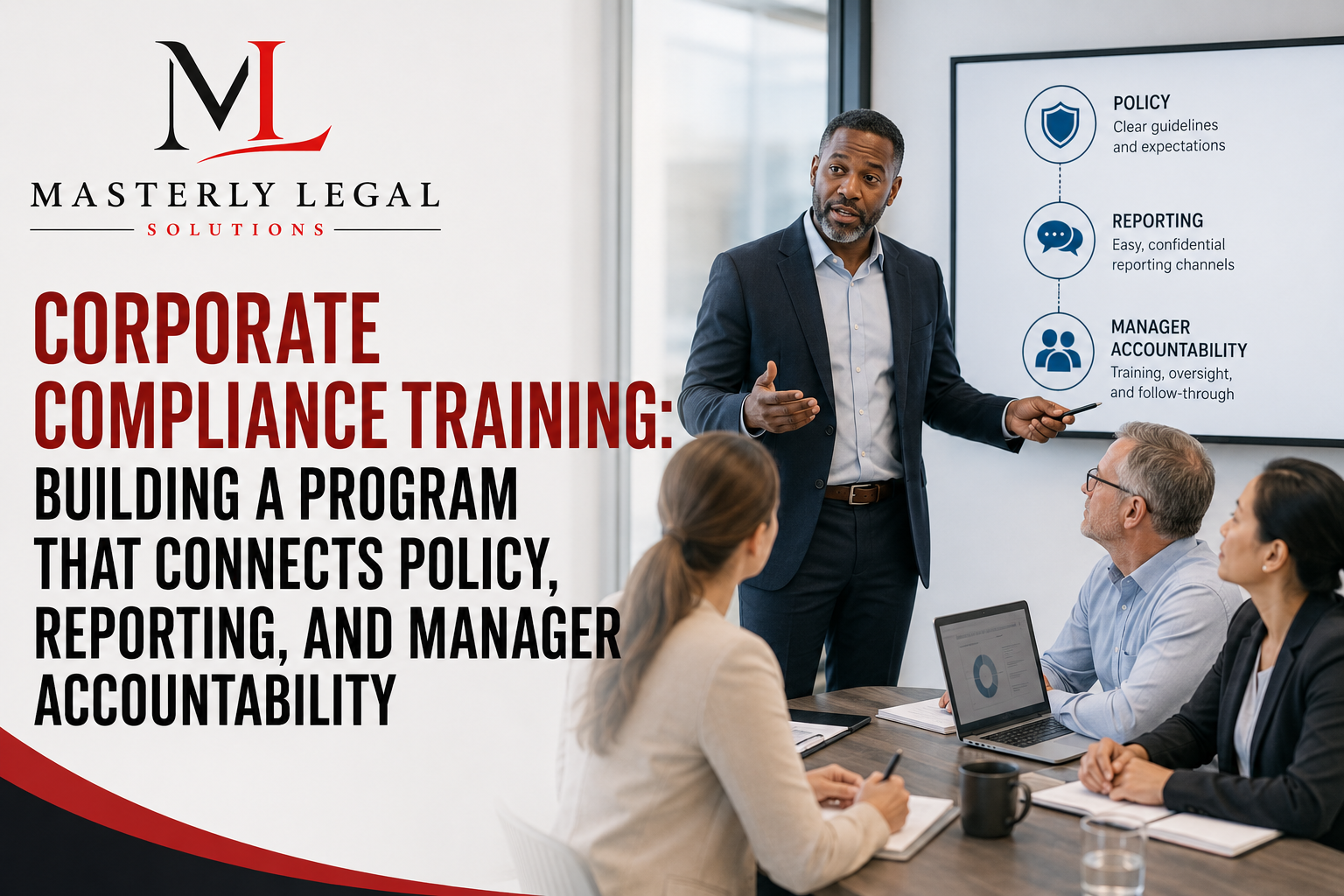
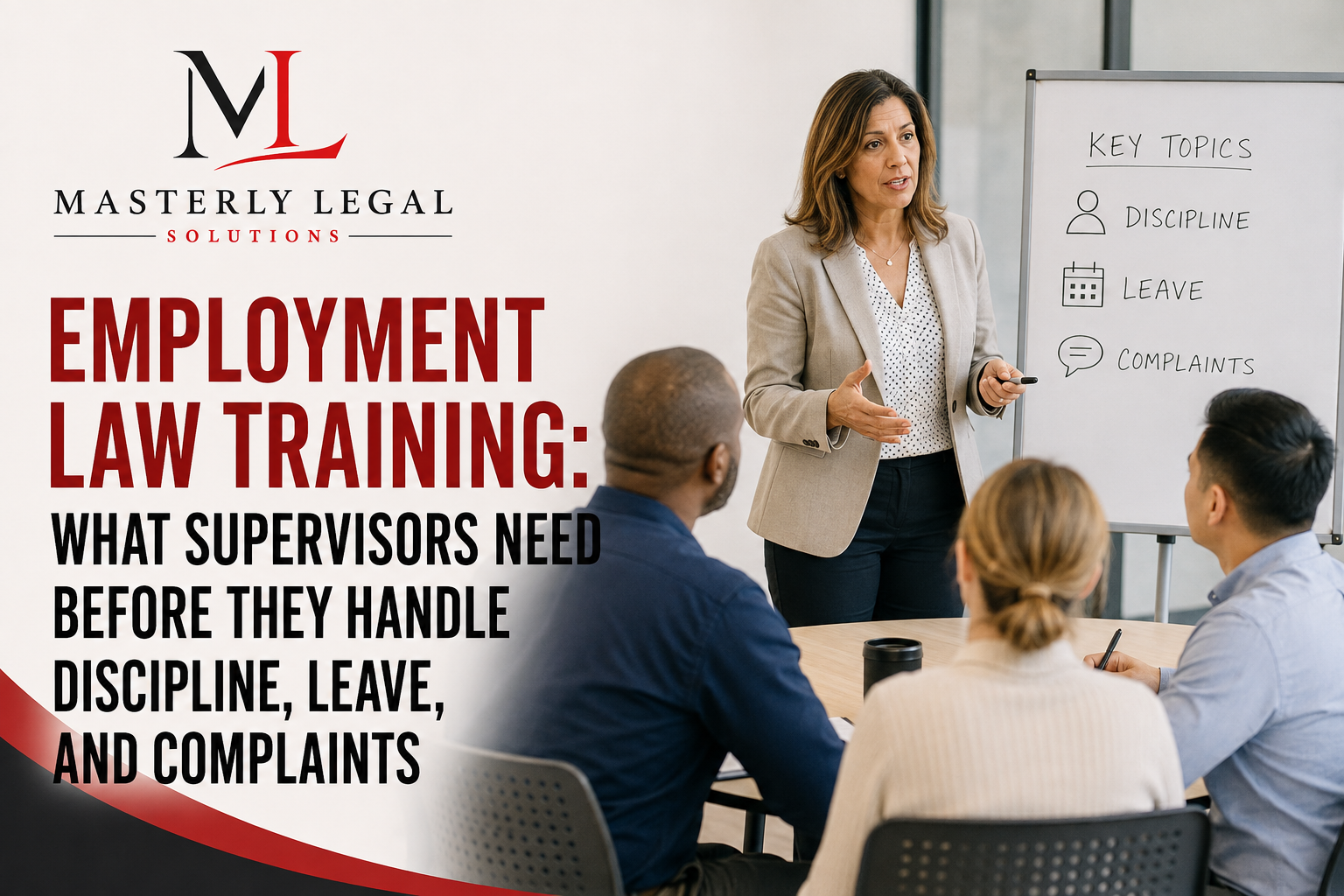
Internal Investigation Training as a Preventive Tool
Many organizations focus on investigations only after a complaint arises. However, internal investigation training can play a valuable role in preventing problems before they occur.
Training helps managers, supervisors, and human resources professionals recognize warning signs and respond appropriately. It also promotes consistency when concerns must be investigated.
Investing in training is often a cost effective way to strengthen workplace compliance and reduce risk.
Building Confidence Among Leaders
Leaders who understand the investigation process are generally better equipped to respond to workplace concerns.
Training can help managers identify potential issues, preserve evidence, and communicate effectively with employees.
This preparation often leads to faster and more effective responses when complaints arise.
Protecting Workplace Culture Through Accountability
A strong workplace culture does not develop by accident. It requires consistent leadership, clear expectations, and a commitment to accountability.
Employees pay attention to how employers respond when concerns are raised. When organizations investigate complaints fairly, they reinforce trust and credibility.
Accountability helps protect both the company and the people who work within it.
Creating a Safer Workplace Environment
Employees are more likely to report concerns when they believe reports will be taken seriously.
A culture that values fairness and transparency encourages individuals to speak up before problems escalate. This benefits employees, leadership, and the organization as a whole.
Organizations that actively address wrongdoing are often better positioned for long-term success.
When an Attorney Can Help Protect Your Organization
Not every workplace concern requires outside assistance. However, some situations involve significant risks that warrant legal guidance.
Complex allegations involving harassment, discrimination, retaliation, executive leadership, or potential litigation often benefit from attorney involvement. Legal counsel can help employers navigate sensitive issues while protecting organizational interests, and law firms experienced in corporate internal investigations and compliance can be especially valuable.
Early legal guidance may also help organizations avoid mistakes that could later become evidence in a lawsuit.
Strategic Guidance During High-Risk Matters
An attorney can help determine the most appropriate approach based on the facts of the case.
This may include evaluating risks, reviewing evidence, assisting with interviews, and advising leadership regarding next steps.
The objective is to help employers make informed decisions while minimizing unnecessary exposure.
Strengthening Your Organization Before Problems Escalate
The most effective investigations often begin long before a complaint is filed. Employers that establish strong policies, provide regular training, and maintain clear reporting procedures are often better prepared to respond when concerns arise.
Being proactive allows organizations to identify potential issues early and create a workplace where employees feel respected and heard.
A commitment to fairness, compliance, and accountability can significantly reduce organizational risk while supporting employee well-being, especially when supported by comprehensive legal and business services from Masterly Legal Solutions and outsourced general counsel services for ongoing compliance and risk management.
Contact Masterly Legal Solutions for Guidance on Internal Investigations
Workplace complaints involving harassment, discrimination, retaliation, misconduct, or policy violations can create significant challenges for employers. The way an organization responds may affect employee morale, regulatory compliance, legal exposure, and long-term business success. Whether you are developing internal investigation training programs, responding to a workplace complaint, or navigating a complex investigation, obtaining experienced guidance can help protect your organization.
At Masterly Legal Solutions, we assist employers with workplace investigations, compliance concerns, policy reviews, and strategic responses to sensitive employment matters. We understand that every investigation presents unique circumstances, and we are committed to helping organizations conduct fair, thorough, and defensible reviews.
If your company is facing allegations, preparing for an investigation, or seeking guidance on best practices, contact Masterly Legal Solutions today. Call (972) 236-5051 for a free consultation. We can answer your questions, discuss your concerns, and help you evaluate options designed to protect your organization, your employees, and your future.
Important Information for Employers
Internal investigations are not simply administrative exercises. They are opportunities to establish facts, identify risks, and demonstrate a commitment to fairness. Employers that respond appropriately to workplace concerns are often in a stronger position to maintain trust, reduce liability, and create a more productive work environment.
Taking concerns seriously, conducting investigations professionally, and seeking qualified guidance when needed can make a meaningful difference in the outcome of workplace disputes. Whether allegations involve harassment, retaliation, discrimination, or other misconduct, a thoughtful and well-executed process helps protect everyone involved.
Disclaimer: This article is provided for informational purposes only and is not legal advice, legal guidance, or a substitute for consultation with a qualified attorney. Reading this article does not create an attorney-client relationship. Every situation is unique, and individuals and organizations should consult legal counsel regarding their specific circumstances.


Looking for Legal & Business Solutions? Contact Us Now
Fill in the form or call us to set up a meeting