
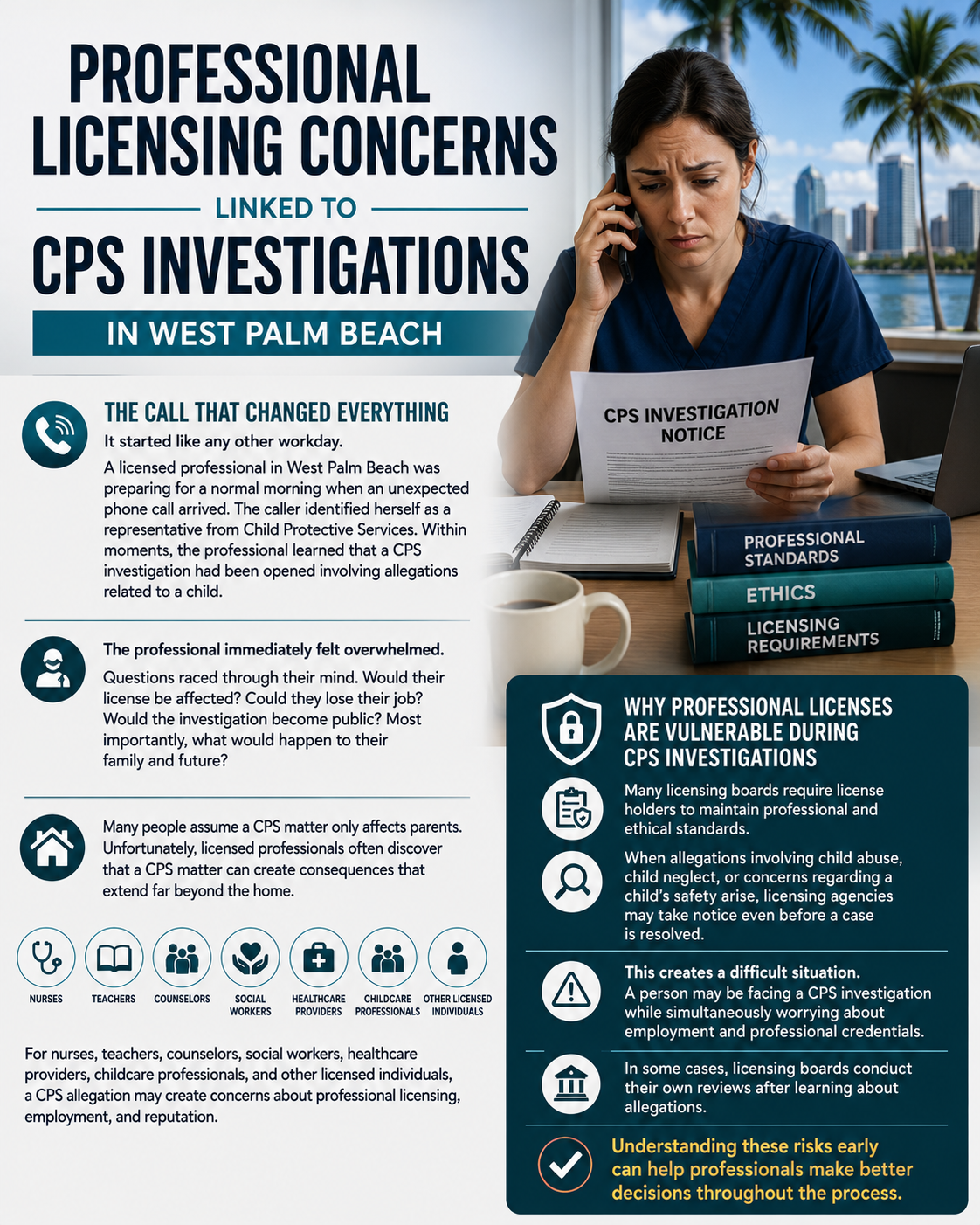
Professional Licensing Concerns Linked to CPS Investigations in West Palm Beach
The Call That Changed Everything
It started like any other workday. A licensed professional in West Palm Beach was preparing for a normal morning when an unexpected phone call arrived. The caller identified herself as a representative from Child Protective Services. Within moments, the professional learned that a CPS investigation had been opened involving allegations related to a child.
The professional immediately felt overwhelmed.
Questions raced through their mind. Would their license be affected? Could they lose their job? Would the investigation become public? Most importantly, what would happen to their family and future?
Many people assume a CPS matter only affects parents. Unfortunately, licensed professionals often discover that a CPS matter can create consequences that extend far beyond the home. For nurses, teachers, counselors, social workers, healthcare providers, childcare professionals, and other licensed individuals, a CPS allegation may create concerns about professional licensing, employment, and reputation.
Why Professional Licenses Are Vulnerable During CPS Investigations
Many licensing boards require license holders to maintain professional and ethical standards.
When allegations involving child abuse, child neglect, or concerns regarding a child's safety arise, licensing agencies may take notice even before a case is resolved.
This creates a difficult situation.
A person may be facing a CPS investigation while simultaneously worrying about employment and professional credentials. In some cases, licensing boards conduct their own reviews after learning about allegations.
Understanding these risks early can help professionals make better decisions throughout the process.
How Child Protective Services Becomes Involved
Most investigations begin after someone makes a report.
The person making the report may be a teacher, healthcare worker, neighbor, coach, counselor, family member, or another individual who believes a child may be at risk.
Once a report is received, Child Protective Services evaluates the information to determine whether an investigation should begin.
Not every report leads to formal action.
However, once child protective services cps initiates an investigation, the matter should be taken seriously regardless of whether the allegations are true.
Understanding the Purpose of CPS Investigations
The primary role of protective services is to evaluate concerns regarding the welfare of a child.
Investigators attempt to determine whether there is evidence of child abuse or neglect, unsafe living situations, or other concerns affecting the child's welfare.
Their focus is generally on the child's protection rather than punishment.
However, findings made during a CPS investigation can have consequences that extend well beyond the immediate investigation itself.
For licensed professionals, those consequences may include licensing reviews, employment concerns, and reputational harm.
Why Licensed Professionals Face Unique Challenges
Professionals who hold licenses often face higher levels of scrutiny.
An allegation involving child abuse, neglect, or concerns regarding a child's welfare may trigger reviews by employers, licensing boards, or professional organizations.
Teachers, counselors, nurses, physicians, therapists, and childcare providers frequently work with children or vulnerable populations.
Because of this responsibility, licensing authorities may evaluate whether allegations affect a professional's fitness to continue practicing.
Even when allegations are ultimately disproven, the investigation process itself can be stressful.
The Difference Between a CPS Investigation and Criminal Charges
Many people assume a CPS case automatically means criminal prosecution.
That is not always true.
A CPS investigation focuses primarily on child welfare concerns. Criminal investigations focus on whether laws have been violated and whether criminal charges should be filed.
The two processes may overlap.
In some situations, evidence gathered during a CPS matter may later become relevant in criminal proceedings.
For that reason, licensed professionals should approach every investigation carefully.
How Allegations Can Affect Professional Licensing
Licensing boards often require professionals to disclose certain investigations, findings, or disciplinary matters.
Even if a professional is never convicted of a crime, licensing authorities may still review allegations involving child abuse and neglect.
The review process varies depending on the profession.
Some boards examine whether the allegations relate directly to professional responsibilities. Others may consider broader concerns involving judgment, safety, or ethics.
Understanding those requirements is critical for protecting a professional license.
What Happens During Initial Contact from CPS
For many families, the most stressful moment is the initial contact from a CPS representative.
A CPS caseworker may call unexpectedly, appear at a residence, or request interviews.
The first conversation often creates anxiety because many people do not understand what comes next.
Some individuals attempt to handle everything on their own.
Others immediately seek guidance from an attorney to better understand their rights and responsibilities.
Why Home Visits Matter
A home visit is often an important part of the investigative process.
During a home visit, CPS representatives may evaluate the environment where the child lives. They may look at sleeping arrangements, cleanliness, supervision, food availability, and overall living conditions.
The purpose is generally to assess safety concerns.
Professionals facing investigations should understand that observations made during these visits can become part of the investigative record.
Child Abuse Allegations and Licensing Consequences
Allegations involving child abuse frequently receive significant attention from licensing boards.
Even when allegations remain unproven, licensing agencies may conduct independent reviews.
A professional who works with children may face particularly intense scrutiny.
The concern for licensing authorities is whether public trust or professional responsibilities could be affected.
These reviews often create additional stress beyond the CPS matter itself.
Child Neglect Allegations Can Be Equally Serious
Many people focus exclusively on abuse allegations.
However, child neglect allegations can create equally significant concerns.
Claims involving supervision, medical care, education, nutrition, or living conditions may become central issues during an investigation.
Licensing boards sometimes view neglect findings as indicators of judgment concerns.
Because of this, neglect-related allegations should never be dismissed as minor issues.
How CPS Workers Gather Information
CPS workers typically collect information from numerous sources.
They may interview parents, children, relatives, educators, healthcare providers, and others with relevant knowledge.
They may review documents, photographs, and other records.
Their goal is to determine whether evidence supports concerns raised in the original report.
The more information collected, the broader the investigation often becomes.
The Importance of Medical Records
In some investigations, medical records play a significant role.
When allegations involve injuries, health concerns, or questions regarding treatment, investigators may seek documentation from healthcare providers.
Medical information can help investigators understand what occurred and whether explanations are consistent with available evidence.
Because these records can become important evidence, professionals should understand how they may influence findings.
Proper legal guidance can help navigate these situations appropriately.
Family Members Often Become Involved
Many investigations extend beyond parents and children.
Family members may be interviewed regarding observations, caregiving responsibilities, or concerns involving the child.
Grandparents, siblings, aunts, uncles, and other relatives sometimes become important sources of information.
Their statements may affect how investigators evaluate the situation.
Because of this, communication among family members should be approached carefully.
Why Teachers Frequently Make Reports
Educators are often among the professionals required to report concerns involving children, and many benefit from legal support for schools and teachers when investigations arise.
Many teachers and SPED educators who must understand special education law receive training regarding signs of suspected child abuse and neglect.
When concerns arise, they may be legally obligated to make a report.
This does not mean the teacher knows abuse occurred.
Instead, the reporting requirement often exists whenever reasonable concerns are identified.
Healthcare Professionals Face Additional Risks
Professionals working in hospitals, clinics, and medical care institutions frequently encounter child welfare issues, and organizations sometimes rely on outside counsel to conduct internal probes when serious allegations arise.
Because they work directly with children and families, their observations may become part of CPS investigations.
Healthcare professionals who become subjects of investigations may face additional scrutiny because of their licensing obligations.
Protecting both professional credentials and personal interests becomes especially important in these situations.
Why Many Parents Underestimate CPS Investigations
Many parents initially believe the investigation will be resolved quickly.
Unfortunately, many parents discover that CPS matters can become more complex than expected.
A single allegation may trigger interviews, home inspections, document requests, and ongoing reviews.
The investigation process can feel overwhelming, particularly when professional licensing concerns are involved.
Understanding the potential consequences early can help families prepare more effectively.
The Child's Safety Is Always the Primary Focus
Regardless of the allegations involved, child protective services cps generally focuses on one primary objective: protecting the child's safety.
Investigators are tasked with evaluating risk factors and determining whether intervention is necessary.
This focus guides nearly every aspect of the investigation.
Understanding that perspective can help families better understand why certain questions are asked and why specific information is requested.
When a CPS Investigator Believes Additional Action Is Necessary
Sometimes a CPS investigator determines that additional protective measures should be considered.
These decisions may involve safety plans, temporary placement arrangements, or requests for court involvement.
The investigator's recommendations can significantly influence how a case proceeds.
For licensed professionals, these developments may also increase concerns regarding licensing reviews.
Responding appropriately during this stage is extremely important.
Understanding Parental Rights During a CPS Investigation
One of the greatest concerns for any parent is the possibility of losing important legal rights.
During a CPS investigation, families often worry about decisions affecting parental rights, access to their child, and future custody arrangements. These concerns are understandable because the outcome of an investigation may affect the entire family.
While Child Protective Services has authority to investigate allegations, parents still maintain important legal protections.
Understanding those rights is essential when making decisions during the investigative process.
Why Parental Rights Matter So Much
Few legal issues carry more emotional weight than concerns involving parental rights.
A parent's relationship with a child is one of the most important relationships recognized under the law. When allegations of abuse or neglect arise, families often fear that relationship could be permanently affected.
Because these cases involve such significant interests, courts generally take them seriously.
Parents should understand that decisions made during the investigation can influence future proceedings involving custody, visitation, and family relationships.
When CPS Believes a Child Is in Immediate Danger
There are situations where CPS believes a child may face immediate danger.
When investigators conclude that urgent intervention is necessary, they may seek emergency action designed to protect the child. These actions can occur quickly and may involve court proceedings shortly afterward.
For families, these situations are often frightening and confusing.
Obtaining accurate information and professional guidance becomes especially important during these moments.
Court Orders and CPS Cases
In certain situations, CPS may seek a court order authorizing specific actions.
A court order can allow investigators to obtain access to information, conduct additional inquiries, or address concerns involving a child's welfare.
The involvement of the court often signals that the matter has become more serious.
Parents should understand what the order requires and how it may affect the family moving forward.
Failure to comply with court directives can create additional complications.
When Court Hearings Become Necessary
Many CPS matters never reach formal litigation.
However, some investigations result in court hearings where evidence, testimony, and legal arguments are presented.
During these proceedings, the judge may review information gathered during the investigation and determine what actions are appropriate.
The outcome of these hearings can affect both the child and the parent.
Preparation is often critical when court involvement becomes necessary.
Why a Judge's Decision Can Affect Professional Licensing
Many licensed professionals focus on protecting their careers.
However, findings reviewed by a judge may sometimes become relevant to professional licensing boards.
Certain professions require disclosure of investigations, findings, or disciplinary actions.
This means a decision made in family court can sometimes create consequences outside the courtroom.
Understanding this connection is important for anyone holding a professional license.
Foster Care Placement and Licensing Concerns
In some circumstances, a child may be temporarily placed in foster care while concerns are addressed.
This outcome is often one of the most stressful possibilities families face.
For licensed professionals, foster care involvement may trigger additional reviews by employers or licensing agencies.
Even temporary placement decisions can create lasting consequences.
Protecting both family interests and professional credentials often requires a coordinated approach.
How Child Protective Services CPS Evaluates Risk
The role of Child Protective Services CPS is to evaluate information and assess risk factors.
Investigators review evidence, conduct interviews, and attempt to determine whether allegations are supported.
They may examine prior reports, family history, living arrangements, and other relevant circumstances.
Their conclusions often influence what recommendations are made moving forward.
Because these evaluations carry significant weight, families should take them seriously.
Child Abuse and Neglect Findings Can Affect Licensing Boards
Allegations involving child abuse and neglect frequently attract attention from professional licensing authorities.
Boards may independently review findings made by CPS, even if criminal charges are never filed.
The concern is often whether the allegations reflect issues involving judgment, ethics, or professional conduct.
This can be particularly important for professionals who work with children or vulnerable populations.
Understanding the licensing implications is a key part of any defense strategy.
Why CPS Defense Matters Early
One of the biggest mistakes people make is waiting too long to focus on CPS defense.
Many families assume the allegations will quickly disappear once investigators learn the facts.
Unfortunately, investigations do not always proceed that way.
Early preparation often allows families to present information more effectively and avoid misunderstandings.
A proactive approach can make a significant difference.
The Value of a CPS Defense Attorney
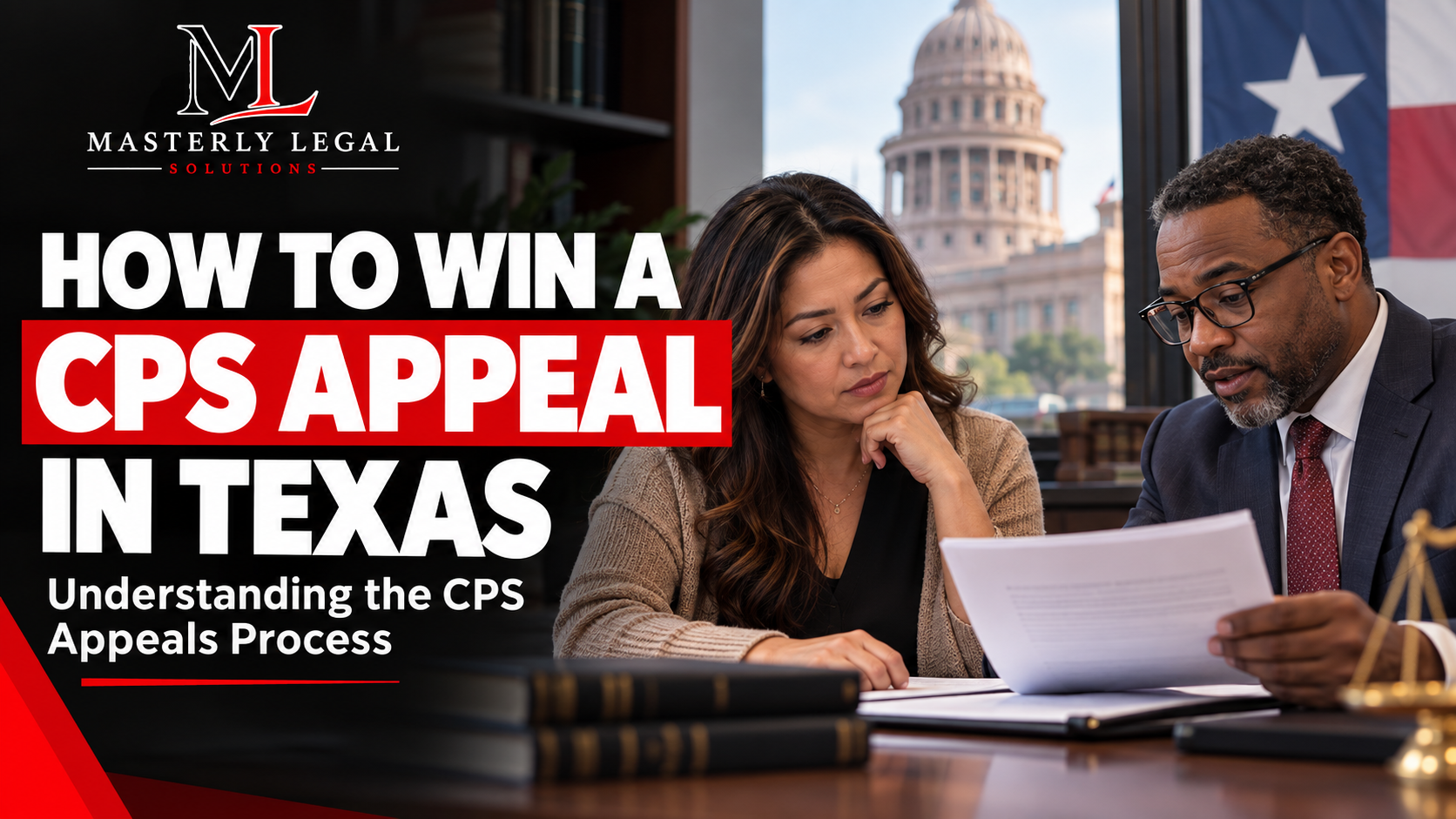
An experienced CPS defense attorney can help families understand what to expect throughout the process.
The attorney may explain procedures, identify risks, and help evaluate how allegations could affect both family relationships and professional licensing concerns.
When investigations involve complicated factual issues, legal guidance can be particularly valuable.
Every case is different, but informed decision-making is often one of the strongest protections available.
Why an Experienced CPS Lawyer Can Help Protect Your Future
A knowledgeable and experienced CPS lawyer understands that these matters involve more than a single investigation.
The outcome may affect employment, licensing, family relationships, and future planning that calls for essential legal documents.
An attorney familiar with CPS cases can help identify concerns that may not be obvious at the beginning of the process.
This broader perspective often helps families make better long-term decisions.
Protecting the future requires understanding the full scope of potential consequences.
The Role of Family Members During Investigations
As investigations expand, additional family members often become involved.
Relatives may provide information about caregiving responsibilities, household dynamics, or interactions involving the child.
Their statements can influence how investigators evaluate allegations.
Because of this, communication among relatives should be approached carefully.
Information provided during interviews may become part of the official record.
Child Abuse or Neglect Allegations Require Careful Attention
Allegations involving child abuse or neglect should never be dismissed as minor issues.
Even when accusations are inaccurate, investigators are required to review the concerns and gather information.
The findings may affect family relationships, employment opportunities, and professional licenses.
For licensed professionals, the consequences can be especially significant.
Addressing concerns early often creates more opportunities to protect important interests.
How CPS Workers Assess Living Conditions
During an investigation, CPS workers often evaluate the home environment.
They may examine cleanliness, supervision, food availability, sleeping arrangements, and overall living conditions.
These observations help investigators determine whether safety concerns exist.
A clean and organized home does not automatically resolve every allegation, but it can become an important part of the overall assessment.
Families should understand that home observations frequently become part of investigative reports.
Why Relevant Information Matters
The outcome of a CPS matter often depends on the quality and accuracy of the relevant information available.
Investigators attempt to gather facts from multiple sources before reaching conclusions.
Documents, witness statements, photographs, medical information, and school records may all play a role.
The more complete the information, the better investigators can evaluate the situation.
Providing accurate information often helps avoid misunderstandings.
Child Protection Cases Often Involve Complex Facts
Many child protection cases involve complicated family situations.
There may be disagreements between relatives, conflicting witness statements, or concerns arising from stressful life events.
Investigators must sort through large amounts of information while attempting to determine what actually occurred.
Because of this complexity, families should avoid making assumptions about how quickly matters will be resolved.
Careful preparation remains important throughout the process.
When Criminal Charges Become a Possibility
Most CPS investigations do not automatically result in criminal charges.
However, certain allegations involving serious abuse, neglect, or harm to a child may be referred to law enforcement.
If criminal authorities become involved, the stakes often increase substantially.
The investigation may now affect both family law issues and criminal law concerns.
This is one reason why obtaining guidance from an experienced attorney can be beneficial.
How Many Families Experience Unexpected Licensing Problems
Many families focus entirely on protecting the child and resolving the immediate investigation.
What they sometimes overlook is how findings may affect professional licensing.
Teachers, healthcare professionals, counselors, and other licensed individuals often discover that licensing boards conduct independent reviews.
The result is that one investigation may create multiple legal concerns simultaneously.
This possibility highlights the importance of evaluating every aspect of the case.
Why an Experienced Lawyer Makes a Significant Difference
A truly experienced lawyer understands how CPS findings, licensing concerns, employment issues, and family matters can intersect.
The ability to evaluate these overlapping risks often makes a significant difference in case strategy.
Families facing investigations frequently have questions that extend beyond child welfare concerns.
They want to know how the matter may affect careers, licenses, finances, and future opportunities.
Comprehensive legal guidance helps address those concerns.
The Role of a CPS Caseworker in Family Investigations
A CPS caseworker serves as one of the primary points of contact during an investigation. The caseworker gathers information, interviews witnesses, reviews documents, and evaluates circumstances involving the child and family. Their observations and reports often become important pieces of evidence if the matter later reaches court. Because of this, families should understand that every interaction may become part of the official record. Responding respectfully and thoughtfully is often in everyone's best interest.
Why Parents Should Respond Effectively During an Investigation
When CPS becomes involved, emotions can run high. Fear, frustration, and uncertainty sometimes cause people to make statements or decisions that create additional complications. Families who respond effectively often place themselves in a stronger position throughout the investigation process. This does not mean agreeing with every allegation. It means understanding the process, protecting rights, and making informed decisions based on facts rather than fear.
Protecting Parental Rights Throughout the Process
One of the most important goals for many families is protecting parental rights. A CPS investigation does not automatically mean a parent loses the right to make decisions regarding a child. However, concerns involving abuse or neglect can create situations where those rights become subject to review. Parents should understand the allegations, the evidence being considered, and the potential consequences of investigative findings. Taking these matters seriously can help protect important family relationships.
Why Legal Representation Can Matter Early
The earlier a family understands its options, the better prepared it may be to navigate difficult decisions. Effective legal representation can help explain procedures, identify potential risks, and provide guidance regarding communications with investigators. Many people wait until a case reaches court before seeking assistance. In some situations, valuable opportunities may already have passed by that point. Early planning often helps families address concerns before they become larger problems.
How Court Hearings Affect Families and Professionals
When CPS matters advance to formal court hearings, the process becomes more structured and complex. Evidence may be presented, witnesses may testify, and the court may review recommendations from investigators. The decisions made during these hearings can affect both family relationships and professional licensing concerns. Licensed professionals should understand that findings reviewed by the court may later be examined by regulatory boards. Preparing properly for these proceedings is extremely important.
Why Custody Concerns Frequently Arise
Many CPS investigations involve questions regarding custody and caregiving responsibilities. If investigators believe changes are necessary to protect a child, temporary or long-term custody issues may emerge. These situations can be emotionally difficult for both the parent and the child. Families often benefit from understanding how custody concerns may interact with the broader investigation. Careful planning can help reduce uncertainty during a stressful time.
What Happens When an Investigator Believes Allegations Are Supported
Sometimes an investigator believes the evidence supports concerns raised in the original report. When that occurs, recommendations may be made regarding services, court involvement, or other interventions. These findings can have consequences extending beyond the immediate case. For licensed professionals, they may also trigger reviews by employers or licensing boards. Understanding the potential impact of investigative findings is an important part of protecting both family and professional interests.
The Importance of Child Safety and Family Stability
Every CPS matter involves balancing concerns about safety with the goal of maintaining family stability whenever possible. Investigators are tasked with protecting children while evaluating the circumstances surrounding the allegations. In many situations, the objective is not separation but identifying solutions that help families address concerns. Understanding this goal can sometimes help reduce misunderstandings during the process. The welfare of the child remains the primary consideration throughout the investigation.
Why Many CPS Cases Never Follow a Straight Path
No two CPS cases are exactly alike. Some investigations are resolved quickly, while others involve months of review, court proceedings, and ongoing services. New information may emerge, witnesses may provide conflicting accounts, and circumstances may change over time. Because of this, families should avoid assuming they know how the case will end based solely on its beginning. Each stage of the process deserves careful attention.
How a Court Evaluates the Best Interests of the Child
When a CPS matter reaches the court, decisions are often guided by what the court considers the best interests of the child. This standard may influence custody arrangements, visitation issues, services, and other important decisions. Judges consider numerous factors when evaluating a child's welfare and future needs. Parents should understand that courts focus heavily on long-term stability and safety. Presenting accurate information becomes especially important in these situations.
Why Child Abuse Allegations Affect Professional Reputations
Even when allegations remain unproven, accusations involving child abuse can affect professional reputations. Teachers, counselors, healthcare providers, and other licensed professionals often face additional scrutiny because of the trust placed in their positions, similar to North Carolina educators who may require misconduct defense to protect their licenses. Licensing boards may review investigative findings independently from CPS. This means professional concerns may continue even after the underlying investigation concludes. Protecting both personal and professional interests is often essential.
The Relationship Between CPS Findings and Licensing Boards
Licensing authorities frequently evaluate information differently than CPS investigators. A board may review findings to determine whether concerns exist regarding professional conduct, ethics, or judgment. These reviews may occur even when no criminal charges are filed. Professionals who hold licenses should understand that resolving a CPS matter does not automatically end every related concern. The licensing process often operates independently.
Why Family Decisions During an Investigation Matter
Families often face some of the most important decisions of their lives during a CPS investigation. Choices regarding communication, cooperation, documentation, and legal guidance can affect the direction of the case. Decisions made early in the process may influence outcomes months later. Because the stakes are high, families should avoid acting based solely on emotion. Thoughtful planning often creates better opportunities to protect important interests.
The Importance of Speaking With a Lawyer Before Making Major Decisions
Many people wait until a crisis develops before contacting a lawyer. Unfortunately, by then some opportunities may have already been lost. Speaking with an attorney early can help families understand risks, obligations, and available options. An attorney can also help explain how the investigation may affect employment, licensing, custody, and other legal concerns. Knowledge often provides clarity during uncertain situations.
How a CPS Attorney Can Help Protect Your Future
An experienced CPS attorney understands that these investigations can affect far more than a single allegation. The outcome may influence family relationships, employment opportunities, licensing concerns, and future legal matters. A knowledgeable attorney can help evaluate the facts, identify risks, and develop a strategy designed to protect important interests. Whether the issue involves a parent, a child, or a licensed professional, experienced guidance can be invaluable.
Why a CPS Defense Attorney May Be Critical in Serious Cases
In more complex matters, working with a qualified CPS defense attorney may become especially important. Allegations involving child abuse or neglect, licensing concerns, or potential court proceedings often require careful preparation. An attorney can help review evidence, prepare for interviews, and address concerns before they escalate. The goal is not only to defend against allegations but also to protect the future. Every decision made during the investigation should be informed and strategic.
Professional Licensing Concerns in Palm Beach Investigations
Professionals throughout Palm Beach and surrounding communities often underestimate how quickly a CPS matter can affect licensing concerns, even though firms that offer wide-ranging legal and business services regularly see how one issue can impact many areas of life. Teachers, healthcare providers, counselors, childcare professionals, and other licensed individuals may face reviews separate from the CPS process, much like educators who need Texas education law and license defense support when their careers are at stake. What begins as a child welfare investigation can evolve into a career-related issue. Understanding these risks early can help professionals make better decisions throughout the process. Protecting a license is often just as important as resolving the investigation itself.
Why Working With the Right Law Firm Matters
Choosing the right law firm can have a meaningful impact on how a family approaches a CPS matter, especially when that firm offers broad legal services and internal investigation support. An experienced law firm understands the legal, emotional, and professional challenges these investigations create. Effective representation requires more than understanding child welfare laws. It also requires recognizing how investigations affect careers, families, and futures. The right legal team can help guide families through every stage of the process.
Why a CPS Attorney Can Help Families Navigate Complex Legal Matters
When a family becomes involved in a CPS investigation, the situation can quickly become overwhelming. An experienced CPS attorney can help families understand their rights, obligations, and options while addressing complicated legal matters that may arise throughout the process. Investigations often involve allegations that affect both personal and professional lives, making it important to obtain reliable guidance early. The goal is not only to address the immediate concerns but also to protect the family's future. Understanding the legal process can help parents make informed choices during stressful circumstances.
Understanding the Role of Government Agencies in CPS Cases
Although this article focuses on Florida-related concerns, many families are familiar with agencies such as the Texas Department of Family and Protective Services because of information they find online. Every state has agencies responsible for investigating reports involving child welfare and safety concerns. These organizations are tasked with evaluating allegations and determining whether intervention is necessary. Understanding which agency is involved and what authority it has can help families better prepare for the investigation process. Accurate information is essential when responding to government inquiries.
Why the Attorney Client Relationship Matters
One of the most important protections available when seeking legal guidance is the attorney client relationship. This relationship allows individuals to communicate openly with their attorney about sensitive concerns without fear that those discussions will be disclosed. During a CPS investigation, families often need to discuss personal matters involving parenting, employment, finances, and family dynamics. Honest communication helps attorneys provide accurate advice and effective representation. Trust is a critical part of building a strong legal strategy.
The Value of Legal Representation During CPS Investigations
Effective legal representation can make a significant difference when allegations involve child welfare concerns. A knowledgeable attorney can explain procedures, review evidence, and help families understand what to expect during the investigation. Many people are unfamiliar with how CPS operates and may unintentionally make decisions that complicate their situation. Professional guidance helps families approach the process with greater confidence. Being informed often leads to better outcomes.
Protecting the Well Being of Children and Families
The primary goal of CPS investigations is protecting the well being of children while evaluating concerns regarding safety and care. At the same time, families have important rights that deserve protection throughout the process. Balancing child welfare concerns with family rights is often one of the most challenging aspects of these cases. Understanding how investigators evaluate risk can help families better navigate the situation. Every decision should focus on promoting stability and safety.
Choosing the Right Law Firm for Your CPS Matter
Selecting the right law firm is an important decision when facing a CPS investigation. An experienced law firm understands the legal, emotional, and practical challenges these cases create. Families often need guidance not only regarding the investigation itself but also regarding related concerns involving employment, licensing, custody, and future planning. The right legal team can provide support throughout every stage of the case. Strong legal guidance can help reduce uncertainty during a difficult time.
How Families Can Respond Effectively to CPS Allegations
One of the most important things a family can do is respond effectively when CPS becomes involved. This means taking allegations seriously, understanding the process, and avoiding decisions based solely on fear or frustration. Cooperation should be balanced with an understanding of legal rights and responsibilities. Families who approach the situation thoughtfully are often better positioned to address concerns as they arise. Preparation can be a valuable asset during an investigation.
Why Neglect Cases Require Careful Attention
Many neglect cases involve misunderstandings, disputed facts, or concerns about parenting decisions that require closer examination. These cases can become complex because neglect allegations often involve subjective evaluations of supervision, living conditions, or caregiving practices. Even when parents disagree with the allegations, they should take them seriously. The consequences of a substantiated finding can affect family relationships and professional opportunities. Early action can help families better address the concerns being raised.
Extreme Cases Can Lead to Serious Consequences
In extreme cases, CPS may seek emergency intervention when investigators believe a child faces immediate risks. These situations can involve emergency court proceedings, temporary placement decisions, or urgent protective measures. Because the stakes are so high, families should act quickly to understand their rights and responsibilities. Serious allegations often require careful legal planning and prompt responses. The earlier concerns are addressed, the more options may be available.
Why Courts Focus on the Best Interests of the Child
When a CPS matter reaches court, decisions are often based on what the judge believes serves the best interests of the child. This standard influences rulings involving placement, custody, visitation, and services. Courts evaluate numerous factors to determine what arrangements promote stability and safety. Understanding this legal standard can help families better prepare for court proceedings. Every case is evaluated based on its unique facts.
Making the Most Important Decisions During a CPS Investigation
Few situations require families to make more most important decisions than a CPS investigation. Choices regarding communication, legal strategy, cooperation, and documentation can affect the outcome of the case. These decisions may also influence future employment, professional licensing, and family relationships. Because the consequences can be long-lasting, families should avoid rushing into major decisions without fully understanding their options. Careful planning is often essential.
Why Important Decisions Should Never Be Made Alone
The important decisions families face during CPS investigations often carry significant consequences. Whether deciding how to respond to allegations, whether to participate in interviews, or how to address court proceedings, informed choices matter. Seeking professional guidance can help reduce uncertainty and improve decision-making. No family should feel forced to navigate these challenges entirely on their own. Understanding available resources can make a meaningful difference.
Parents Have a Responsibility to Protect Their Child
Every parent has a responsibility to help protect their child and address concerns involving safety and well-being. When allegations arise, demonstrating a commitment to the child's welfare can be an important factor during the investigation. Investigators often evaluate how parents respond to concerns and whether they take appropriate steps to address issues. Showing cooperation and responsibility may help create a more complete picture of the family's circumstances. Thoughtful actions often speak louder than assumptions.
Why Families Should Speak With an Attorney Early
Many families wait too long to speak with an attorney after CPS becomes involved. By that point, opportunities to address concerns proactively may have already passed. Early legal guidance can help families understand the process, avoid common mistakes, and prepare for potential challenges. Even a brief consultation can provide valuable clarity. Knowledge often reduces uncertainty during difficult situations.
When to Consult an Attorney About a CPS Investigation
If you are facing a CPS matter, it is often wise to consult an attorney as soon as possible. Early legal guidance can help identify risks, explain procedures, and develop a strategy tailored to your situation. Every case is unique, and what works in one situation may not be appropriate in another. Professional advice can help families better understand their options before making major decisions. Being proactive often provides the greatest flexibility.
How an Attorney Can Assist Your Family
An experienced attorney can assist families by explaining legal requirements, reviewing allegations, preparing for interviews, and advocating for their rights throughout the process. CPS investigations often involve emotional and legal challenges that can feel overwhelming without guidance. Having knowledgeable support can help families approach the situation with greater confidence. Effective representation is about more than responding to allegations—it is about protecting the future. Understanding your options is often the first step toward achieving that goal.
Speak With Masterly Legal Solutions About Your CPS Matter
If you or someone you love is facing a CPS investigation, do not assume the matter will simply resolve itself. Allegations involving child abuse, neglect, parental rights, professional licensing, and family stability can create long-term consequences. Whether you are a parent, licensed professional, teacher, healthcare provider, or another individual involved in a CPS matter, obtaining accurate information early can make a tremendous difference.
At Masterly Legal Solutions, our experienced attorneys understand the challenges families face when dealing with Child Protective Services investigations. We work closely with clients to evaluate allegations, protect important rights, and address concerns involving professional licenses, custody, court proceedings, and family relationships.
If you have questions about a CPS investigation, need guidance regarding your legal options, or want to better understand how a case could affect your future, contact Masterly Legal Solutions today. Call (972) 236-5051 for a free consultation. We are ready to listen, answer your questions, and help you take informed steps toward protecting what matters most.
Disclaimer: This article is provided for informational and educational purposes only. It is not legal advice and should not be relied upon as legal guidance for any specific situation. Reading this article does not create an attorney client relationship with Masterly Legal Solutions. Every case is unique, and outcomes depend on the specific facts and circumstances involved. If you are facing a CPS investigation or have concerns involving parental rights, professional licensing, child welfare matters, or other legal issues, you should consult with a qualified attorney regarding your specific situation.

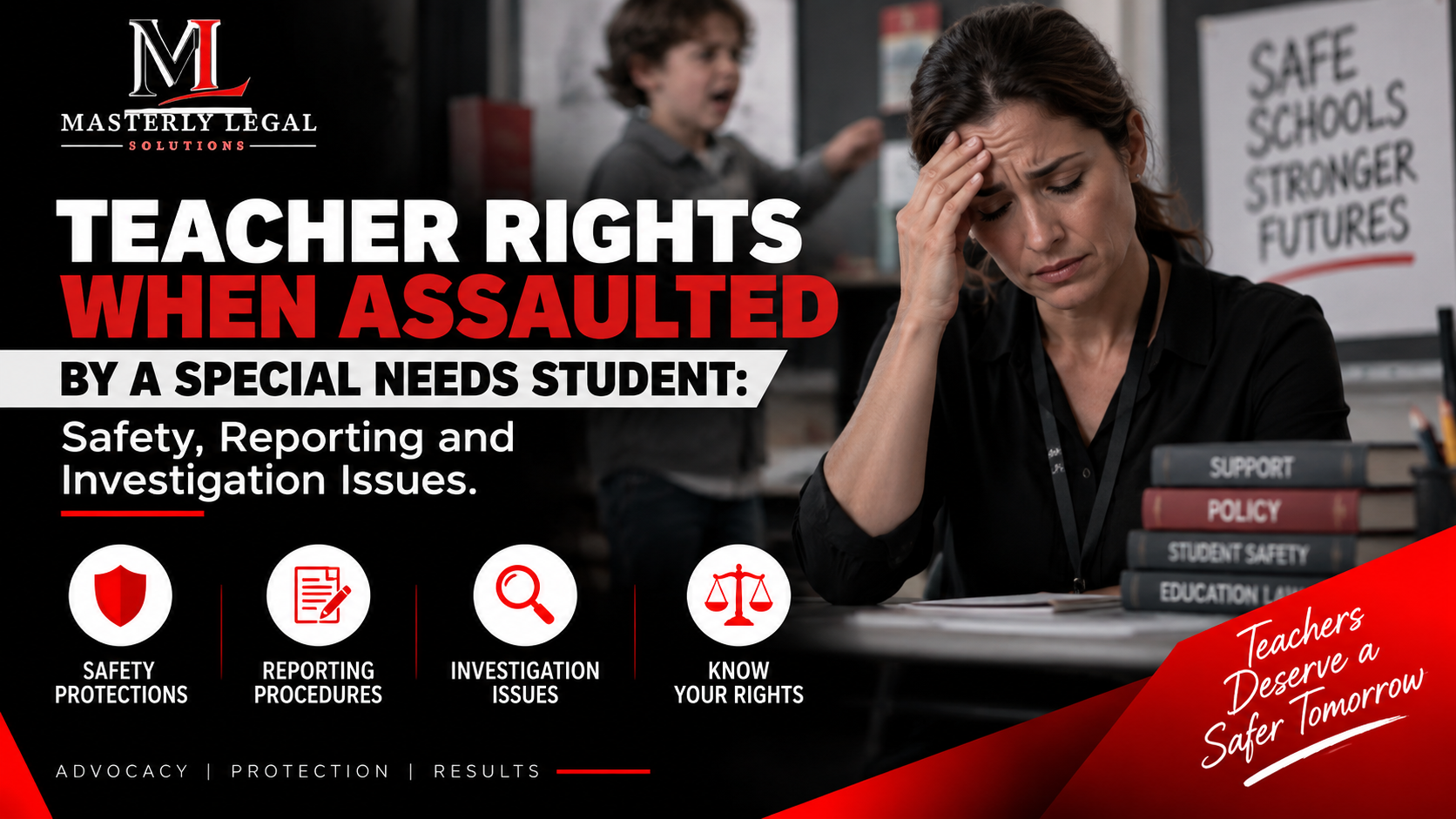
Teacher Rights When Assaulted by a Special Needs Student: Safety, Reporting and Investigation Issues

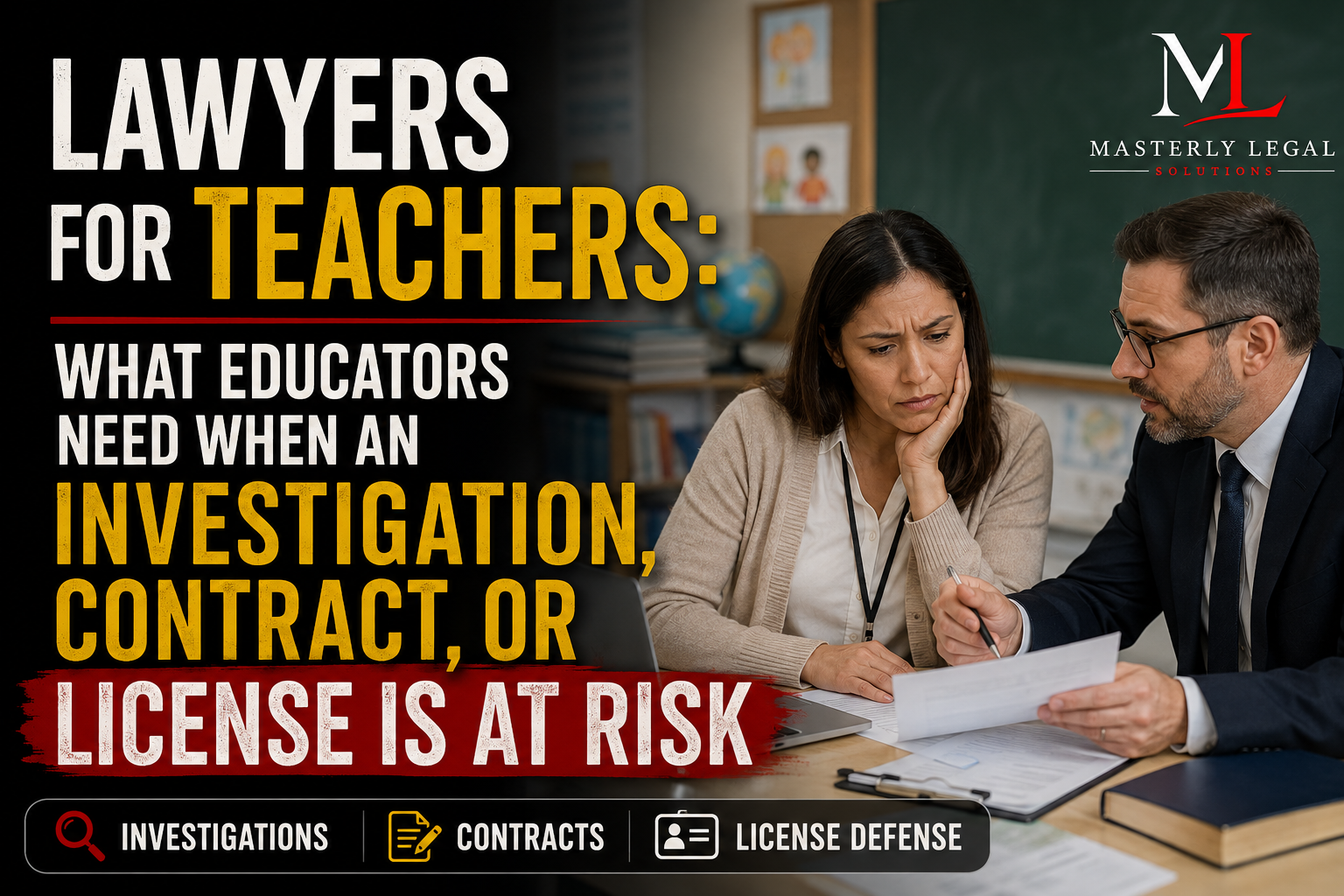

Looking for Legal & Business Solutions? Contact Us Now
Fill in the form or call us to set up a meeting