

Seven Avoidable Errors That Can Complicate a TMB Case
The texas medical board tmb investigates complaints against physicians filed by patients, employers, and other healthcare professionals each year. Physicians face increased complaints from the texas medical board, and the way you respond in the first days can shape everything that follows. Common complaints include standard-of-care violations, ethical violations, and misconduct allegations, but regardless of the category, early mistakes can damage credibility, limit your options, and create problems far worse than the original issue. Attempting to handle a texas medical board investigation alone can be risky-and the following seven errors explain why.

1. Responding to the Texas Medical Board Before You Call a Lawyer
Many physicians contact a texas medical board lawyer only after they have already sent a damaging response. The impulse to "clear things up quickly" by calling a texas medical board investigator or dashing off an email is understandable, but it is also one of the fastest ways to create problems that did not previously exist. Legal counsel is crucial when responding to TMB investigations because every sentence in that initial response becomes part of the permanent record.
The complaint letter or notice of investigation usually arrives by certified mail. It typically demands a written response within 21–28 days. The board operates under the texas medical practice act, and your response must align precisely with its definitions and standards. When a physician responds without guidance, casual language can be treated as admissions or inconsistencies.
Consider this scenario: a licensed physician admits a "documentation oversight" in a hastily written reply. Weeks later, the board characterizes the same admission as falsification or a standard-of-care departure. Nearly 40% of board complaint cases are dismissed after the licensee's initial written response-but that statistic depends on what that response actually says.
An attorney can prevent missteps during the complaint process by:
- Mapping your response to the medical practice act and TMB rules
- Identifying collateral obligations such as malpractice carrier notice and hospital bylaws
- Flagging language that could be construed as an admission
- Coordinating with medical professionals involved in your care team
An experienced attorney serving as your physician license defense attorney can help craft a strong response to complaints. Medical professionals are recommended to hire legal counsel upon notification of an investigation. Legal representation is crucial in managing investigations and protecting a medical career from unnecessary harm.
2. Contacting the Complainant or Witnesses on Your Own
One of the most common TMB investigation mistakes is trying to smooth things over directly with the complaining patient, nurse, or colleague. Complaints can come from patients, employers, or other physicians, and reaching out to any of them while the investigative process is underway creates serious risk.
Any outreach-phone, text, email, portal message, social media, or through staff-can be portrayed as intimidation, coaching, or retaliation. This kind of contact can generate new allegations such as boundary violations or witness tampering, strengthening the medical board's concerns about judgment and professionalism. Many healthcare providers are contractually barred by hospital, group, or credentialing policies from contacting certain witnesses once an investigation begins.
Instead of contacting the complainant directly, healthcare professionals should:
- Route all communication through legal counsel
- Direct staff not to reach out on your behalf
- Preserve all prior messages without editing or deleting them
- Avoid using EHR secure messaging or patient review platforms to address the complaint
A physician license defense lawyer can communicate through formal channels, obtain statements, and preserve testimony in a way that respects TMB rules and avoids obstruction concerns. Licensed healthcare professionals benefit from this buffer because it prevents a defensible clinical issue from becoming a licensing and credentialing issues problem.
3. Altering, Updating, or "Cleaning Up" Medical Records After Notice
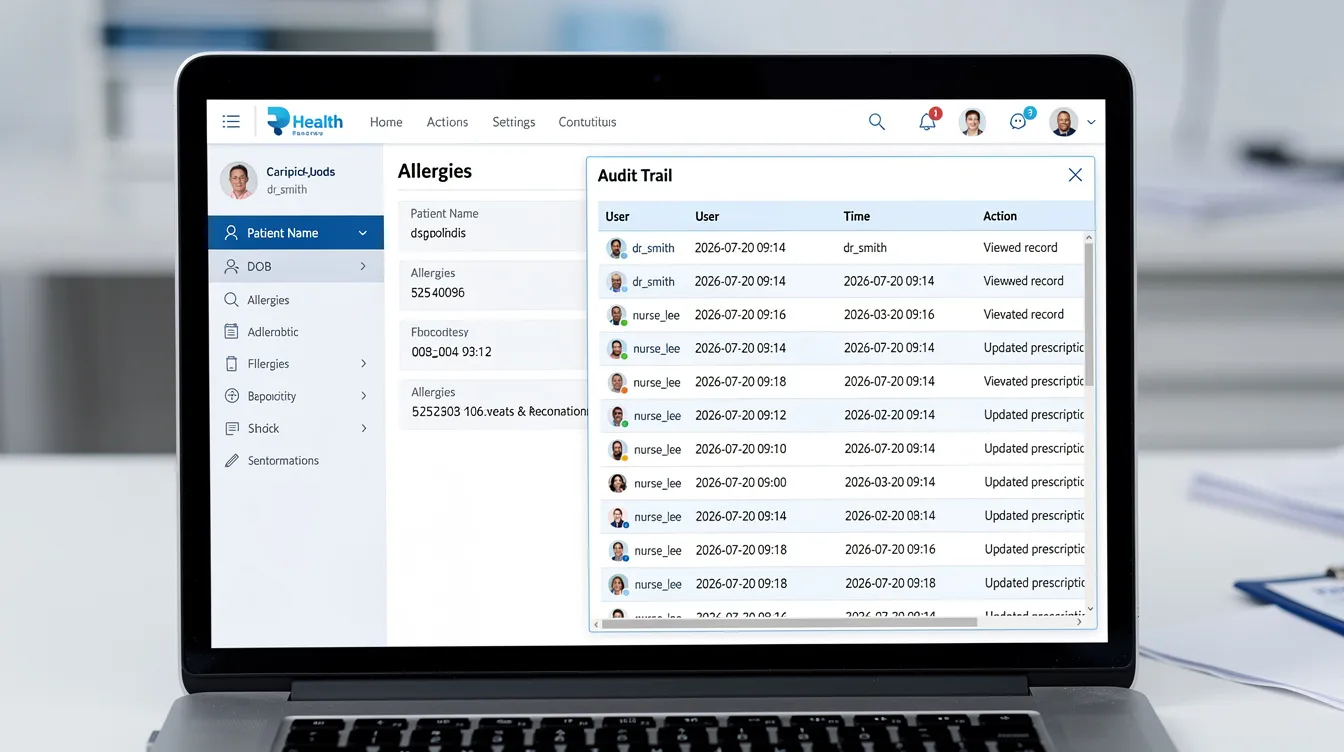
Altering charts after learning of a complaint is one of the fastest ways to transform a defensible case into a disciplinary matter. TMB investigators and expert reviewers examine audit trails in EHR systems-Epic, Cerner, athenahealth-and can identify late entries, deleted notes, and back-dated edits with precision.
There is a clear distinction between legitimate and deceptive record changes:
- A good late entry is clearly labeled "addendum" or "late entry," includes the actual date and time of the addition, carries the author's initials, and explains the reason (e.g., "charting delayed due to emergency coverage").
- A bad alteration involves back-dating, deleting content, modifying original findings, or removing entries after the complaint begins. Under Texas Penal Code Chapter 37, falsifying or altering a governmental record can carry criminal charges ranging from misdemeanor to felony.
Suspected record alteration can support allegations of unprofessional conduct, dishonesty, or cover-up-often viewed more harshly than the original clinical issue. If the board concludes a physician violated documentation standards through deliberate falsification, the consequences can far exceed what the underlying complaint would have produced.
Safe steps before touching any record:
- Freeze routine auto-deletion protocols
- Export read-only copies of the relevant chart
- Preserve controlled substances logs, call records, EMR access logs, and emails
- Work with your texas medical board lawyer before generating any amended notes
A medical license defense attorney gathers evidence to support a clinician's position during a texas medical board investigation, and preserving unaltered records is foundational to that effort.
4. Giving Informal Oral Statements to Investigators or Peer Review Without Counsel
Many medical doctors assume "informal" means "off the record." In reality, any conversation with a TMB field investigator or internal hospital committee during peer review proceedings can be documented, quoted, and later used in administrative hearings. Physicians should not meet TMB investigators without legal advice.
TMB enforcement staff may request a "quick call" before or after your written response. Hospitals often conduct parallel peer review interviews. Inconsistencies between the written response, oral statements, and the medical record are frequently cited as evidence of lack of candor or unreliability. Legal strategies can prevent unintentional self-incrimination during these conversations.
Risk areas that commonly surface during informal questioning include prescribing controlled substances, boundary or sexual misconduct allegations, and documentation shortcuts like templates, copy-paste, or scribe usage.
Phrases to avoid versus safer alternatives:
- Avoid: "I don't remember," "I think I did," "It was patient driven," "I always do that." These invite follow-up and create impeachment material.
- Safer: "I will need to review the record to give an accurate response," "Can you put that request in writing?" or "My recollection is limited-I'd prefer to answer after a document review."
An attorney experienced in professional license defense can attend or prepare you for these meetings, define the scope of questioning, and intervene when topics go beyond what was noticed.
5. Missing Deadlines or Assuming Extensions Are Automatic
The disciplinary process runs on strict statutory and regulatory timelines. The texas medical board requires timely responses to board inquiries and notices, and missed deadlines shift control of the case away from you.
Key time frames texas physicians face:
- Initial response: 21–28 days after receipt of the complaint letter
- Record production: often 10–20 day windows
- Informal settlement conference or temporary suspension hearing: short notice periods set by the state office
- Investigation window: the texas medical board has a 45-day initial investigation period after a formal complaint is filed, and physicians have 180 days for the texas medical board investigation overall
Failing to respond on time can result in escalation from preliminary inquiry to formal investigation, default findings, or adverse inferences about cooperation. The texas medical board determines next steps based partly on whether a physician cooperated, and silence is rarely interpreted favorably. The texas medical board can schedule a temporary suspension hearing if a licensee's medical practice poses a danger to the public, sometimes on an expedited timeline.
TMB staff may grant extensions, but only with a timely, documented request-ideally submitted by your texas medical board lawyer. The texas board does not treat extensions as automatic. Ignoring SOAH-related notices in contested cases can result in waived rights to present evidence or cross-examine witnesses before an administrative law judge.
Use a structured deadline calendar with redundant reminders for all TMB-related dates. Keep a central file tracking every piece of correspondence, what was sent, and when. If travel, call schedules, or illness interfere, your attorney can help triage tasks and meet filing requirements under administrative law.

6. Under-Disclosing or Over-Disclosing Past Issues and Collateral Consequences
Physicians often either say too little or too much when describing prior malpractice claims, criminal convictions, or mental health issues. Both errors can create problems that outlast the underlying complaint.
The licensing board, hospitals, Medicare panels, and commercial insurers compare your statements across multiple sources: texas medical license applications, renewal forms, credentialing packets, DEA registration, and NPDB reports. A discrepancy-such as failing to mention a resolved misdemeanor or a prior non disciplinary remedial plan-can be characterized as misrepresentation, sometimes treated more seriously than the original event. Criminal convictions can negatively impact a physician's license even when the underlying matter was minor.
Substance abuse allegations and chemical dependency disclosures require particular care. Explaining treatment for burnout, depression, or substance abuse in a way that is honest but focused on stability, monitoring, and current fitness to practice medicine demands precise language. Over-disclosing-volunteering damaging speculation about your own mental health issues or past conduct-can create new vulnerabilities.
Collateral reporting duties triggered by TMB actions include notifying hospitals where you hold hospital privileges, HMOs, malpractice carriers, and sometimes other state boards where you hold a medical license. An experienced legal counsel can inventory your regulatory and litigation history to ensure consistency in all disclosures.
Other healthcare professionals holding licenses in multiple states face additional complexity: each licensing process may ask different questions, and conflicting answers across jurisdictions create compounding risk. Balancing transparency with strategic focus is essential to protecting your medical career.
7. Mishandling Prescription, Documentation, or Boundary Allegations
Cases involving controlled substances, documentation shortcuts, or patient boundaries are common and particularly sensitive in texas medical board cases. Improper prescribing practices are a frequent source of complaints, and the board is authorized to investigate complaints involving standard of care in each of these areas.
Controlled substances: The board focuses on high MME opioid prescribing, overlapping benzodiazepine and opioid therapy, non therapeutic prescribing patterns, telemedicine prescribing without adequate examination, and failure to check the Prescription Drug Monitoring Program. Casually characterizing prescribing as "routine" or "patient-driven" in your response can backfire. A texas medical license defense strategy typically includes detailed references to clinical guidelines, PDMP checks, and treatment agreements.
Documentation: Copy-and-paste EHR notes, cloned exam findings, unsigned orders, and gaps between what the chart shows and what actually occurred are frequent triggers. As the TMB's enforcement bulletin explains, serious allegations involving documentation dishonesty still lead to significant consequences even under the board's refined progressive discipline model.
Boundaries: Non-sexual boundary crossings-gifts, texting patients, social media connections, treating family or staff-may be reframed by the medical board as unprofessional or exploitative conduct. Disciplinary cases involving boundary allegations require careful language that neither minimizes patient safety concerns nor appears dismissive. A licensed physician navigating these allegations benefits from expert coordination and timeline reconstruction that only a health care professionals defense team can provide.
8. Treating the Informal Settlement Conference as a Casual Meeting
The informal settlement conference is a pivotal, structured step that usually occurs months after the initial complaint-but its name is misleading. Texas medical board investigations may proceed to formal administrative hearings if not resolved at this stage, making the ISC one of the most consequential moments in the case.
The ISC typically takes place at TMB offices in Austin. A panel that may include board members and a board staff attorney will have already reviewed the file and preliminary expert opinions. Common mistakes include appearing without a law firm representing you, failing to submit a focused written statement and exhibits in advance, or using the session to vent rather than address the specific statutory allegations.
Effective preparation looks like this:
- Mock questioning sessions with experienced legal counsel
- A refined narrative supported by organized key records
- Anticipating questions about remediation already taken (CME completion, chart audits, proctoring)
Possible outcomes of the ISC include dismissal, a non disciplinary remedial plan, agreed orders with sanctions, or referral for a formal contested hearing or temporary restrictions on practice. Statements made at the ISC can affect future SOAH proceedings before an administrative law judge, including later modification requests. Early concessions-without strategic framing-can lock you into positions that limit options for years.
A free consultation with an experienced attorney before the ISC date can clarify what you are walking into and how to present your case effectively.

9. Ignoring Long-Term Compliance, Reporting, and Credentialing Fallout
Many physicians focus solely on getting through the investigation, overlooking how an agreed order, remedial plan, or public reprimand will affect their ability to practice for years. Texas medical board investigations can lead to public reprimands, and disciplinary orders from the texas medical board are public records viewable by hospitals, insurers, and patients.
Disciplinary actions can include license suspension or revocation. The board can suspend or revoke medical licenses for violations involving criminal conduct, a criminal matter, or repeated clinical failures. Even lesser sanctions carry long-term weight. Consequences from the texas medical board can impact a clinician's hospital privileges and insurance participation.
Typical compliance obligations imposed by TMB orders include chart reviews, CME in specific topics, prescribing limitations, random drug screens, chaperone requirements, and practice monitoring. Each carries strict reporting expectations, and non-compliance can trigger additional disciplinary actions or temporary restrictions.
Credentialing fallout extends beyond Texas. Delays or denials of hospital privileges, payer panel terminations, questions from out-of-state boards, and issues during board certification or recertification are common if concerns remain unresolved. Civil litigation history, reports to law enforcement agencies, and NPDB entries further complicate the licensing process.
A physician's license is easier to protect through narrower order language negotiated early than through later modification requests. Careful compliance from day one is essential if you hope to seek early termination of monitoring requirements. The medical profession demands long-term strategic thinking, not just short-term crisis management.
10. Waiting Too Long to Request a Confidential Review
The safest time to involve a texas medical board lawyer is immediately after you receive any TMB correspondence, hospital peer review notice, or inquiry about your medical license-before you respond or meet with anyone. Early legal guidance helps preserve evidence, avoid harmful statements, identify mandatory reporting duties, and coordinate strategy across parallel matters including civil litigation, criminal charges, or employment disputes.
A confidential review means you can discuss the complaint, records, and deadlines under attorney-client privilege. You can understand your risk profile and options without committing to a course of action that day. Hiring an attorney protects your medical license and livelihood. An attorney can prevent missteps that turn a manageable board complaint into a threat to your ability to practice medicine.
Do not wait until days before a deadline or an informal settlement conference is scheduled. By that point, prior missteps-an unguided response, altered records, contact with a complainant-may already have shaped the board's view. It is in your best interests to seek legal counsel early.
If you are a licensed physician facing a texas medical board investigation, a complaint letter, or an informal settlement conference notice, request a confidential review before responding. Protect your license, your reputation, and your long-term career.







Teacher Rights When Assaulted by a Special Needs Student: Safety, Reporting and Investigation Issues

Looking for Legal & Business Solutions? Contact Us Now
Fill in the form or call us to set up a meeting