

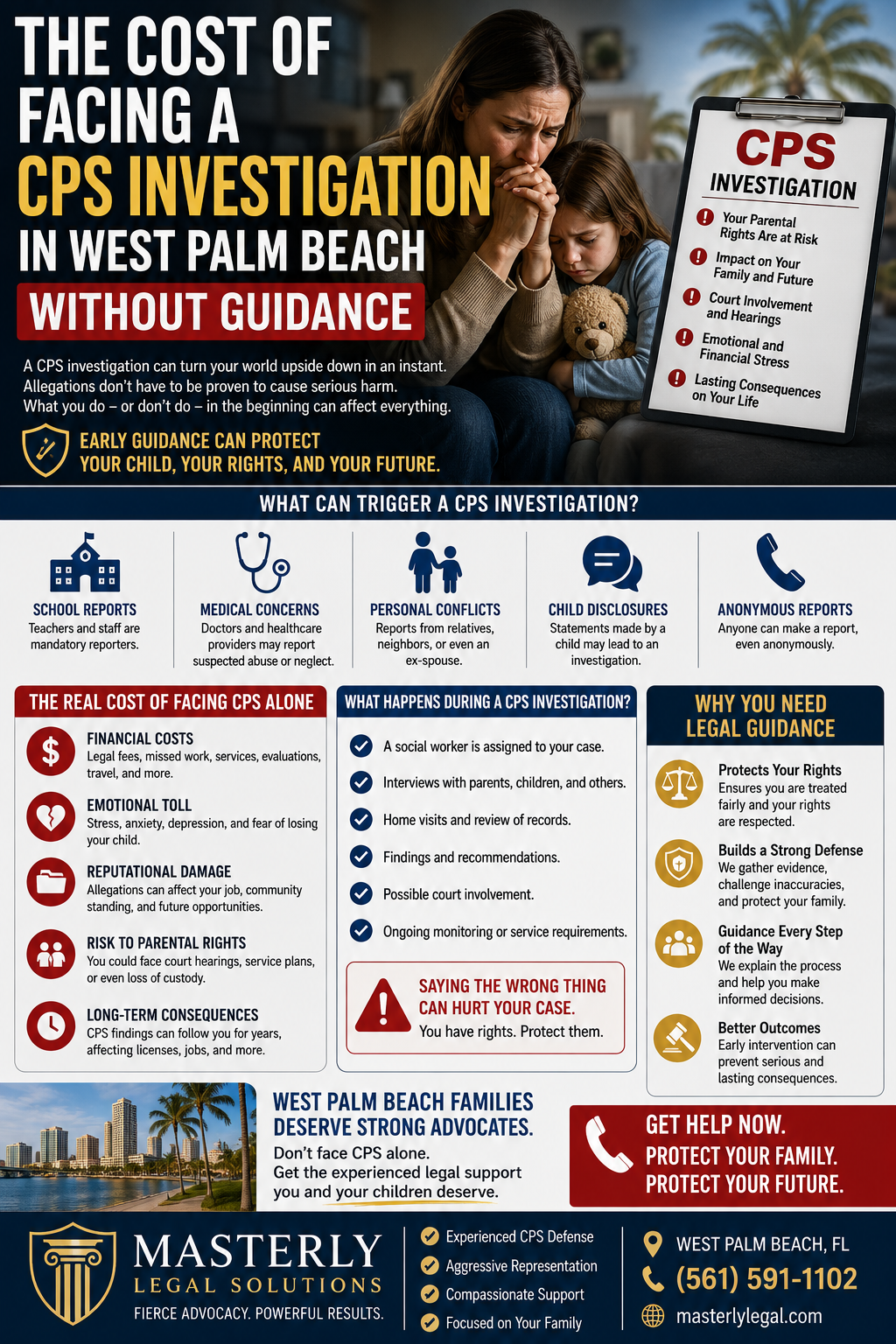
The Cost of Facing a CPS Investigation in West Palm Beach Without Guidance
When a CPS Investigation Suddenly Changes Everything
Few experiences are as frightening for a parent as learning that a CPS investigation has been opened against them. One moment, life may feel normal. The next, a phone call, unexpected visit, or report from a school, neighbor, healthcare provider, or another individual can place your family under scrutiny.
Many parents assume that if they have done nothing wrong, the situation will quickly resolve itself. Unfortunately, that is not always the reality. A CPS investigation can move rapidly, and the decisions made during the earliest stages often have lasting consequences. What begins as a simple inquiry can evolve into a complicated legal matter involving hearings, custody disputes, and threats to parental rights.
For families in West Palm Beach, understanding the true cost of navigating these situations without professional guidance is essential. While many people focus only on financial expenses, the emotional, professional, and legal consequences can be far greater. At Masterly Legal Solutions, we regularly speak with parents who wish they had sought help sooner. In many situations, early intervention can make a significant difference in protecting both the parent and the child.
Understanding Child Protective Services in West Palm Beach
Child protective services exist to investigate concerns involving a child's safety and well-being. The agency's mission is to protect children when there are concerns about abuse or neglect.
When child protective services west palm beach receives information suggesting a child may be at risk, the agency typically reviews the report and determines whether further action is necessary. If the allegations meet certain criteria, a formal investigation may begin.
Many parents are surprised to learn how quickly child protective services can become involved. A report does not need to come from a family member. Teachers, doctors, neighbors, coaches, counselors, and other individuals may contact child protective services if they believe there are concerns involving abuse or neglect.
Although the goal of protective services is to protect children, the process can feel overwhelming for parents who suddenly find themselves under investigation.
What Triggers a CPS Investigation?
A cps investigation can begin for many different reasons. Some reports involve serious allegations of child abuse, while others stem from misunderstandings, family conflicts, or inaccurate information.
In some situations, a school employee may file a report after noticing behavioral changes in a student. In other cases, medical professionals may contact child protective services cps when injuries raise concerns.
Reports may also come from former partners, relatives, or even an ex wife involved in a contentious family dispute. Unfortunately, not every report is accurate.
Regardless of whether the allegations are true, CPS generally has a duty to investigate concerns related to child abuse or neglect once a report has been received.
The Hidden Cost of Waiting Too Long
One of the biggest mistakes parents make is assuming they have time to figure things out later. When CPS becomes involved, delays can be costly.
A parent may believe they can explain everything once they meet with the cps worker. However, statements made early in the investigation can significantly affect the direction of the case.
Important evidence may be overlooked. Witnesses may become unavailable. Documentation that could support a parent's position may not be gathered promptly.
When families wait too long to seek legal assistance, they often find themselves responding to decisions that have already been made rather than helping shape the outcome from the beginning.
The Emotional Toll on Families
The emotional impact of a CPS matter can be severe. Parents frequently experience anxiety, stress, anger, and uncertainty.
Many individuals feel embarrassed when social services become involved in their personal lives. The fear of losing time with a child can affect every aspect of daily life.
Children may also experience emotional challenges during an investigation. They often sense the tension within the family and may become confused about what is happening.
The emotional burden can grow even heavier when parents attempt to navigate the process alone without guidance from an attorney familiar with cps cases.
How Allegations Can Affect Your Reputation
Even when allegations are ultimately determined to be unfounded, the existence of an investigation can create lasting concerns.
Parents may worry about how employers, schools, relatives, and community members view them. Professional licenses and career opportunities can sometimes be affected depending on the nature of the allegations.
False accusations involving child abuse, child neglect, or other forms of abuse can be particularly damaging.
Protecting your reputation often requires taking proactive steps early in the process.
Why CPS Cases Move Faster Than Most Parents Expect
Many parents are surprised by how quickly CPS can act once a report is accepted for investigation.
Interviews may be conducted within days. A social worker may visit the home. Schools may be contacted. Medical records may be reviewed.
The agency often gathers information from multiple sources before the parents fully understand the scope of the investigation.
Because CPS receives reports daily, investigators often work within strict timelines designed to address concerns involving a child's safety as quickly as possible.
The Financial Consequences of a CPS Investigation
Most people think about legal fees when considering the cost of a cps investigation. However, the financial impact can extend much further.
Parents may miss work to attend meetings, interviews, or hearings. Some individuals lose income due to extended absences.
Additional expenses can include counseling, evaluations, transportation costs, and compliance with certain cps requirements.
When a case becomes more complicated, the long-term financial burden can be substantial.
When Social Services Become Involved
The involvement of social services often signals that concerns have escalated beyond an initial report.
A social worker may conduct interviews with parents, children, teachers, and family members. Home visits may also occur.
While many professionals within social services genuinely seek to help families, their findings can significantly influence the outcome of the case.
Parents should understand that every interaction during the investigation matters.
Understanding Abuse or Neglect Allegations
Claims involving abuse or neglect come in many forms. Some involve physical injuries, while others focus on supervision, living conditions, or emotional concerns.
Not every allegation is supported by facts. However, every allegation is typically taken seriously.
Whether the concern involves physical abuse, child neglect, or another form of abuse or neglect, the investigation process can become complex very quickly.
Parents should avoid assuming that misunderstandings will automatically resolve themselves.
How Schools Often Become Part of the Process
Schools frequently play a role in CPS matters because educators are mandatory reporters.
Teachers, counselors, coaches, and administrators may contact child protective services cps when concerns arise regarding a child, and those same professionals sometimes require assistance from a law firm that defends educators in school investigations.
Sometimes the report stems from statements made by the child. Other times, observations regarding behavior or attendance prompt concerns.
Because schools are often among the first institutions contacted during an investigation, information gathered there can influence the direction of the case, and educators may themselves need support from an education lawyer with experience in school investigations.
The Risk of Speaking Without Preparation
Many parents feel compelled to immediately speak and explain their side of the story.
While cooperation is important, unprepared conversations can create unintended problems.
Statements made during interviews may later be referenced in hearings or court proceedings.
Before agreeing to extensive interviews, parents should understand their rights and carefully consider their options.
The True Cost of Navigating a CPS Investigation Alone
Many parents initially believe they can handle a CPS matter without professional help. They may assume that cooperating fully and explaining the situation will resolve everything quickly.
Unfortunately, the true cost of facing a cps investigation without guidance often extends far beyond what families expect. The consequences can affect relationships, employment, finances, reputation, and long-term family stability.
When parents attempt to navigate a complex investigation alone, they often make decisions without fully understanding the legal implications. Those decisions can influence the direction of the case for months or even years.
Seeking help early is often far less costly than trying to repair damage after critical decisions have already been made.
The Stress of Dealing With Uncertainty
One of the most difficult aspects of dealing with CPS is the uncertainty.
Parents often spend sleepless nights wondering what will happen next. They worry about their child, their family, and their future.
Questions about hearings, court appearances, and agency recommendations can create constant anxiety.
Having reliable guidance can help reduce uncertainty and provide a clearer understanding of the process moving forward, especially when working with a client-focused law firm that handles a wide range of legal matters.
How a Social Worker Evaluates a Case
A social worker plays an important role in many investigations.
The social worker may conduct interviews, review records, assess living conditions, and gather information from multiple sources.
Because their observations can influence recommendations, every interaction matters.
Parents should approach conversations thoughtfully and understand that statements made during the investigation may later become part of the official record.
Why Communication Matters Throughout the Process
Communication can significantly affect the outcome of an investigation.
Parents who become frustrated or emotional may unintentionally create misunderstandings.
Clear, respectful communication can help ensure concerns are properly addressed.
At the same time, families should understand their rights before responding to requests or providing detailed statements.
Understanding Written Requests and Documentation
During an investigation, parents may receive a written request for records, information, or documentation.
Responding appropriately to a written request can be important for demonstrating cooperation while also protecting legal interests.
Documentation often becomes a critical part of the case.
Maintaining organized records can help establish facts and provide important context regarding the allegations.
The Importance of Child Protection and Due Process
Everyone agrees that child protection is important.
The purpose of child protective services is to protect children from genuine harm and ensure their safety, while law firms with broad experience in child welfare, education, and family-related matters, such as a multidisciplinary practice led by attorney Andrew F. Rhoden, help families and professionals navigate the legal implications.
However, protecting children and protecting the rights of parents are not mutually exclusive goals.
A fair investigation should consider all relevant facts and circumstances before decisions affecting a family are made.
When Child Abuse or Neglect Allegations Are Misunderstood
Not every report accurately reflects what occurred.
In some situations, normal parenting decisions are misinterpreted. In others, incomplete information creates concerns that do not tell the full story.
Investigators may initially hear only one version of events.
Providing context and relevant information can be critical when allegations involve child abuse or neglect.
The Role of Child Protective Services CPS Investigations
Child protective services cps investigations are designed to evaluate concerns involving abuse or neglect.
These investigations often involve interviews, document reviews, and communication with schools, medical providers, and other individuals involved in the child's life.
Because so many sources may contribute information, misunderstandings can quickly spread.
Taking the matter seriously from the beginning helps parents better protect their interests.
Why Parents Should Never Assume the Facts Will Speak for Themselves
Many parents believe the truth will automatically become obvious during an investigation.
Unfortunately, investigations are conducted by people, and people rely on information provided to them.
Incomplete facts, conflicting statements, and missing evidence can create inaccurate impressions.
Parents should not assume investigators will uncover every detail without assistance.
How Child Support Issues Can Become Relevant
In some situations, existing child support disputes contribute to family conflict and allegations.
Former partners may disagree about parenting decisions, visitation schedules, or financial responsibilities.
While child support issues do not automatically create CPS concerns, ongoing disputes sometimes provide the backdrop for reports and investigations.
Understanding the larger family dynamic is often important when evaluating the circumstances of a case.
Protecting the Best Interest of the Child
Courts and agencies frequently emphasize the best interest of the child when making decisions.
This standard influences recommendations involving placement, visitation, and long-term planning.
Parents should recognize that demonstrating a commitment to the child's well-being can be an important part of addressing concerns raised during the investigation.
Showing stability, responsibility, and cooperation may positively influence how decision-makers view the case.
Why Some Parents Become the Subject of Multiple Reports
Unfortunately, being investigated once does not always mean the matter ends permanently.
Some families experience repeated reports, particularly when ongoing conflicts exist among parents, relatives, or other involved parties.
Repeated allegations can place enormous stress on a family.
Developing a strong strategy early may help reduce future complications.
The Impact on Vulnerable Adults and Other Family Members
Certain investigations may also involve concerns affecting vulnerable adults who reside in the household.
When agencies evaluate family environments, they often consider the overall safety and well-being of everyone living in the home, which can include whether parents have essential legal documents in place for their family’s future.
These additional concerns can complicate an already stressful situation.
Understanding the broader scope of an investigation helps families prepare more effectively.
Why Legal Representation Matters
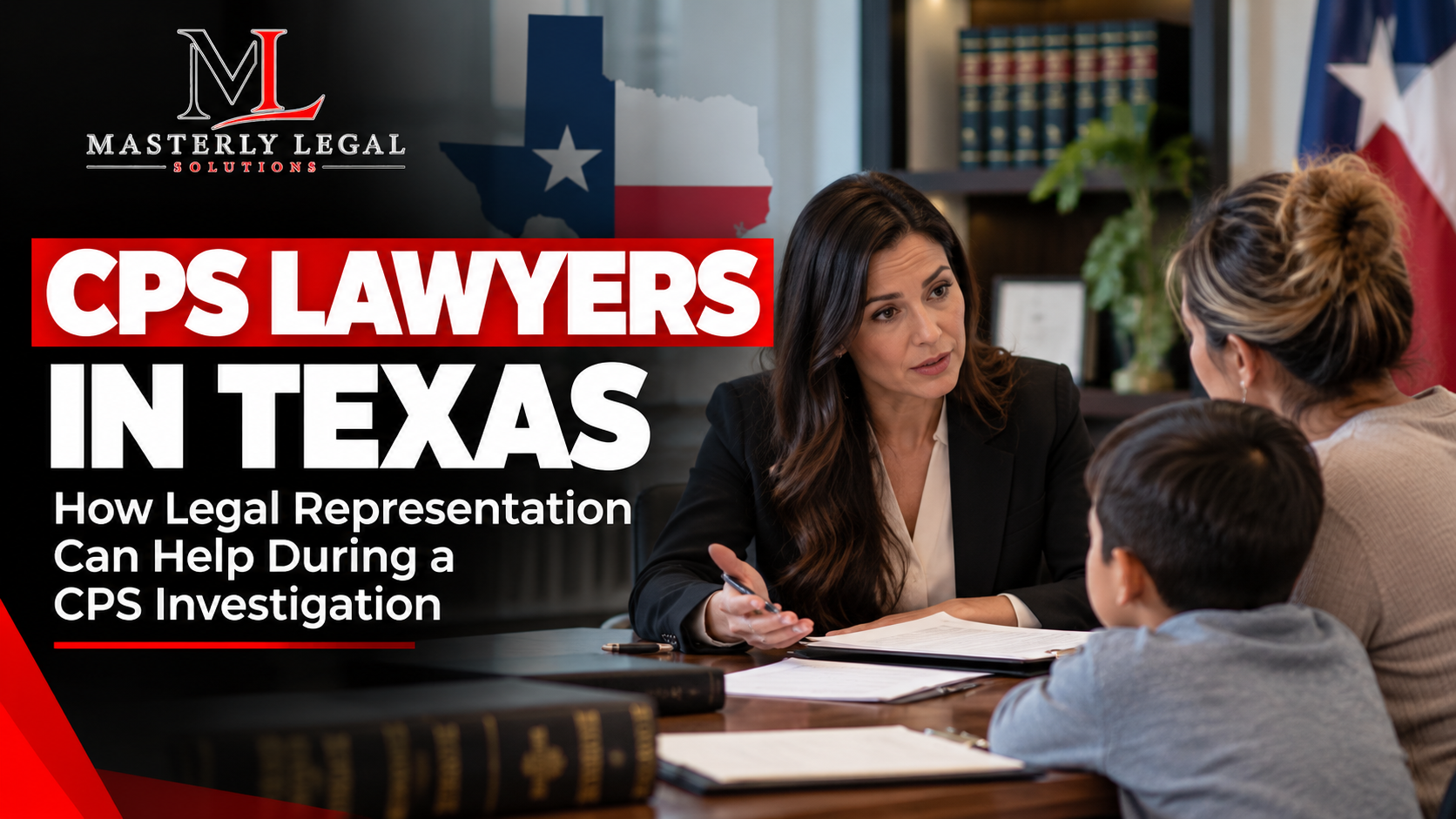
Legal representation can help level the playing field when parents face serious allegations.
An attorney can explain rights, evaluate evidence, prepare for hearings, and identify potential legal concerns before they become larger problems.
Many parents discover that having professional guidance reduces confusion and helps them make informed decisions, particularly when they work with a comprehensive law firm that serves individuals, families, and organizations.
The goal is not to create conflict but to ensure the family is treated fairly throughout the process.
The Value of a Lawyer During CPS Proceedings
A lawyer can provide insight into how investigations typically unfold and what challenges may lie ahead.
Rather than reacting to developments as they occur, parents can take proactive steps to address concerns.
A lawyer may also help families understand court procedures, deadlines, and expectations.
Preparation often leads to stronger outcomes than simply hoping the matter resolves itself.
How a CPS Attorney Helps Protect Families
A cps attorney understands the unique challenges associated with CPS proceedings.
From the initial report through hearings and court appearances, a cps attorney can help families navigate complex legal issues.
Parents often feel overwhelmed by agency procedures and documentation requirements.
Working with a cps attorney can provide clarity and confidence during an uncertain time.
Why Families Choose Masterly Legal Solutions
At Masterly Legal Solutions, we understand how frightening a CPS investigation can be.
We know that parents are often facing one of the most stressful experiences of their lives. Our team is committed to providing guidance, support, and practical solutions tailored to each family's unique situation.
We believe every client deserves undivided attention, honest communication, and a strategy designed to protect what matters most.
When your family is under scrutiny, having a trusted advocate on your side can make a meaningful difference.
Our Commitment to Fierce Advocacy
Families facing CPS matters need more than general information. They need advocates who understand the stakes.
At Masterly Legal Solutions, we provide fierce advocacy for parents confronting allegations of abuse, neglect, and other serious concerns.
We work hard to evaluate the facts, identify potential defenses, and pursue solutions that help protect families.
Every case deserves careful attention and a commitment to achieving positive results whenever possible.
Why We Strongly Recommend Seeking Help Early
Many parents wait until after important decisions have already been made before reaching out for assistance.
By then, opportunities to influence the direction of the investigation may be limited.
We strongly recommend seeking guidance as soon as you learn that CPS has become involved, and to consider working with a law firm that offers a diverse range of legal services that can address both immediate CPS concerns and related legal needs.
Early action often provides the best opportunity to protect your rights, your family, and your future.
How a Law Firm Can Help During a CPS Investigation
Working with a law firm that understands CPS matters can provide families with valuable support during an extremely stressful time. Many parents feel overwhelmed by the questions, interviews, and legal requirements that accompany an investigation. Having professionals who understand the law can help parents make informed decisions and avoid mistakes that could negatively affect their case. The right legal team can also help families understand their rights while working toward a resolution that protects both the child and the family.
Child Sexual Abuse Allegations Require Immediate Attention
Allegations involving child sexual abuse are among the most serious claims investigated by CPS and law enforcement agencies. Even when allegations are false or based on misunderstandings, the consequences can be severe. These cases often involve extensive interviews, evidence collection, and scrutiny from multiple agencies. Because the stakes are so high, parents and caregivers should seek legal guidance immediately to ensure their rights are protected throughout the investigation.
How CPS Investigations Can Affect Child Custody Matters
A CPS investigation can have a significant impact on child custody arrangements. Judges and investigators often review allegations carefully when determining what is in the best interest of the child. Even temporary concerns raised during an investigation may influence custody decisions until the matter is fully resolved. Parents facing both CPS involvement and custody disputes should understand how these issues can become connected and affect future parenting rights.
Responding to Claims of Alleged Abuse
When CPS receives a report involving alleged abuse, investigators are required to review the circumstances and gather information from multiple sources. Unfortunately, allegations do not always reflect what actually occurred. Misunderstandings, family conflicts, and incomplete information can sometimes lead to inaccurate reports. Responding carefully and providing accurate information can be essential when addressing claims of alleged abuse.
Why CPS Findings Matter Long After an Investigation Ends
Many parents focus on the immediate investigation without considering the long-term effects of CPS findings. Depending on the outcome, those findings may affect future employment opportunities, volunteer activities, licensing matters, and other important aspects of life. Challenging inaccurate findings and presenting relevant information early in the process can be critical. Understanding the potential consequences helps families appreciate the importance of taking every stage of the investigation seriously.
The Importance of Choosing the Right Law Offices
Not all law offices have experience handling CPS investigations and family-related legal matters. Families should seek legal professionals who understand how child welfare investigations operate and how to navigate complex legal challenges. Knowledge of local procedures, court expectations, and agency practices can make a significant difference. Choosing experienced law offices may help families feel more confident during a difficult and uncertain time, especially when those offices provide a broad range of legal and consulting services for individuals and organizations.
When a Court Order Becomes Part of the Investigation
Some CPS matters eventually involve a court order that requires parents to take specific actions or comply with certain conditions. These orders may address visitation, evaluations, services, or temporary placement arrangements. Failing to comply with a court order can create additional legal challenges and negatively affect the outcome of a case. Understanding what is required and meeting all obligations is often essential.
Understanding the Risks of Protective Custody
The possibility of protective custody is one of the most alarming aspects of a CPS investigation. If investigators believe a child faces an immediate risk, they may seek temporary removal while concerns are evaluated. Protective custody can disrupt the entire family and create emotional challenges for everyone involved. Parents should understand their rights and options if removal becomes a possibility.
Navigating Complex Legal Processes
Many parents are unfamiliar with the legal processes associated with CPS investigations. Deadlines, documentation requirements, interviews, hearings, and court appearances can quickly become overwhelming. Missing an important step or misunderstanding a legal obligation may affect the outcome of the case. Having guidance throughout these legal processes can help families avoid unnecessary mistakes.
Why Working With an Experienced Attorney Matters
An experienced attorney can help families understand the investigation, evaluate potential risks, and prepare for important decisions. Experience often allows legal professionals to identify issues before they become larger problems. An experienced attorney can also help parents understand their rights and responsibilities throughout the process. Early legal involvement may provide opportunities to address concerns before they escalate.
Preparing for Administrative Hearings
Some CPS cases involve administrative hearings that address agency decisions or findings. Although these proceedings may seem less formal than traditional court appearances, they can still have significant consequences. Administrative hearings often require preparation, documentation, and a clear understanding of procedural requirements. Families who prepare thoroughly are generally in a stronger position to present their side of the story.
When a CPS Matter Leads to a Criminal Case
In certain situations, a CPS investigation may overlap with a criminal case. Allegations involving serious misconduct can result in involvement from law enforcement agencies and prosecutors. Statements made during the CPS investigation may become relevant in a criminal case, making it important to proceed carefully. Understanding the relationship between the two proceedings is critical when facing potential criminal exposure.
How Foster Care Placement Decisions Are Made
When a child cannot safely remain in the home, foster care may become a temporary option while the investigation continues. Placement decisions are typically based on concerns regarding safety and available alternatives. While the goal is often reunification whenever appropriate, foster care placements can create significant emotional strain for both the child and the parents. Understanding how placement decisions are made can help families better prepare for the process.
Understanding the Purpose of a Case Plan
In some investigations, CPS may require parents to complete a case plan before certain concerns are considered resolved. A case plan may include counseling, parenting classes, evaluations, or other services. Successfully completing the requirements can demonstrate a commitment to addressing concerns raised during the investigation. Parents should carefully review all expectations and deadlines associated with a case plan.
Why Families Must Act Quickly When CPS Becomes Involved
Time is one of the most important factors in any CPS matter. Important decisions are often made early, and opportunities to present information may be limited if families wait too long. Parents should act quickly to understand their rights, gather documentation, and seek guidance when necessary. Prompt action can help protect both the child and the family's future.
Building a Strategy to Defend Your Rights
When facing a CPS investigation, parents need a strategy designed to defend their rights and protect their family. This often involves gathering documentation, preserving evidence, and preparing for interviews and hearings. Taking a proactive approach can help address inaccuracies and provide important context regarding the allegations. Every family deserves an opportunity to present their side of the story.
The Value of Legal Expertise in CPS Matters
CPS investigations often involve complicated legal and procedural issues that many parents have never encountered before. Legal expertise can help families understand agency actions, court requirements, and potential consequences. Experienced professionals know how to identify risks and develop strategies tailored to each situation, similar to estate planning attorneys who design trusts to protect family assets. Having access to that expertise may make a significant difference during a challenging time, just as working with an experienced estate planning firm that crafts personalized wills and trusts can provide long-term security for a family.
How Child Protective Services West Palm Beach Handles Reports
When child protective services west palm beach receives a report involving concerns for a child, the agency is required to evaluate the information and determine whether an investigation is necessary. Reports may involve allegations of abuse, neglect, safety concerns, or other issues affecting a child's well-being. Depending on the circumstances, investigators may interview parents, children, teachers, medical providers, and other individuals who may have relevant information. Understanding how the agency operates can help families prepare for the process and respond appropriately when concerns arise.
What Happens After CPS Receives a Report?
The actions taken after cps receives a report often depend on the nature of the allegations and the perceived level of risk to the child. In some situations, the matter may be screened out if there is insufficient information to justify further action. In other cases, CPS may open a formal investigation and begin gathering information from multiple sources. Because early decisions can significantly influence the direction of the case, parents should take every report seriously and understand their rights from the beginning.
Contact Masterly Legal Solutions for a Free Consultation
When your family is facing a CPS investigation in West Palm Beach, you do not have to navigate the situation alone.
The sooner you understand your options, the better positioned you may be to respond effectively. Whether you are dealing with allegations of abuse, concerns involving neglect, questions about custody, or ongoing hearings, our team is prepared to help you understand the legal issues involved.
At Masterly Legal Solutions, we know how much is at stake when CPS becomes involved in your life. We take the time to listen, evaluate your situation, and discuss potential strategies tailored to your specific circumstances.
If you have questions about child protective services, protective services investigations, court proceedings, parental rights, or related legal matters, contact our team today.
Call (972) 236-5051 for a free consultation. We are ready to discuss your concerns, answer your questions, and help you better understand your legal options.
Protect Your Family Before the Situation Escalates
A CPS investigation can affect nearly every aspect of your life. The choices made during the earliest stages often influence the outcome of the entire process.
If you have been contacted by CPS, received notice of an investigation, or believe allegations may be made against you, do not wait for the situation to become more complicated.
Taking proactive steps today may help protect your child, your family, your reputation, and your future. The sooner you consult with an attorney familiar with CPS matters, the more prepared you may be to address the challenges ahead.
Disclaimer: This article is provided for informational and educational purposes only and should not be considered legal advice. Reading this article does not create an attorney-client relationship with Masterly Legal Solutions. Every CPS case is unique, and outcomes depend on the specific facts and circumstances involved. If you need legal advice regarding a CPS investigation, child protective services matter, custody dispute, or related issue, you should contact a qualified attorney to discuss your situation directly.






Looking for Legal & Business Solutions? Contact Us Now
Fill in the form or call us to set up a meeting