

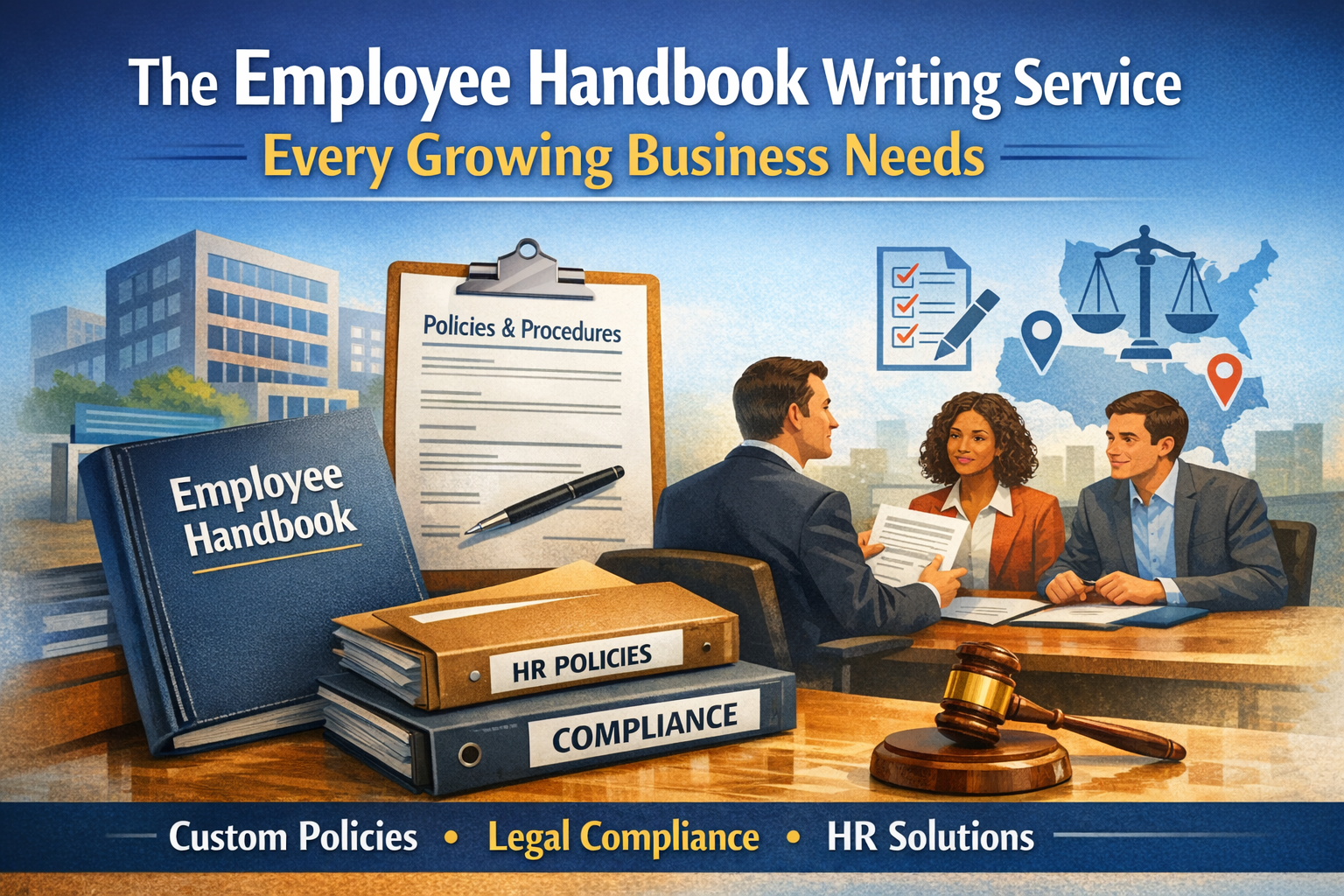
The Employee Handbook Writing Service Every Growing Business Needs
If you’re running a growing business, you already know what success feels like. More customers, more projects, more revenue, and more people relying on you every day. But growth also brings new pressure, especially when you start hiring more employees and your organization begins to feel less like a small team and more like a real company. That’s usually the moment when business owners realize they need structure, not just hustle.
An employee handbook is one of the most important tools a company can use to create stability as it grows. It sets expectations, reduces confusion, and gives employees a clear understanding of how work should operate. But the truth is, most handbooks fail because they are rushed, copied from the internet, or built from templates that don’t match the company’s real practices. When that happens, the handbook becomes a legal risk instead of a useful guide.
That’s why many employers turn to an employee handbook writing service instead of trying to patch something together on their own. At Masterly Legal Solutions, we help business owners build custom employee handbooks that support clear communication, reduce liability, and reflect real-world workplace needs. The goal is not to create a document that looks impressive, but to create a handbook that actually works in your organization. When your handbook is written the right way, it becomes a foundation for long-term growth.
Why Every Growing Business Eventually Needs an Employee Handbook
In the early stages of a business, most rules are spoken out loud. The owner is involved in everything, and employees just “figure it out.” But as your company grows, that approach becomes unsustainable. Without written procedures, employees begin to make different decisions, managers enforce rules inconsistently, and workplace conflicts become harder to manage.
A strong employee handbook helps bring consistency into daily operations. It gives your team clear expectations for conduct, attendance, communication, and performance. It also gives your managers a reliable framework for enforcing rules fairly. When your handbook is clear, it protects the organization from unnecessary drama and confusion.
Most importantly, a well-written employee handbook can help reduce legal risks. When employees know the rules, it becomes easier to address problems before they turn into serious disputes. For a growing business, that stability is priceless.
The Real Cost of Not Having a Handbook
Many business owners delay creating an employee handbook because they think it’s an extra cost or something only large companies need. But the reality is that not having a handbook often costs far more. Confusion, turnover, and inconsistent enforcement create problems that take time, money, and energy to fix. It also increases the risk of complaints and disputes that could have been avoided with clear policies.
Without an employee handbook, employees may rely on assumptions instead of rules. Managers may create their own standards that conflict with each other. HR decisions may feel personal instead of professional, which leads to morale issues and claims of unfair treatment. In many cases, the handbook would have prevented the conflict from escalating.
A well-built handbook is not a luxury. It is part of responsible business management and long-term compliance planning.
What an Effective Employee Handbook Actually Does
An effective employee handbook does more than list rules. It creates structure, protects the company, and supports employees by making expectations clear. It also helps your organization run smoother because employees have answers without needing constant supervision. When written properly, it becomes a reference point for new employees and experienced staff alike.
A strong handbook creates a consistent workplace culture. It reduces confusion about benefits, scheduling, and time off. It also helps define employee rights and responsibilities without overcomplicating the message. Most importantly, it supports leadership by giving managers something solid to rely on when problems arise.
An employee handbook should feel like a practical guide, not a threat. The best handbooks balance professionalism with clarity so employees can understand and follow the rules.
Why Templates and a Handbook Builder Often Fall Short
Many businesses start with a handbook builder because it seems like a helpful tool. Some platforms promise you can easily create a handbook in a few clicks. While that sounds convenient, the risk is that templates often don’t match your real company’s policies or your state laws. A handbook created this way may include certain policies you don’t enforce or exclude policies you actually need.
The biggest issue is that templates rarely address the reality of employees working in multiple states. They also may not reflect updated employment laws or industry-specific regulations. If the handbook includes incorrect rules, it can become evidence against the company in a dispute. That turns the “easy option” into a serious liability.
A handbook builder may help you start, but it should not replace legally reviewed content. Businesses that want long-term stability usually need more than a template.
The Legal Risks of a Poorly Written Employee Handbook
A poorly written employee handbook can create legal risks in ways most business owners never expect. The handbook may accidentally promise job security, guarantee discipline steps you don’t follow, or include outdated language that conflicts with federal law. It can also include policies that are prohibited under certain state regulations. When the handbook is wrong, it becomes a problem the company created for itself.
An inconsistent handbook can also trigger claims of unfair treatment. If one employee is disciplined under one rule and another employee is treated differently, the company may struggle to explain the difference. That can lead to disputes, investigations, or even lawsuits. A handbook should reduce conflict, not create it.
This is why professional handbook development matters. A strong handbook is a form of legal protection because it helps the company operate consistently and defensibly.
Employee Handbook Services vs. Doing It Yourself
Some business owners try to write their own handbook because they want to save money. Others copy a handbook from a past job or download one online. The problem is that employment laws change, and what worked for one company may be illegal or risky for another. A business owner may not realize the handbook includes incorrect policies until a dispute happens.
Professional employee handbook services provide structure, accuracy, and strategy. They help ensure compliance with employment laws while still fitting your company culture. They also reduce the chance of mistakes that lead to claims. A handbook written by legal experts is built to protect the company while still being clear for employees.
When you use professional handbook services, you are investing in stability. You are also reducing the chance that your handbook will become a legal liability later.
Why Custom Employee Handbooks Matter for Real Businesses
No two companies operate the same way. Your scheduling, discipline process, benefits, and communication style are unique to your organization. That’s why custom employee handbooks are more effective than generic templates. They reflect the way your business actually runs, which makes them easier to enforce.
Custom policies help you avoid confusion because employees can see exactly what applies to them. They also help managers enforce rules consistently. When your handbook matches real practices, it becomes a document your team can actually follow. That reduces conflict and improves clear communication across the workplace.
A custom handbook also supports growth. As your company expands, you can build new policies and updated policies into the same structure instead of starting over.
The Importance of Employee Handbook Review and Updates
Even if you already have an existing handbook, it may not be protecting you. Many businesses created a handbook years ago and never updated it. That can be dangerous because laws, regulations, and workplace expectations change. A handbook that is not handbook current can create compliance issues without you realizing it.
This is where employee handbook review becomes essential. A professional review can identify outdated policies, missing procedures, and language that creates legal risk. It can also help ensure your handbook aligns with federal and state compliance requirements. When you update the handbook, you protect the company and improve clarity for employees.
A strong employee handbook review should be done regularly, not just once. Legal updates happen, and your handbook should evolve with your organization.
Employee Handbook Review Services: What They Look For
Employee handbook review services are not just proofreading. They involve reviewing the handbook for legal compliance, clarity, and consistency with the company’s real practices. The review may also identify gaps that create liability. It can also help ensure policies aligned with your actual operations and culture.
During a handbook review, legal professionals often examine:
- Whether policies comply with state and federal regulations
- Whether language creates unintended promises or obligations
- Whether procedures match what managers actually do
- Whether required disclaimers and acknowledgments are included
- Whether benefits policies are clear and accurate
- Whether discipline policies create unnecessary legal exposure
This process helps ensure your handbook provides legal protection instead of creating risk. It also helps your handbook serve as a useful guide for employees.
Staying Compliant With Federal Regulations and State Laws
Compliance is not optional for employers. Even small businesses must follow employment laws, and mistakes can be costly. Federal regulations can apply to wages, discrimination, workplace safety, and leave rules. State laws may add additional requirements, and they often vary depending on where your employees work. This is why a handbook must be tailored to your workforce.
A strong employee handbook helps ensure compliance with both federal and state regulations. It also supports clear expectations so employees understand their responsibilities. When policies are written correctly, they help prevent misunderstandings that lead to complaints. When policies are wrong, they can create legal exposure.
A professional handbook should reflect state and federal laws without becoming overly complicated. Employees need clarity, not legal confusion.
Why Multiple States Makes Handbooks More Complex
If your company operates in multiple states, your handbook must account for differences in regulations. Businesses with remote employees often forget that state compliance rules still apply. A policy that is acceptable in one state may be prohibited in another. That’s why generic templates are risky for companies with a multi-state workforce.
An employee handbook for multiple states should address state regulations carefully. It should also provide a structure for location-specific addendums when needed. This helps ensure compliance while keeping the handbook organized. It also helps prevent managers from applying the wrong rules to the wrong employees.
A business growing across state lines needs a handbook designed for that reality. It is part of smart organizational planning and legal compliance.
Federal and State Compliance: Why It Protects Your Business
Federal and state compliance is not just about avoiding penalties. It is about protecting your company from unnecessary disputes and liability. When your handbook is aligned with federal and state laws, it reduces the chance of claims. It also gives your organization a stronger defense if a complaint arises.
Your handbook should reflect federal and state regulations in a way employees can understand. It should provide a clear and concise explanation of expectations and procedures. It should also include policies that support consistent enforcement. When the handbook is clear, employees are less likely to misunderstand rules or assume unfair treatment.
Compliance is also about building trust. Employees feel more secure when rules are consistent and transparent.
Clear Policies Create Clear Expectations
A handbook is only useful if employees can understand it. That’s why a clear and concise explanation matters. Employees should be able to read a policy and know what it means in real life. If the handbook sounds overly legal or confusing, employees won’t follow it, and managers won’t enforce it properly.
Clear policies support clear expectations in daily operations. They reduce the need for constant explanations and repeated corrections. They also make onboarding smoother for new employees. When your organization grows, clarity becomes more valuable than ever.
A strong handbook creates structure without sounding harsh. It supports professionalism while still being practical.
Company Culture Should Be Reflected in the Handbook
An employee handbook should not feel like it was written for someone else’s company. It should reflect your company culture and values. That includes how you communicate, how you solve problems, and what you expect from employees. When the handbook fits your culture, employees are more likely to respect it.
Culture-based policies also support employee morale. Employees want to know what kind of organization they work for. They want to understand how leadership handles issues like respect, performance, and accountability. A handbook can support that clarity while still maintaining compliance.
A handbook that matches your culture is easier to enforce. It feels fair because it reflects real practices.
HR Best Practices and Why They Matter
HR best practices help businesses manage employees consistently and legally. A handbook supports HR solutions by documenting procedures and expectations. It helps managers avoid making decisions based on emotion or favoritism. It also helps the company respond consistently when issues arise.
HR professionals often rely on handbooks to guide decision-making. Without a handbook, HR is forced to handle every issue from scratch. That creates inconsistency and legal risk. A strong handbook gives HR a stable framework.
Even if your company does not have a full HR department, HR best practices still matter. A handbook helps you operate like a professional organization.
Company’s Policies Should Match Real Practices
One of the biggest mistakes businesses make is writing policies they don’t follow. If the handbook says you will do three written warnings before termination, but you fire someone immediately, you create a conflict. If the handbook promises specific benefits but you don’t provide them, you create legal exposure. This is why company’s policies must match what you actually do.
Custom policies should reflect your real operations. They should be enforceable and practical. They should also allow flexibility when circumstances require it. A good handbook balances structure with real-world business needs.
A professional handbook development process helps ensure your policies are aligned with your practices. That protects the organization and reduces disputes.
Benefits, Time Off, and Leave Policies Need Precision
Benefits are one of the most sensitive parts of an employee handbook. Employees rely on benefits information when making life decisions. If benefits policies are unclear, misunderstandings happen quickly. That can lead to frustration, complaints, and retention problems.
Time off policies should also be written clearly. Employees need to know how to request time off, how pay is handled, and what procedures apply. If policies are inconsistent, managers may apply different standards to different employees. That creates morale issues and legal risks.
A well-written handbook provides a concise explanation of benefits and leave procedures. It also ensures compliance with relevant laws and regulations.
Procedures and Discipline Policies Must Be Carefully Written
Discipline procedures are often the reason businesses get into trouble. If procedures are vague, managers may enforce them inconsistently. If procedures are too strict, the company may trap itself into promises it can’t keep. That’s why procedures must be written carefully.
A handbook should include guidelines for performance expectations, discipline, and corrective action. It should also explain how the company investigates workplace issues. These guidelines protect both employees and the employer by creating predictable processes.
Discipline policies also help managers act consistently. That reduces conflict and supports a more stable workplace.
How Legally Reviewed Content Provides Legal Protection
Legally reviewed content is one of the most valuable parts of professional handbook services. When your handbook is reviewed by legal experts, it is more likely to comply with laws and regulations. It also reduces the chance of language that creates unintended promises. This helps provide legal protection for the company.
A handbook is often used as evidence in disputes. That means it must be written carefully. When the handbook is legally reviewed, it becomes a stronger defense tool. It can show that the company follows consistent procedures and respects employee rights.
Legal compliance is not just about avoiding lawsuits. It is about reducing risk and protecting the organization’s future.
The Role of Federal Policies and Workplace Standards
Federal policies and federal regulations influence many workplace rules. These include wage standards, anti-discrimination requirements, and other protections. A handbook should reflect federal law in a way that employees understand. It should also align with federal and state laws that apply to your industry.
Businesses sometimes assume federal rules only apply to large employers. That is not always true. Compliance requirements can apply at many levels depending on your workforce and business model. This is why professional review is important.
A well-written handbook helps you stay compliant while maintaining clarity. It supports both employees and leadership.
The Handbook Development Process With Masterly Legal Solutions
At Masterly Legal Solutions, we approach handbook development as a strategic process, not a template exercise. We start by learning how your business operates, how your managers make decisions, and what challenges your organization is facing. Then we build a handbook that fits your company size, workforce structure, and goals. We also ensure compliance with relevant employment laws and regulations.
Our process focuses on clarity, enforceability, and legal compliance. We create policies that match your real practices and support your growth. We also provide review and edit text support when updates are needed. Our goal is to ensure your handbook stays useful and handbook current as your business evolves.
This is not about paperwork for paperwork’s sake. It is about creating a document that protects your organization and supports long-term success.
How Updated Policies Support Growth and Reduce Liability
As your business grows, your policies must grow too. New hires bring new expectations, and workplace issues become more complex. Updated policies help you address new realities without confusion. They also reduce liability by ensuring your handbook reflects current laws and best practices.
When policies are updated, employees feel more secure because expectations are clear. Managers feel more confident because they have procedures to follow. HR solutions become easier to implement because the handbook supports consistent decision-making.
A handbook is not a one-time project. It is a living document that should evolve with your organization.
The Value of Review and Legal Updates Over Time
A business that wants long-term stability should plan for review and legal updates. Laws change, industry standards change, and company practices change. If your handbook stays frozen in time, it becomes a risk. A regular review process helps ensure your handbook stays compliant.
Legal updates can involve changes in state regulations, federal regulations, or industry requirements. They can also involve new policies needed for remote work or expanded operations. A strong handbook review process helps you stay ahead of issues instead of reacting after problems happen.
Review is a form of protection. It is also a sign of a professional organization that takes compliance seriously.
Why Employee Rights and Clear Communication Matter
Employees want to feel respected and protected. A well-written employee handbook supports employee rights by explaining workplace expectations and processes clearly. It also supports clear communication by reducing confusion about rules. When employees understand policies, they are less likely to feel blindsided by discipline or decisions.
Clear communication also helps employers. It reduces disputes and improves workplace stability. Employees perform better when they know what is expected. Managers perform better when they have guidelines to follow.
A handbook should create structure without creating fear. It should support a fair and consistent workplace.
The Difference Between a Handbook That Sits and a Handbook That Works
Some companies have a handbook that sits in a folder and never gets used. That is wasted effort. A working handbook is one that managers reference, employees understand, and HR uses consistently. It becomes part of your organization’s daily operations.
A working handbook includes clear policies, realistic procedures, and enforceable guidelines. It also includes compliance language that protects the employer. It supports onboarding for new employees and reinforces company culture. When your handbook works, it reduces stress across the business.
A strong handbook becomes a practical tool, not a forgotten document. It supports growth and stability.
Contact Masterly Legal Solutions for a Free Consultation
If your business is growing, your risk is growing too. More employees means more policies, more compliance requirements, and more opportunities for misunderstandings that turn into legal problems. A professionally written employee handbook can protect your organization, strengthen your company culture, and create the structure your team needs to operate confidently. When your handbook is built with strategy and legally reviewed content, it can provide legal protection and help ensure compliance with state and federal regulations.
Masterly Legal Solutions provides employee handbook services designed for real businesses that want clarity, consistency, and long-term stability. Whether you need a brand-new employee handbook, custom employee handbooks for multiple states, or an employee handbook review to update an existing handbook, we are ready to help. Our handbook services are built to support employers, protect employees, and reduce legal risks without making your workplace feel overly rigid.
Call (972) 236-5051 for a free consultation so we can talk about your employee handbook writing service needs and help you build a handbook that supports your business today and protects your organization tomorrow.
Disclaimer: This article is for educational purposes only and does not constitute legal guidance or legal advice. Every business and workplace situation is different, and you should consult a qualified attorney regarding your specific circumstances.





Teacher Rights When Assaulted by a Special Needs Student: Safety, Reporting and Investigation Issues



Looking for Legal & Business Solutions? Contact Us Now
Fill in the form or call us to set up a meeting





