

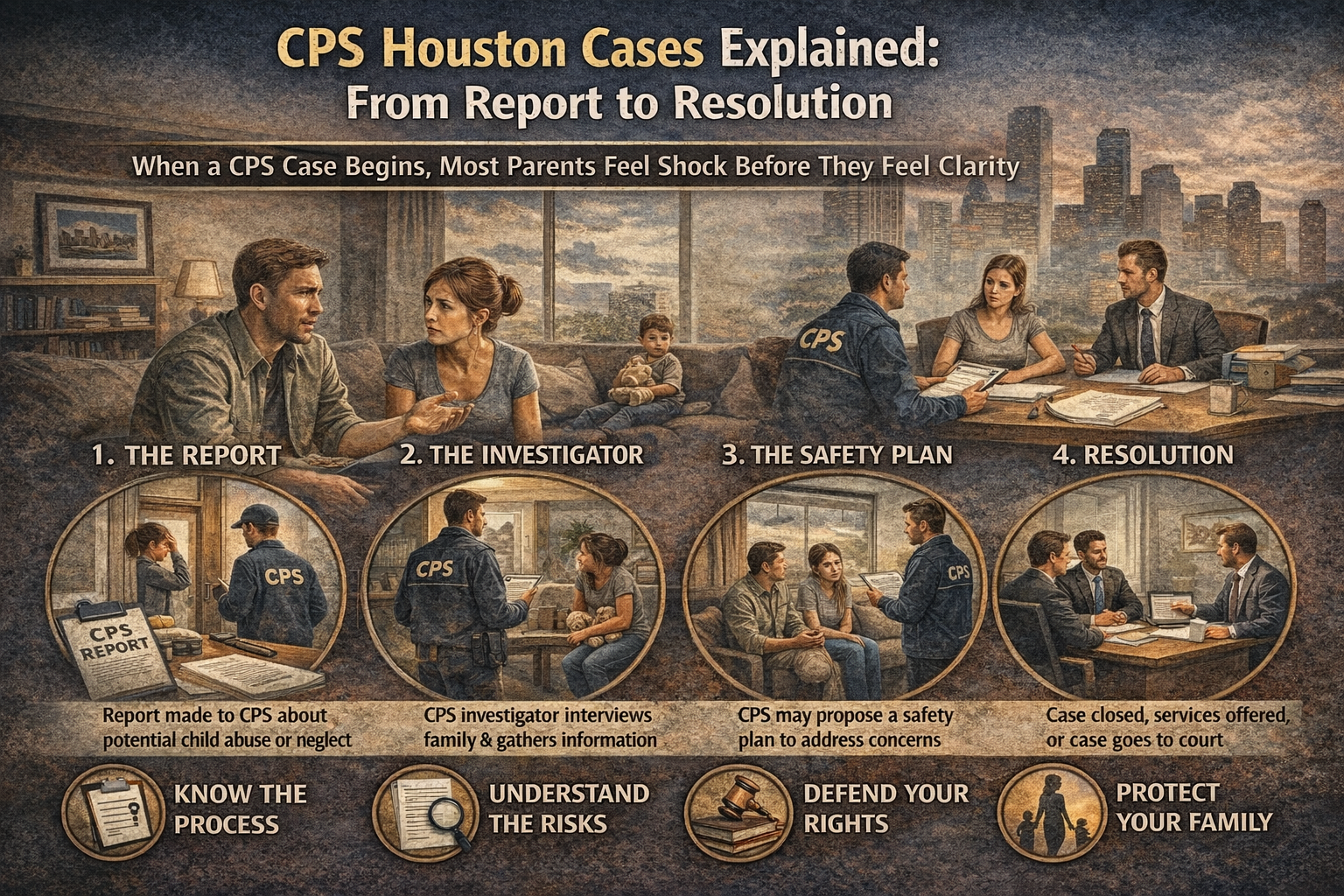
CPS Houston Cases Explained: From Report to Resolution
When a CPS Case Begins, Most Parents Feel Shock Before They Feel Clarity
Few moments are more unsettling for a parent than hearing that Child Protective Services is involved with their child. One phone call, one knock at the door, or one message from a school can turn an ordinary day into a deeply stressful experience. Many parents in cps houston cases do not know what the next hour will look like, much less the next month. That uncertainty is often what makes the situation feel so overwhelming.
At Masterly Legal Solutions, a Texas-based law firm providing a wide array of legal services, we know that families under a cps investigation often feel powerless at the start. They worry about whether their child will be removed, whether they will lose parental rights, and whether a misunderstanding could grow into something much more serious. They also worry about what to say, what not to say, and whether one wrong move could affect the outcome. Those fears are real, and they deserve a serious legal response.
This article is designed to help parents understand how child protective services cases often move from the first report to the final resolution. The goal is not just to give broad background. The goal is to help potential clients understand the process, recognize the risks, and know when to call a lawyer who can help defend their family and protect their future.
What CPS Actually Is in Texas
In Texas, child protective services cps is part of the texas department of family and family and protective services system. Many people use the term cps to describe the agency that responds to claims of child abuse, neglect, and threats of harm to a child. The agency has broad authority to investigate reports, interview people, request records, and, in certain cases, ask a court for orders affecting a family.
That does not mean CPS can do anything it wants. Even though protective services has serious authority, parents still have rights, and those rights matter from the beginning. The problem is that many parents do not understand the system until they are already in it. By then, the investigation may already be moving quickly.
A knowledgeable attorney can help families understand the limits of CPS authority and the legal steps available to respond. This is especially important when allegations of abuse or neglect are weak, exaggerated, or completely false. Early guidance can make a major difference in how a case develops.
Why a Report Can Happen So Quickly
A CPS matter often begins with a report from someone who believes a child may be unsafe. That person may be a teacher, doctor, neighbor, relative, counselor, ex-partner, or another professional who has concerns. Sometimes the report comes from a genuine fear of child abuse. Other times it comes from incomplete information, personal conflict, or assumptions made without context.
Many parents are surprised to learn how little information it can take to trigger a cps investigation. The report does not have to be proven before the agency begins looking into it. Once that process starts, the cps investigator may reach out quickly and begin gathering facts.
This early stage matters because the first impression can shape the rest of the investigation. If parents panic, become hostile, or say too much without understanding the allegations, the case can become more complicated. A calm and informed approach helps protect children, protect the family, and reduce the chance of avoidable mistakes.
Common Reasons CPS Gets Involved
Not every case is the same, but many cps cases begin with recurring categories of concern. Allegations may involve physical abuse, sexual misconduct, drug exposure, poor supervision, unsafe living conditions, school absences, domestic violence, or claims that a child has been emotionally harmed. In some cases, the report involves injuries that someone believes are signs of abuse. In others, it involves concerns about the home, food, utilities, or adult behavior.
Sometimes CPS becomes involved because a parent is going through a divorce or custody dispute and one side uses accusations as leverage. That does not make every report false, but it does mean the agency may walk into a case without understanding the full history. A parent may find that ordinary parenting decisions are suddenly being viewed through the lens of suspicion.
This is one reason legal help matters early. A skilled cps investigations attorney can review the allegations, identify missing context, and help the parent build a response based on evidence rather than fear. That can be important whether the concern involves abuse, neglect, discipline, medical care, or family conflict.
What Happens After the Report Is Made
After the initial report, the agency decides whether the information is enough to open a formal investigation. If it is, a cps investigator or caseworker may contact the family, visit the home, speak with the child, and request interviews with parents, relatives, teachers, doctors, or others. The agency may also ask for records, photos, or other additional information.
At this stage, parents are often tempted to assume that cooperation alone will make the case go away. Cooperation can matter, but blind cooperation without strategy can create risk. An anxious parent may volunteer facts that are misunderstood or taken out of context. The agency may also interpret nervous behavior as suspicious, even when the parent has done nothing wrong.
The better approach is informed cooperation. Families need to understand what the allegations are, what the investigator is looking for, and what facts actually matter. That is easier to do with an experienced attorney who understands how to respond to child protective services in a way that protects the family while still taking the situation seriously.
The Role of the CPS Investigator
The cps investigator is often the first face of the agency that a family sees. That person may seem polite, calm, and professional, but parents should remember that the investigator is there to gather facts and assess risk, not to serve as the parent’s advisor. The investigator may ask broad questions, observe the home, and watch how the adults respond under pressure.
A cps investigator may also speak with the child separately, depending on the situation. This can be deeply upsetting for parents, especially when they feel the allegations are unfair. Even so, the investigator’s observations can influence whether the case stays open, whether services are recommended, and whether the agency seeks stronger intervention.
That is why families should take every contact seriously. A case can shift quickly based on how the investigator describes the home, the parents, and the overall level of concern. Having a cps defense strategy early helps the family avoid casual mistakes that can affect the entire case.
Why Parents Often Feel Powerless During the First Stage
One of the hardest parts of a CPS matter is that parents often do not fully understand what information the agency has. They may know only that a report was made. They may not know who made it, how detailed it was, or whether the investigator already believes the allegations. That uncertainty can make families feel powerless, especially when they are trying to protect a child and preserve normal life at home.
Parents also worry that asking questions will make them look uncooperative. They worry that calling a lawyer will make them look guilty. In reality, protecting your rights is not the same as hiding facts. It is a reasonable response to a serious state investigation involving your children and your future.
At Masterly Legal Solutions, a Texas-based law firm offering a broad range of legal and business services, we help families move from confusion to strategy. We help clients understand what stage the case is in, what the agency may do next, and how to respond in a way that supports the strongest possible defense. That support matters because CPS cases are rarely simple, even when the truth is on your side.
What CPS Is Looking For in the Home
When child protective services visits a home, it is usually trying to assess safety, supervision, living conditions, and overall risk. The agency may look at sleeping arrangements, food, cleanliness, medication access, utilities, injuries, and the general condition of the environment. In some cases, the investigator may focus on one immediate allegation. In others, the visit becomes a broader review of the family’s daily life.
Parents should understand that the agency is not looking for perfection. A home does not have to look like a magazine to be safe for a child. Still, anything that can be framed as a sign of danger may become part of the file. That includes unsecured medications, obvious hazards, signs of violence, or facts that support a concern about abuse or neglect.
Because first impressions matter, families should approach the visit thoughtfully. A rushed explanation, a heated argument, or inconsistent statements can create avoidable problems. A calm response supported by legal guidance can help the family present the full picture rather than letting the agency rely on assumptions.
Interviews With Parents and Children
Interviews are one of the most important parts of a cps investigation. The investigator may ask parents about discipline, medical care, school concerns, household members, work schedules, relationships, and past incidents. The questions may seem simple, but the answers can later be used to support decisions about risk, services, or court action.
Interviews involving the child can be even more stressful. Parents naturally want to know what was asked and how the conversation was framed. They may worry that a scared or confused child will say something inaccurate. That concern is valid because young people do not always explain events clearly, especially in a high-pressure setting.
This is where an experienced cps investigations attorney can provide practical guidance. Families need to know how to prepare, how to respond, and how to avoid turning a manageable issue into a damaging one. The goal is not to interfere with the process. The goal is to make sure the family is not walking into that process blindly.
When Allegations Involve Child Abuse
Allegations of child abuse are among the most serious concerns the agency handles. If the report suggests physical abuse, sexual abuse, or repeated mistreatment, the response may be swift and aggressive. The investigator may seek interviews immediately, request medical evaluations, or coordinate with law enforcement depending on the severity of the allegations.
Parents sometimes assume that because the accusation is false, the truth will reveal itself quickly. That is not always how these cases unfold. Once a report includes words like abuse, injury, or danger, the agency may act first and sort out details later. That can put the family in a difficult position from the start.
A parent facing this type of allegation should take the matter seriously right away. Even an unfounded accusation can create lasting damage if it is handled poorly. Strong cps defense work often begins with gathering records, identifying witnesses, and preparing to present evidence before the state’s version of events becomes the default.
When Neglect Is the Main Concern
Not every case involves intentional harm. Some CPS matters focus on neglect, which can include lack of supervision, unsafe conditions, failure to provide needed care, or exposure to dangerous situations. These allegations can be more subjective than parents expect. What one person sees as a difficult moment, another may describe as a pattern of risk.
For that reason, neglect cases often turn on context. A parent working long hours may rely on relatives for help. A child’s missed appointments may have an explanation. A cluttered home may not be unsafe. But once the agency enters the picture, those details need to be organized and explained clearly.
This is another point where family law issues can overlap with CPS concerns. If there is an ongoing dispute between adults in the home, or if a custody fight is already underway, a neglect allegation can become more complicated. Legal strategy should account for all of those moving parts rather than treating the CPS case in isolation.
How Criminal Charges Can Intersect With a CPS Matter
Some CPS cases stay entirely within the civil and administrative system. Others raise the possibility of criminal charges. If the allegations involve serious injury, physical abuse, sexual conduct, or extreme risk to a child, law enforcement may become involved. That means what a parent says during the CPS matter could later affect a criminal case.
Parents often do not realize how dangerous that overlap can be. They may think they are only answering a family services question, when in reality their statements may be shared with investigators or prosecutors. That is why parents should be extremely cautious when the facts suggest a risk of criminal charges.
A strong attorney can help the family understand those risks and avoid decisions that make the situation worse. If a case touches both CPS and criminal exposure, the need for coordinated legal advice becomes even more important. The way a parent responds in the first days can affect both the CPS outcome and the possibility of later prosecution.
The Safety Plan Stage
In some cases, CPS will propose a safety plan instead of going directly to court. A safety plan may include temporary conditions such as supervision requirements, limits on who can be around the child, counseling, drug testing, or a requirement that another adult stay in the home. These plans are often presented as voluntary, but families may feel intense pressure to agree.
A safety plan can seem like the easiest path because it may avoid immediate removal. Still, parents should understand what they are agreeing to before signing anything. Some plans place major burdens on the family or create admissions that later affect the case. A parent who signs too quickly may discover that the plan becomes the starting point for future demands.
That is why legal review matters here too. A lawyer can help families evaluate whether the plan is reasonable, whether it is truly voluntary, and whether another response makes more sense. The issue is not whether to protect the child. The issue is how to do so without giving away rights unnecessarily.
Temporary Placement and Foster Care Concerns
One of the greatest fears in any CPS matter is removal. If the agency believes the child faces immediate danger, it may seek a placement outside the home. That could involve relatives, close family connections, or, in some situations, foster care. The possibility of a foster placement is often what causes families to call a cps investigations attorney in panic.
If removal becomes a serious risk, the family needs a response immediately. That response may include identifying safe relatives, gathering records, correcting misunderstandings, and preparing to address the agency’s claims in court. Time matters because once a child is moved, the path to reunification can become more complicated.
The law is supposed to consider the best interests of the child, but the agency’s view of those interests may not match the parents’ view. That is why parents need someone ready to fight, to defend the family, and to make sure the state does not control the narrative without challenge.
Going to Court in a CPS Case
Not every CPS matter reaches court, but many serious cases do. When that happens, the situation becomes more formal, and deadlines, filings, and legal standards become even more important. Parents may face emergency hearings, temporary orders, service plans, and ongoing reviews about the child and the home.
Court proceedings can feel intimidating because the state usually appears organized and prepared. The agency may have reports, summaries, and recommendations from a caseworker or investigator. A parent who tries to handle that alone may struggle to answer accusations or present evidence effectively.
This is where experienced representation matters. A knowledgeable attorney can challenge weak allegations, question unsupported assumptions, and push back when the agency overreaches. Proper representation is not just about speaking in court. It is about protecting the family’s rights at every stage of the case.
Service Plans and What They Mean
If CPS keeps a case open, the family may be asked to complete certain services. These might include counseling, parenting classes, substance testing, evaluations, therapy, or other requirements. The agency may describe these tasks as steps needed to show progress and reduce risk.
Parents often feel frustrated by service plans because agreeing to services can feel like admitting fault. In some situations, it may feel unfair to complete programs when the allegations were weak from the beginning. At the same time, refusing everything without strategy can create new problems. The agency may argue that the parent is unwilling to cooperate or unwilling to act in the best interests of the child.
The right approach depends on the case. Sometimes complying strategically makes sense. Sometimes challenging unreasonable demands is the better path. A strong cps defense plan looks at the real risks, the real evidence, and the long-term outcome the family wants to reach.
Presenting Evidence the Right Way
A CPS case is not won by emotion alone. It is shaped by facts, documents, witnesses, and credibility. Parents may need to present evidence about medical records, school records, counseling, housing conditions, communication history, or the motives of the person who made the report. In some cases, photos, text messages, calendars, or witness statements become very important.
What matters is not just having evidence. It is using it correctly. A stack of papers is not the same thing as a clear legal response. A parent may have information that helps, but without proper organization and timing, that information may not carry the weight it should.
A seasoned lawyer knows how to build that record. The goal is to make sure the facts supporting the family are not buried, ignored, or overshadowed by the agency’s version of events. In many cases, the difference between panic and preparation is the difference between weakness and a real defense.
False Allegations and Family Conflict
False allegations happen more often than many people expect. A bitter ex-partner, angry relative, or someone trying to gain leverage may use a CPS report as a weapon. In those cases, the real issue may have less to do with child abuse and more to do with adult conflict. Still, once the agency is involved, the case must be treated seriously.
These cases can be especially painful because the accusation often damages trust inside the family. Children may feel confused. Parents may feel betrayed. Other adults may start taking sides. That emotional pressure can cause mistakes, especially if one side is trying to provoke a reaction.
A strong legal response looks beyond the surface allegation and examines the source, the timing, and the broader family dynamics. That can be important in a family law context, especially when CPS claims overlap with custody, separation, or long-running disputes between adults.
How CPS Cases Affect Daily Life
Even when no one is removed from the home, a CPS matter can disrupt nearly every part of daily life. Parents may miss work for interviews, meetings, classes, or hearings. Kids may ask questions that adults do not know how to answer. Normal routines can become tense, and the stress can affect health, sleep, and relationships.
Many families also feel isolated. They do not know who to talk to or what to say. They worry that neighbors, schools, or employers will hear about the investigation. They worry about how the case will affect other children in the home and whether the agency will expand its concerns to every part of the family.
This is one reason legal support matters beyond the courtroom. Families need guidance they can use in real time. They need someone who can explain what is happening, what to expect next, and how to act in ways that protect both the case and the household.
Why Legal Specialization Matters
Not every attorney handles CPS matters with the same depth of knowledge. These cases move quickly, involve high stakes, and often overlap with family law, investigations, and even criminal charges. A lawyer with the right legal specialization understands how the agency works, how local courts respond, and how to develop a focused defense under pressure.
At Masterly Legal Solutions, a comprehensive Texas law firm led by Andrew Rhoden, we understand that CPS cases are not just about forms and deadlines. They are about children, reputation, family stability, and long-term consequences. The right legal strategy must account for all of those realities. That takes more than general law knowledge. It takes targeted experience, judgment, and preparation.
Families should not wait until the case reaches its worst point before seeking help. Early advice can protect the record, shape communication, and strengthen the family’s position before the agency gets too far ahead.
CPS Defense Is About More Than Saying “I Didn’t Do It”
A real cps defense is not just a denial. It is a structured response that addresses allegations, facts, risk assessments, and the agency’s likely next moves. Sometimes the strongest defense is proving the allegation is false. Other times it is showing that the facts were misunderstood, that the issue has already been addressed, or that the state’s concerns do not justify the action it wants.
Strong cps defense work also means identifying weak evidence, unfair assumptions, and gaps in the agency’s theory. It means deciding when to speak, when to push back, and when to fight a proposed plan in court. It also means keeping the larger goal in view, whether that is closing the case, avoiding removal, or restoring normal family life.
Parents who try to handle everything alone often underestimate how strategic the process can become. The agency has procedures, reports, and internal structure. Families deserve their own strategy too.
How Long a CPS Case Can Last
Parents often ask how long the case will take. The answer depends on the seriousness of the allegations, whether the agency seeks court involvement, whether services are ordered, and whether disputes continue. Some investigations close relatively quickly. Others last months, and court-involved cases can stretch much longer.
That uncertainty makes patience difficult. Families want closure, but CPS cases do not always move at a pace that feels fair. Delays, scheduling problems, and repeated reviews can make parents feel like they are stuck in a system that controls their time and emotions.
A legal strategy can help bring structure to that uncertainty. Even when the family cannot control the agency’s timeline, it can control preparation, evidence gathering, communication, and response. Those choices can influence the final outcome more than many parents realize.
The Role of the Texas Department in the Bigger Picture
Many parents use the word CPS, but it helps to understand the broader agency framework. The texas department and the texas department of family and family and protective services structure guide how these cases are handled, documented, and reviewed. Policies, supervision, and internal systems all shape how a case develops.
That means a family is not just dealing with one individual caseworker. It is dealing with an institution that has procedures, expectations, and a state-backed system for investigate and intervention. Understanding that broader framework helps explain why cases can feel formal even before they reach court.
It also helps explain why legal representation matters so much. Families are not simply responding to a conversation. They are responding to a government process with real consequences for a child, a parent, and the family’s future.
Houston Area Families Need a Local, Practical Strategy
Every region has its own court culture, agency habits, and practical realities. Families in houston often need a strategy that accounts for local practice, timing, and the way cases tend to move in surrounding communities. That includes matters touching league city and nearby areas where families may live, work, attend school, or share parenting responsibilities.
A one-size-fits-all approach is rarely enough. What works in one county may not work in another. The way a judge responds, the way a caseworker frames issues, and the pace of hearings can all affect the direction of the case. Parents in houston need advice grounded in how these matters actually unfold, not just how they look in theory.
That practical focus is part of what Masterly Legal Solutions brings to the table, similar to the firm’s business consulting services that help organizations grow and manage risk. We understand that families do not need abstract lectures when CPS is already at the door. They need real guidance, fast action, and a clear plan.
What Parents Should Do Immediately After CPS Makes Contact
The first steps matter. Parents should stay calm, avoid arguments, preserve documents, and avoid guessing about facts they do not know. They should gather records, identify safe relatives if needed, and think carefully before signing any form or agreeing to major conditions. Most important, they should understand that every statement can shape the case.
Helpful first steps often include:
- Writing down what the investigator said
- Saving texts, emails, and records tied to the allegations
- Identifying witnesses who can help
- Avoiding social media discussion about the case
- Speaking with a cps investigations attorney as early as possible
These actions do not solve the case overnight, but they help the family move from panic to preparation. That shift matters because the agency begins forming judgments immediately.
When to Contact Child Protective Services and When to Contact a Lawyer
Some families wonder whether they should directly contact child protective services to “clear things up” before getting legal advice. In some situations, communication with the agency is necessary and unavoidable. Still, before making major statements or trying to resolve everything alone, it is wise to understand the risks.
There is a difference between a logistical contact and a strategic one. Confirming an appointment is one thing. Explaining complex allegations without preparation is another. Once statements are made, they can be difficult to take back or correct.
That is why many families first contact a lawyer. A careful legal review can help decide how to respond, what additional information to provide, and what should be addressed through counsel instead of informal conversation. When the stakes involve your child and your rights, strategy should come before panic.
Why Families Should Not Wait for Things to Get Worse
Some parents hope the case will close on its own if they just stay quiet and cooperative. Sometimes that happens. But in many cases, waiting too long means giving the agency time to build a record without pushback. By the time the family seeks help, the investigator has already interviewed key people, written reports, and shaped the case in ways that are harder to undo.
Early action does not always mean aggressive conflict. It often means smart organization, careful communication, and timely legal advice. It means deciding how to act before the agency’s assumptions become the official story. It means protecting the family before the process gains too much momentum.
Masterly Legal Solutions works with families at every stage, but the families who seek help early often have more options, just as early legal business consulting and planning can shape outcomes in other high-stakes matters. They are better positioned to fight unfair claims, correct misunderstandings, and protect what matters most.
How Masterly Legal Solutions Helps in CPS Houston Cases
Our office, a full-service law firm offering diverse legal support, understands how frightening a CPS matter can be for parents, relatives, and caregivers. We know these cases can threaten the most important parts of a person’s life in a matter of days. That is why we approach each case with urgency, preparation, and respect for the family’s goals.
We assist families with case strategy, communication guidance, hearing preparation, evidence review, and direct representation when needed, supported by personalized legal services for individuals, nonprofits, and corporations. We help clients understand the allegations, evaluate the role of the cps investigator, prepare to present evidence, and build the strongest possible defense based on the facts. We also help where CPS concerns overlap with criminal charges, family law, or other legal risks, and our Texas office locations and contact options make it easier for families to reach out for that support.
Our team and associates know that no two families face the same facts. The best response depends on the details, the local process, and the long-term goals of the people involved. Our job is to help families protect their rights, protect their children, and make informed decisions under pressure.
Contact Masterly Legal Solutions for a Confidential Consultation
If you are dealing with cps houston concerns, a new cps investigation, or an ongoing case involving child protective services, now is the time to get informed legal help. Whether the allegations involve child abuse, neglect, physical abuse, sexual concerns, a disputed safety plan, or the risk of foster care, the process can move quickly. You do not have to face it alone or guess your way through each next step.
Masterly Legal Solutions helps families in houston, league city, and surrounding communities respond to child protective services cps matters with a focused legal strategy. If you need a cps investigations attorney, guidance on cps defense, or help understanding how the texas department of family and protective services system may affect your rights, we are here to help. We take the time to review your circumstances, answer your questions, and discuss the best path forward for your family.
Call (972) 236-5051 to contact Masterly Legal Solutions for a confidential consultation. We can talk through the allegations, the stage of the investigation, and the steps that may help protect your child, your family, and your future. The sooner you seek guidance, the sooner you can begin building a serious response instead of reacting in fear.
Disclaimer: This article is for informational purposes only and is not legal advice or legal guidance. Reading this article does not create an attorney-client relationship with Masterly Legal Solutions. Every CPS matter depends on its own facts, the evidence involved, and the applicable law, so you should speak directly with an attorney about your specific situation.


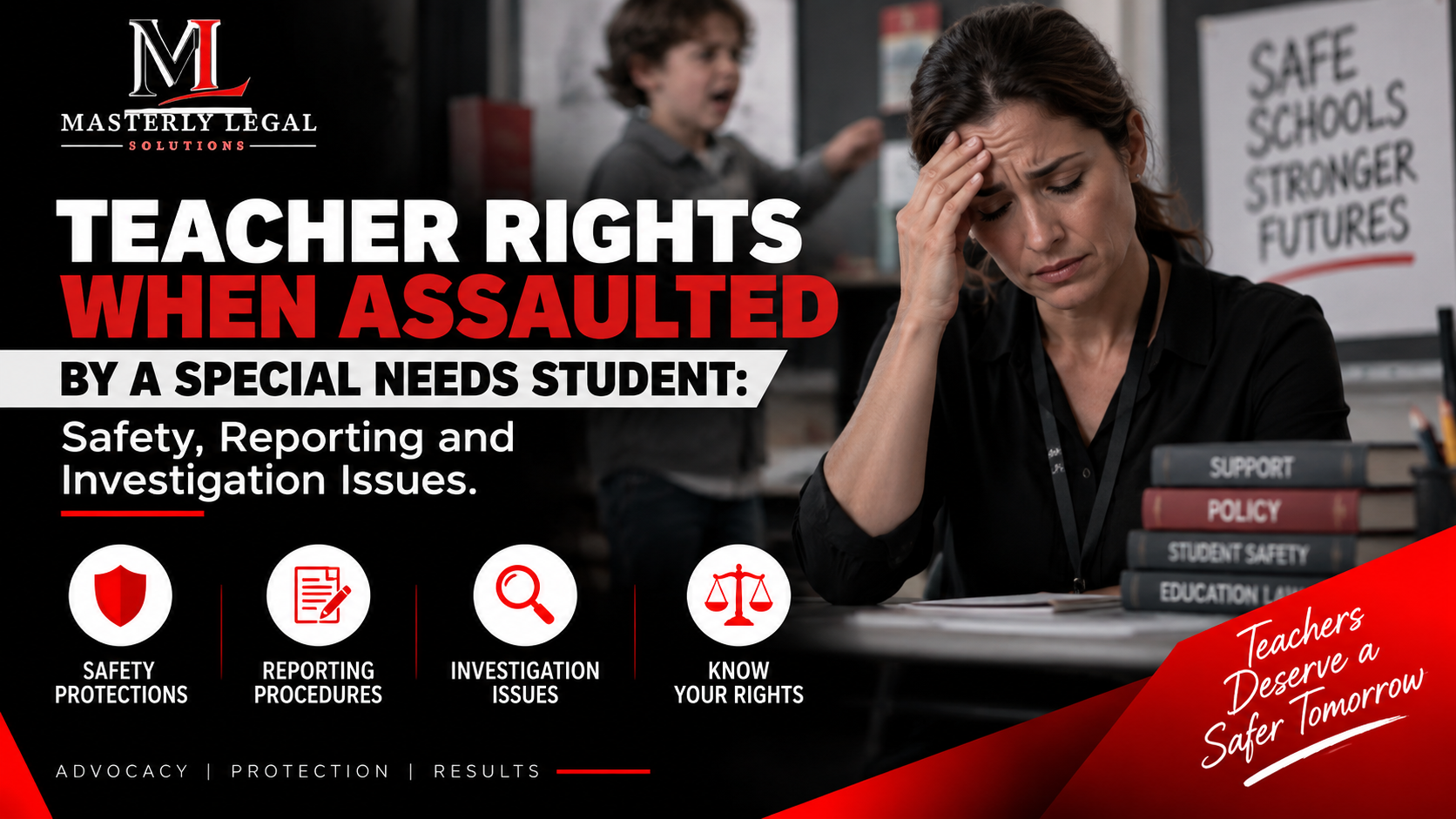
Teacher Rights When Assaulted by a Special Needs Student: Safety, Reporting and Investigation Issues


Looking for Legal & Business Solutions? Contact Us Now
Fill in the form or call us to set up a meeting