

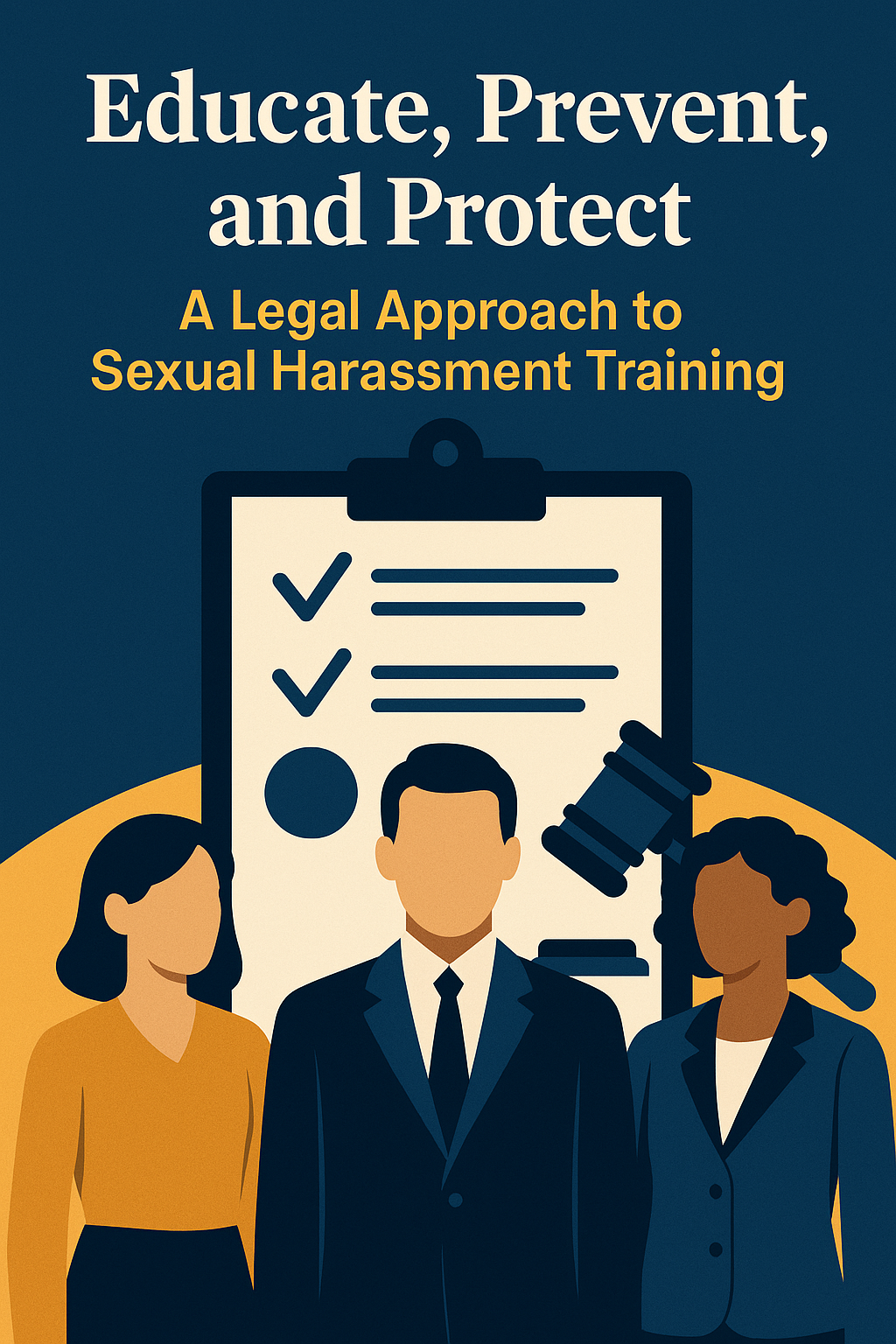
Educate, Prevent, and Protect: A Legal Approach to Sexual Harassment Training
Sexual harassment continues to be a major concern for organizations across industries, and many employers now recognize that a proactive legal approach is essential for creating a safer workplace. Employees and supervisors often have different levels of understanding about what qualifies as sexual harassment, which is why structured education programs are indispensable. When companies commit to teaching teams how to identify, prevent, and report harassment in the workplace, they not only reduce legal risk but also strengthen workplace culture. This article explores how structured programs support compliance, empower employees, and create lasting impact through education. With thoughtful planning, the right training program can truly reshape how organizations address workplace harassment.
The Importance of Structured Education in Today’s Workplace
Education is often the first line of defense in preventing harassment, because employees recognize problematic behavior more quickly when equipped with clear knowledge. Sexual harassment training for employees ensures that workers understand how inappropriate behavior can escalate into unlawful harassment. A structured workplace harassment training course offers practical scenarios that help new employees and long-time staff understand expectations. This approach helps employers meet federal guidelines and also demonstrates a commitment to building an inclusive workplace grounded in respect. With consistent workplace training, companies are better positioned to prevent incidents and promote a respectful work environment.
Understanding What Constitutes Sexual Harassment in Modern Workplaces
Many individuals have misconceptions about sexual harassment, especially when it comes to offensive jokes or unwanted comments. Well-organized sexual harassment training explains the key concepts behind unlawful harassment and provides examples of behavior that violates the law. Because harassment in the workplace sometimes develops subtly, employees benefit from learning how to recognize early warning signs. Clear standards also help supervisors and employees understand how conduct is evaluated under state and federal law. When training content is up to date, organizations foster consistency in reporting and accountability.
How Sexual Harassment Prevention Training Reduces Legal and Business Risk
Sexual harassment prevention training provides more than basic instruction—it functions as legal protection for employers. By offering training that aligns with workplace harassment prevention training requirements, organizations show they take harassment prevention seriously. When implemented correctly, harassment prevention training helps reduce retaliation claims because it teaches employees how to report harassment safely. A thoughtful sexual harassment prevention policy also ensures a documented start date and makes compliance training easier to track. With consistent efforts focused on preventing harassment, companies lower their risk and contribute to a healthier workforce.
The Role of Supervisors in Preventing Harassment and Supporting Employees
Supervisors play an essential part in managing workplace behavior and responding to harassment incidents. Since supervisory employees have increased legal responsibilities, sexual harassment training enhances their ability to address instances of misconduct early. When managers receive effective training, they gain the skills to identify risk and support employees through the reporting process. This also reinforces workplace civility and encourages respect across teams. Many other states require training specifically for supervisors, making it even more critical for organizations to stay compliant.
Using Online Training to Strengthen Workforce Education
Online training has become a convenient and accessible way to deliver harassment training, especially to organizations with one or more employees in multiple locations. These courses can be completed on a mobile device, which makes it easier for non supervisory employees and supervisors to meet annual training requirements. A well-designed training course offers technical support and accommodates different learning styles. With an online format, organizations can ensure their training content stays current, helping them continuously address workplace harassment. Online modules also increase engagement and accessibility for employees at all levels.
Adapting Harassment Prevention Training for New Employees
New employees may not be familiar with company culture, internal procedures, or what constitutes inappropriate behavior, so early training is vital. By integrating harassment prevention training into the onboarding process, employers ensure clarity from the first day. This training helps new staff members understand how to report harassment and how to respond to inappropriate conduct before it escalates. When organizations include practical examples, employees recognize harmful actions more easily. This early structure also sets a tone of respect and accountability.
Creating an Inclusive Workplace Through Education and Clear Policies
Inclusion training supports harassment prevention by teaching employees how to foster a respectful environment. When paired with sexual harassment prevention initiatives, it helps build an atmosphere where workers feel comfortable speaking up. A truly inclusive workplace is one where supervisors and employees work together to uphold shared values. These efforts encourage employees to recognize harmful conduct and act in alignment with company policies. Training helps employees understand the importance of respect in every interaction.
Why Organizations Must Address Workplace Harassment Proactively
Workplace harassment continues to pose legal risk for employers when policies are unclear or enforcement is inconsistent. Structured programs help organizations address workplace harassment by teaching teams how to manage conflict resolution and respond to incidents. Training offers employees additional information on identifying unwanted conduct, understanding retaliation, and recognizing when discrimination may be occurring. When employees feel supported, employee morale improves, and overall productivity rises. Proactive strategies help employers avoid unnecessary incidents and strengthen internal trust.
How Bystander Intervention Training Contributes to Harassment Prevention
Bystander intervention training teaches employees how to step in safely when witnessing inappropriate behavior. This type of program helps employees recognize harassment early and empowers them to prevent further incidents. It complements workplace violence training by promoting shared responsibility for safety. When employees know how to support colleagues effectively, the entire workplace benefits. These interventions reinforce a culture of accountability.
Why Consistency Matters in a Company’s Harassment Prevention Strategy
When training is inconsistent, employees receive mixed messages about expectations and policy enforcement. Harassment prevention strategies work best when employers conduct regular annual training and keep the course content updated. During training, organizations review key concepts that employees may forget without reinforcement. Consistency helps supervisors understand their roles and prepares teams to handle incidents before they escalate. Maintaining frequent education efforts strengthens compliance and procedural clarity.
The Legal Requirements Shaping Training Programs Across States
Many other states, including New York City employers, Illinois employers, and Connecticut employers, have specific training requirements. These mandates guide how long courses must last, sometimes requiring two hours or more of instruction. Employers must also ensure that training meets federal guidelines and stays current with changing law. Understanding these requirements helps organizations maintain compliance. With the right approach, even companies without mandated laws can adopt high impact training voluntarily.
How Training Helps Prevent Workplace Violence and Related Misconduct
While sexual harassment and workplace violence are separate issues, both require clear prevention strategies. When workplace violence training is paired with harassment prevention programs, organizations create well-rounded safety plans. Training helps employees understand how workplace violence may arise from ongoing conflict or retaliation. Educating teams on safety protocols supports a healthier workforce. This comprehensive approach strengthens organizational stability.
The Role of Compliance Training in Reducing Employer Liability
Compliance training helps employers maintain legal standards and avoid lawsuits related to discrimination or retaliation. Companies that regularly update their training program demonstrate a strong commitment to safe practices. Compliance also supports supervisors and employees by providing tools for recognizing misconduct. When employers prioritize compliance, they reduce risk across the workplace. Structured compliance planning is a powerful legal safeguard.
How Workplace Culture Shapes Responses to Harassment
Workplace culture influences how quickly employees act when they witness or experience harassment. Training that focuses on respect and communication supports a respectful work environment. Education helps organizations clarify expectations and promote positive conduct. When companies promote an environment that values fairness, it becomes easier to prevent future incidents. Training therefore strengthens cultural alignment.
Helping Employees Understand How to Report Harassment Safely
Many employees hesitate to report harassment because they fear retaliation or uncertainty about the process. Training teaches them how to report harassment in a confidential and structured way. Clear reporting guidelines prevent confusion and reinforce accountability. When organizations provide supportive channels, employees feel more empowered. This support strengthens workplace trust.
The Importance of Teaching Employees How to Recognize Unlawful Harassment
Employees must learn how to distinguish between poor conduct and unlawful harassment. Training provides examples, explains legal definitions, and helps employees recognize harmful actions more clearly. With the right training course, workers understand how discrimination is evaluated under the law. Clear instruction helps employees feel more confident in responding to misconduct. Education plays a crucial role in early prevention.
Building a Respectful Workforce Through Training and Leadership
Training programs contribute to building a respectful workforce by reinforcing company values. When supervisors and employees undergo similar learning experiences, it creates unity. Training helps emphasize the importance of respect and consistent conduct. Organizations benefit when all team members share an understanding of expectations. These efforts build long-term workplace stability.
Supporting Non Supervisors and Supervisors Through Tailored Training
Non supervisors often need different examples and guidance compared to supervisors. Training that adapts to each group offers more effective training and produces better results. When employers tailor workplace harassment training for different roles, they ensure clarity and relevance. Organizations strengthen communication across organizational levels. Tailored education encourages collaboration and confidence.
Strengthening Harassment Prevention Through Early Intervention Strategies
Preventing harassment requires recognizing early signs before they escalate into more serious incidents. Training helps employees understand how to act quickly and responsibly. When employers emphasize early reporting, they reduce risk and avoid larger conflicts. This approach promotes accountability throughout the workplace. Early interventions help maintain a safe environment.
The Long-Term Benefits of Structured Harassment Training Programs
Harassment training supports organizations beyond compliance—it creates lasting impact on culture, morale, and productivity. Consistent training helps organizations maintain an up to date understanding of legal changes. When teams revisit training content regularly, they reinforce essential workplace principles. Structured education positions companies to manage risk and uphold legal requirements. These benefits continue to grow over time.
Why Investing in Training Content Leads to High Impact Learning
Organizations develop more effective training when they invest in clear, relatable, and practical training content. Well-designed courses help employees understand the real-world impact of their conduct. A high impact approach encourages employees to take harassment prevention seriously. When learning feels relevant, employees stay engaged. Quality content strengthens overall program success.
Bonus Protections: How Training Helps Minimize Future Legal Claims
A strong training program helps employers demonstrate they acted responsibly to prevent harassment. This documentation becomes important if future legal challenges arise. Training helps organizations show a proactive effort to prevent discrimination and retaliation. These protections build confidence among employers and employees alike. Comprehensive planning supports long-term stability.
Contact Us for Guidance and Support
If your organization is ready to strengthen its protections, elevate its workplace culture, and create a safer environment for employees, Masterly Legal Solutions is here to help. Our attorneys can walk you through sexual harassment training for employees and explain how structured programs protect your workforce and your business. Whether you need help designing a workplace harassment training course, updating policies, or improving your harassment prevention strategy, we offer tailored guidance for employers of all sizes.
Contact us at (972) 236-5051 for a free consultation so we can answer any questions you have about developing meaningful sexual harassment training and prevention programs for your team.
Disclaimer: This article is for informational purposes only and is not legal guidance. For advice on your specific situation, please consult an attorney.






Looking for Legal & Business Solutions? Contact Us Now
Fill in the form or call us to set up a meeting





