Hospital Privilege Hearing Attorney: Preparing for a Credentialing Appeal
A notice that your hospital privileges may be denied, restricted, suspended, or not renewed can place your medical career at risk. A hospital privilege hearing attorney helps physicians prepare for medical staff hearings and credentialing appeals, respond strategically to adverse credentialing decisions, and protect their ability to practice in Texas.
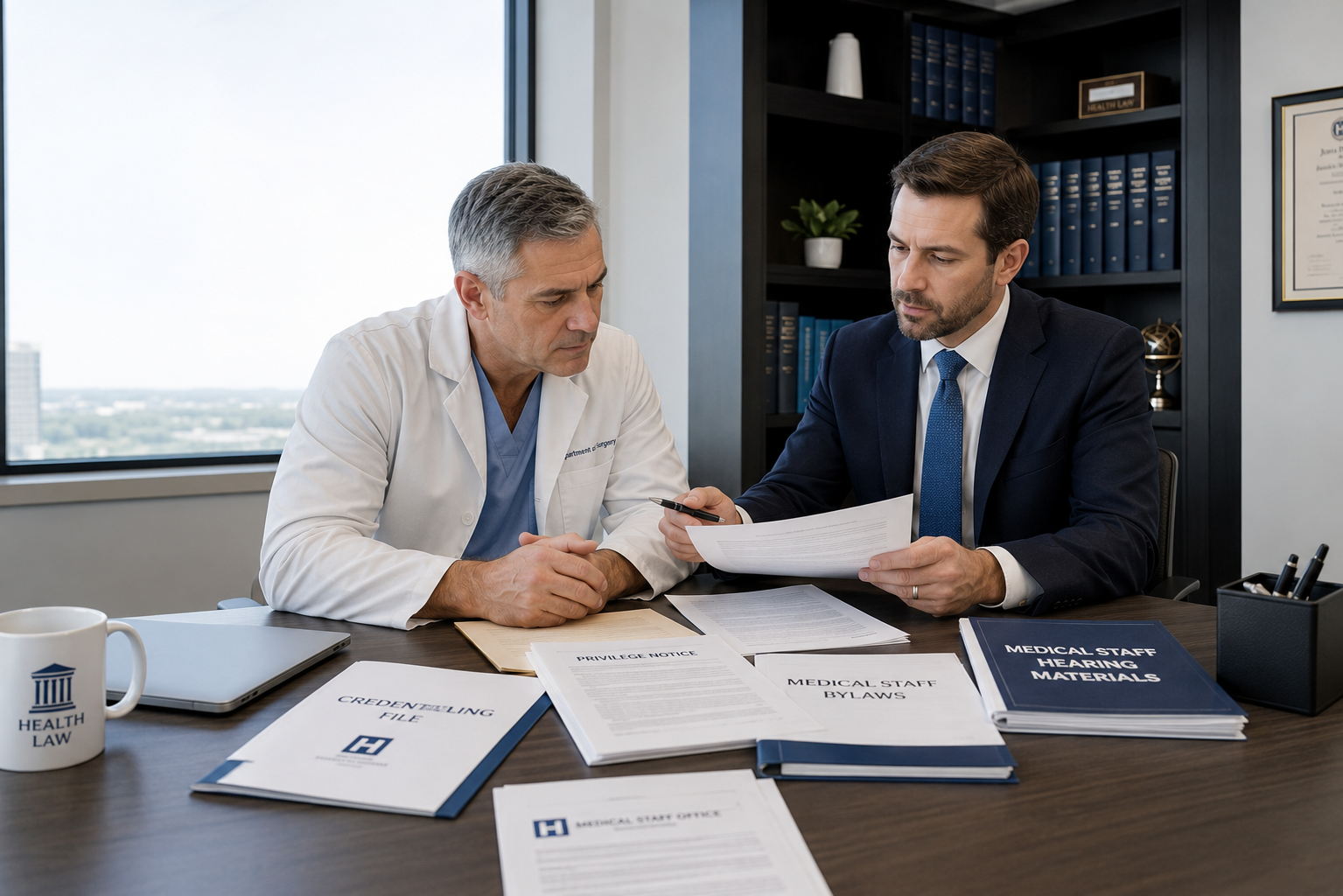
Working with an experienced hospital privilege hearing attorney before a hearing or appeal gives you the opportunity to prepare a thoughtful and well-supported response. At Masterly Legal Solutions, we represent physicians facing credentialing disputes, privilege restrictions, medical staff hearings, and hospital privilege challenges throughout Texas as part of our broader Texas-based legal and business services. Our focus is protecting your professional future while helping you navigate hospital bylaws, fair hearing preparation, and the credentialing process with confidence.
If your hospital has notified you of a credentialing concern or adverse action, now is the time to seek experienced legal guidance.
Why Hospital Privilege Hearings Matter
Hospital privileges allow physicians to admit, treat, and care for patients within a healthcare facility. When those privileges are questioned, the consequences can extend beyond one hospital.
A credentialing decision may affect future employment opportunities, professional reputation, insurance participation, and future hospital applications.
An experienced hospital privilege hearing attorney helps physicians understand the process, evaluate the issues involved, and prepare before important decisions are made.
Common Peer Review Reasons Hospital Privileges Are Challenged
Every situation is unique, but hospitals may review physician privileges for many different reasons.
These may include:
- Professional competence concerns
- Quality of care reviews
- Documentation issues
- Medical staff policy concerns
- Professional conduct allegations
- Credentialing questions
- Patient care complaints
- Compliance reviews
Not every review results in disciplinary action, but every matter deserves careful preparation.
Understanding the Medical Staff Hearing Process
A medical staff hearing is often part of the hospital's peer review process when adverse credentialing decisions are being considered. Complaints or performance concerns are often reviewed first by the Medical Executive Committee or an ad-hoc committee.
The hearing may involve:
- Medical records
- Findings from the peer review committee
- Testimony from witnesses
- Physician explanations
- Hospital policies
- Clinical documentation
- Credentialing materials
Hospitals typically follow similar procedures during privilege hearings, even though the details come from their governing policies and hospital bylaws.
Every hospital follows its own procedures, which are commonly outlined in its governing policies and hospital bylaws.
Expert witnesses may be important when the hospital is assessing adverse clinical claims or performance allegations. Understanding those procedures is an important part of preparing an effective response.
What Is a Credentialing Appeal?
A credentialing appeal allows a physician to challenge certain hospital decisions involving privileges or credentialing, and credentialing verifies a medical staff applicant's qualifications before hospital staff privileges are granted, denied, or renewed.
Depending on the circumstances, the appeal may address:
- Privilege restrictions
- Denial of applications
- Nonrenewal decisions
- Committee recommendations
- Credentialing findings
Preparing the appeal requires careful organization of facts, supporting documentation, and professional communication.
Why Early Preparation Is Important
Many physicians wait until shortly before a hearing to seek legal representation.
Preparing early allows time to review documents, evaluate committee findings, organize supporting information, and understand applicable procedures. Because peer review proceedings often move on short timelines once notice is received, quick action from attorneys can be critical.
Early preparation also helps reduce unnecessary surprises during the hearing process.
An experienced hospital privileges attorney helps physicians approach each stage with careful planning rather than reacting under pressure.
Understanding Physician Privileges Denial
A physician privileges denial does not automatically end a medical career, but it should never be ignored.
Hospitals may evaluate many factors before making credentialing decisions.
Responding thoughtfully can help ensure your qualifications, clinical history, and supporting information are properly presented during the review.
Protecting your professional reputation begins with protecting the record.
Why Hospital Bylaws Matter
Every hospital operates under its own hospital bylaws governing credentialing procedures, committee authority, hearing rights, due process rights, and review timelines.
Legal counsel should dissect those bylaws to identify the physician's specific process rights.
These documents often explain:
Notice Requirements
Hospitals generally follow specific procedures when notifying physicians about credentialing actions, and these due process protections commonly include advance written notice and an opportunity to present evidence.
Hearing Procedures
The bylaws often establish how hearings are conducted, how evidence may be presented, and how legal counsel may direct questioning and cross-examination of witnesses during a formal hearing. These procedures matter because decisions in peer review can be influenced by bias or personal motives if the process is not handled fairly. Participants may also receive legal immunity under specific conditions when required procedures are followed, which can affect later challenges in court.
Appeal Rights
Some hospitals provide physicians with opportunities to seek additional review after an initial decision, and in some cases that includes further review before hospital boards act on a panel or committee recommendation, with the hospital's governing board making the final decision after hearing panel recommendations.
Understanding these provisions helps physicians prepare more effectively throughout the process.
Fair Hearing Preparation Protects Your Professional Future
Effective fair hearing preparation involves much more than appearing before a committee. An adverse decision at a privilege hearing may trigger reporting to the National Practitioner Data Bank.
Preparation often includes:
- Reviewing hospital records
- Evaluating credentialing documents
- Organizing supporting materials
- Preparing written responses
- Understanding hearing procedures
- Reviewing applicable hospital policies
Every step should support both the current hearing and future credentialing opportunities.
How Masterly Legal Solutions Helps Physicians
Masterly Legal Solutions represents physicians facing hospital credentialing disputes and privilege challenges throughout Texas, with multiple law office locations across Texas.
When serving as your hospital privilege hearing attorney, we help with:
Reviewing Credentialing Decisions
We evaluate the hospital's actions, supporting documents, and procedural requirements.
Preparing for Medical Staff Hearings
We help physicians organize information before committee meetings and formal hearings.
Reviewing Hospital Bylaws
Understanding the applicable procedures is an important part of preparing your case, including reviewing bylaws to identify rights created by hospital rules and applicable law or state law.
Assisting With Credentialing Appeals
We help physicians prepare organized and professional responses during the appeal process.
Protecting Long-Term Career Goals
Our representation focuses on protecting your professional future as well as the current credentialing matter, including how a privilege dispute may affect your professional licensing, your reputation in the medical community, and your future practice opportunities, and it is supported by our broader legal services for corporations, nonprofits, and individuals.
Why Physicians Choose Masterly Legal Solutions
Physicians trust Masterly Legal Solutions because we understand how credentialing disputes affect careers built over many years.
We provide a range of services informed by our broader estate planning and comprehensive legal services for families and professionals:
- Careful legal analysis
- Strategic preparation
- Clear communication
- Attention to professional reputation
- Guidance throughout the credentialing process
- Representation focused on physicians
Every physician deserves experienced legal counsel when important career decisions are at stake.
Protecting Medical Staff Privileges Through Experienced Representation
Hospital privilege disputes often involve far more than one committee meeting. Medical staff bylaws, peer review procedures, and decisions made by medical staff leadership, medical staff leaders, and hospital administration can affect a physician's clinical privileges and long-term medical staff privileges. These matters may involve healthcare providers, doctors, surgeons, and other licensed providers who have been accused of concerns relating to patient care, professional conduct, or even allegations connected to healthcare fraud, which can intersect with broader HR consulting and workplace investigations services.
Depending on the scope and subject of the review, the outcome may also affect matters before a state licensing board, future employers, or related civil litigation. At Masterly Legal Solutions, our experienced counsel brings extensive experience representing clients in complex hospital proceedings, supported by our firm’s diverse legal services and TEA and Title IX defense experience. We understand the essential legal and procedural aspects of credentialing disputes, including summary suspensions, Joint Commission standards, physician education, hospital training requirements, and interactions with government agencies when applicable. Our legal services focus on helping physicians prepare thoroughly while pursuing the most favorable outcomes available under the facts of each case.
Frequently Asked Questions
When should I contact a hospital privilege hearing attorney?
You should contact an attorney as soon as you receive notice of a credentialing concern, privilege restriction, hearing, or appeal opportunity.
What does a hospital privileges attorney do?
A hospital privileges attorney helps physicians prepare for hearings, review credentialing decisions, evaluate hospital procedures, and protect their professional interests.
What is a credentialing appeal?
A credentialing appeal is the process used to challenge certain hospital decisions involving physician privileges or credentialing status.
What happens during a medical staff hearing?
A medical staff hearing may include review of records, committee findings, physician responses, and other information relevant to the credentialing decision.
Why are hospital bylaws important?
Hospital bylaws establish the procedures governing credentialing reviews, hearings, committee authority, and appeal rights.
Can fair hearing preparation improve my case?
Effective fair hearing preparation helps physicians organize supporting information, understand procedures, and present their position clearly during the review process.
Request Focused Counsel for the Privilege-Hearing Process
Hospital privilege disputes deserve immediate attention because they may affect your ability to practice, your professional reputation, and future credentialing opportunities, just as education law and TEA license defense for educators are critical when a teaching career is at risk.
If you are facing a medical staff hearing, credentialing appeal, privilege restriction, or physician privileges denial, speak with an experienced hospital privilege hearing attorney before important decisions are made. These matters can also raise issues under health law, including federal protections tied to the Health Care Quality Improvement Act of 1986, which mandates peer review processes and governs parts of that process, and they often parallel the complex compliance landscape our firm navigates in higher education law and institutional counseling and in advising colleges on dedicated higher education attorneys for regulatory compliance.
Contact Masterly Legal Solutions today at (972) 236-5051 or visit https://www.masterlylegal.com/ to request your confidential physician consultation or to learn more about our education lawyer services for teachers and schools.





Looking for Legal & Business Solutions? Contact Us Now
Fill in the form or call us to set up a meeting