

How Texas Handles CPS Investigations Differently Than Other States
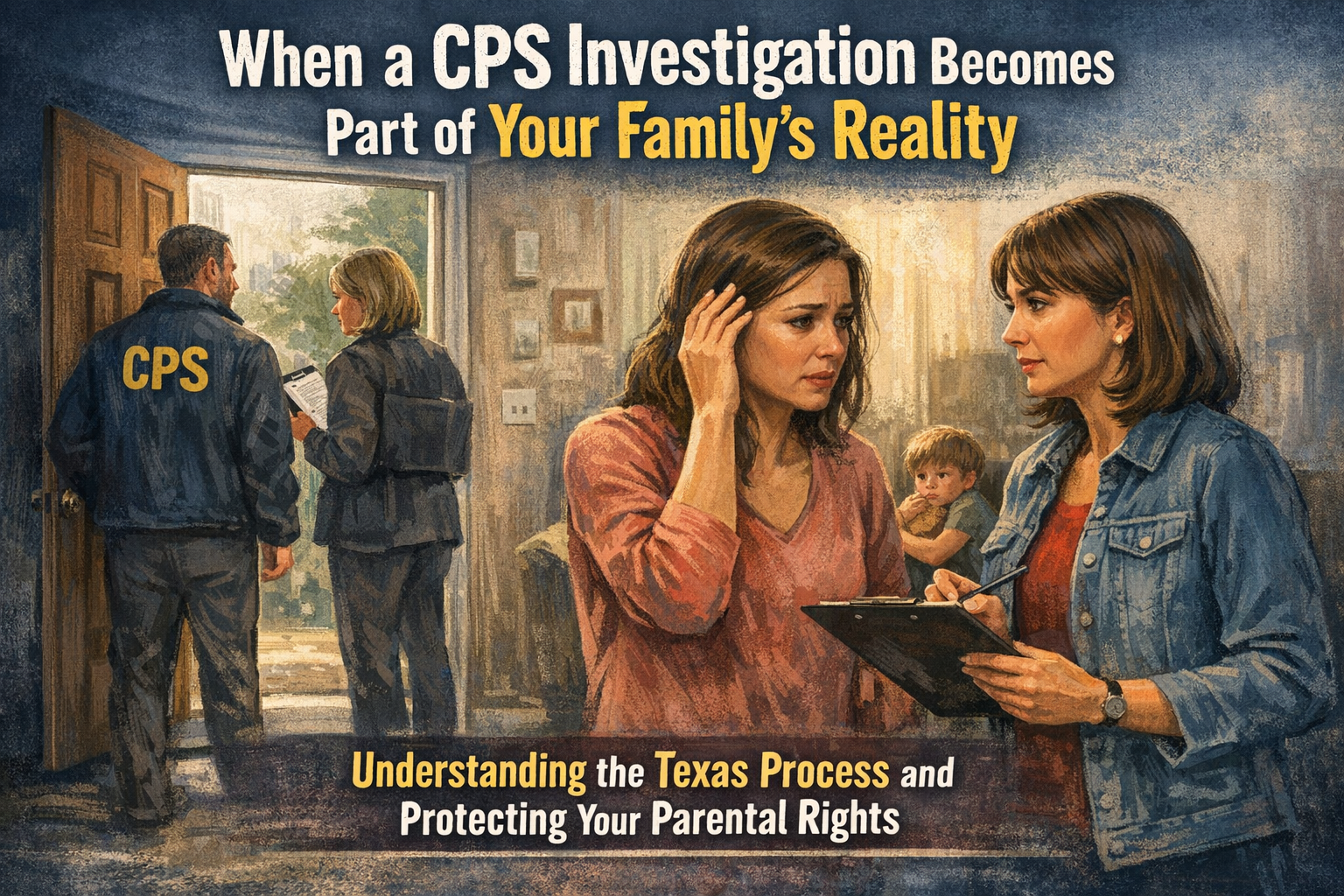
When a CPS Investigation Becomes Part of Your Family’s Reality
For many parents, the moment they learn they are being investigated by child protective services is overwhelming. It often begins with a call, a visit, or a notice that someone has chosen to report suspected child abuse or neglect. In Texas, these situations move quickly, and the process can feel unfamiliar, even for families who have never had prior involvement with the child welfare system.
What makes this experience even more stressful is not knowing how Texas handles these cases compared to other states. While all states aim to protect children, the way child protection services operates can differ in meaningful ways. Understanding those differences can help you respond more effectively and make informed decisions for your family.
The Foundation of Child Welfare Laws Across the United States
Federal Laws That Shape Child Welfare
Across the country, federal laws set the framework for how states handle child abuse or neglect cases. Laws such as the Social Security Act, the Safe Families Act, and the Prevention Services Act guide how child welfare agencies provide services, place children in foster care, and work toward adoption when necessary, much like Texas families use estate planning tools such as wills and trusts to ensure long-term stability and care for their children.
These laws emphasize child abuse prevention, early intervention, and maintaining the well being of each child. They also require child welfare programs to make reasonable efforts to keep families together when it is safe to do so. However, each state has flexibility in how these requirements are applied.
How State Laws Create Differences
While federal laws provide the structure, state laws determine how investigations are conducted. Each jurisdiction develops its own procedures, timelines, and standards for what is considered child abuse or child maltreatment.
For example, states like South Carolina, Rhode Island, South Dakota, and New Mexico may follow different approaches in evaluating physical abuse, neglect, or child sexual abuse. These differences can affect how quickly cases move and what outcomes are possible.
Texas’ Approach to Child Protective Services Investigations
The Role of the Texas Department
In Texas, the Texas Department of Family and Protective Services oversees child protective services and related protective services. This department is responsible for investigating allegations of child abuse or neglect, assessing risk, and determining what steps are needed to ensure the child's health and safety.
Texas places a strong emphasis on rapid response. Once a report is made, social workers may begin investigating within a short period, especially if there are concerns about physical harm or immediate danger.
A Focus on Immediate Safety
Unlike some states that may prioritize long-term assessments first, Texas often focuses on immediate safety concerns. If there are signs of physical injuries, sex abuse, or serious neglect, action may be taken quickly, and similar swift action can occur in schools when educators face allegations that may require legal protection for teachers and administrators.
This could include removing a child from the home and placing them into foster care while the investigation continues. Although this step is intended to protect children, it can feel abrupt and overwhelming for parents.
What Triggers a CPS Investigation in Texas
Common Reasons for Reports
A CPS case usually begins when someone chooses to report abuse or report suspected child abuse. This can include teachers, doctors, neighbors, or even family members, and educators in particular may need legal support for school-related investigations when reports intersect with their professional responsibilities.
Reports may involve:
- Allegations of physical abuse or physical injuries
- Claims of child sexual abuse or sex trafficking
- Concerns about neglect, including lack of medical care
- Situations involving unsafe living conditions
- Questions about supervision based on the age of the child
Each report is reviewed to determine whether there is a possible risk to the child’s health or safety.
Mandatory Reporting and Its Impact
In Texas, certain professionals are required by law to report suspected child abuse. This creates a system where reports are frequent, even when concerns may not be fully confirmed.
As a result, many families find themselves involved in a CPS investigation based on limited or unclear information.
How Texas Defines Abuse and Neglect
Understanding What Is Considered Child Abuse
Texas state statutes define what is considered child abuse or child maltreatment. These definitions include physical abuse, child sexual abuse, emotional harm, and exposure to dangerous environments.
The state also evaluates whether a child has suffered physical harm, physical injuries, or ongoing risk to their overall well being.
The Role of Neglect in CPS Cases
Neglect is one of the most common reasons for CPS involvement. It may involve failure to provide adequate medical attention, proper supervision, or basic necessities.
In some cases, families with low incomes may face scrutiny even when they are doing their best to care for their child. This is why understanding your rights is so important.
The Investigation Process in Texas
Initial Contact and Interviews
Once a case begins, social workers may visit your home, speak with your child, and interview parents. They may also gather additional information from schools, doctors, and other sources.
These interviews are used to assess whether abuse and neglect may have occurred and whether the child is at ongoing risk.
Evaluating the Home Environment
Investigators will evaluate the living environment, including safety conditions, supervision, and access to medical care. They will also consider the health, education, and emotional needs of the child.
The goal is to determine whether intervention is necessary to support the family or protect the child, much like how education law attorneys for teachers and administrators step in to protect the rights of school professionals during related investigations.
Differences Between Texas and Other States
Faster Intervention and Removal Decisions
Compared to some states, Texas may act more quickly when concerns arise. This can lead to earlier removal of a child into foster care, even before all facts are fully developed.
While this approach is designed to reduce risk, it can feel sudden and disruptive for families.
Greater Emphasis on Foster Care Placement
Texas relies heavily on foster care as part of its child welfare system. When a child is removed, they may be placed with licensed caregivers or within the safe families network.
This system aims to provide stability, but it also creates challenges for maintaining family connections.
The Role of Federal Laws in Texas Cases
How Federal Requirements Apply
Even though Texas has its own system, it must comply with federal laws such as the Indian Child Welfare Act and the Prevention Services Act.
These laws influence how cases are handled, especially when involving Native American children or when providing child abuse prevention services.
Balancing Federal and State Requirements
Texas must balance state laws with federal requirements. This can create complex situations where multiple rules apply at once.
Understanding this balance is key when navigating a CPS investigation.
Parental Rights During a CPS Investigation
Protecting Parental Rights in Texas
Parents have important parental rights during a CPS case. These rights include the ability to respond to allegations, participate in hearings, and seek legal guidance.
However, these rights can be limited if the state believes the child is in immediate danger.
When Legal Support Becomes Critical
Working with a lawyer can help you understand your options and protect your rights. A skilled Texas law firm like Masterly Legal Solutions can review your case, explain the process, and help you respond effectively to allegations of abuse or neglect.
The Impact of Foster Care and Adoption
What Happens After Removal
If a child is placed in foster care, the focus shifts to reunification or adoption. The state may provide services to help families address concerns and work toward reunification.
However, if progress is not made, the case may move toward adoption.
Long-Term Effects on Families
The involvement of foster care and adoption can have lasting effects on both the child and the family. Maintaining relationships and stability becomes a priority throughout the process, and some families turn to estate planning for long-term security to ensure children are protected beyond the immediate CPS case.
Supporting Families Through the Process
Available Resources and Services
Texas offers a range of resources to support families, including counseling, parenting classes, and access to medical assistance. Legal tools such as a power of attorney for your children can also play a role in long-term planning. These services are designed to improve the child’s health and overall stability.
Programs focused on child abuse prevention aim to address concerns before they escalate.
The Importance of Early Action
Taking action early can make a significant difference. Seeking guidance, gathering documentation, and understanding your rights can help you navigate the process more effectively.
Why Having a Lawyer Matters in CPS Cases
Legal Guidance Through Complex Situations
CPS cases involve multiple layers of laws, procedures, and decisions. A knowledgeable full-service Texas law firm can help you understand how these elements apply to your situation.
They can also help you respond to allegations, prepare for hearings, and advocate for your family.
Protecting Your Family’s Future
Having the right support can help protect your family, your rights, and your long-term stability. It ensures that your voice is heard and that decisions are made fairly.
A Closer Look at Unique Challenges in Texas
High Volume of Cases
Texas handles a large number of CPS cases each year. This can impact how quickly cases are processed and how much attention each case receives.
Families may feel like they are navigating a system that is both fast-moving and complex.
Balancing Safety and Family Integrity
The goal of the child welfare system is to protect children while preserving families whenever possible. Striking this balance can be challenging, especially in high-risk situations.
When to Seek Help and Ask Questions
Recognizing When You Need Support
If you are involved in a CPS case, it is important to recognize when you need help. Questions about your rights, the process, or next steps should not go unanswered.
Seeking help early can prevent misunderstandings and improve your outcome.
Getting Answers to Legal Questions
If you have legal questions, speaking with a professional can provide clarity. Understanding your options allows you to make informed decisions for your family.
Supporting Foster Children and Understanding Critical Services
When a child enters the system, the experience can be life-changing, especially for foster children who must adjust to new environments, routines, and caregivers. In Texas, the goal of child protective services is not only to ensure safety but also to focus on helping children rebuild stability and move forward. Programs connected to the treatment act are designed to address trauma, provide counseling, and improve long-term outcomes for youth who have experienced abuse or neglect. These efforts are often supported through social services, which work closely with families and caregivers to provide structure and support during uncertain times, while complementary planning tools like trust-based estate planning services can help safeguard a child’s financial future.
It is important to understand that not every disciplinary action is treated the same under the law. While some forms of discipline may be allowed, excessive or harmful conduct—such as extreme corporal punishment—can raise serious concerns and trigger further review. Each person involved in a case, from investigators to caregivers, plays a role in ensuring the child’s safety and well being. Access to legal services can provide families with helpful information about their rights and responsibilities, especially when navigating complex cases involving youth and family dynamics. Knowing how to reach Masterly Legal Solutions’ Texas offices ensures you can get timely help when questions arise. Ultimately, the goal is to protect not just the immediate safety of a child, but also their long-term life, growth, and access to justice within a system designed to support them.
Understanding How Texas Handles CPS Investigations Differently Than Other States
While every state in the country aims to protect the safety and well-being of a child, the way investigations are handled can vary significantly depending on the jurisdiction. In Texas, the process tends to move faster and often places a stronger emphasis on immediate safety, sometimes leading to quicker decisions about removal, foster care, or court involvement. Compared to other states, where longer assessment periods or additional review layers may be common, Texas often prioritizes urgent action when there is a concern about abuse, neglect, or potential harm.
This difference can have a real impact on families. A situation that might be handled through extended evaluation in another state could result in faster intervention in Texas. That is why it is so important for parents to understand how these systems work and to respond quickly if they become involved. Knowing how Texas approaches child welfare, and how it differs from other states, can help families make informed decisions, protect their rights, and take the right steps at the right time.
Speak With Masterly Legal Solutions Today
If you or someone you know is dealing with child protective services in Texas, you do not have to face it alone. These situations can move quickly, and the stakes are incredibly high for both you and your child.
At Masterly Legal Solutions, we understand how complex CPS cases can be and how deeply they affect families. Our team is here to listen, guide, and help you take the right steps forward with confidence.
Call (972) 236-5051 to contact us for a free consultation. We are here to help you understand your options, answer your concerns, and work toward protecting your family’s future.
Disclaimer: This article is for informational purposes only and does not constitute legal advice. Reading this content does not create an attorney-client relationship. For guidance specific to your situation, please consult a qualified lawyer.








Looking for Legal & Business Solutions? Contact Us Now
Fill in the form or call us to set up a meeting





