

The Role of Legal Representation Before CPS Takes Formal Action
The first time CPS contacts you, it can feel like your entire world shrinks into one question: “Are my children going to be taken from me?” Most parents don’t expect to ever deal with child protective services, and when it happens, the fear can be immediate and overwhelming. You may feel like you have to explain everything quickly, prove you’re a good parent, and keep your family calm—all at the same time. In that pressure, even strong, loving parents can make mistakes that later shape the case.
At Masterly Legal Solutions, we believe one of the most important moments in a CPS situation is the stage before CPS takes formal action. This is the window where families still have options, where a case can stay manageable, and where misunderstandings can be corrected before they become official findings. The earlier you get legal representation, the easier it often is to protect your parental rights and keep your children safe at home. This article explains what “formal action” looks like, why the early stage matters, and how an attorney can help you respond strategically without escalating the situation.
Even when CPS says they are “just doing an investigation,” you should treat the situation seriously. CPS cases are built on interviews, reports, documents, and impressions that can be hard to undo later. Early legal help is not about fighting the system—it’s about protecting your family while the process unfolds.
What “Formal Action” Means in a CPS Case
When CPS first reaches out, many parents assume the case is already in court. That is not always true. Often, CPS begins with an investigation and may take steps that feel informal, like asking questions or requesting documents. But formal action can happen quickly, and it can change everything.
Formal action can include things like a written safety plan, a removal request, or filing paperwork in court. It can also include restricting access to the home, ordering services, or involving other protective services agencies. Once CPS takes formal action, the case becomes harder to control because decisions may move into official systems and timelines.
That is why early legal representation matters. The best time to defend yourself is before the record becomes locked in. Your early responses shape what CPS believes, what gets written down, and what actions CPS may decide are required.
Why CPS Investigations Feel “Casual” When They Aren’t
CPS workers may speak calmly, act friendly, and describe their role as helping families. Sometimes they truly want to connect families with services and support. But even in a polite conversation, the investigation is active, and everything you say can be used as evidence. A simple comment can be quoted in a report and later repeated in court.
Parents often underestimate how quickly CPS cases evolve. One day it’s a phone call, and the next day it’s a home visit. A few days later, CPS may be discussing safety plans or removal options. This is why families need a plan early, not after the situation escalates.
Even if you believe the allegations are false, CPS still has authority to investigate. If CPS believes children are in danger, they may act quickly. Legal representation helps you respond with clarity and protect your family’s standing from the beginning.
The Real Purpose of Child Protective Services
Child protective services exists to protect children from harm. The system is designed to respond to allegations of child abuse, neglect, and exploitation. CPS is part of broader protective services networks and may coordinate with social services depending on the case. Their mission is safety, not fairness, and that difference matters.
CPS is trained to look for risk factors and patterns. They may view things through a lens of danger prevention, even when a parent sees the situation as a misunderstanding. That can feel frustrating, especially when families are already under stress. It can also lead to decisions that feel extreme when the facts are unclear.
Legal representation helps balance the process. An attorney can make sure CPS considers the full story and not just the most alarming version of events. Protecting children should never require tearing apart stable families unnecessarily.
What Triggers CPS Contact in the First Place
Most CPS cases start with a report. That report may come from a school, hospital, neighbor, daycare, or a concerned family member. It may involve suspected child abuse, suspected neglect, or concerns about exploitation. Some reports are made in good faith, while others are driven by conflict, custody disputes, or misunderstanding.
Once a report is made, CPS can open an investigation even if the details are limited. The worker may contact parents quickly, sometimes without warning. Parents may feel accused before they even know what the allegations are. That confusion often leads to panic, and panic leads to mistakes.
Legal representation helps you slow down and respond thoughtfully. Your attorney can help you understand what is being claimed, what CPS is actually investigating, and what steps you should take next. That clarity alone can reduce risk for your children.
Why the Early Stage Is the Most Preventable Stage
The early stage of CPS involvement is where many problems can still be prevented. Before formal action, there is more room for explanation, documentation, and cooperation that supports the family. Once formal steps are taken, CPS may feel pressure to justify its decisions. That can make it harder to reverse direction.
Parents often believe they should “wait and see” before calling a lawyer. But waiting often means losing the chance to control the narrative. CPS may build a file that includes selective details, incomplete context, or misunderstandings. Later, that file becomes the foundation of the case.
Early legal representation is about protecting families before damage is done. It helps keep your case from spiraling into removal discussions or court filings. It also helps protect your parental rights while you cooperate appropriately.
How CPS Builds Evidence Before Taking Action
CPS evidence is often created long before court involvement. Evidence can include interviews, photographs, medical records, school reports, and caseworker notes. Even your tone, your stress level, and your body language can influence how the caseworker describes you. Parents often don’t realize they are being evaluated in every interaction.
CPS also collects information from relatives, teachers, doctors, and other adults involved in a child’s life. Sometimes those sources provide helpful context. Other times, they unintentionally spread inaccurate impressions. This is why the early stage is so sensitive.
Legal representation helps you understand what evidence is being gathered and how it may be interpreted. Your attorney can help you provide documents that support your position without oversharing. The goal is to protect your family while the investigation is still developing.
What Parents Should Expect During a Home Visit
A home visit can feel invasive, especially when you are worried about your children. CPS may want to see where the children sleep, how food is stored, and whether the home appears safe. They may ask questions about discipline, supervision, and daily routines. These questions can feel personal, but they are part of the investigation.
Parents often worry their home needs to look perfect. CPS is supposed to focus on safety, not perfection, but certain conditions may be used to support neglect concerns. Clutter is not the same as danger, but hazards like exposed wiring, unsecured weapons, or unsafe sleeping arrangements can be treated seriously. If CPS sees something concerning, they may push for immediate protective services steps.
Legal representation helps you prepare. Your attorney can advise you on what to expect, what is reasonable, and how to communicate calmly. That preparation helps protect your home environment from being mischaracterized.
Why Safety Plans Are a Turning Point
A safety plan may be offered before CPS takes formal action in court. It is often presented as voluntary, but it can feel like pressure. Safety plans can require supervision, restrictions, or temporary living changes. They may also involve relatives stepping in to help protect children during the investigation.
Parents sometimes sign safety plans without fully understanding them. Later, CPS may treat the plan like an admission that something unsafe occurred. If the plan is violated—even accidentally—CPS may use that as justification for removal. This is why safety plans should be handled carefully.
An attorney can review a safety plan before you agree. Legal representation helps ensure the plan is realistic, limited, and not unnecessarily disruptive. The goal is to protect children without creating a path toward removal.
The Risk of Saying the Wrong Thing Too Soon
Parents often want to explain everything immediately. They want CPS to see they are good parents and that the allegations are wrong. But early conversations are where many damaging statements happen. Parents may guess, exaggerate, or try to fill in gaps when they are nervous.
CPS may interpret uncertainty as dishonesty. If your story changes, even slightly, CPS may treat that as suspicious. A caseworker may document the inconsistency and use it to justify stronger action. This is especially risky in child abuse or neglect allegations where emotions run high.
Legal representation helps you respond without overreacting. Your attorney can help you stay factual, calm, and consistent. That protects your credibility and helps protect your children from unnecessary disruption.
How Legal Representation Protects Parental Rights Early
Parental rights matter from the first moment CPS becomes involved. Even before court, CPS may request interviews, records, or access to your children. Parents often feel like they have no rights because CPS has authority. But you do have rights, and using them properly can protect your family.
Legal representation helps you understand what CPS can request and what is optional. It also helps you respond without appearing uncooperative. The goal is not to “fight CPS” but to protect your children and your home while cooperating appropriately. A strong legal strategy often prevents escalation.
Parents deserve someone who understands the process and can defend them early. That is what CPS defense is about—protecting your family before the situation becomes harder to manage.
Why Families Need Help Even When They “Did Nothing Wrong”
Many CPS cases involve parents who truly did nothing wrong. The problem is that CPS decisions are often made under pressure, based on incomplete information. A report may be exaggerated, or a child’s statement may be misunderstood. A medical issue may look suspicious until records are reviewed.
Even innocent families can be harmed by the process. Stress can cause parents to act differently, and CPS may interpret that stress as guilt. The system is not always designed to slow down and verify everything carefully. That is why legal representation matters even when you believe the case will close quickly.
A law firm can help protect families from unnecessary disruption. The goal is to keep children safe at home whenever possible. Legal help ensures your side is heard early.
The Role of an Attorney in Communication With CPS
One of the most valuable roles of an attorney is communication. Parents often feel intimidated speaking to CPS alone. They may feel pressured to agree to everything or fear that asking questions will look suspicious. That fear leads to rushed decisions.
An attorney can communicate with CPS on your behalf. Your lawyer can clarify what CPS is investigating, request written details, and confirm expectations. This can prevent misunderstandings and keep the process more structured. It also helps protect parents from saying something that gets misused later.
Good communication is a form of protection. It keeps your story consistent and your case organized. That can influence whether CPS takes formal action.
How Legal Representation Helps With Document Requests
CPS often asks parents to provide documents such as medical records, school records, proof of housing, or counseling information. Some requests are reasonable. Others may be overly broad or unrelated to the allegations. Parents often do not know what they are required to provide.
Legal representation helps you provide what supports your case without exposing unnecessary private information. Your attorney can help you gather documents that show stability and safety. Your lawyer can also help you respond when CPS requests information that feels excessive. This protects your family while still cooperating with the process.
Documents often shape the case outcome. Providing the right documents early can prevent removal discussions and help close the case faster. This is a major part of effective CPS defense.
When CPS Involves Court and Why Early Strategy Matters
CPS may file in court if they believe children are in danger or if parents do not agree to safety measures. Once court is involved, the case becomes more formal and less flexible. A judge may issue orders, set hearings, and require services. Parents may feel trapped by the court process.
The best way to reduce court risk is to manage the early stage correctly. If CPS believes the home is safe and the parents are stable, they may decide formal action is not required. But if the caseworker documents resistance, inconsistency, or unresolved safety concerns, court becomes more likely.
Legal representation helps reduce the risk of court escalation. It also prepares you in case court becomes unavoidable. If court happens, your attorney can defend you and protect your parental rights.
Removal Risk and the Importance of Acting Early
Removal is one of the most serious actions CPS can take. Removal may happen if CPS believes children cannot remain safe in the home. It can also happen if CPS believes parents will not cooperate with protective services. Even when parents are loving, removal can occur if CPS believes danger exists.
Removal is often preventable when parents act early. If you respond calmly, provide reasonable documentation, and cooperate with safety-focused steps, CPS may not feel removal is necessary. If relatives are available to help, that may provide safer options than removing children entirely. The earlier these options are presented, the better.
Legal representation helps protect children from removal. Your attorney can argue for less disruptive alternatives and defend your home stability. Protecting families means fighting for safe solutions, not panic decisions.
How CPS Defense Helps Families Stay Together
CPS defense is not about hiding wrongdoing. It is about ensuring the process is fair and that families are not harmed by assumptions or incomplete evidence. CPS defense focuses on protecting children while also protecting parents from unnecessary escalation. It keeps the case grounded in facts.
A strong defense includes communication, documentation, and a clear strategy. It also includes understanding what CPS is looking for and how to respond appropriately. Families who have guidance often feel less overwhelmed and more confident. That confidence can improve cooperation and reduce conflict.
At Masterly Legal Solutions, our dedication is to protecting families through each step. We take these cases seriously because the stakes are deeply personal. Your children deserve stability, and you deserve a fair process.
Why “Best Interests” Language Can Be Misused
CPS often says decisions are made in the best interests of the children. That phrase sounds simple, but it can be applied in ways parents disagree with. CPS may argue that services, restrictions, or even removal protect children. Parents may feel those steps cause harm instead of safety.
Best interests should include stability, emotional care, and the child’s connection to parents. It should not be used to justify unnecessary separation. Legal representation helps challenge unfair interpretations of best interests. Your attorney can show why keeping children safe at home is often the best outcome.
Protecting children does not always mean removing them. Many families can address concerns without losing their home stability. A strong legal strategy helps keep the focus where it belongs.
The Role of Relatives and Support Networks
Relatives can be a powerful support option during CPS involvement. CPS may ask whether relatives can supervise, provide temporary assistance, or offer a safe environment. In some cases, relatives help prevent removal by creating a safety net. This can protect children while keeping the family connected.
However, involving relatives should be handled carefully. Not every relative is appropriate, and not every relative understands the legal risk. CPS may interview relatives, and their statements can influence the case. This is why planning matters.
Legal representation helps families choose safe, supportive options. Your attorney can help you present relatives in a way that supports stability without creating new problems. Protecting families often means building support carefully and strategically.
What Parents Should Avoid Doing Before CPS Takes Action
Before CPS takes formal action, parents have the best chance to keep the case manageable. But certain mistakes can push CPS toward stronger steps. These mistakes often come from fear, not bad intent.
Here are common mistakes parents should avoid:
- Arguing aggressively with the caseworker
- Signing forms without understanding what they allow
- Oversharing unrelated personal history
- Letting stress cause inconsistent statements
- Ignoring requests until deadlines pass
- Posting about the case online
- Assuming CPS will “just go away”
Avoiding these mistakes protects your standing. It helps CPS see your home as stable and safe. It also reduces the chance of removal or court involvement.
Why Parents Should Not Wait Until It Becomes a Lawsuit
Some parents think they only need a lawyer if the case becomes a lawsuit. But by the time a lawsuit is possible, the damage may already be done. CPS cases build momentum early. Reports, notes, and interviews create the foundation for everything that follows.
Even if a lawsuit never happens, legal representation still matters. It protects your parental rights and helps keep children safe at home. It also helps you avoid steps that create long-term consequences. Waiting too long often means fewer options and more stress.
The best legal help happens early, before the system takes control. That is the heart of this guide. Protecting families means acting before formal action begins.
How Masterly Legal Solutions Supports Clients in CPS Matters
At Masterly Legal Solutions, we work with parents who feel overwhelmed and afraid. Many of our clients are hardworking people who love their children and never expected to be investigated. We bring calm guidance, practical strategy, and strong advocacy to every case. Our job is to defend your family and protect your future.
We approach CPS cases with care, because we know how personal they are. We help you understand the process, respond appropriately, and provide what is needed without creating extra risk. Our team supports families through investigations, safety plan discussions, and court concerns. We stand with you on your behalf, not just in theory, but in every step that matters.
If you found this article while searching resources like cps charlotte nc, it may be because you want clarity and protection fast. Even though procedures vary by state, the fear parents feel is the same everywhere. You deserve legal support that is focused, responsive, and committed to protecting your children.
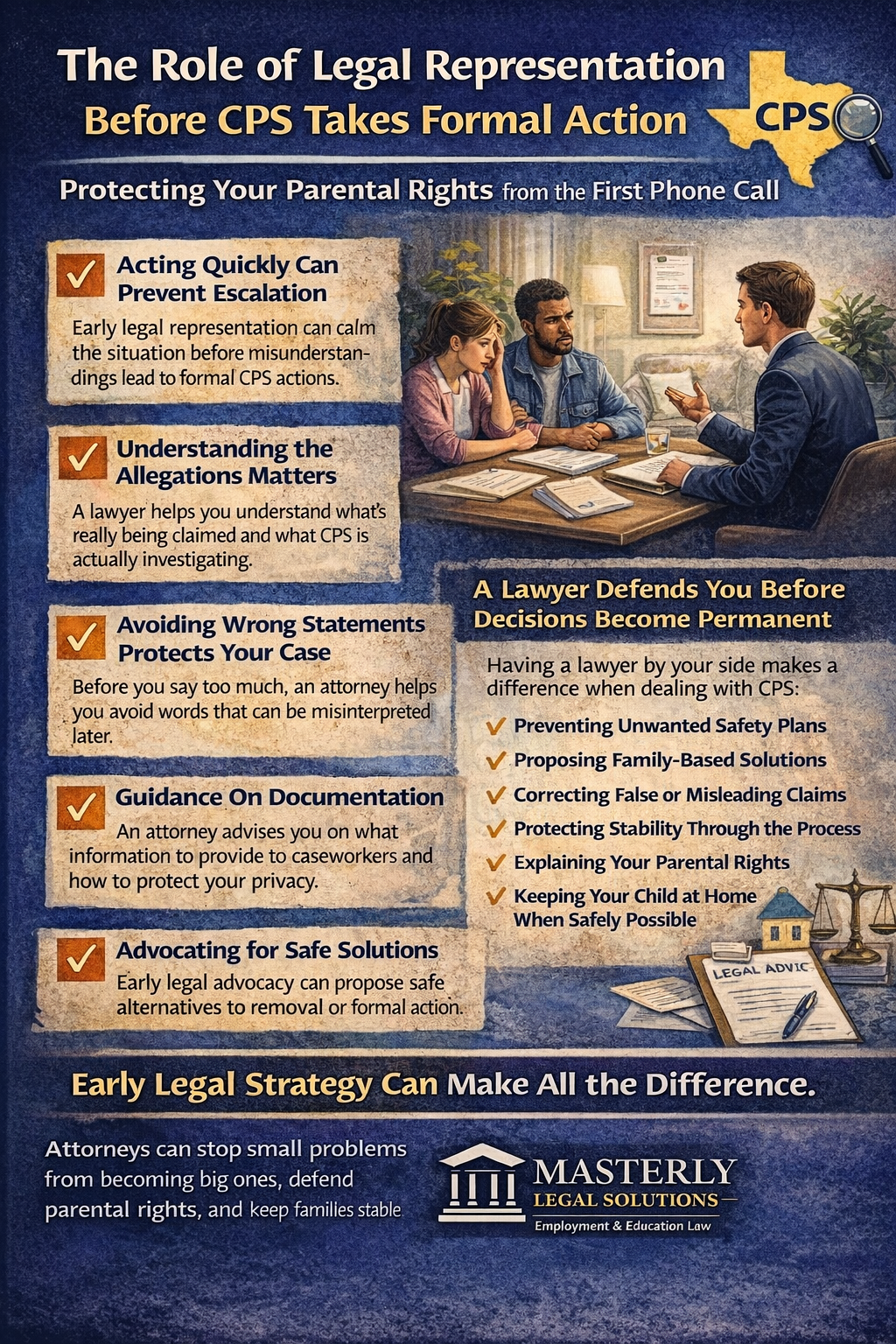
Understanding the Texas Department’s Role in CPS Investigations
When families are investigated, it helps to understand that CPS operates under the texas department structure that oversees how cases are assigned, reviewed, and documented. This matters because the department is not just one caseworker—it is a system with procedures, supervision, and internal decision-making that can affect your case. What one worker says may later be reviewed by a supervisor inside the department, especially if removal or court action is being considered. Knowing how the texas department operates can help parents respond strategically instead of feeling blindsided by sudden changes.
How the Department Uses Reports and Records to Decide Next Steps
Many parents think they are only dealing with a single person, but the department relies on written records, timelines, and case notes to guide decisions. The department may evaluate the allegations, the home environment, and the family’s cooperation to determine whether protective services should expand. This is why even small details can matter, because they become part of the official file. When the department reviews the case, it often relies heavily on what has been documented, not just what was said informally.
Why Legal Expertise Matters Before CPS Takes Formal Action
Parents often feel pressure to answer quickly, agree to requests, and “clear things up” on their own, but early legal expertise can prevent mistakes that are difficult to undo. With the right expertise, families can understand what CPS is requesting, what is reasonable, and what should be handled more carefully. Legal guidance can also help parents respond in a calm, consistent way that protects their credibility. The earlier expertise is involved, the more options families typically have to avoid escalation.
What to Do After You’ve Received Contact From CPS
Once you have received a call, visit, or message from CPS, it is important to treat the situation as a serious investigation rather than a casual conversation. Parents often feel shocked after they have received notice, and that emotional reaction can lead to oversharing or rushed decisions. Instead, focus on staying calm, gathering basic information about the allegations, and documenting every interaction. Taking the right steps after you’ve received contact can help protect your children and reduce the risk of formal action.
How CPS Determines Whether Safety Concerns Have Been Met
CPS typically looks for specific safety benchmarks before stepping back from a case. In many situations, the caseworker is trying to confirm whether concerns have been met through evidence, cooperation, and a stable home environment. This might involve verifying medical care, checking living conditions, or confirming supervision plans. When safety expectations have been met, the case is more likely to move toward resolution instead of removal.
Why “Child Protective Services CPS” Should Always Be Taken Seriously
Even when the initial contact feels informal, child protective services cps is still operating with legal authority and the ability to escalate quickly if concerns remain. Parents should understand that CPS decisions are often based on early impressions, written notes, and the consistency of the family’s response. The safest approach is to assume that every statement and document may be reviewed later, especially if court involvement becomes possible. Treating child protective services cps seriously from the start helps protect your rights and improves the chances of a stable outcome.
Contact Masterly Legal Solutions for a Free Consultation
If CPS has contacted you, or you believe a report may have been made, the time to act is now—before the situation becomes formal and harder to control. Early legal representation can protect your parental rights, help you respond with confidence, and reduce the risk of removal or court escalation. You do not have to face this process alone, and you should not have to guess what CPS expects.
Call Masterly Legal Solutions at (972) 236-5051 for a free consultation. We will listen to your story, explain your options, and help you build a plan that protects your children, your home, and your family’s stability. Our law firm is ready to defend you with experience, care, and dedication—because protecting families is not just a job, it is personal.
Disclaimer: This article is for educational purposes only and does not constitute legal advice or legal guidance. For advice about your specific situation, consult with a licensed attorney.
Teacher Rights When Assaulted by a Special Needs Student: Safety, Reporting and Investigation Issues


Looking for Legal & Business Solutions? Contact Us Now
Fill in the form or call us to set up a meeting





