Sexual Harassment Training for Managers: Turning Compliance Into Real Protection
When Compliance Alone Is Not Enough
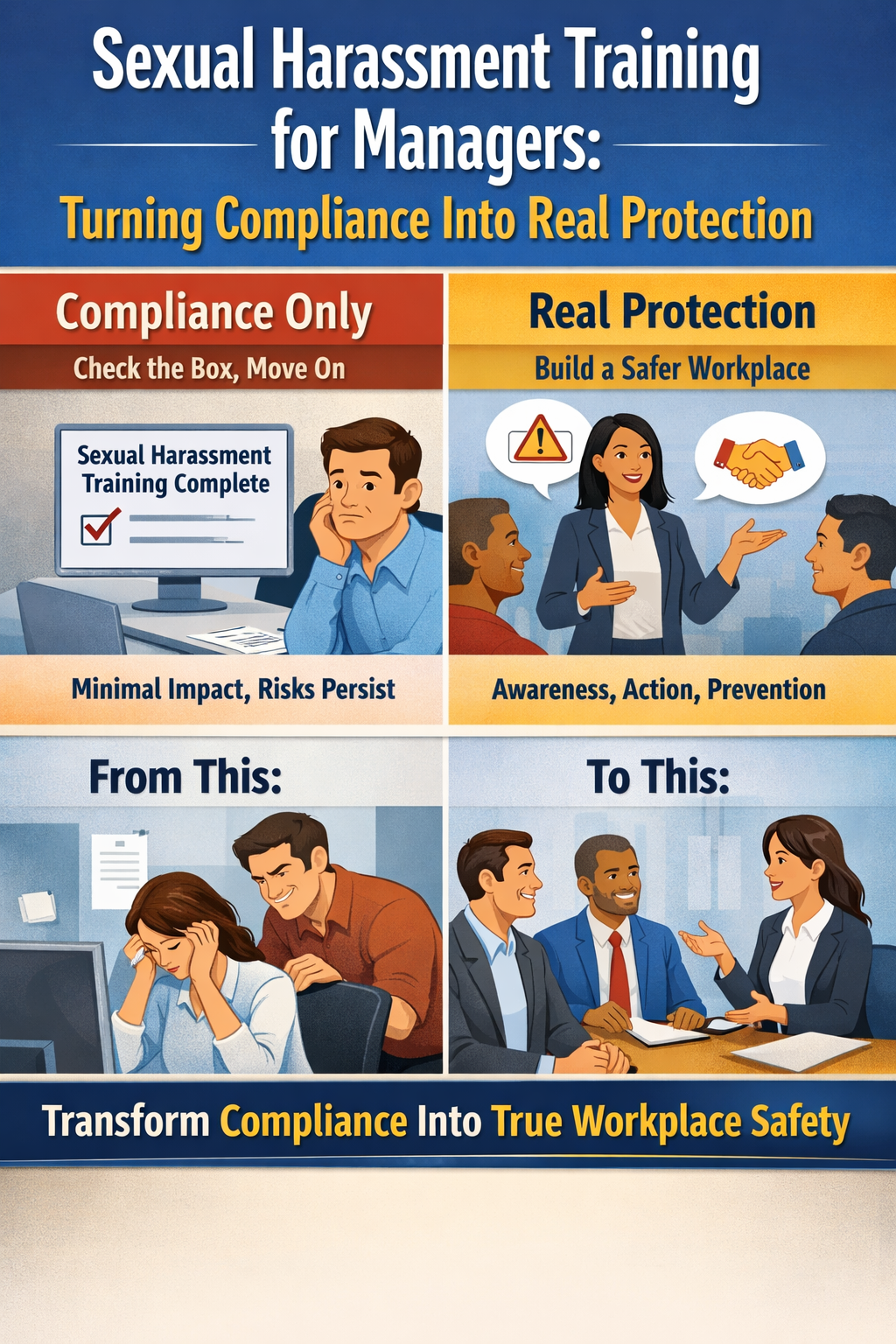
In many organizations, sexual harassment training is treated as a checklist item—something to complete once a year to meet compliance standards. While meeting legal requirements is important, it does not always create real protection for your team or your business. A box checked on a training page does not automatically mean your workplace is safe or your employees are prepared.
The reality is that sexual harassment issues can still happen, even in companies that technically comply with the law. This is where the difference between basic compliance and meaningful protection becomes clear. At Masterly Legal Solutions, we help organizations shift from reactive responses to a proactive approach that truly reduces risk and builds a stronger workplace.
Understanding the Purpose of Sexual Harassment Training
Beyond Legal Requirements
Sexual harassment prevention training is required in many industries and jurisdictions, including areas like California and NYC, where laws are more strict, and employers must understand legal requirements for sexual harassment training that apply to their workforce. These requirements are rooted in protections under the Civil Rights Act and Title VII, which address discrimination and misconduct in the workplace.
However, simply completing a course does not guarantee understanding or behavior change. Effective training must go beyond legal language and focus on real-world application. It should help employees recognize issues, respond appropriately, and understand their responsibilities.
Creating Awareness and Accountability
The goal of sexual harassment prevention is to create awareness and establish accountability across your organization. This includes teaching acceptable behaviors, identifying warning signs, and addressing harassment in the workplace before it escalates.
When done correctly, training helps ensure that everyone—from entry-level staff to leadership—understands how to maintain a respectful and safe environment.
The Role of Managers in Workplace Protection
Why Managers Are Key to Prevention
While all employees benefit from sexual harassment prevention training, managers and supervisors play a critical role in enforcing policies. They are often the first point of contact when issues arise.
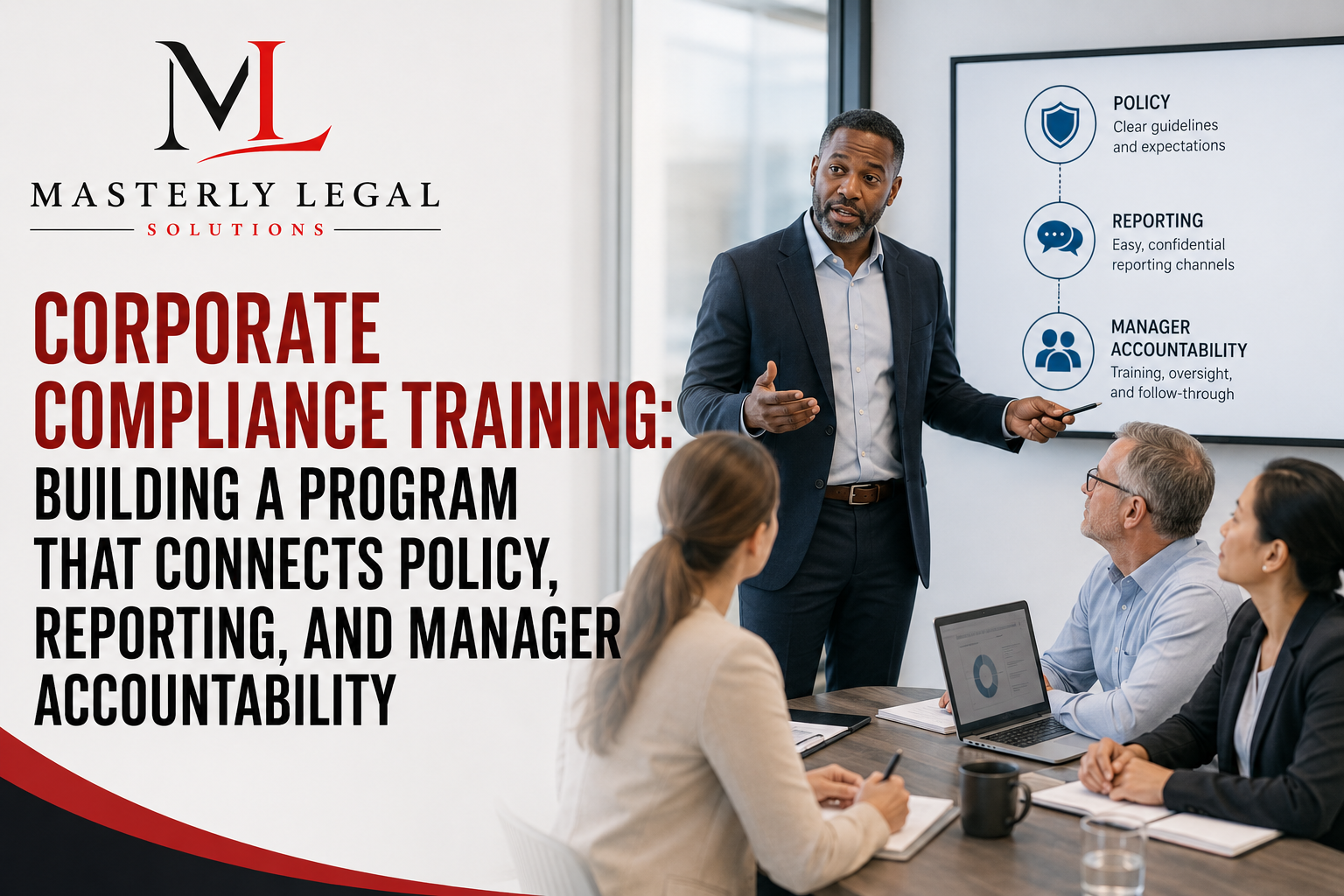
Managers must understand how to respond to concerns, document incidents, and take appropriate corrective measures, since manager accountability in sexual harassment prevention is often central to whether an organization meets its legal and ethical obligations. Without proper training, even well-intentioned leaders may mishandle situations.
Responsibilities That Cannot Be Ignored
Managers are responsible for:
- Recognizing early signs of workplace harassment
- Responding to complaints without delay
- Preventing retaliation against a victim
- Maintaining accurate records of incidents
These responsibilities require more than basic knowledge—they require practical skills and confidence.
Turning Training Into Real Protection
Moving From Theory to Practice
Effective sexual harassment training should not feel like a passive experience. Instead, it should actively engage participants and provide realistic scenarios.
A strong course will not only cover the basics but also highlight the benefits of regular sexual harassment training for both employees and leadership, and it will:
- Teach how to handle difficult conversations
- Provide clear guidelines for reporting
- Offer tools for conflict resolution
- Reinforce proper conduct in everyday situations
This approach helps ensure that training leads to action, not just awareness.
Addressing Real Workplace Scenarios
Every workplace is different, and harassment can take many forms, which is why many organizations rely on HR consulting services and training to design programs that fit their specific structures and risks. Training should reflect the specific challenges faced by your organization, whether in education, corporate settings, or public service.
By tailoring content, organizations can better prepare their teams to handle real situations effectively.
The Importance of Accessibility in Training
Online Training and Flexibility
Modern online training platforms make it easier for employees to participate from anywhere, and partnering with a firm that offers custom legal training and employment law services can help you build programs that are both accessible and compliant. Whether using a computer or a mobile device, participants can complete training at their own pace.
This flexibility is especially important for organizations with remote teams or multiple locations across other states, including higher education institutions that must coordinate higher education compliance and training needs across campuses.
Ensuring Inclusivity Through Language Options
Offering training in multiple languages, including Spanish, helps ensure that all workers can fully understand the material. Accessibility features like closed captioning also make training more inclusive.
These elements are not just optional—they are essential for creating a truly effective program.
Tracking Progress and Maintaining Records
The Role of Certificates and Documentation
Providing a certificate upon completion of training serves as proof that employees have met requirements. These certificates should be stored as part of your organization’s records.
Maintaining accurate records and aligning them with a well-drafted employee handbook and workplace policies is critical for demonstrating compliance and protecting your organization in the event of a claim.
Using Technology to Stay Organized
Digital systems allow organizations to save and manage electronic training records efficiently, and in more serious matters they can support outside counsel conducting internal investigations into alleged misconduct. Whether accessed through a secure platform or stored locally, these records should be easy to retrieve.
Organizations may also choose to print copies for additional documentation.
Addressing Workplace Culture and Morale
Building a Respectful Environment
A strong sexual harassment prevention policy is only effective if it is supported by a positive workplace culture. Training should emphasize respect, communication, and shared values.
When employees feel safe and supported, overall morale improves, and productivity increases.
Preventing a Hostile Work Environment
Without proper training, issues can escalate into a hostile work environment, creating legal and operational challenges. Early intervention is crucial in preventing these situations.
Legal Implications and Risk Management
Understanding the Legal Landscape
Failing to address sexual harassment can lead to serious consequences, including lawsuits and financial penalties. Employers must understand their obligations under federal and state laws.
In some cases, individuals may be forced to take legal action if issues are not properly handled.
Reducing Organizational Risk
A well-structured training program helps reduce legal risk by ensuring that employees and leadership understand their roles and responsibilities, and it often works best when paired with strategic business consulting for organizational risk management.
Providing Support and Resources
Technical Support and Assistance
Effective training programs should include access to technical support to help users navigate the system. This ensures a smooth experience for all participants.
Encouraging Open Communication
Organizations should create an environment where employees feel comfortable raising concerns. This includes providing clear channels for reporting and addressing issues promptly.
Practical Steps for Implementation
What Effective Training Includes
A strong program will include:
- Interactive modules accessible on a mobile device or computer
- Real-life scenarios and case studies
- Clear explanations of policies and procedures
- A certificate upon completion
These elements help ensure that training is both engaging and effective.
Keeping Training Up to Date
Regular updates are necessary to reflect changes in laws and best practices. Training should be reviewed and refreshed to ensure continued effectiveness.
Creating a Long-Term Strategy
Investing in Ongoing Education
Sexual harassment prevention is not a one-time effort. Ongoing training helps reinforce key concepts and adapt to evolving workplace dynamics.
Aligning Training With Organizational Goals
Training should align with your organization’s mission and values, supporting long-term growth and stability.
Taking Action Before Issues Arise
The Cost of Waiting
Waiting until a problem occurs can lead to costly consequences. Proactive training helps prevent issues before they escalate.
Making Prevention a Priority
By prioritizing sexual harassment prevention, organizations can create safer environments and protect their reputation.
Partnering With the Right Legal Team
Why Expertise Matters
At Masterly Legal Solutions, our firm brings extensive experience in helping organizations navigate complex workplace issues. We provide tailored solutions that address your specific needs.
Supporting Your Organization’s Success
Our approach focuses on practical strategies that help organizations achieve successful outcomes and maintain compliance.
Speak With Us About Your Training Needs
Take the Next Step Toward Protection
If your organization is ready to move beyond basic compliance and create real protection, now is the time to act. Effective training can make a lasting difference.
Strengthening Workplace Training and Knowing When to Seek Legal Guidance
Effective workplace harassment training is a critical part of any organization’s broader workplace training strategy, especially when addressing sensitive issues like sexual misconduct. Employees who feel they have been sexually harassed need clear guidance on how to report concerns and what steps will follow. In situations where behavior may be considered illegal, organizations should also encourage individuals to seek legal advice to fully understand their rights and options. For some employees, this may be their first time navigating such a situation, and having clear, accessible resources can make a significant difference. A supportive environment helps ensure that concerns are taken seriously and addressed appropriately.
Creating Flexible Training That Meets Different Needs
Organizations should recognize that training needs are not the same for everyone. Some employees may have limited experience with workplace policies, while others may prefer more advanced or scenario-based learning. Providing options allows teams to explore training materials in a way that fits their learning style and comfort level. This flexibility helps ensure that all employees understand expectations, feel confident in reporting concerns, and are better prepared to contribute to a respectful workplace.
Contact Us for a Free Consultation
If you are searching for guidance on sexual harassment training for employees or want to strengthen your organization’s approach to prevention, we invite you to reach out. Our team is here to answer your questions, review your current program, and help you implement a strategy that truly protects your workplace.
Call (972) 236-5051 to schedule your consultation and learn how we can support your organization. Taking action today can help you build a safer, more respectful workplace for everyone.
This article does not provide legal advice; it is solely intended for educational purposes. For advice tailored to your case, please get in touch with an experienced lawyer.


Looking for Legal & Business Solutions? Contact Us Now
Fill in the form or call us to set up a meeting