

Ways to Report a Compliance Issue Include Early CPS Intervention Risks Families Overlook
Families rarely expect that a routine compliance report or internal concern could lead to involvement from Child Protective Services. Most parents assume CPS only becomes involved in extreme situations involving clear danger. In reality, compliance reporting pathways can trigger CPS investigations much faster than families anticipate. Understanding how this happens is critical for protecting parental rights, family stability, and a child’s well being.
At Masterly Legal Solutions, we help families navigate CPS involvement with clarity and preparation, not panic. Our work focuses on administrative defense and proactive strategy, especially when CPS involvement begins quietly through compliance reporting. This article explains how certain reporting pathways can escalate into CPS investigations and what families should watch for early.
Understanding Compliance Reporting in Everyday Contexts
Compliance reporting exists across many systems, including schools, healthcare providers, employers, and social service organizations. These systems rely on structured compliance processes to meet regulatory requirements and demonstrate accountability. While compliance reporting often focuses on operational or financial issues, it can also overlap with child welfare concerns.
When reports touch on safety concerns, living conditions, or caregiving practices, child protective services may become involved. Families often do not realize that compliance obligations can intersect with CPS investigations. Awareness is the first step toward protection.
Ways to Report a Compliance Issue Include More Than Internal Channels
Ways to report a compliance issue include internal reporting systems, external regulatory bodies, and third-party oversight mechanisms. These pathways are designed to ensure regulatory adherence and reduce risk. However, once a report leaves an internal system, families lose control over how the information is shared.
Reports involving children may be forwarded to protective services without notice. This can occur even when the original intent was compliance, not punishment. Families should understand how reporting channels function before issues arise.
How Compliance Reporting Can Lead to CPS Involvement
Compliance reporting becomes a CPS concern when information suggests abuse or neglect. Even vague references to unsafe living conditions or supervision issues can trigger a CPS investigation. Once CPS receives a report, it must follow the CPS process outlined by state guidelines.
CPS workers are required to investigate reports that meet statutory thresholds. This obligation means CPS involvement may occur even when families believe the situation was resolved internally. Understanding this trigger helps families respond strategically.
The Role of Child Protective Services in Compliance-Based Referrals
Child protective services evaluates reports based on child’s safety, not organizational intent. CPS does not assess whether a report was meant as a compliance measure or a formal accusation. The agency focuses on whether abuse or neglect may have occurred.
CPS investigations are governed by strict timelines and procedures. Once opened, CPS investigators must complete investigations regardless of how the report originated. This procedural reality surprises many families.
Why Families Often Overlook Early CPS Risks
Families often assume that compliance reports stay within organizations. They may not realize that data privacy reports, financial compliance reports, or operational compliance reports can be shared across regulatory bodies. This sharing can introduce CPS into situations unexpectedly.
The lack of transparency around data collection and reporting contributes to confusion. Families should understand that reports may reach multiple agencies. Early awareness reduces shock and improves preparedness.
Understanding CPS Investigations Triggered by Compliance Reports
A CPS investigation triggered by compliance reporting follows the same investigation process as other cases. CPS workers assess risk factors, interview family members, and evaluate the child’s home environment. The origin of the report does not limit CPS authority.
This means compliance-related CPS investigations can escalate quickly. Without preparation, families may unknowingly provide information that broadens the investigation. Strategic response matters from the first interaction.
Risk Assessment and CPS Decision-Making
Risk assessment is central to CPS investigations. CPS evaluates whether the child faces immediate risk, potential future harm, or ongoing safety concerns. These assessments drive decisions about safety plans, voluntary services, or court orders.
Risk management within CPS prioritizes child protection, sometimes at the expense of family context. Families must understand how risk factors are interpreted to protect their position.
How Safety Concerns Are Identified
Safety concerns may arise from reports involving supervision, housing conditions, substance use, or domestic violence. CPS evaluates whether these issues affect the child’s safety directly. Even minor concerns can be viewed differently when documented in compliance reporting.
Once safety concerns are identified, CPS may require a safety plan. Families should understand the implications before agreeing to any plan.
Safety Plans and Their Long-Term Impact
A safety plan outlines steps families must follow to address CPS concerns. These plans may involve restrictions on caregivers, supervision requirements, or service participation. Although safety plans are often presented as voluntary, they carry serious consequences.
Safety plans become part of the CPS case record. Violating a plan can lead to court involvement or foster care placement. Legal counsel helps families evaluate whether a safety plan is appropriate.
Voluntary Services Versus Court-Ordered Actions
CPS may offer voluntary services to address concerns without immediate court intervention. These services may include counseling, parenting education, or referrals to community resources. Voluntary services can be beneficial but should be approached carefully.
Once services are accepted, compliance is monitored. Families should understand how participation affects their CPS case and future compliance status.
When CPS Seeks Court Orders
If CPS believes voluntary measures are insufficient, it may seek a court order. Court orders authorize actions such as temporary custody or mandated services. This marks a significant escalation in the CPS investigation.
Court involvement shifts decision-making to a judge. At this stage, legal representation becomes critical to protect parental rights.
Temporary Custody and Foster Care Risks
Temporary custody decisions can result in a child’s removal from the home. CPS may place a child with relatives or foster care when immediate risk is identified. These decisions are often based on early impressions formed during investigations.
Once foster care placement occurs, reunification can take time. Preventing unnecessary removal begins with early preparation and strategic communication.
Criminal Investigations and Compliance Reporting
Some compliance reports overlap with criminal investigation processes. Allegations involving child abuse or sexual abuse may prompt police reports. Information shared during CPS investigations may be reviewed by law enforcement.
Families should be cautious when criminal investigations are possible. Statements made during CPS interactions can have broader consequences.
Data Privacy and Compliance Reporting Risks
Data privacy reports and data breaches can inadvertently expose sensitive family information. Protecting sensitive information is essential when compliance reporting involves children. Regulatory requirements often mandate data sharing across agencies.
Families should understand how data protection laws apply to compliance reporting. Misunderstandings about data privacy can increase exposure to CPS scrutiny.
Internal Controls and Compliance Efforts
Organizations rely on internal controls to manage compliance obligations. These controls aim to ensure accuracy, reduce human error, and demonstrate regulatory adherence. However, internal controls do not always prevent external referrals.
When compliance managers submit detailed compliance reports, they may not anticipate CPS involvement. Families should understand how internal compliance efforts affect external outcomes.
Audit Findings and CPS Referrals
Audit findings related to safety, supervision, or operational deficiencies may trigger CPS referrals. Regulatory bodies may forward audit findings to child protective services. This occurs even when the organization addresses the issue internally.
Families should be aware that audit findings can have unintended consequences. Understanding this risk supports informed decision-making.
Regulatory Bodies and CPS Information Sharing
Regulatory bodies often share information with CPS to ensure child welfare. This information sharing is part of broader risk management strategies. Families rarely receive advance notice when reports are shared.
Understanding how regulatory bodies interact with CPS helps families anticipate involvement. Preparation reduces disruption.
Investigating Allegations and CPS Authority
CPS investigators are tasked with investigating allegations thoroughly. They interview parents, children, and other responsible parties. Their findings influence CPS decisions and court proceedings.
CPS investigator reports carry significant weight. Families should approach interactions thoughtfully and with guidance.
Parental Rights During CPS Investigations
Parental rights remain intact unless restricted by court order. Parents have the right to understand allegations, seek legal representation, and participate in decision-making. These rights are protected under family law.
Understanding parental rights empowers families to respond appropriately. Knowledge prevents unnecessary concessions.
Child’s Safety Versus Family Stability
CPS balances child’s safety with family preservation. However, risk-averse practices sometimes prioritize intervention over context. Families must advocate for balanced consideration.
Protective services aim to support families, but intervention thresholds can vary. Legal advocacy helps maintain fairness.
Juvenile Dependency Court and Compliance-Based Cases
Cases that escalate to juvenile dependency court involve formal proceedings. Judges evaluate CPS actions, compliance status, and evidence presented. Court hearings shape long-term outcomes.
Understanding court proceedings helps families prepare. Administrative defense strategies remain important even in court settings.
The Role of Legal Representation
Legal representation provides structure during CPS investigations. An experienced attorney helps families understand compliance reporting risks, respond to CPS inquiries, and protect their interests. Legal counsel ensures communication aligns with long-term goals.
Early representation often prevents escalation. Proactive guidance creates options.
Administrative Defense Versus Litigation
Masterly Legal Solutions focuses on administrative CPS defense rather than fear-driven litigation. Our approach emphasizes preparation, clarity, and strategic compliance management. This helps families resolve CPS cases efficiently.
Administrative defense prioritizes resolution and family stability. Litigation is not always necessary.
Understanding CPS Case Outcomes
CPS case outcomes may include administrative closure, ongoing services, or court involvement. Investigation results affect future compliance status and central registry records. Families should understand what outcomes mean.
Administrative closure does not erase records entirely. Awareness helps families plan ahead.
The Central Registry and Long-Term Impact
Some CPS findings are recorded in the central registry. These records can affect employment, licensing, and future investigations. Preventing unnecessary findings is critical.
Strategic response early in the investigation helps avoid long-term consequences.
Protecting Well Being During CPS Investigations
CPS involvement affects emotional and mental well being. Stress, uncertainty, and fear can strain family relationships. Protecting well being is part of effective defense.
Professional support and clear guidance reduce emotional harm.
Ensuring Accountability in Compliance Reporting
Compliance reporting aims to ensure accountability and regulatory adherence. However, accountability should not come at the cost of fairness. Families deserve transparency and proportional response.
Understanding reporting systems helps families protect themselves.
Valuable Insights Through Preparation
Preparation provides valuable insights into CPS expectations and compliance processes. Families who understand reporting pathways make better decisions. Knowledge reduces risk.
Strategic preparation is key.
Planning Ahead to Reduce CPS Risks
Families can reduce CPS risks by understanding compliance obligations and reporting systems. Awareness of risk factors and regulatory changes supports proactive planning. Preparation prevents crisis response.
Long-term planning supports family stability.
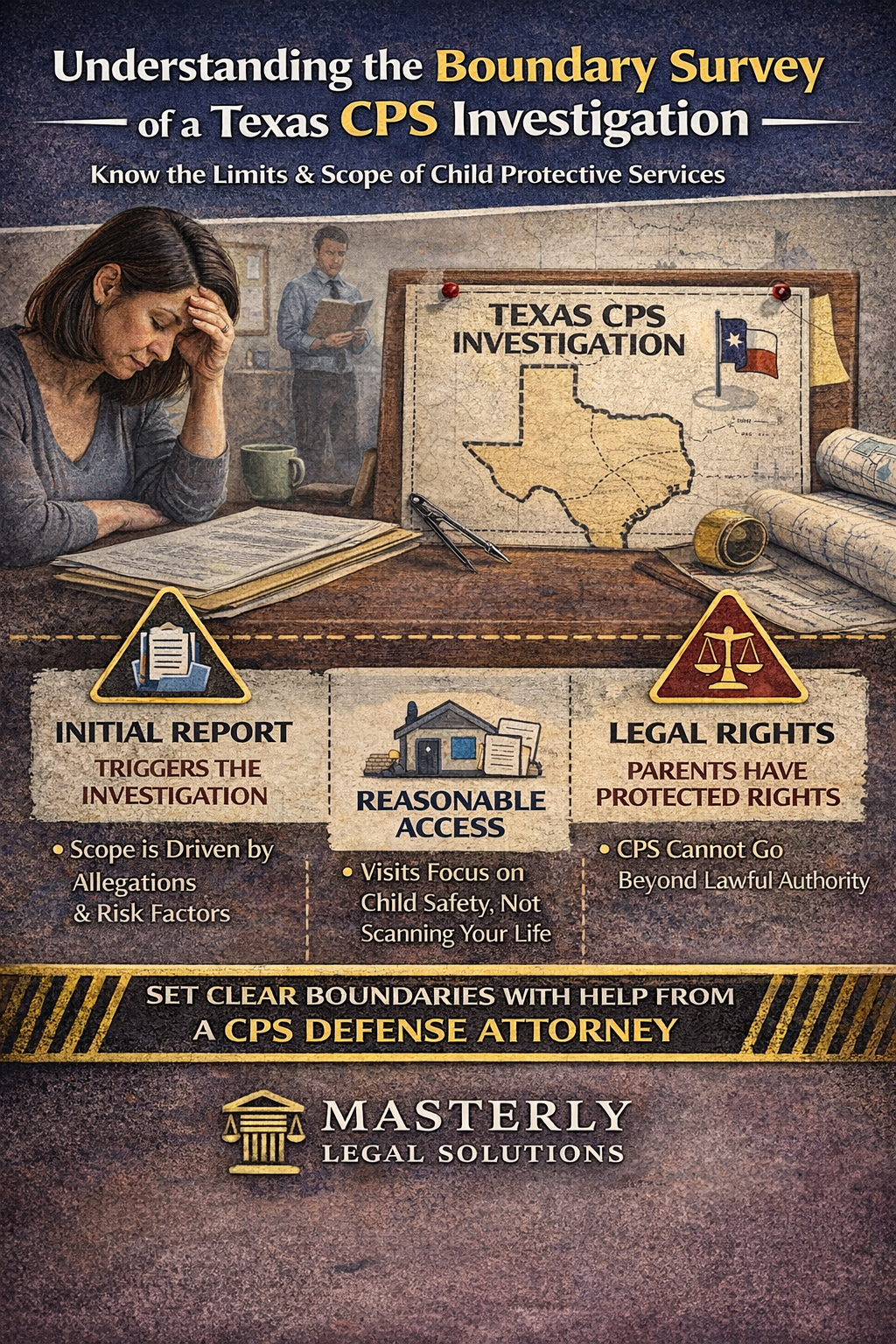
How a Comprehensive Compliance Report Can Influence CPS Involvement
A comprehensive compliance report often brings together information from multiple systems, departments, and observations into a single record. While these reports are designed to document compliance initiatives and internal controls, they may also include details that raise concerns about child abuse or neglect. Once shared outside the organization, the report’s content can trigger review by protective services, even when the original purpose was regulatory oversight. Families and caregivers should understand how a comprehensive compliance report can unexpectedly expand scrutiny beyond business operations.
Understanding an Organization’s Compliance Status and External Exposure
An organization’s compliance status reflects how well it meets regulatory and operational standards at a given time. When compliance status is questioned, regulatory bodies may look more closely at data, reports, and internal communications. This increased attention can expose non compliance issues that extend beyond administrative matters. In some cases, this scrutiny may lead to referrals involving family-related concerns.
Compliance Initiatives and Their Broader Impact
Compliance initiatives are often implemented to improve accountability, reduce risk, and demonstrate organizational adherence to regulations. While these initiatives are well-intentioned, they can create extensive documentation that is later shared with relevant stakeholders. If compliance initiatives involve programs connected to child services, education, or healthcare, the resulting records may be reviewed through a child welfare lens. Understanding this broader impact helps families and organizations anticipate potential outcomes.
Financial Reporting and Its Role in Compliance Reviews
Financial reporting is a core component of compliance and risk management. Reports that track funding, reimbursements, or services provided may include information about families, caregiving arrangements, or service usage. When financial reporting intersects with protective services oversight, details may be interpreted as indicators of neglect occurred or unmet needs. This crossover often surprises families who expected financial data to remain administrative.
The Role of Relevant Stakeholders in Compliance Decisions
Relevant stakeholders may include administrators, compliance managers, regulators, and external auditors. Their role is to review reports, assess risk, and ensure legal requirements are met. However, once stakeholders identify potential non compliance or safety issues, they may be obligated to escalate concerns. Families should be aware that multiple parties may influence how information is shared and interpreted.
When Compliance Reviews Identify Child Abuse or Neglect Concerns
Compliance reviews sometimes uncover information suggesting child abuse or neglect, even when that was not the initial focus. References to supervision gaps, housing instability, or unmet medical needs may prompt further inquiry. Once these concerns are documented, protective services may be notified. Understanding how this escalation occurs helps families respond more effectively.
How Business Operations Can Affect Family-Related Compliance Findings
Business operations connected to childcare, education, or social services often generate detailed records. These records may include attendance, incident reports, or service delivery notes. When business operations intersect with family life, compliance findings can extend into child welfare territory. This overlap is often overlooked until CPS becomes involved.
What It Means When Neglect Occurred Is Alleged in Compliance Materials
Language indicating that neglect occurred carries significant weight in compliance and CPS contexts. Even preliminary or unverified statements can be treated seriously once documented. Such language may lead to formal investigation, regardless of intent. Families should take these references seriously and seek guidance early.
Creating a Comprehensive Overview of Compliance Exposure
A comprehensive overview of compliance exposure helps families and organizations understand where risks exist. This overview includes reviewing reports, communications, and service records for potential triggers. By identifying areas of concern early, families can address issues before escalation. Preparation reduces uncertainty.
Organization’s Adherence and Its Effect on External Review
An organization’s adherence to policies and regulations influences how external agencies respond. Strong adherence may reduce scrutiny, while gaps can invite deeper review. When family-related services are involved, adherence issues may attract attention from child welfare authorities. Understanding this dynamic helps families anticipate involvement.
Maintaining a Child Safe Focus During Compliance Processes
Maintaining a child safe focus is often the stated goal of compliance and protective systems. However, how safety is defined can vary across agencies. Families should understand how safety standards are applied and documented. This awareness helps ensure that safety concerns are addressed without unnecessary intervention.
The Impact on a Child’s Family During Compliance Escalation
When compliance issues escalate, the child’s family often feels the immediate impact. Increased scrutiny, interviews, and service requirements can disrupt routines and relationships. Understanding the process helps families remain grounded and responsive. Support and preparation are critical.
Investor Confidence and Compliance Transparency
For organizations, investor confidence often depends on transparent and accurate compliance reporting. However, transparency can also increase exposure when reports involve sensitive family information. Balancing transparency with protection of individuals requires careful consideration. Families should be aware of how organizational priorities influence reporting decisions.
Identifying Non Compliance Issues Early
Non compliance issues may begin as minor administrative gaps but can grow if left unaddressed. Early identification allows for resolution before escalation. When non compliance relates to services involving children, the stakes increase significantly. Awareness supports proactive response.
Understanding Non Compliance and Its Consequences
Non compliance refers to failure to meet established legal requirements or policies. In contexts involving children, non compliance can prompt protective service involvement. Families should understand how these determinations are made and what triggers further action. Knowledge reduces risk.
Reviewing the Report’s Content Carefully
The report’s content is often the foundation for compliance and CPS decisions. Language, tone, and detail matter. Families and organizations should review reports carefully to ensure accuracy and context. Misstatements can have lasting consequences.
Evaluating Services Provided Through a Compliance Lens
Services provided to families, such as counseling or support programs, are often documented for compliance purposes. These records may later be reviewed to assess risk or adequacy of care. Understanding how service documentation is used helps families make informed decisions. Context matters.
Addressing Issues Across Various Departments
Compliance findings often involve input from various departments, including administration, finance, and service delivery. Information shared across departments can create a fuller picture but also increase exposure. Coordination and accuracy are essential. Families should understand how departmental communication affects outcomes.
Implementing Corrective Actions to Reduce Risk
Corrective actions are steps taken to address identified compliance concerns. These actions may include policy changes, training, or service adjustments. Implementing corrective actions promptly can prevent escalation. Documentation of these efforts is important.
Meeting Legal Requirements While Protecting Families
Legal requirements guide compliance processes, but they should not override fairness or context. Families should understand which requirements apply and how they are enforced. Legal guidance helps balance compliance with protection of rights. Knowledge empowers families.
How Compliance Systems Provide Services
Many compliance systems exist to provide services and support families. These systems aim to improve outcomes, not create harm. However, misunderstanding how services are documented and reported can lead to unintended consequences. Awareness helps families engage confidently.
Contact Masterly Legal Solutions
If your family is facing CPS involvement triggered by compliance reporting, understanding how these pathways work can make a critical difference. Masterly Legal Solutions offers a free consultation to help families navigate CPS investigations with clarity and preparation. Our approach focuses on administrative defense, compliance awareness, and professional legal representation. To discuss how ways to report a compliance issue include risks families often overlook, call (972) 236-5051 to schedule your consultation.
Disclaimer: This article is provided for educational purposes only and does not constitute legal guidance or legal advice. Reading this article does not create an attorney-client relationship. For advice regarding your specific situation, consult a qualified attorney.
Teacher Rights When Assaulted by a Special Needs Student: Safety, Reporting and Investigation Issues

Looking for Legal & Business Solutions? Contact Us Now
Fill in the form or call us to set up a meeting





