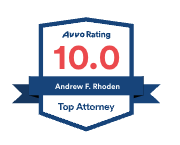

From Allegation to License Revocation: How TEA Investigations Escalate
When a Single Complaint Can Change a Teacher’s Career
For many educators, teaching is more than a profession—it is a lifelong commitment to students and the community. However, when a complaint is filed with a regulatory agency, the situation can quickly become overwhelming. In Texas, the agency responsible for educator oversight may begin an investigation that can ultimately affect a teacher’s license and career. Many teachers do not realize how quickly a situation can escalate if they fail to respond properly during the early stages.
The domino effect often begins with a single allegation involving harassment, discrimination, or alleged misconduct in the workplace. Once a report is made, the agency may begin to investigate the situation, gather statements, and review documentation. During this period, an employee may be placed on administrative leave while the investigation moves forward.
Understanding how the legal process unfolds can help educators take the right steps to protect themselves. With the help of an experienced lawyer, individuals can better understand their rights under federal and state laws designed to protect workers and prevent unlawful treatment.
Understanding the Role of the Texas Education Agency
How the Agency Investigates Complaints
When a report is submitted, the regulatory agency begins reviewing whether the allegation falls within its jurisdiction. The agency may investigate claims involving professional misconduct, inappropriate conduct, or potential violations of professional regulations.
If the allegation meets certain criteria, the agency may open a formal investigation. Investigators gather evidence, review documents, and speak with witnesses. These witnesses may include administrators, a co worker, or students who may have information relevant to the situation.
In some cases, school districts also notify local police if they believe the allegation involves criminal conduct. When police become involved, the situation becomes significantly more serious.
Administrative Leave and What It Means
Why Teachers Are Placed on Administrative Leave
One of the most common early steps in a TEA investigation is placing the employee on administrative leave. This decision is often made while the school district or agency evaluates the circumstances of the complaint.
Administrative leave may be paid or unpaid depending on the circumstances and district policies. In many situations, the educator is placed on paid administrative leave while investigators review the evidence.
Common reasons for administrative leave include:
- Allegations involving student safety
- Claims of harassment or misconduct
- Allegations involving discrimination
- Situations requiring further investigation
While administrative leave may appear temporary, it can significantly affect an educator’s reputation and future employment opportunities.
The Domino Effect of Inaction
When Educators Wait Too Long to Seek Guidance
Many teachers believe they can simply wait for the agency to complete its investigation. Unfortunately, inaction often leads to more serious consequences. Failing to respond appropriately during the early stages can result in misunderstandings or incomplete information being recorded in the official record.
For example, an employee who fails to submit a written response may allow investigators to rely solely on statements from others. A co worker or supervisor may provide testimony that becomes part of the official file.
Over time, these records may influence the agency’s final decision.
How Investigations Can Escalate
From Allegation to Formal Action
Once the agency gathers enough information, investigators determine whether further disciplinary steps are necessary. If they believe a potential violation occurred, the case may move forward through the legal process.
In some situations, the agency may recommend sanctions such as:
- Mandatory training
- Suspension of certification
- Restrictions on future hiring
- License revocation
These actions can dramatically impact an educator’s job and long-term career.
The Impact of Workplace Allegations
When Discrimination and Harassment Claims Arise
Many TEA cases begin with allegations related to employment discrimination, harassment, or misconduct. These allegations may involve discrimination based on national origin, disability, or other protected characteristics.
Under federal law, statutes such as Title VII of the civil rights act prohibit discrimination in the workplace. The employment act and other federal statutes also help protect employees against unlawful treatment.
If an employee believes they have been discriminated against, they may pursue discrimination claims through appropriate channels, including the equal employment opportunity commission or EEOC.
Understanding Federal Employment Protections
Laws That Protect Employees
Several federal statutes establish legal protections for workers. These laws ensure employees are treated fairly regardless of personal characteristics such as national origin, age discrimination, or disability.
These protections include:
- Title VII of the civil rights act
- The disabilities act
- Federal regulations addressing employment discrimination
These laws protect employees who may otherwise face unlawful treatment.
The Role of the EEOC and Federal Agencies
The EEOC and other federal agencies enforce laws that address discrimination and retaliation. When employees believe they have been discriminated, they may begin filing a complaint with the EEOC.
The EEOC reviews evidence and determines whether further legal action is warranted. In some retaliation cases, the agency may help employees pursue claims against the employer.
While TEA investigations differ from EEOC proceedings, both processes involve reviewing evidence, witness testimony, and workplace policies.
Retaliation and Workplace Investigations
When Retaliation Becomes a Concern
Retaliation may occur when an employee experiences negative consequences after engaging in protected activity such as filing a complaint or participating in an investigation.
Under federal law, employers must prohibit retaliation against workers who report misconduct or discrimination. Retaliation may include negative evaluations, loss of promotional opportunities, or changes in pay.
In serious cases, retaliation may lead to termination or license consequences.
Family Responsibilities and Career Impact
Educators often face additional pressure because their professional challenges affect their family. When an employee is placed on administrative leave, it may impact financial stability, particularly if the educator is responsible for supporting a family member.
These circumstances can create significant emotional stress. Concerns about reputation, career prospects, and financial obligations may weigh heavily on educators during the investigation.
Understanding available legal protections can help educators make informed decisions about their next steps.
The Importance of Legal Representation
Why an Attorney Matters
A knowledgeable lawyer plays a crucial role during a TEA investigation. An experienced lawyer understands the regulations, procedural requirements, and potential consequences involved in these cases.
A legal advocate can review documents, prepare responses, and ensure the educator’s rights are protected. Without proper guidance, an employee may unknowingly make statements that harm their case.
Working with an experienced lawyer early in the process can significantly improve the outcome.
Gathering Evidence During Investigations
Establishing the Facts
During a TEA investigation, investigators attempt to establish the facts surrounding the allegation. Evidence may include emails, witness statements, and official reports.
For example, the agency may review:
- Statements from a supervisor
- Reports from a co worker
- Documentation from school administrators
- Any police reports related to the allegation
Each piece of evidence helps investigators determine whether disciplinary action is appropriate.
Settlement Negotiations and Case Resolution
Some cases resolve through settlement negotiations before formal disciplinary action occurs. In these situations, the educator and agency may agree on certain conditions.
For example, the educator may agree to additional training or specific employment restrictions. Settlement discussions allow both sides to resolve disputes without lengthy litigation.
However, these agreements should always be reviewed by a qualified lawyer.
Protecting Educators and Their Careers
Taking Action Early
The earlier an educator seeks legal guidance, the better their chances of protecting their career. A knowledgeable lawyer can help clients understand the investigation timeline and develop a strategy for responding.
Waiting too long to seek help can make it harder to correct misunderstandings or present critical evidence.
Taking proactive steps helps educators maintain control of the situation.
When Investigations Lead to License Revocation
If the agency determines that serious misconduct occurred, it may recommend license revocation. This decision can permanently affect a teacher’s ability to work in education.
For many teachers, license revocation represents the most serious possible consequence of a TEA investigation. It can prevent the individual from continuing their profession.
Because of the severity of these outcomes, seeking professional legal support early in the process is essential.
Understanding Rights for Federal Employees and Educators
While TEA investigations typically focus on school professionals, it is important to recognize that similar protections exist for federal employees and other public sector workers. Many employment laws were designed to protect individuals from losing his or her job simply for reporting misconduct or cooperating in an investigation. In some cases, concerns related to immigration status, workplace safety, or discrimination can complicate a case and increase the seriousness of an investigation. The legal definition of retaliation or discrimination often depends on whether the employer took an adverse action against an employee after they engaged in protected conduct. Understanding these protections can help educators recognize when their rights may be at risk.
Maintaining Professional Respect During Investigations
Even during a stressful investigation, maintaining professionalism and respect within the workplace can play an important role in protecting a teacher’s reputation. Investigators may review communications between staff members, including interactions that occurred inside the school office or during meetings with administrators. These details can influence how the case is interpreted and may affect decisions related to discipline or compensation. Because school districts operate as large organizations similar to a company, administrators often examine multiple factors when reviewing allegations and workplace conduct. Approaching the situation calmly and documenting events carefully can help ensure that the investigation moves forward in a fair manner.
Pursuing Fair Outcomes and Professional Justice
When educators face serious allegations, they often feel overwhelmed by the complexity of the legal process. Investigations may involve employment policies, professional standards, and administrative rules that determine how the case progresses. Legal guidance can help teachers understand the factors that investigators consider when reviewing evidence and determining possible outcomes. The goal in these situations is not only to protect a teacher’s career but also to ensure fairness and justice throughout the process. With the right legal support, educators can better navigate the investigation and work toward protecting their professional future.
Contact Masterly Legal Solutions for Help
When an educator becomes the subject of a TEA investigation, the stakes can be incredibly high. Allegations can escalate quickly, especially when administrative leave, disciplinary action, or potential license consequences are involved. Understanding the legal process and protecting your professional reputation requires experienced legal guidance.
At Masterly Legal Solutions, our legal team works closely with educators who are dealing with regulatory investigations, employment disputes, and professional licensing issues. Our attorneys understand the law, the procedures followed by the TEA agency, and the strategies needed to protect your career.
If you are facing a TEA investigation or have been placed on administrative leave, speaking with an experienced attorney arlington educators trust can make a significant difference. Our team provides clear guidance, evaluates your circumstances, and helps develop a plan to defend your rights and professional future.
Call (972) 236-5051 today to schedule a free consultation and discuss your situation with a knowledgeable legal professional.
Disclaimer: This article is provided for informational purposes only and does not constitute legal advice. Reading this content does not create an attorney-client relationship. Individuals facing legal concerns related to employment or professional licensing should consult with a qualified attorney to receive guidance tailored to their specific circumstances.






Looking for Legal & Business Solutions? Contact Us Now
Fill in the form or call us to set up a meeting