

How a CPS Home Visit in Dallas Can Impact Your Family’s Future
A knock at the door can change everything when it comes from CPS. For many parents, a CPS home visit is one of the most stressful moments they will ever experience, especially when they have no idea what was reported or why their family is being reviewed. Even if you believe the situation is a misunderstanding, the reality is that a home visit is part of an official investigation, and what happens next can affect your children, your home, and your future. In Dallas, these cases often move faster than families expect, and small decisions made under pressure can lead to bigger problems.
At Masterly Legal Solutions, we understand that families are not perfect. Real life includes exhaustion, financial stress, messy houses, injuries from sports, and emotional moments that do not reflect abuse or neglect. But Child Protective Services may not see your everyday reality the way you see it. A CPS visit can create a record that follows you through a CPS case, and if you are not prepared, that record can become the foundation for court involvement, service plans, or even removal.
This article explains how a home visit in Dallas can impact your rights, your children, and your long-term outcome. Our goal is to help you understand what CPS is looking for, how protective services operate, and what you can do to protect your family. If you are facing a situation involving child abuse, suspected neglect, or a report that could lead to a court case, the safest step is to talk to an attorney early. A clear plan can reduce fear, prevent mistakes, and protect what matters most.
What CPS Is and Why They Show Up at Your Home
CPS is often used as a general term, but it is connected to a larger system of family and protective services across Texas. When people make reports about possible abuse or neglect, Child Protective Services may open a case to determine whether a child’s safety is at risk. This does not always mean a family has done something wrong, but it does mean the situation is now documented. That documentation can shape what happens next, even if the allegations are not proven.
CPS typically becomes involved after someone reports a concern about children. The report could come from a neighbor, a school, a daycare, a doctor, or even someone in the extended family. Sometimes the report is made in good faith, and sometimes it is made out of anger or conflict. Regardless of why the report happened, CPS may move forward with an official review.
Families often ask, “Do they have to come inside?” The answer depends on the facts, the level of risk, and whether CPS has a court order. Understanding your rights in a home visit is one of the best ways to protect yourself in Texas law.
Why CPS Dallas Cases Can Feel So Overwhelming
A CPS visit can feel like you are being judged immediately. Many families in Dallas feel nervous, embarrassed, and afraid the caseworker will assume the worst. It is common for parents to feel like they must say “yes” to everything just to make the visit end. Unfortunately, stress can lead to rushed decisions that create confusion or open the door to more questions.
In Dallas, CPS investigations can involve multiple agencies and documentation systems. There may be calls to schools, medical providers, and other professionals. CPS can also request interviews with children or other adults in the home. Even when the case started small, the process can grow quickly.
This is why you should treat a home visit as a legal matter, not a casual conversation. The statements you make, the details you share, and the way your home appears can all become part of the case file. In CPS cases, the record is powerful.
The Texas Department and the Department of Family System Behind CPS
CPS is part of a broader structure often connected to the Texas Department of Family and the department of family services. The full system is often described as the Texas Department that handles child welfare concerns, including investigations, safety plans, and service requirements. You may also hear the phrase department of family and protective services used when describing the agency.
These agencies operate under policies and guidelines that shape how an investigation works. They are expected to respond to reports, assess risk, and take action to ensure child safety. Sometimes that action is minimal, like closing a case. Other times it includes ongoing monitoring or court involvement.
Families often feel confused by the terminology. They hear “department,” “division,” “caseworker,” and “protective services” without understanding what each person does. When you understand how the system is structured, you can make better decisions during the process.
What a CPS Investigation Means in Texas
A CPS investigation is the formal stage where CPS reviews the report and decides whether the concerns are supported. The purpose is to evaluate risk, identify safety issues, and determine whether CPS needs to remain involved. This is not just a single visit—it may include interviews, document requests, and follow-ups. CPS may speak to children, caregivers, or other people who live in the home.
In Texas, a CPS investigation can also involve checking records and contacting outside sources. CPS may review medical records, school attendance, or prior history. Even if your family has never dealt with CPS before, the investigation can still be intense. This is especially true if the report includes serious allegations such as physical harm, dangerous conditions, or suspected child abuse. If you are an educator facing similar investigations related to misconduct in North Carolina, specialized legal support is available.
If you are being investigated, it is important to take the situation seriously. Do not assume it will “clear up” on its own. A well-planned response can shape the final result.
The Role of a CPS Caseworker During a Home Visit
A CPS caseworker is the person assigned to evaluate the report and gather information. The caseworker may ask to see your home, speak to your children, and discuss concerns with parents. They may also ask questions that feel personal or uncomfortable. Even if they seem friendly, they are documenting the case and forming opinions that influence the outcome.
It is important to remember that the caseworker’s job is not to take your side. Their job is to assess risk and protect children. That can sometimes mean they interpret your stress or frustration as defensiveness. It can also mean they misunderstand what is happening in your home.
A caseworker may also request information quickly. They may ask for names, schedules, medical details, or explanations about injuries. When you are overwhelmed, you might speak without thinking, and that can create inconsistencies. Preparing for the visit helps you stay calm and focused.
Why the Home Visit Matters More Than Most Parents Think
A home visit is not simply a wellness check. It is often the most important moment in the early phase of a CPS case. The caseworker’s first impressions can influence whether the case escalates or ends. The home visit also helps CPS decide whether your children are safe where they are.
During the home visit, CPS may observe living conditions, supervision patterns, food availability, and general safety. They may ask about routines, discipline, or family history. Even if a home is safe, the caseworker may note things that concern them, such as clutter, stress, or unfinished repairs. Those notes can become part of the official file.
Many parents do not realize how fast these cases can change. A simple home visit can become a larger investigation if CPS believes the situation meets certain criteria. This is why families should approach the visit thoughtfully.
Common Reasons CPS Gets Involved in Dallas Families
CPS cases start with reports, and those reports vary widely. Some are based on serious concerns, while others are based on misunderstandings. In Dallas, common reasons CPS becomes involved include claims of child abuse, suspected neglect, domestic conflict, drug exposure, or unsafe supervision. CPS may also respond to situations involving medical concerns, school issues, or allegations from family members.
Some cases involve:
- Alleged physical discipline that leaves marks
- Claims of inadequate supervision of children
- Reports of unsafe home conditions
- Concerns about substance use around children
- Allegations of emotional harm or threats
- Conflicts between parents during custody disputes
Even when a claim is not accurate, the investigation process still happens. That is why families should focus on how to protect themselves legally and practically.
Understanding Child Abuse Allegations and How CPS Evaluates Them
Child abuse allegations are taken extremely seriously. CPS will usually move quickly when reports mention injury, sexual harm, or severe neglect. Even when an injury is accidental, the caseworker may ask questions to determine whether the explanation makes sense. Parents may feel offended, but CPS is required to consider multiple possibilities.
CPS may look at patterns, not just a single event. They may consider whether the child has had frequent injuries or whether medical care was delayed. They may also compare what the parent says to what the child says. If there are inconsistencies, CPS may treat the case as higher risk.
It is important to stay calm in these moments. Overreacting, yelling, or blaming others can make the caseworker suspicious. A respectful, stable approach helps you protect your family.
Abuse and Neglect: How CPS Uses These Terms
Many people think abuse and neglect have obvious meanings, but CPS definitions can be broader than families expect. Neglect may include failure to supervise, unsafe living conditions, failure to provide food or medical care, or exposing children to dangerous environments. Abuse may include physical harm, emotional harm, sexual harm, or threatening behavior.
Families often worry that poverty will be treated as neglect. While CPS should focus on safety, they sometimes interpret a lack of resources as a risk factor. That is why it can help to show what you are doing to keep children safe, even when life is difficult.
A CPS case can escalate if CPS believes there is ongoing risk. In many situations, the issue is not whether the home is perfect. It is whether CPS believes the child’s safety is secure.
Child's Safety and the “Risk” Lens CPS Uses
CPS decision-making is often based on “risk.” This means they look at what could happen, not just what did happen. Parents may feel frustrated because CPS focuses on possibility instead of proof. But CPS is trained to prioritize prevention, especially when children may be vulnerable.
Child’s safety is a key phrase in caseworker documentation. They may describe safety threats, protective factors, and concerns about supervision. They may also evaluate whether parents respond responsibly when challenges happen. A parent who is calm, organized, and cooperative can help reduce perceived risk.
However, cooperation should not mean giving up your rights. Protecting your family includes being wise about what you share and when. If you are unsure, legal guidance can help you avoid mistakes.
The Impact of Reports on Your CPS Case
CPS investigations begin with reports, and the details in the report often shape everything that follows. Sometimes reports contain incorrect information, misunderstandings, or exaggerations. Still, CPS will treat the report as a reason to investigate. The caseworker may arrive already expecting to find certain issues.
Parents may feel angry and want to know who reported them. In many cases, CPS will not reveal the reporter’s identity. Focusing on the reporter can distract from the real goal, which is protecting your children and resolving the case.
The smartest approach is to focus on the facts. Identify what CPS believes happened, what evidence exists, and what steps can show your child’s safety. This process is stressful, but a calm strategy can improve the outcome.
What Happens During the First Home Visit in Dallas
In many Dallas cases, the first home visit includes an interview with the parent and observations of the home environment. CPS may ask questions about household members, discipline methods, and children’s daily care. They may request to see sleeping arrangements and food supplies. They may also want to speak to children privately.
Parents often feel pressured to answer quickly. But you are allowed to take a moment and think. You are also allowed to ask what the allegation is. Understanding the concern helps you respond more clearly.
The caseworker may take notes or use electronic devices to record information. They may also request documents later. Treat the first visit as the beginning of a record that can affect your future.
Do You Have to Let CPS Into Your Home?
One of the biggest questions families ask is whether CPS can enter the home without permission. If CPS does not have a court order, you may have the right to decline entry. However, refusing entry may lead CPS to become more suspicious and may encourage them to seek a court order. Every case is different, and the best decision depends on the facts.
Some families feel safer allowing entry to avoid escalation. Others may want to speak to an attorney first. The key is to understand that the choice has consequences either way. In some situations, allowing entry can help show there is no safety issue. In other situations, it may create risk if the home environment is misunderstood.
Before making a decision, consider talking with a lawyer who understands CPS cases. Legal guidance helps families protect themselves without triggering unnecessary conflict.
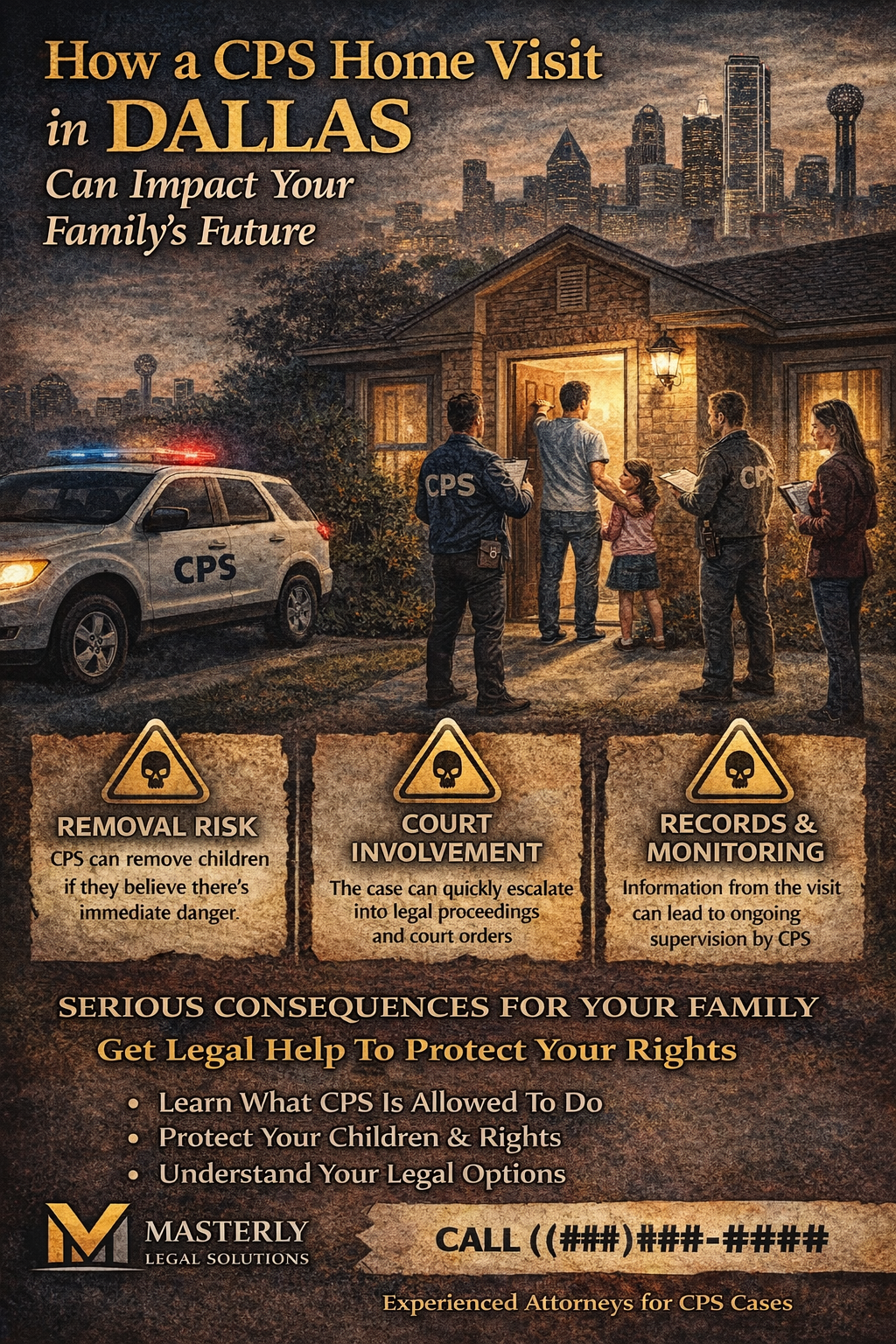
When CPS Can Remove Children Without Warning
Removal is one of the most feared outcomes in a CPS case. Families worry about losing their children overnight. CPS may remove children if they believe the child is in immediate danger. Removal can also happen with a court order, depending on the circumstances and evidence.
If removal happens, the case may involve temporary placement with relatives or foster care. CPS may also request a court hearing quickly after removal. These moments move fast, and parents often feel like they have no time to respond.
If you believe removal is possible, early legal help is critical. An attorney can help protect your rights and represent your interests in court. The goal is to keep children safe while keeping families together whenever possible.
Foster Care and Foster Placement Risks
When children are removed, placement may involve foster care or temporary foster placement. Even when the placement is meant to be short-term, it can be traumatic for children and parents. Children may be separated from siblings, moved to unfamiliar environments, and forced to adjust quickly. Parents may have limited access and feel powerless.
Families often assume that once CPS is involved, foster placement is unavoidable. That is not always true, but the risk increases if CPS believes the home is unsafe. That is why early action matters. Preventing removal is often easier than reversing removal.
When foster care becomes part of a case, the legal and emotional stakes rise dramatically. Parents should take immediate steps to protect their rights and pursue reunification as fast as possible.
Court Involvement and Court Orders in CPS Cases
When CPS escalates a case, court involvement may occur. CPS may request a court order to remove children, require services, or restrict contact. Court involvement can feel overwhelming, especially for parents who have never been in court before. The paperwork, deadlines, and hearings can move quickly.
Court decisions can shape the entire future of a family. Courts may order service plans, supervised visitation, or specific conditions for reunification. Parents may feel like they are being judged without being understood. This is where strong representation becomes essential.
An attorney can help you understand what the court expects and what steps matter most. A clear plan can improve outcomes and reduce long-term harm.
Why Your Words Matter During a CPS Investigation
During a CPS case, your words are evidence. Parents often talk to the caseworker as if it is a casual conversation. In reality, everything you say may be documented. If your statement changes later, CPS may interpret that as dishonesty, even if the change was due to stress or confusion.
Some parents over-explain because they feel nervous. Others become defensive because they feel attacked. Both responses can cause problems. The best approach is calm, respectful, and focused on facts.
If you are unsure what to say, that is a sign you should seek legal advice. Strategic communication can protect your family and prevent misunderstandings.
Mistakes Parents Make During CPS Home Visits
Parents often make mistakes during home visits because they are scared. These mistakes are understandable, but they can create unnecessary risk. Common errors include yelling, refusing to cooperate in any way, giving inconsistent information, or volunteering too many details. Some parents try to “prove” their innocence by talking too much.
Other mistakes include cleaning up evidence, deleting messages, or coaching children on what to say. Even if the parent means well, CPS may view these actions as suspicious. The safest approach is transparency, stability, and careful planning.
The goal is to protect your family without escalating conflict. A calm response can improve your outcome significantly.
How CPS Evaluates Your Home and Daily Care
CPS may look at cleanliness, safety hazards, and child supervision. They may observe whether children have appropriate clothing, food, and sleeping arrangements. They may also look for signs of dangerous conditions, such as exposed wires, accessible weapons, or unsafe substances. Parents sometimes panic if their home is messy, but mess is not always neglect.
What CPS focuses on is whether children are safe and cared for. They may also look at whether parents understand child needs and respond appropriately. If CPS sees a hazard, they may ask how you plan to fix it. A responsible plan may reduce concerns.
When in doubt, it helps to show that you are willing to protect your children and address concerns responsibly.
How CPS Interviews Children and Why It Matters
CPS may interview children privately, depending on the allegation. Parents often feel uncomfortable with this, but CPS may insist. Children may be asked about discipline, home routines, and whether they feel safe. Sometimes children misunderstand questions, feel nervous, or say things that sound worse than intended.
Parents should avoid coaching children. Coaching can create credibility problems later. Instead, focus on creating a calm environment. Let children answer honestly without pressure.
Children deserve stability during these moments. A case can feel scary for them, even if they do not understand it. Protecting children includes protecting their emotional safety as well as physical safety.
The Difference Between Being Involved and Being Found Responsible
Many parents feel ashamed the moment CPS is involved. But involvement does not automatically mean wrongdoing. CPS can investigate and later close the case. They can also remain involved while requiring services, even without a formal finding of abuse. The system is not always clear to families.
A “reason to believe” finding can create long-term consequences. A closed case may still be documented. Parents should ask about the status of the case and what outcome CPS is pursuing. Understanding the difference can help you plan.
If you are unsure what CPS is doing, do not wait. Get clarity early, because the record can shape the future.
Why CPS Cases Can Affect Employment, Housing, and Reputation
A CPS investigation does not exist in isolation. Families may experience workplace consequences if employers learn about the case. Some parents worry about professional licensing or background checks. Others worry about housing issues or custody disputes. The case can create stress across every part of life.
CPS documentation can also become part of legal disputes in family court. A CPS case may influence custody outcomes, visitation decisions, or protective orders. This is why families should treat the matter seriously from day one.
Protecting your children includes protecting the future stability of the family. A careful legal strategy helps reduce long-term harm.
Dallas, Plano, Denton, and Arlington: Regional Issues in CPS Cases
Families across the metroplex often face similar pressures, whether they live in Dallas, Plano, Denton, or Arlington. The core process is connected to the statewide structure, but local practices can vary. Some caseworkers are more aggressive, while others focus on support services. Families may also face different court schedules and procedural expectations depending on location.
Many families move across city lines for work, childcare, or school. CPS may still track the case across regions and communicate with other departments. This can create confusion for parents who assume moving solves the problem. Moving rarely ends a case if CPS remains involved.
If your family lives anywhere in the metroplex, it is smart to seek local legal guidance with Texas knowledge. That support can improve decision-making.
Fort Worth, Lewisville, and Granbury Families Also Face CPS Pressure
CPS involvement is not limited to one city. Families in Fort Worth, Lewisville, and Granbury also face the stress of unexpected home visits and investigations. Parents may feel targeted, misunderstood, or overwhelmed. These cases often involve the same concerns: child safety, supervision, and allegations of abuse or neglect.
Sometimes families assume CPS only targets certain neighborhoods or lifestyles. The truth is that CPS responds to reports wherever they happen. Any family can be investigated, regardless of income or background. What matters is how the case is handled and what record is created.
If your family is being investigated, you deserve professional support. No family should face these allegations alone.
How the Texas Department of Family and Protective Services Uses Criteria
CPS decisions are often based on criteria and risk assessments. The caseworker may evaluate protective factors, safety threats, and the likelihood of future harm. Parents may feel confused by these terms, but they influence outcomes. CPS often measures whether parents can protect children, respond responsibly, and maintain a safe home environment.
Criteria may include prior CPS history, criminal history, substance concerns, domestic conflict, or safety hazards. Even when a family is stable, a single allegation can trigger an investigation. This is why families must be careful during interviews and visits.
Understanding the criteria helps you respond wisely. It also helps you identify what CPS is focusing on and how to address it.
What Resources CPS Might Offer or Require
CPS may offer or require resources, depending on the case. Some families are offered parenting classes, counseling, or home support services. Others may be required to complete formal service plans. These plans can feel insulting, but CPS often uses them to document risk reduction.
Possible resources may include:
- Parenting education programs
- Counseling or therapy referrals
- Substance evaluation services
- Anger management or conflict resolution support
- Housing or safety planning support
Families should be careful about agreeing to services without understanding the implications. Some services may seem harmless but can become part of ongoing monitoring. Legal guidance helps families decide what is appropriate.
When CPS Asks You to Sign Something
During a CPS case, parents may be asked to sign documents, safety plans, or agreements. These documents can affect the future and may be used later in court. Parents sometimes sign quickly because they want the case to end. That can create unintended consequences.
A safety plan may restrict who can be around children or where children can stay. It may also create expectations that must be followed. If you violate a plan, CPS may treat that as evidence of risk. That is why you must be cautious.
If CPS asks you to sign something, it may be wise to consult an attorney first. Protecting your family includes protecting your rights in writing.
How a CPS Case Can Lead to Long-Term Monitoring
Some CPS cases do not end after the first visit. CPS may remain involved through follow-ups, service plans, and continuing documentation. Parents may feel like they are being watched constantly. This can create anxiety and make family life feel unstable.
Long-term monitoring can include home visits, child interviews, and documentation requests. Parents may feel exhausted by the process and start making mistakes out of frustration. Consistency and organization matter during this stage.
If CPS remains involved, you should treat every contact as important. The record continues to grow, and every interaction can influence the final outcome.
The Legal Side of CPS Cases in Texas
CPS cases are not just social services issues. They are legal matters connected to Texas rules and court procedures. Families often do not realize they have rights until the case escalates. By then, it may be harder to protect the family’s interests.
Texas law shapes what CPS can do, what parents can refuse, and how court involvement works. It also shapes timelines and standards of proof. Parents should not rely on guesswork during these cases. A wrong move can trigger consequences that are hard to reverse.
An experienced attorney can help families understand the legal system and respond strategically. When your children are involved, legal clarity matters.
Why Hiring an Attorney Early Can Protect Your Family
Many parents wait until the situation becomes urgent before seeking legal help. But early action often gives families more control. An attorney can help you understand what CPS is investigating, what risks exist, and how to respond without damaging your case. They can also help you prepare for interviews and avoid harmful statements.
Hiring a lawyer is not about being uncooperative. It is about being protected. Parents can cooperate responsibly while still defending their rights. The goal is to protect children while preventing unnecessary escalation.
If you feel overwhelmed, confused, or afraid, that is a sign you should speak to a professional. Legal support can reduce fear and protect your future.
Our Practice at Masterly Legal Solutions
At Masterly Legal Solutions, we take CPS cases seriously because we know what is at stake. These cases impact real families, real children, and real futures. Our law office focuses on helping clients understand their rights and protect their family through stressful investigations. We know how easily misunderstandings can turn into life-changing outcomes.
We also understand that families need answers, not judgment. Parents deserve respect and clear guidance, especially when CPS involvement feels unfair or confusing. We help clients discuss the situation, gather details, and respond strategically. Whether the case is minor or complex, you deserve representation that prioritizes your child’s safety and your family’s stability.
Our team brings expertise built over decades of working with clients under pressure. We do not treat these cases casually. We treat them like the urgent, high-stakes matters they truly are.
How to Stay Prepared for a CPS Home Visit
Preparation can reduce stress and prevent mistakes. You cannot always control when CPS arrives, but you can control how you respond. Staying calm, organized, and respectful can improve outcomes. Preparation also helps you protect your rights.
Helpful steps include:
- Keep key documents accessible, such as medical records and school information
- Ensure basic safety issues are addressed, like locks, hazards, and safe sleeping arrangements
- Avoid emotional arguments during the visit
- Do not guess—answer carefully and honestly
- Contact an attorney if you feel uncertain about your rights
Being prepared does not mean you are guilty. It means you are protecting your family’s future.
The Real Impact: Losing Time, Trust, and Stability
A CPS case can take more than paperwork—it can take peace. Families often lose sleep, feel constant worry, and struggle to maintain normal routines. Parents may feel like they are walking on eggshells, afraid that one mistake will lead to removal. Children may feel confused and scared, even if parents try to hide it.
Even after CPS closes a case, families may still feel the emotional effects. The experience can change relationships, create anxiety, and damage trust in systems. That is why it matters to take action early and protect your family throughout the process.
You deserve a chance to tell your side clearly and fairly. A strong legal plan helps families move forward with stability.
Contact Masterly Legal Solutions for a Free Consultation
If you are facing a CPS home visit or investigation in cps dallas, you do not have to handle it alone. A CPS case can move quickly, and the choices you make early can impact your children, your home, and your family’s long-term future. Whether you are dealing with claims of child abuse, neglect, unsafe conditions, or a misunderstanding that brought CPS to your door, it is important to protect your rights while ensuring your child’s safety.
At Masterly Legal Solutions, we help parents understand the investigation process, respond strategically, and protect what matters most. We can discuss your situation, explain what to expect next, and help you prepare for the steps CPS may take. If you are worried about removal, foster care placement, court involvement, or ongoing protective services monitoring, now is the time to get answers.
Call (972) 236-5051 today to schedule your free consultation, and let us help you take the next step with clarity and confidence.
Disclaimer: This article is for educational purposes only and does not constitute legal guidance or legal advice. For legal advice regarding your specific situation, speak directly with an attorney.



Teacher Rights When Assaulted by a Special Needs Student: Safety, Reporting and Investigation Issues



Looking for Legal & Business Solutions? Contact Us Now
Fill in the form or call us to set up a meeting