

How CPS Builds a Case Against You and How Lawyers for CPS Cases Push Back
When a CPS Investigation Suddenly Turns Your Life Upside Down
Most parents never expect to hear that Child Protective Services is investigating their family. For many people, the first sign of trouble comes from a phone call, an unexpected home visit, or a notice that a complaint was made involving their child. One moment life feels normal, and the next, parents are facing questions about abuse, neglect, safety concerns, or the possibility of losing custody of their child.
A CPS investigation can move quickly, especially if CPS believes a child may be in immediate danger. Many parents feel overwhelmed because they do not understand how the process works or how protective services builds a case against them. Unfortunately, mistakes made during the early stages of an investigation can affect parental rights, future court hearings, and even whether a child can return home.
At Masterly Legal Solutions, we understand how frightening and emotional CPS cases can become for families throughout Texas. Our law firm focuses on strategic defense and proactive legal guidance designed to help parents understand their rights, respond appropriately to allegations, and protect their family during CPS investigations.
Understanding the Role of Child Protective Services
Child Protective Services CPS is part of the Texas Department of Family and Protective Services, the state agency responsible for investigating reports involving suspected child abuse or neglect. CPS receives complaints from schools, doctors, teachers, neighbors, law enforcement officers, and even family members who believe a child may be unsafe.
The agency’s primary responsibility is to investigate concerns involving the child’s safety and determine whether intervention is necessary. Child protective services may become involved because of allegations involving physical abuse, emotional abuse, neglect, unsafe living conditions, domestic violence, substance abuse, or supervision concerns.
Many parents assume CPS only becomes involved in severe situations. However, even general allegations or misunderstandings can trigger CPS investigations that become much more serious over time.
How CPS Receives Reports Against Parents
The process usually begins when CPS receives a report involving possible abuse or neglect. In some cases, the report comes from a mandatory reporter such as a teacher, counselor, or medical provider. Other times, the complaint may come from someone involved in a personal dispute with the family.
Once the report is received, CPS evaluates the allegations to determine the urgency of the situation. If investigators believe the child may face immediate danger, the agency may respond within hours. Less urgent complaints may still lead to formal investigations involving interviews, home visits, and extensive documentation reviews.
Parents often make the mistake of assuming the complaint will disappear if the allegations are false. Unfortunately, once CPS begins the investigation process, the agency may continue gathering information even when the original report appears weak or incomplete.
Why CPS Investigations Feel So Aggressive
Many parents are shocked by how quickly CPS investigations escalate. A CPS caseworker may appear at the child’s home unexpectedly, request interviews with the child, or ask parents to sign documents before they fully understand the situation.
The agency’s job is to investigate possible child abuse or neglect and determine whether the child faces any danger. However, investigators are also trained to gather evidence that may support further action if they believe intervention is necessary.
Because the stakes are so high, parents should never assume CPS is simply “asking routine questions.” Statements made during the investigation can later become part of court hearings, service plans, or even lawsuits involving parental rights.
How CPS Builds a Case Against Parents
CPS builds cases by collecting information from multiple sources and creating a narrative regarding the child’s safety and home environment. Investigators often combine interviews, observations, records, and outside reports to support their conclusions.
During the investigation, CPS workers may:
- Interview parents and children
- Speak with teachers and school personnel
- Contact doctors and therapists
- Review medical records
- Inspect the home
- Review prior CPS cases
- Request a drug test
- Speak with family members
- Collect photos or videos
- Coordinate with law enforcement
Even small statements or inconsistencies can become part of the larger case against the parents. This is why obtaining the right legal advice early in the process is extremely important.
Why Parents Should Take Every Allegation Seriously
Some parents dismiss CPS allegations because they believe the accusations are obviously false or exaggerated. Unfortunately, CPS cases often grow more complicated as the investigation continues.
An initial complaint involving neglect may later expand into broader concerns involving supervision, discipline, or household safety. CPS workers may also review prior reports, old allegations, or unrelated concerns while building their case.
Parents should understand that CPS investigations are not limited only to the original report. Once the agency becomes involved, investigators may seek additional evidence to support continued intervention.
What Happens During the First Home Visit
The first visit from a CPS caseworker is often one of the most stressful moments for parents. Investigators may arrive without warning and immediately begin asking questions about the child, the home, and the family situation.
The caseworker may look for signs involving food availability, sleeping arrangements, supervision issues, cleanliness, and possible safety hazards. They may also ask to speak privately with the child or inspect different parts of the home.
Although parents often want to cooperate fully, they should remember that investigators are collecting information throughout the entire interaction. Remaining calm and contacting an attorney early can help parents avoid unnecessary mistakes.
How Statements Made to CPS Can Be Used Later
One of the biggest mistakes parents make is speaking too freely during the investigation without understanding how their words may later be interpreted. Parents often believe that explaining everything in detail will immediately resolve the situation.
Unfortunately, statements can sometimes be misunderstood, taken out of context, or used later during court hearings. Even emotional reactions or casual comments may become part of the agency’s evidence.
Parents have important rights during CPS investigations, including the ability to consult with a lawyer before answering certain questions. Seeking legal counsel early may help parents avoid damaging statements that could affect the case later.
Why CPS May Request a Safety Plan
If CPS believes the child faces some level of danger but does not yet seek immediate removal, investigators may ask the family to agree to a safety plan. A safety plan is usually presented as a temporary arrangement designed to reduce perceived risks while the investigation continues.
These plans may include restrictions involving supervision, household access, visitation, discipline methods, or living arrangements. Some safety plans even require one parent to leave the home temporarily.
Parents often feel pressured to agree immediately because they fear losing custody of the child. However, agreeing to a safety plan without speaking to an attorney may create long-term problems later in the case.
How CPS Uses Medical and School Records
CPS investigations frequently involve requests for medical records, counseling notes, attendance records, and school reports. Investigators may use these records to support claims involving abuse, neglect, or emotional harm to the child.
Teachers, counselors, and school personnel may also provide statements regarding the child’s appearance, behavior, or emotional condition. For educators, facing these kinds of inquiries can overlap with school investigations and TEA license defense. Sometimes a simple observation from a teacher becomes a major part of the agency’s case.
Parents should understand that records collected during the investigation may later appear during court proceedings or administrative hearings.
The Role of Witnesses in CPS Cases
CPS often builds cases using statements from relatives, neighbors, medical professionals, and other individuals connected to the family. In some situations, witnesses may provide incomplete or inaccurate information based on misunderstandings or personal conflict.
Investigators may also interview family members separately to compare statements and identify inconsistencies. These interviews can significantly affect how CPS views the situation.
An experienced cps attorney may help parents identify weaknesses in witness statements and challenge unreliable evidence presented by the agency.
How Drug Tests Can Affect a CPS Investigation
In many CPS cases, investigators request drug testing if substance abuse concerns are raised during the investigation. Refusing a drug test may increase suspicion, but agreeing without understanding the consequences can also create risks.
False positives, prescription medications, or misunderstandings regarding testing procedures may affect the outcome of the case. CPS may use test results to support claims involving neglect, unsafe supervision, or danger to the child.
Parents should consult with an attorney before making important decisions involving drug testing during CPS investigations.
When CPS Seeks Emergency Removal of a Child
If CPS believes the child faces immediate danger, the agency may seek emergency removal from the home. This is one of the most serious actions protective services can take against parents.
In emergency situations, CPS may remove the child first and seek a court order shortly afterward. In other situations, investigators may request a judge’s approval before removing the child from the family home.
Removal cases often move extremely fast. Parents may only have a short period of time to prepare for court hearings involving custody and placement decisions.
What Happens After a Child Is Removed
When a child is removed from the home, CPS may place the child with relatives, foster care providers, or other approved caregivers. The agency then begins working through the court process to determine what happens next.
Parents may feel devastated, angry, or helpless during this period. Many families struggle emotionally as they try to understand how the removal occurred and what they must do to regain custody.
An experienced family law attorney can help parents understand the process, challenge improper removal decisions, and fight for the child to return home as quickly as possible, especially when broader issues involving education law and related legal services also affect the family.
The Importance of the First Court Hearing
After removal occurs, the court usually schedules an initial hearing within a short time period. In many cases, this happens within approximately three days after the emergency action.
During the hearing, CPS presents information explaining why the agency believes removal was necessary. The judge reviews the allegations and determines whether the child should remain outside the home while the investigation continues.
Parents should never attend these hearings without legal representation if possible. The decisions made during the early stages of the case often affect everything that happens later.
How CPS Tries to Justify Removal
To justify removal, CPS must present information suggesting the child faced danger, abuse, neglect, or unsafe living conditions. Investigators may rely on witness statements, medical records, photographs, prior reports, or interviews with the child.
The agency may also argue that parents failed to protect the child from harm or that the home environment created ongoing safety risks. In some situations, CPS believes the child cannot safely remain with the parents without immediate intervention.
An attorney can challenge weak evidence, inconsistent allegations, or unsupported assumptions made by the agency during these hearings.
Why Early Legal Representation Matters
Many parents wait too long before contacting a cps attorney because they assume cooperation alone will resolve the case. Unfortunately, early mistakes often become much harder to fix later.
A lawyer can advise parents regarding interviews, document requests, safety plans, court hearings, and communication with the agency. Legal representation also helps ensure that parental rights are protected throughout the investigation and court process.
Parents facing CPS allegations should not wait until removal occurs before seeking help. Early intervention often creates stronger opportunities to defend the family and challenge the agency’s claims.
How Lawyers for CPS Cases Push Back Against Allegations
CPS defense attorneys play a critical role in challenging the agency’s evidence and protecting families during investigations. Rather than simply reacting to CPS actions, experienced attorneys use strategic defense approaches designed to identify weaknesses in the case.
An attorney may:
- Review evidence collected by CPS
- Challenge inaccurate witness statements
- Identify procedural mistakes
- Question unsupported allegations
- Present favorable evidence for parents
- Fight unnecessary removal actions
- Advocate during court hearings
- Protect parental rights
Strong legal representation helps level the playing field when parents are dealing with a powerful state agency.
Challenging Weak or Incomplete Evidence
Not every CPS case is supported by strong evidence. Sometimes the agency relies heavily on assumptions, emotional allegations, or incomplete information.
A lawyer may challenge whether the evidence actually proves abuse or neglect occurred. Attorneys often examine inconsistencies in reports, gaps in the investigation, or failures by CPS to properly investigate alternative explanations.
In many cases, pushing back effectively requires both legal knowledge and careful preparation.
How Attorneys Help During Interviews
Parents often feel intimidated when speaking with CPS workers or investigators. They may worry that refusing to answer questions will make them appear guilty.
An attorney can advise parents regarding when to speak, what information to provide, and how to avoid harmful misunderstandings. In some situations, lawyers may also communicate directly with CPS on behalf of the parents.
Having legal guidance during interviews helps parents stay calm and focused while protecting their interests during the investigation.
Why Parents Should Never Sign Documents Too Quickly
During CPS investigations, parents are sometimes asked to sign paperwork involving safety plans, voluntary services, releases, or other agreements. These documents may appear harmless at first glance.
However, signing without fully understanding the consequences can affect custody rights, court proceedings, or future CPS cases. Some agreements may later be interpreted as admissions involving abuse, neglect, or unsafe conditions.
Parents should consult with an attorney before signing important documents connected to the investigation.
Understanding Family Based Safety Services
In some situations, CPS may recommend Family Based Safety Services instead of immediate removal. These services are designed to address concerns while allowing the child to remain in the home under agency supervision.
The plan may involve counseling, parenting classes, home visits, substance abuse treatment, or other services recommended by CPS. While these arrangements may seem less severe than removal, they still become part of the overall case history.
Parents should carefully review all service requirements and seek legal advice before agreeing to extensive agency involvement, especially when CPS concerns intersect with long‑term planning like Texas estate planning services for families.
How Court Orders Affect CPS Cases
As the case progresses, CPS may request additional court orders involving custody, visitation, services, or restrictions on parental behavior. These orders can significantly affect the family’s daily life and long-term future.
Violating a court order during a CPS case may create additional legal problems and damage the parents’ credibility before the judge. This is why understanding every court requirement is extremely important and why many families also turn to personalized estate planning with wills and trusts to protect their children and assets.
An attorney can help parents comply with court expectations while continuing to fight unfair or unnecessary restrictions.
The Emotional Impact of CPS Cases on Families
CPS investigations affect far more than legal rights alone. Families often experience emotional stress, financial pressure, damaged relationships, and fear about the future.
Parents may feel embarrassed, isolated, or overwhelmed as the investigation continues. Children may also experience confusion and emotional trauma during removal, interviews, or ongoing court proceedings, which often prompts families to consider trusts and other estate planning tools to provide additional security and stability.
Strong legal support and clear guidance can help families remain organized and focused during one of the most difficult periods of their lives.
How CPS Cases Can Lead to Lawsuits
In some situations, CPS cases eventually lead to lawsuits involving custody disputes, wrongful accusations, procedural violations, or related legal issues. Parents may also face legal consequences if criminal allegations become involved.
The overlap between CPS investigations and other legal matters often creates confusion for families already under enormous stress. This is why having a knowledgeable lawyer involved early is so important.
A law firm familiar with Texas CPS matters can help families understand how these issues interact and what steps may help protect their future, particularly when the same team also handles a broad range of legal and business services for individuals and families.
Why Foster Care Placement Can Become Part of the Case
If a child cannot safely remain in the home, CPS may temporarily place the child into foster care while the case continues. Parents often feel devastated when this happens, especially if they believe the allegations are false, and many begin considering broader planning tools such as powers of attorney for their children to safeguard medical and financial decisions.
The agency may argue that foster care placement protects the child’s best interests during the investigation. However, parents still have rights and opportunities to challenge removal decisions during court proceedings.
An attorney can help parents fight for reunification and work toward bringing the child back home safely.
The Importance of Preparing for Every Hearing
Every hearing in a CPS case matters. Judges often evaluate the parents’ progress, credibility, cooperation, and compliance with court requirements throughout the process.
Parents should arrive prepared, organized, and fully informed regarding the status of the case. Missing hearings or failing to follow court expectations can damage the family’s position significantly.
A skilled family law attorney can help parents prepare for hearings and present their side of the case effectively before the court.
Why Parents Should Remain Calm During the Process
It is completely understandable for parents to feel angry or emotional during CPS investigations. However, emotional reactions can sometimes make the situation more difficult.
Parents should remain calm during interactions with CPS workers, court personnel, and investigators. Hostile behavior, social media arguments, or refusal to cooperate appropriately may negatively affect how the agency and judge view the case.
Professional communication combined with strong legal guidance often creates a much stronger defense strategy overall.
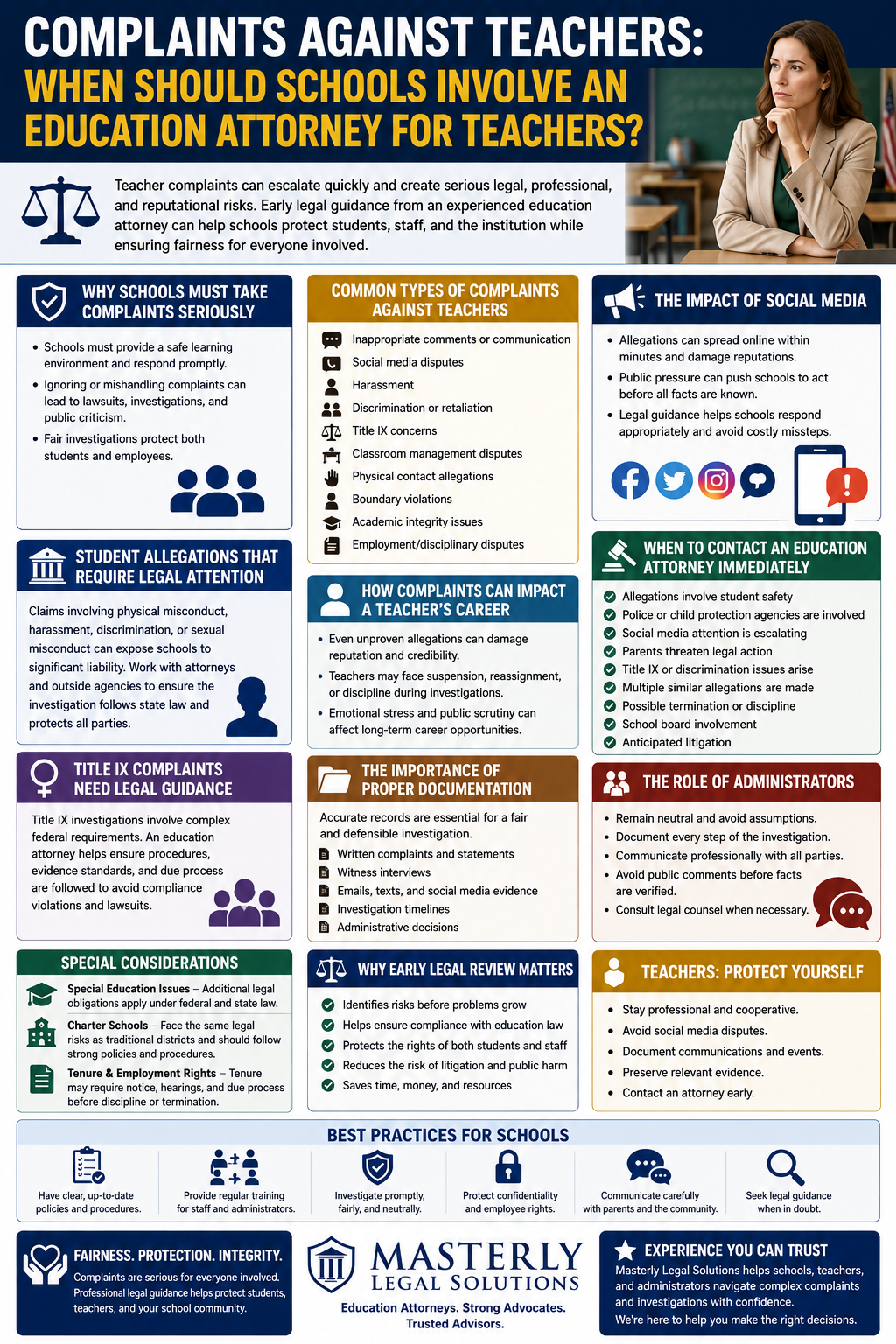
How Attorneys Help Protect Parental Rights
Parental rights are among the most important legal rights recognized under Texas law. CPS investigations can place those rights at serious risk if parents do not respond carefully.
An attorney works to protect parents throughout the process by challenging weak evidence, advocating during hearings, and ensuring the agency follows proper procedures. Lawyers also help parents understand what steps may improve the likelihood of reunification.
Without proper legal support, parents may unknowingly damage their own case while trying to cooperate with the investigation.
Why Knowledge and Preparation Matter in CPS Cases
One of the greatest advantages parents can have during a CPS investigation is knowledge. Understanding how CPS builds cases, gathers evidence, and presents allegations allows families to make better decisions throughout the process.
Preparation also matters because CPS investigations often move very quickly. Parents who wait too long to seek help may lose opportunities to challenge important decisions early in the case.
The right attorney can advise families strategically while helping them remain focused during emotionally difficult situations.
How Masterly Legal Solutions Assists Families Facing CPS Investigations
At Masterly Legal Solutions, we understand how stressful and life-changing CPS cases can become for parents and children throughout Texas. Our law firm focuses on strategic defense, investigation guidance, and proactive legal representation designed specifically for CPS matters.
We assist clients dealing with allegations involving abuse, neglect, removal proceedings, safety plans, court hearings, and Family Based Safety Services cases. Our approach focuses on protecting families, preserving parental rights, and helping parents navigate the CPS process with confidence and preparation.
Every CPS case is different, which is why personalized legal guidance is so important. We work closely with families to help them understand the allegations, respond strategically, and defend their future.
Speak With CPS Defense Attorneys About Your Situation
If Child Protective Services has contacted your family, requested interviews, or begun an investigation, it is important to take the situation seriously from the beginning. Waiting too long to seek help can make it harder to protect your rights and defend your family effectively.
Masterly Legal Solutions provides strategic guidance and representation for families facing CPS investigations throughout Texas. Whether you are dealing with allegations of abuse, neglect, emergency removal, or ongoing court proceedings, our team can help you understand your legal options and respond carefully during every stage of the case. You can reach any of our Texas offices using the contact details on our Masterly Legal Solutions locations and contact page.
Contact Masterly Legal Solutions at (972) 236-5051 for a free consultation. Our cps defense attorneys are prepared to answer your questions, explain the process, and help protect your family during CPS investigations and related legal matters, and our team also represents educators through teacher investigations and education law defense.
Disclaimer: This article is provided for informational and educational purposes only and should not be considered legal advice. Reading this content does not create an attorney-client relationship with Masterly Legal Solutions. Every CPS investigation, family situation, and legal matter is different. Individuals dealing with Child Protective Services investigations or related legal issues should speak directly with a qualified attorney regarding their specific circumstances.
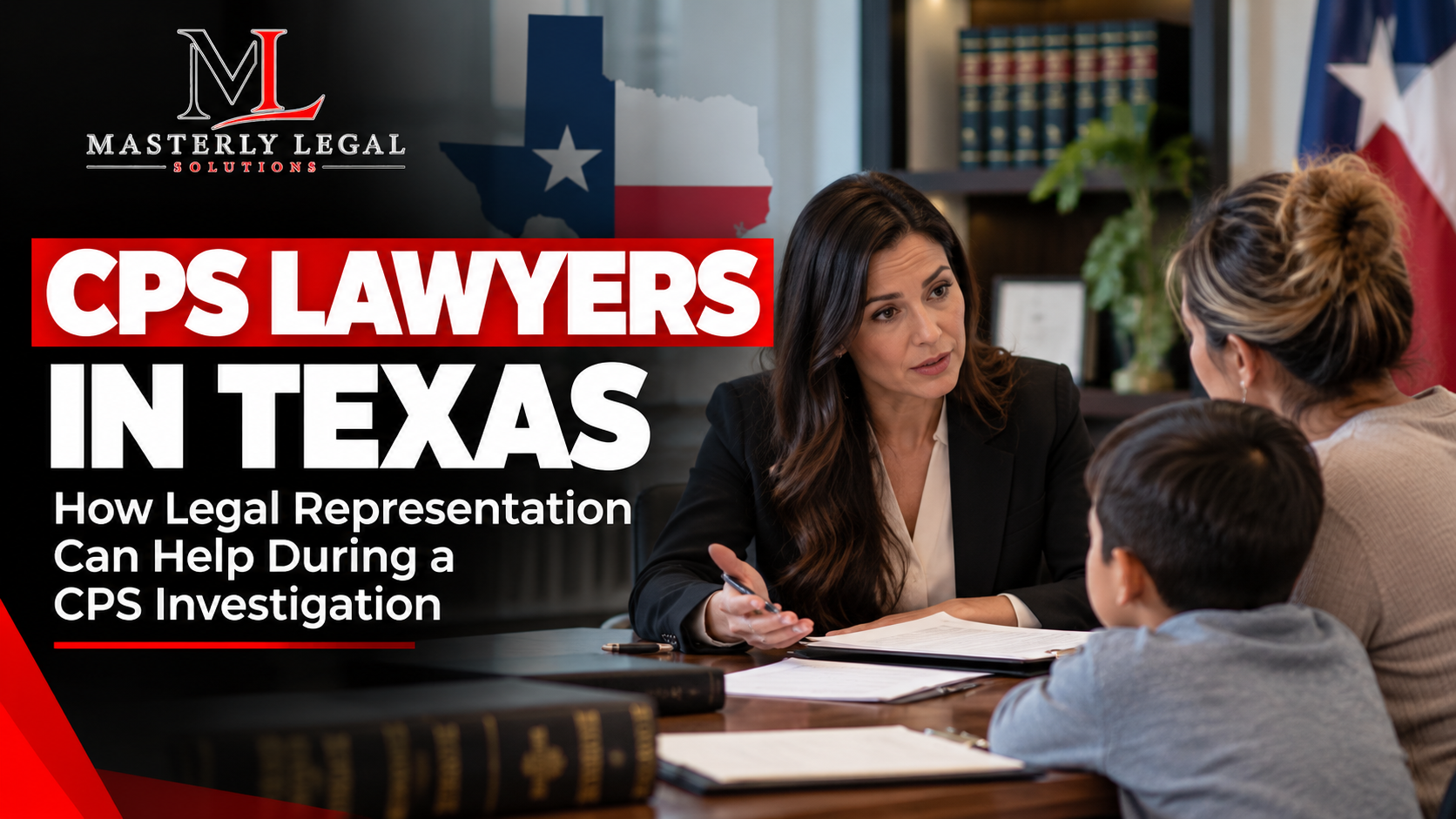
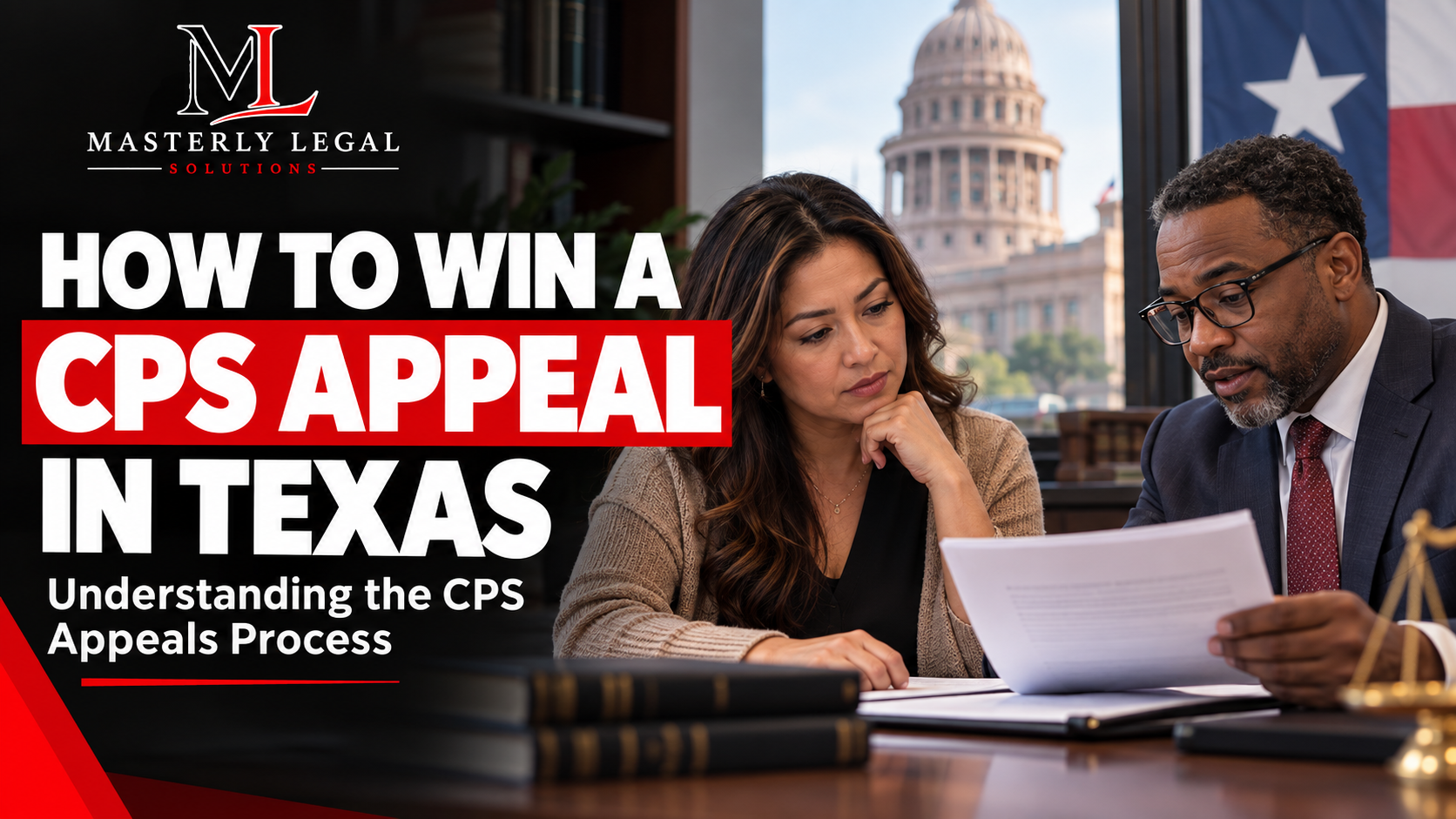

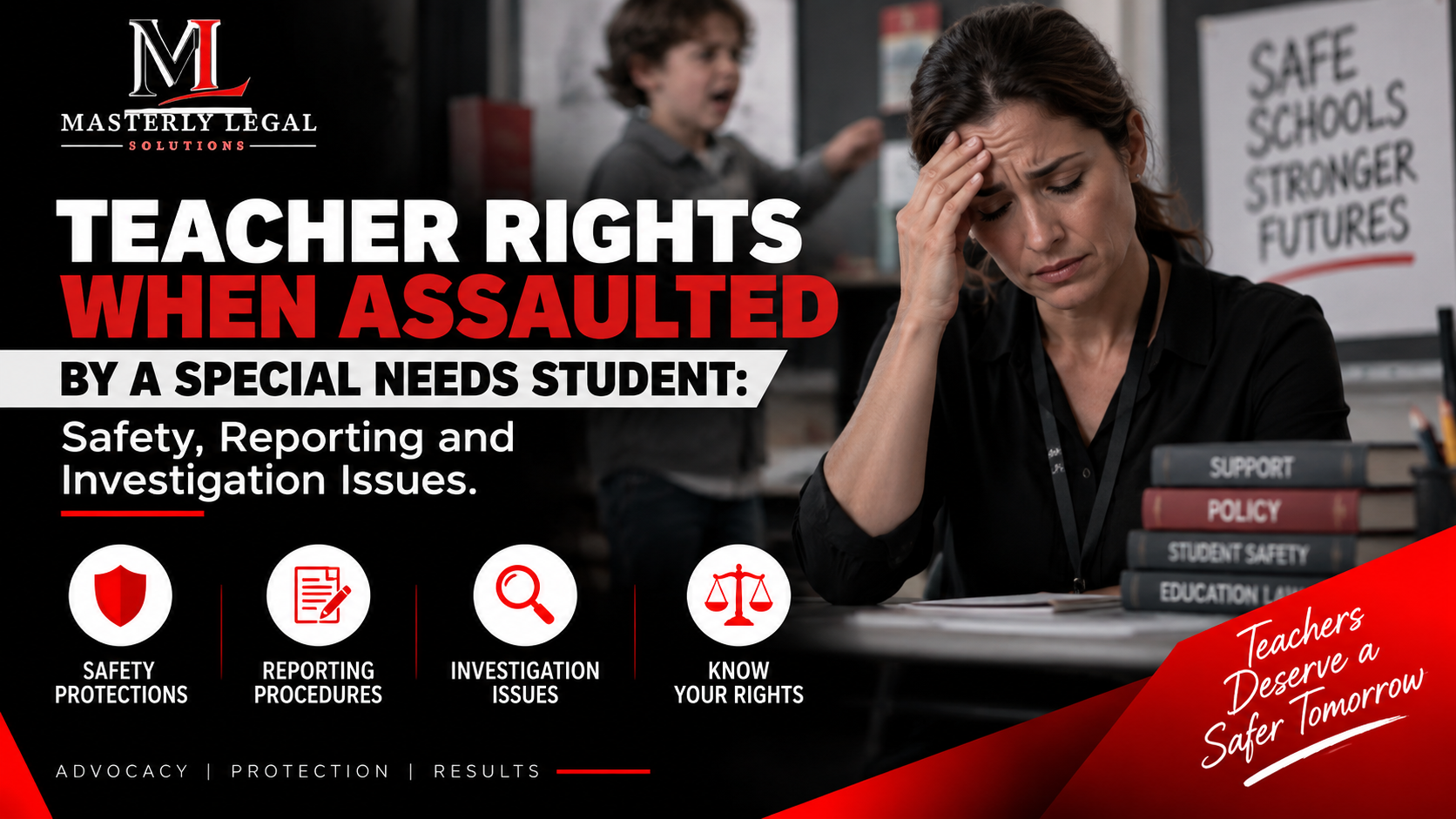
Teacher Rights When Assaulted by a Special Needs Student: Safety, Reporting and Investigation Issues



Looking for Legal & Business Solutions? Contact Us Now
Fill in the form or call us to set up a meeting





